
Southwest Airlines has a new interline agreement with Singapore Airlines.
On one level, that’s barely notable. An interline agreement is the most de minimis arrangement between two airlines.
However, Southwest does need partnerships, because they don’t fly to Europe, Asia or South America – they don’t have a product to offer their customers traveling to these places, and they haven’t been picking up business from other airlines bringing travelers to the United States.
The problem is this is being overreported and people are being misled about what this means, with framing like “Southwest Airlines Begins New Interline with Best Airline in the World” and stories along the lines of “Singapore Airlines Passengers May Soon Find Themselves Flying Southwest.”

What An Interline Agreement Does
An interline agreement lets airlines sell tickets on each others’ flights. A passenger can buy Austin to Los Angeles on one airline, and then Los Angeles to Tokyo on a different airline all on the same ticket.
That requires fare rules to support it, revenue settlement between the airlines, and ticket acceptance. That’s historically been handled through IATA interline ticketing standards.
It also lets a passenger checks bags at origin, connect those bags onto the second airline, and retrieve them at their destination. That Austin passenger can pick up their bags in Tokyo. This requires baggage messaging between the airlines, and physical collection of bags.
And since passengers are on one ticket, there’s protection during irregular operations. If that Austin – Los Angeles flight is delayed, causing the customer to misconnect in LA, they’re going to be entitled to rebooking onto a later flight to Tokyo.
The airlines need to be able to exchange reservation information, and to be able to handle check-in – ideally issuing boaridng passes for downline carriers but at a minimum being able to see onward connections.
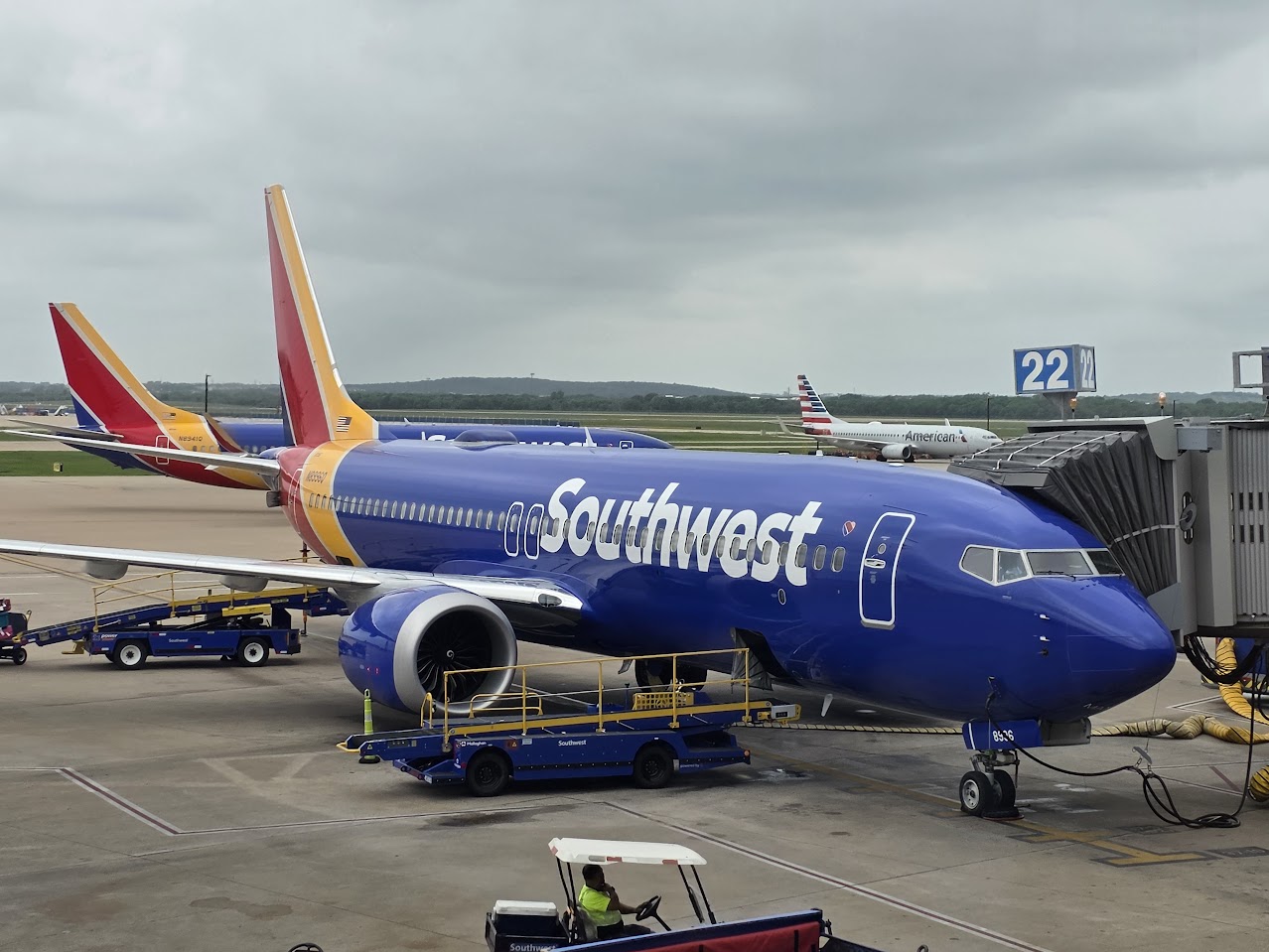
Putting Southwest’s Interline Agreements In Perspective
There is now an interline agreement between Singapore Airlines and Southwest Airlines. Southwest needs that, but it’s not close to enough.
Southwest now interlines wtih EVA Air, China Airlines; Philippine A8rlines, Icelandair, Condor, Turkish Airlines, and ANA as well as Singapore. That’s 8 total interline agreements.
By constrast, Singapore Airlines had interline agreements with more than 100 carriers. For them, this means very little at the margin.
United Airlines has interline agreements with at least 150 different airlines. Delta interlines with over 120. Southwest has 8. And this isn’t codesharing. There’s no schedule coordination. And there’s no frequent flyer earning or redemption.
Southwest Has Needed Partnerships For A Long Time
The current partnership effort has been in process for at least four years, since long before activist investor Elliott Management forced the gutting of the airline’s traditional non-traditional strategy, forcing them to charge for seat assignments, checked bags, and impose basic economy restrictions on the cheapest tickets.
And they’ve had stumbles in this direction in the past.
- They codeshared with American Trans Air starting back in 2004 (Southwest acquired much of its Chicago Midway presence from ATA).
- They announced a codeshare with Canada’s WestJet in 2008 but it was never implemented.
- They also had an agreement with Mexico’s Volaris where they sold Volaris tickets on the Southwest Airlines website and offered interline bag checking.
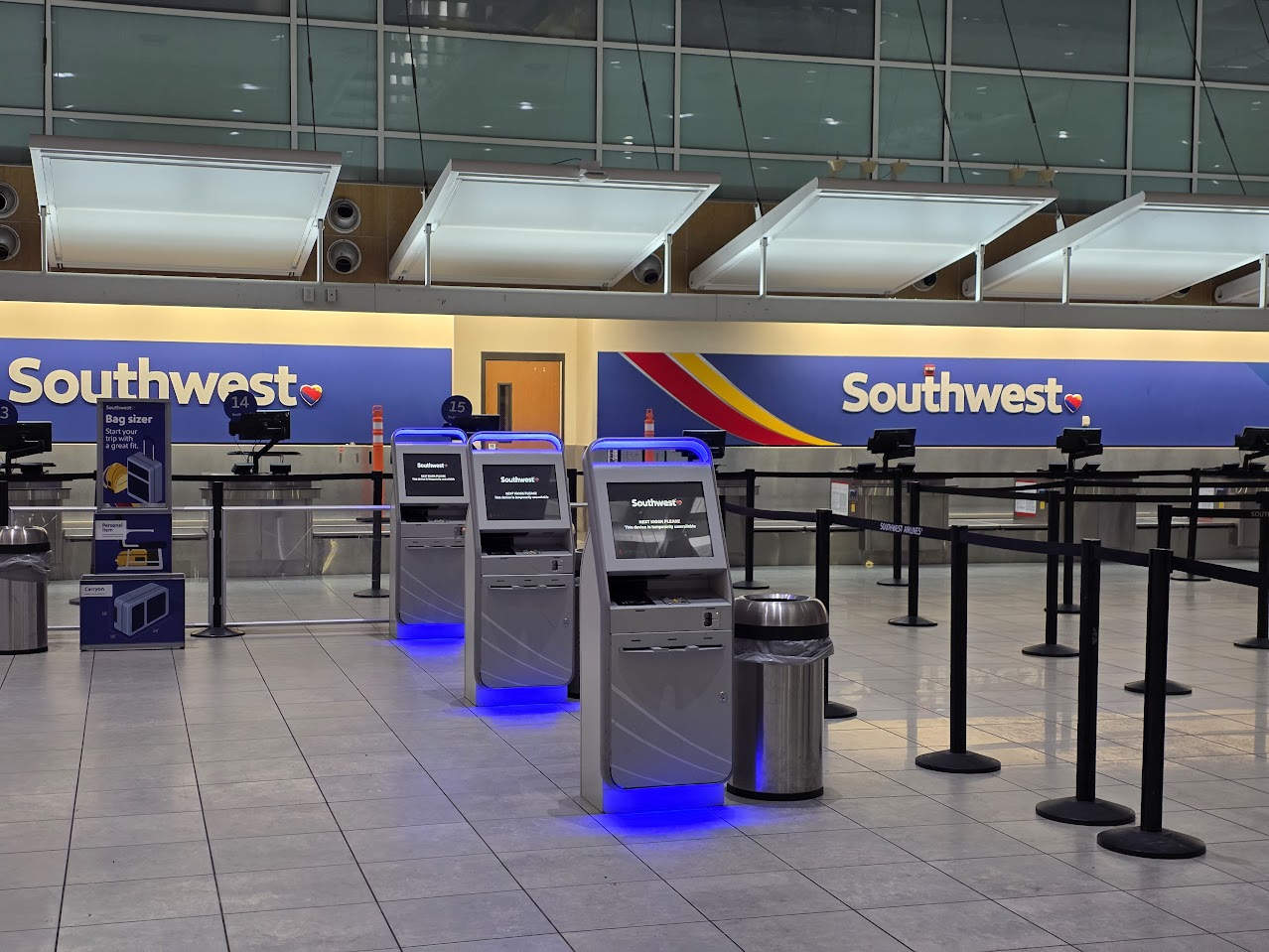
Singapore is prestige-heavy for Southwest, but otherwise it’s almost un-reportable. It won’t move the needle for Southwest. It gives Southwest customers very little, other than the ability to through-check bags when they buy a single ticket journey that includes both airlines. It doesn’t begin to make Southwest competitive internationally.
What Southwest needs is the ability for its Rapid Rewards members to use their points to travel the world, or else their points are not competitive which means their credit cards are not competing effectively for spending. And that’s how U.S. airlines make money. They’re building a lounge network to support a premium card business, they also need a network of international partnerships that are real, not vaporware.



Does this now mean in-flight miscreants are subject to public caning upon landing?
Yeah, it’s a weird, nothing-burger of a ‘partnership.’ It’s not like WN is joining Star Alliance; this ain’t what UA-SQ have going on, either. (But it does kinda complicate @Tim Dunn’s affinity for DL-WN, no? Hmm…)
No surprise here as nothing under the direct and willful gross mismanagement of Jordan and Elliott does “much of anything for passengers”.
keep in mind that, for years, WN wanted nothing to do with any other airline in any way at all
It is a big step to see them beginning to realize there is value in helping customers get where they need to be.
SQ clearly sees SOME value in helping WN pull itself out of the dark ages. We’ll see what that value is in time.
as for DL-WN, 1990, as much as Scott Kirby loves to trash talk competitors to get their assets, the chances are that – in the very unlikely event of an asset sale involving AA or WN (kinda like cabin depressurization in likelihood), DL will pounce with both feet and a whole bunch of arms at either of those two’s assets. DL has the least amount of overlap with WN and a need to put some more lines to/from Texas.
maybe they’ll make so much money at LAX and on TPAC flights that they can just take over AA lock, stock and barrel and then spit out the CLT hub for UA and WN to wrestle over.
@Tim Dunn — “cabin depressurization”?? …put on your own mask before helping others, sir!