Passengers on two jets departing Houston didn’t know they were face a geometry problem nobody wants to solve at 1,200 feet.
On December 18, a Volaris El Salvador Airbus A320neo operating flight 4321 departed Houston Intercontinental for San Salvador at the same time United Express flight 4814 (an Embraer ERJ‑145 operated by CommuteAir) departed for Jackson, Mississippi.
This was a simultaneous parallel departure setup: one airplane off the left runway, one off the right runway. It’s routine — right up until one crew turns the wrong direction. The clearance was explicit. The readback was correct. But Volaris made a wrong turn.
- Tower cleared the Volaris A320neo off runway 33L with a left turn to heading 110 after takeoff.
- The United Express ERJ‑145 off runway 33R was assigned a right turn to heading 340.
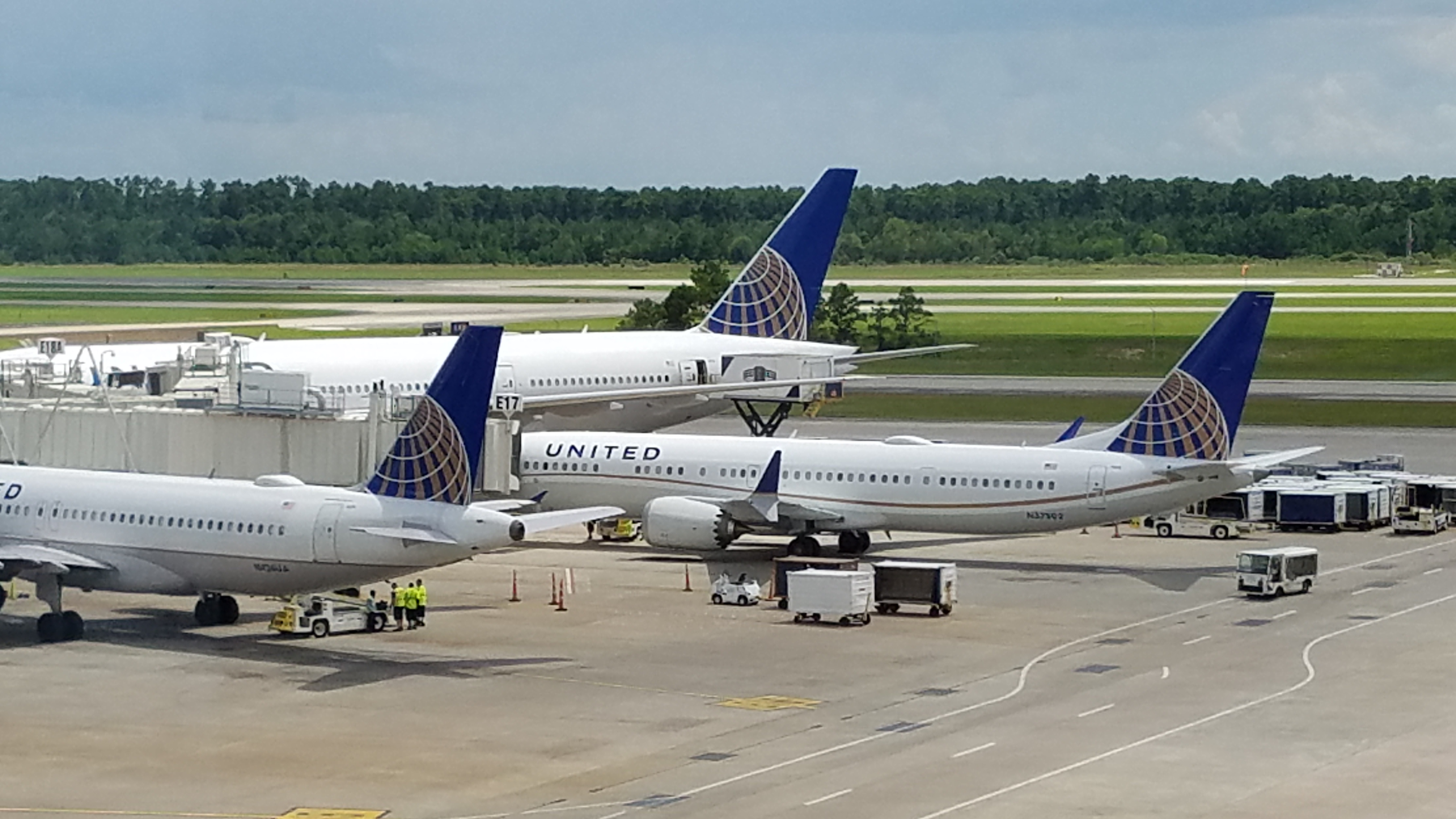
United Airlines in Houston
Those two instructions are the entire safety case for parallel departures: make them diverge immediately, but it unraveled. The Volaris jet turned right — toward the other runway’s departure corridor — despite the instruction to turn left.
The Volaris pilot’s readback was correct, but the monitoring and verification step failed with nobody stopping the wrong turn early.
A VASAviation replay shows both planes get a collision alert with conflict peak at 1,200 – 1,300 feet.
The United Express crew reported they’d just had a TCAS Resolution Advisory. Tower’s response: “stand by.”
- Given the TCAS Resolution Advisory, the planes were getting uncomfortably close, fast.
- At the low altitude they were at, that kind of warning typically corresponds to the planes being on track to pass within roughly a few hundred feet vertically and around a quarter-mile or less laterally if nothing changed.
A “left turn heading 110” off a 330° runway heading is a long-way-around instruction. From 330 to 110, the short turn is right. The long turn is left.
That’s not just counterintuitive. It’s also a mismatch with the way many autopilots behave when you set a heading. Dial 110 immediately and the airplane will cue the shortest turn to capture it. And that’s not wrong.
That’s not close to an excuse. But a clearance that requires a non-intuitive long turn needs to be super clear. Long way around vectors happen frequently in Houston, and there are several approaches to handle it.
- Stop issuing more than 180° turns off the runway when parallel departures are running. If you want a plane on 110, give 200 first, then 110 once it’s away.
- If you’re going to issue the long way around, say so clearly every time. Make it standard phraseology:
Turn left, the long way around, heading 110.
- Put the divergence in a published RNAV SID instead of ad hoc voice vectors. When a vector is unusual and safety critical, it’s not idea to rely on translated a sentence correctly during the most workload-saturated phase of flight.
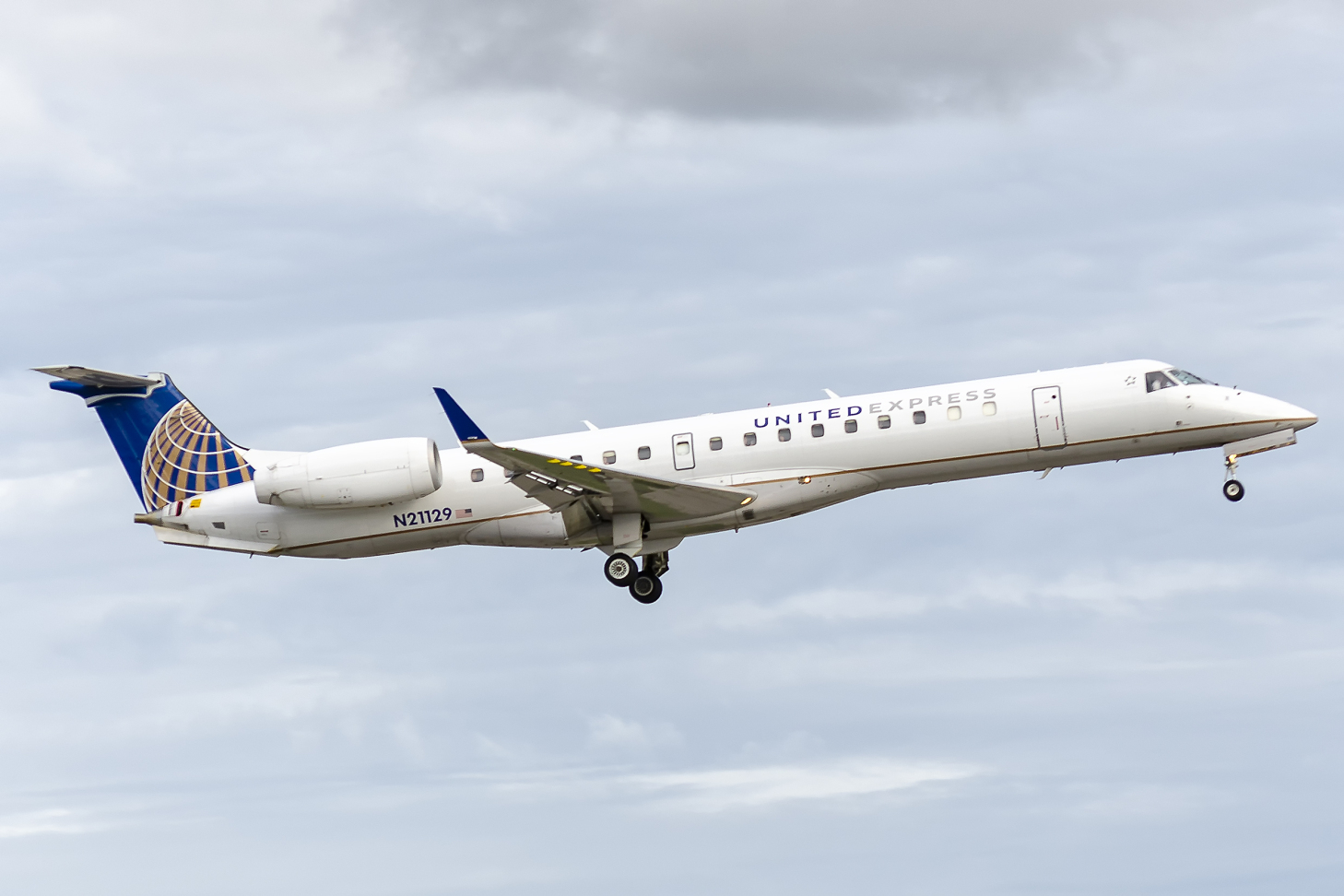
United hubs in Houston, it’s pilots will be used to this, pilots for Volaris El Salvador possibly less so. However, flying to Houston, this might make sense in training and in standard operating procedures. Don’t set the final heading until the direction is locked in, or set an intermediate heading that forces the intended initial turn.
(HT: One Mile at a Time)



And tower never got back to the RA notification. Two things, “possible pilot deviation” (yeah…you think?) was never said. The Volaris never said anything either. Jeeze! TCAS is wonderful. WHEW
Probably would have been a non event if the customers had been dressed up and nice to each other and the crew.
You are correct, the left turn to 110 after a 33L departure is counterintuitive. As a former ATC, I would make double-sure that the pilot was complying. But, the pilots should have double-checked that instruction. The pilot is clearly at fault, but an alert controller would have kept a closer eye on the situation.
Why is it articles like this NEVER NAME the regional carrier? It’s “United Express” which tells me nothing. Skywest? Republic? Etc would be honest and wayyyyy more informative.
Oops just found it in the meat of the article…Commutair.
Nevermind….
@Drew Simmons — Ahh, one of those ‘it’s not United/Delta/American, it’s their subsidiary’ even though the plane, seats, gate, tickets, etc. all say the parent company, and most lay persons know only the main brand, not the subsidiary… how @Tim Dunn of you… like when Delta’s CRJ operator Endeavor had a mini-meltdown in early June 2025, ‘no, no… totally not Delta…’