
On January 29, 2025 at 5:38 p.m. American Airlines Flight 5342, a Bombardier CRJ700, departed Wichita, Kansas, bound for Washington National airport.
At 8:43 p.m. Eastern they contacted Reagan National Airport air traffic control while on visual approach to Runway 1. The controller requests the crew switch to Runway 33, which they accept and are cleared to land.
Three minutes later, air traffic control alerts a U.S. Army Black Hawk helicopter (PAT25) to the presence of the CRJ700 jet circling for Runway 33. The helicopter crew acknowledges visual contact and requests visual separation, which is approved by ATC.
One minute after that, the controller asks the helicopter crew if they still have the CRJ in sight, with a radar conflict alert audible in the background. The airliner receives a “traffic, traffic” warning from its TCAS system.
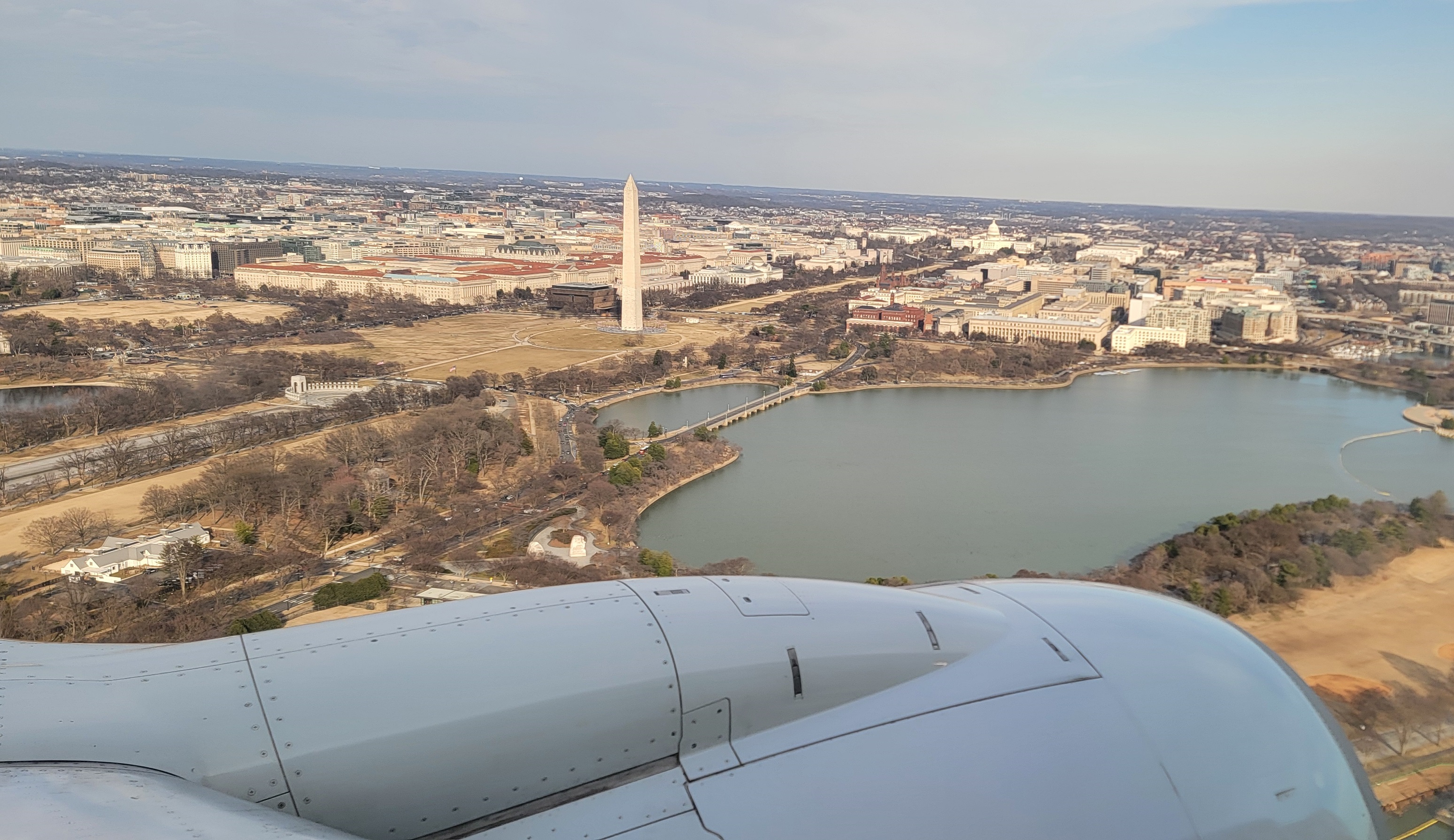
Less than a minute later, air traffic control instructs the helicopter to pass behind flight 5342. The helicopter crew again acknowledges visual separation. Seconds later the CRJ700 pitches up in an evasive maneuver, and both aircraft collide – above the 200-foot maximum altitude for helicopters on that route. The helicopter explodes, and both aircraft crash into the river. The government admits liability, but not sole liability.
American Airlines is being sued over this in U.S. District Court for the District of Columbia. Trial is set for April 2027. You always feel badly for the family of a victim in something like this, but American Airilines should not be a defendent in this case.
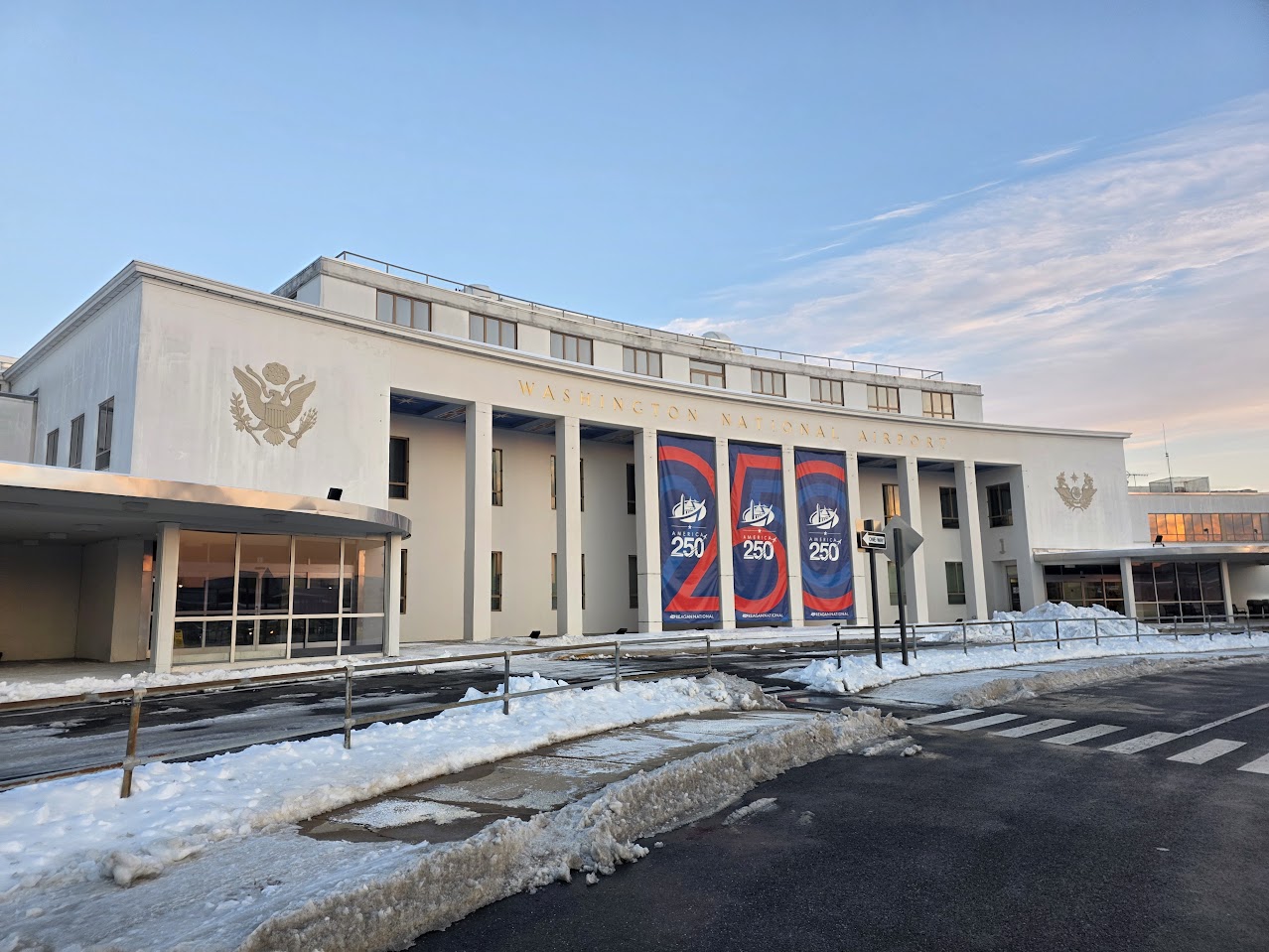
The plaintiff’s theory is that:
- the airspace was known to be high-risk and American Airlines failed to mitigate this (the disaster happened)
- American failed in its procedures for handling the airport’s mixed jet and helicopter requirement, including for evaluating requests to land on Runway 33 given helicopter routes near the approach (they should have been arguing with air traffic control to avoid this).
- American “manipulated and abused” the arrival rate system to push more arrivals per hour, shrinking safety margins. (There is zero evidence caused the accident, even if a failing air traffic control system has trouble handling volumes.)
- Pilots failed to look for intruding traffic and take corrective action.
American argued this week they complied with the federal government’s safety regime, and did not breach its obligations. The proper recourse is against the government (compliance with safety procedures trumps state law negligence theories and greater duties).
Ultimately the issue here is airspace design, helicopter routes and helicopter pilot failures, military training and air traffic control clearances which are all on the federal government. The government admits it owed a duty that it breached and this caused the accident.
But American Airlines is actually the bigger pocket to go after, because under the Federal Tort Claims Act, plaintiffs don’t get a jury trial against the government. The case gets tried by a judge, which means less outcome variance and potential for a huge verdict. And damages are compensatory only (no punitive damages). So plaintiffs argue that while the government acknowledges liability, its conduct is one of several causes.
I’m often critical of American Airlines, but their response to this tragedy has been both exemplary and extraordinary.



Someone is just looking for easy money. Ultimately, it was the fault of the helicopter pilots because they were flying 100ft above their assigned altitude and lost visual separation of the CRJ; you can also blame ATC for directing the aircraft to use RWY33 when 01 would’ve sufficed as departing traffic would’ve cleared before the plane was on final.
Nobody cares, it’s all about greed.
The system is broken. There should at least be punitive damages. I understand victims families motivation here.
Does the government assign different values to different peoples lives? Do they pay x dollars a person for each person they admit responsibility for killing, or do they claim person A’s life is worth some amount, say $50,000, but person B’s life is worth more because…(he earns more, he is a better person, he has a bigger family)?
A wrongful death. lawsuit looking for money. I am assuming that the plaintiffs’ attorneys took this case on a contingency basis and would receive 35 to 40% of an award or settlement,
Since you are aware of the case and this information is a matter of public record, in instances such as this publish the name of the law firm. Some people may want to contact it to let it know exactly what their opinion of it is.
Pay the victims families; let the airline and government fight it out. Can’t believe it’s already been a year. RIP.
Oh good lawyers. They make everything better….
I’m sure the suit against AA is related to “deep pockets”. However, one could blame the entire airline industry. Even if the government said this airspace was safe, if the airlines knew this airspace was particularly high risk, they should have pushed back.
“If you see something, say something”.
Although the airline did what it was instructed to do by the air traffic controllers, the complaint about a dangerous route to the runway for landing is still valid. Maybe the airport should be abandoned since no one wants to take responsibility for the problems. At least a safety warning should be added to the ticket in bold letters. Then if passengers and airlines still want to use that airport, they have agreed that convenience is more important than more safety and will be ok with limits on liability. Another fix would be to install an advanced system on the airplanes flying there that does a better job of alerting for possible collisions. Yes, such things are probably quite expensive.
@Connor — Clearly, lawyers are working super well for the rich; so, maybe the poors should get some lawyers. (Or, some pitchforks.)
Rotten bastards.
The federal government’s financial exposure is limited by the FTCA (Federal Tort Claims Act) — no punitive damages, limitations on other damages, etc. A lawsuit against AA was 100% inevitable. And if you were the families you would do the same because of those limitations. It’s just a consequence of the statutory landscape.
Ambulance chaser takes advantage of a grieving family. This goes back for decades.
You can’t sue “City Hall”…….
I wonder if you would feel differently about this if you lost your wife of 22 years and 16-year-old son in this collision, as I did.
I wonder if you would feel differently about American’s “exemplary and extraordinary” response if you were sitting at home with your 13-year-old son, who you just told that his month and brother were dead, and forced to make the difficult decision to leave him to travel to DC because you couldn’t get a single substantive answer from American over the phone for the first 44 hours following the collision.
We have a right to explore all aspects of the tragedy that took out loved ones from us, from training practices and procedures on DCA helicopter routes and runway 33, to procedures for responding to TCAS alerts, to safety management systems that failed to act 15,000+ near misses at an airport where American and its regional partners account for more than half of the traffic, and on and on..
Insinuating that we’re chasing deep pockets is offensive. I would give every last penny I have to have my wife and son back.
How is suing a company going to bring back the dead?
@Gary:. As a common carrier, AA is strictly liable for injuries to its passengers, regardless of fault. Negligence need not be shown.
It would be malpractice for the lawyer not to sue AA.
Agreed, Gary, the Plaintiff is an idiot: All four of their claims are demonstrably false. That said, the backstory is far more interesting, the Helicopter PF (Captain Rebecca M. Lobach) was not a conventional Chopper Pilot, she was a Staff Officer and a White House Military Social Aide during the Biden administration. She also had a history of vertigo, and was actually heard on the Cockpit Voice Recorder complaining that she felt dizzy seconds before the Mid-Air Fatal Crash.
If you are in airplane accident, you should get some sort of automatic payday.
The article and most of the comments are really naive to the way tort law works and reach conclusions that are at best unkind, but in every instance uninformed.
Whether or not the government “accepted responsibility” isn’t relevant to whether or not American can also be held liable under the facts – and I make no claim to know what the precise facts are. Under DC Law of joint and several liability, a joint tortfeasor responsible for even 1% of the accident can still be jointly liable for 100% of the damages due to plaintiff, and the ability to collect the full measure of damages against a civilian tortfeasor are more likely to make a plaintiff whole – as whole as one can be after a wrongful death – than from the government which operates with privileges and immunities to avoid responsibility for its wrongdoing. So – again taking pains to say I have no idea what the facts are – IF it were found that a lapse of concentration in the pilots or some other error or omission caused them to fail to avoid the helicopter, even if contributing only 1% to the crash, it would entitle these plaintiffs to compensation that they wouldn’t otherwise receive from the government.
So if anybody here thinks that they would be more generous to AA and just let sleeping dogs lie after they lost a spouse in an air crash, or have orphans to raise and educate because their parent(s) was killed in an air crash, I hope you’ll never be tested on your assumption.
The reason they’re suing AAL is that our evil government is now led by a deadbeat felon who never pays his creditors, and instead brings nuisance suits to courts. We are disgusting people who put a disgusting, evil, larcenous, odious creep in power for a second go-around. We now have to lie in or beds.
The basic problem here is that many of us disagree with joint and several liability permitting going after those with deep pockets but who are minimally if at all involved in an incident.
You can dig through what-ifs to find a scenario in which they could have changed something and avoided the crash–but that does nothing about the underlying problem. Blame the problem, not the unlucky person who hit the problem.
@Derek Mc
Bottom line is there are far too many scum sucking attorneys in this country chasing ambulances. Democrat / Republican, it doesn’t matter. Look at such dirtbags on you side like Al Sharpton and his Tawana Bradley BS. Then there is the OJ defense team. I will always think of that kangaroo show when I read about DNA evidence. I could go on.
@Mak – I don’t think you actually read what I wrote.
@Todd — Ah, yes, resurrection is the goal… not. Have you never heard of a wrongful death claim before? Pft.
Right on @Joseph; least we can do. @Mak gets it, too. Pay the victims.
For what shall it profit a man to gain the whole world but loose his soul?