
Think other travelers’ credit card choices are irrational or wasteful? You’re probably looking at their strategy through the wrong lens—here’s why what’s perfect for you might seem completely crazy to someone else.
This week’s Frequent Miler On The Air podcast offered a really insightful point that I think is worth repeating.
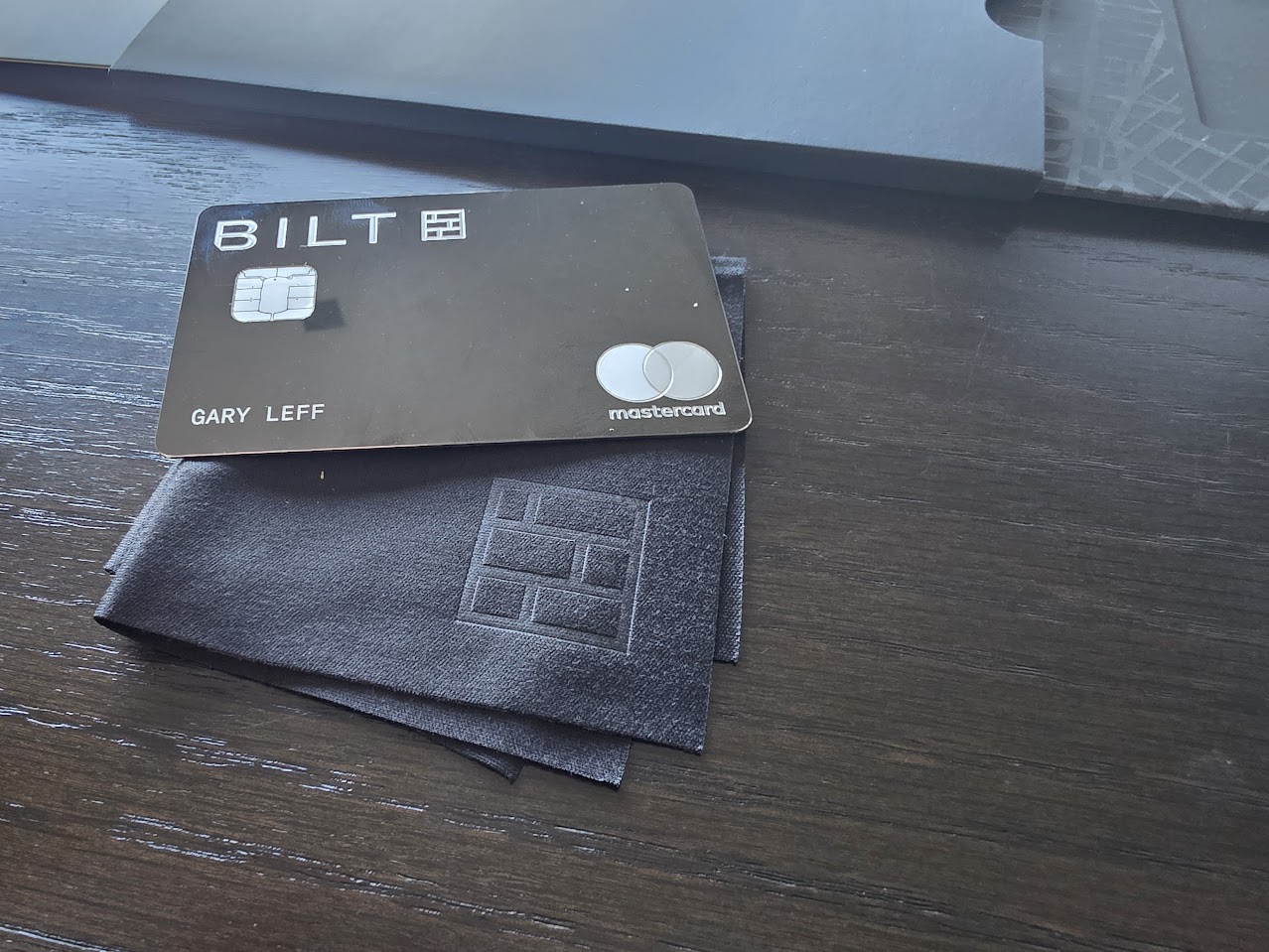
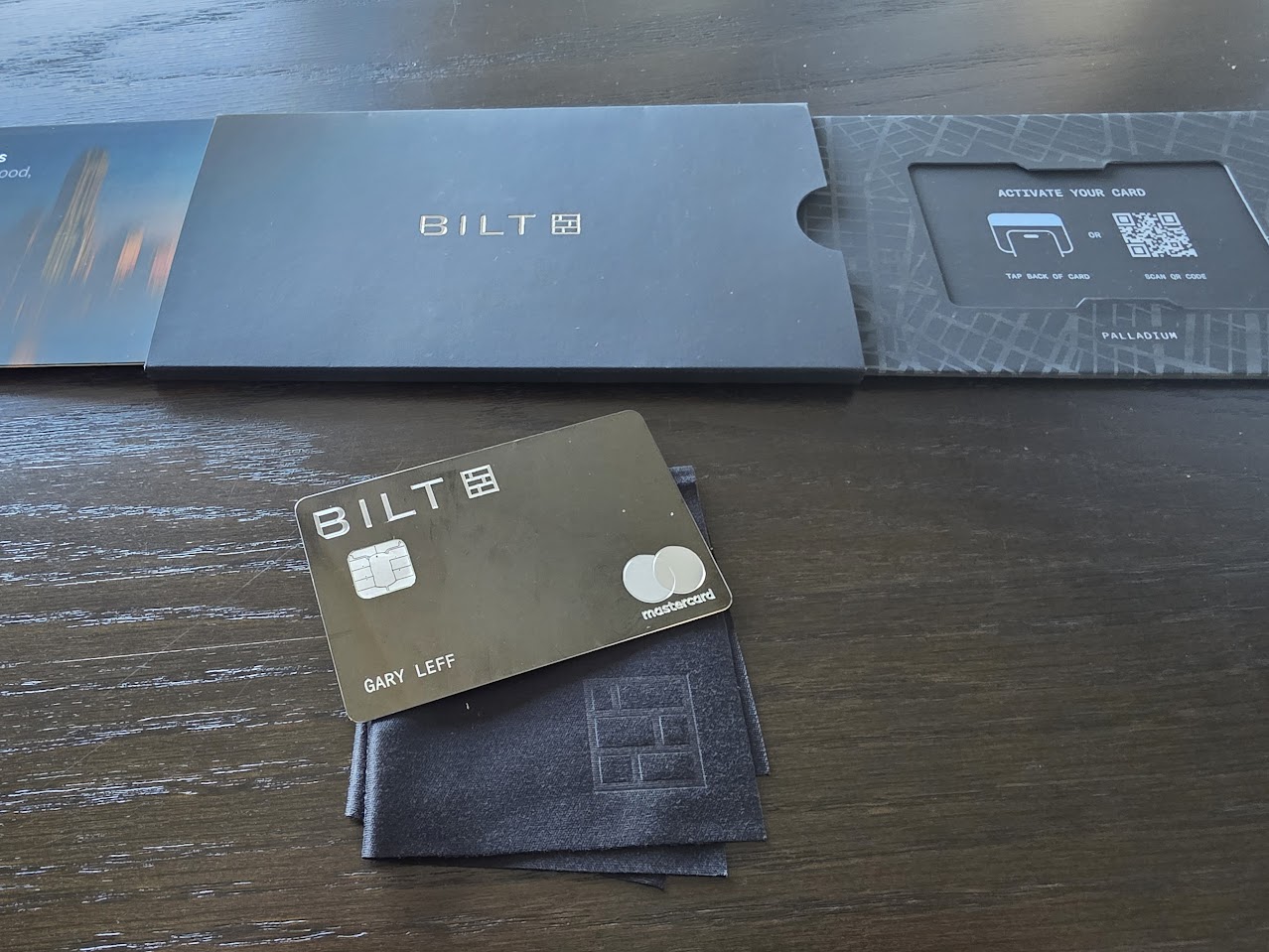
On last week’s show they went off, to some degree, on the new Bilt Rewards credit cards. A reader wrote in to take issue with this, laying out why they’re going to be getting unmatched value out of the new Palladium card. And Greg and Nick had the epistemic humility to concede that the reader was right – for their situation the card is excellent – and to lay out both why they had been critical and some principles for understanding what cards work best for people in different situations.
Bilt Palladium Offers Pretty Much Unrivaled Return On Spend
For someone spending a lot, with a decent mortgage or rent, it’s hard to get return like what Bilt Palladium offers – more than 3x points on all your spend (not just a few categories), those are the most valuable points, and in this example the cardmember also earns Platinum status which qualifies for the highest transfer bonuses (e.g. 100% bonuses – unmatched by other programs) and Air France KLM Flying Blue Gold status plus a Blade helicopter transfer.

Here are their transfer partners:
- Star Alliance: Air Canada Aeroplan, Turkish Miles & Smiles, United Airlines MileagePlus, Avianca LifeMiles, TAP Air Portugal Miles&Go
- oneworld: Cathay Pacific Asia Miles, Alaska Airlines Mileage Plan, Iberia Plus, British Airways Club, Japan Airlines Mileage Bank, Qatar Airways Privilege Club
- SkyTeam: Air France KLM Flying Blue, Virgin Atlantic Flying Club
- Non-alliance: Emirates Skywards, Southwest Airlines, Aer Lingus Aer Club, Etihad Guest, Spirit Airlines Free Spirit
- Hotels: World Of Hyatt, IHG One Rewards, Marriott Bonvoy, Hilton Honors, Accor ALL – Accor Live Limitless

Qatar Airways
Here was the question:
Tyler says, I disagree with all the negative feedback that the BILT program is getting. Here’s my take. The BILT Palladium card gives you 2X points on everything, plus 4% BILT cash.
If you plan to spend 50,000 per year on the card, it appears to yield the following. $50,000 times 2 equals 100,000 points. 4% built cash plus $200 automatic annual cash is $2,200 in Bilt cash you have every year. That’s not even including what you get with the sign-up bonus. The 1,000 of that Bilt cash can be used to add 25,000 points to spend if used in the right increments.
So he’s talking about one of the built cash options is to redeem $200 in built cash in order to get an extra point per dollar run up to $5,000 spend. And you could do that up to five times. And the final $1,000 of Bilt cash can be used to earn points on your mortgage, earning 33,333 points per year.
The setup yields 158,333 built points per year on $50,000 of non-category spend. That is 3.16 points per dollar. Those points transfer to Hyatt and Alaska and come with Bilt platinum status. Just as an aside, it doesn’t really come with built platinum status, but $50,000 spend gives you Bilt platinum status. He says, plus…hotel credits…offset the annual fee for the Palladium card. Those outcomes do not seem achievable in any other points program on the market today. Am I crazy or is Bilt actually providing value here?
Whether or not Bilt Palladium is a good idea comes down to whether you have spend to put on the card that isn’t committed elsewhere.
Nick points out that different people are going to use their spend in different ways, and often misunderstand each other thinking the other side is crazy.
I think that there are people out there who will say, but Tyler, with $50,000 in spend, you could open 10 credit cards this year and earn far more points. And you’re right. But I think that Tyler might also say that you’re crazy. And which one of you is right? Who’s crazy? I mean, you’re both a little crazy in different ways. That’s all it is. We can all embrace our own craziness and the different ways that we want to play the game.
Nick goes on:
I think a lot of people look at that and say, but who’s spending $50,000 on a credit card? The fact of the matter is there are some people who are and people who are. Yeah. And well, you know, I think there’s a lot of people on both sides, right? There’s a lot of people that look at that and they’re like, that’s a median income where I live. Like there’s nobody that I know that’s spending that much. But then there’s a lot of people that are like, oh, well, I mean, most people I know are spending that much.
And so you got to remember that there are people playing this game at very different ends of the spectrum and with different types of expenses and different ways they want to play the game and levels of complication.
And I think for one card, for somebody who’s going to spend $50,000 and only wants one card, I think you’re hard pressed to find something better. Now, in the math here, Tyler mentioned you’re spending $50,000 for the 158,000 bill points, but you’re also spending $33,000 on a mortgage. So we’re making the assumption that you’re doing that too in order to come to that quantity of points.
But if you’ve got Tyler’s situation, I think that’s where this card is a pretty good fit, to be honest.

But Should You Invest In The Bilt Ecosystem?
Greg agrees that there’s tremendous value:
Yeah, you know, I actually I don’t think there’s any question that the Bilt cards and especially the Palladium card are extremely can be extremely valuable for your spend. I mean, there’s a huge amount of value to be had there.
However he says the rollout of the card was rocky. This is true, and a lot of people got big mad over it. Bilt should have been clearer on how paying rent (and now mortgage) was changing, and should have had Bilt Cash details ready at card launch, and not a week later.
Then he pivots to suggesting that you might need to infer from the rocky launch that the program isn’t viable over the long-term.
To me, the real question is more about do you want to invest in your time, effort, spend in the built ecosystem? So a lot of our negative press about Bilt lately hasn’t really been about whether the cards are rewarding or not. It actually hasn’t been about that. I think we all think they are. The issue is that they badly bungled a bunch of things about the Bilt 2.0 rollout. And so Really? And they made built 2.0 very complicated.
So it makes it very difficult for average people to understand how to use it, how to maximize it. Taken together, that makes people question like, What’s the long-term viability of Bilt? Will we be able to continue to earn at this rate going forward? Will Bilt points continue to be as valuable as they are today?
However, Greg then concedes that the devaluation risk “is very, very low… So I think Tyler’s on the right track.” Nick actually thinks Bilt isn’t that complicated, there’s just a lot to explain to someone new.
A couple of points, though, for perspective.
- Complication creates pockets of outsized value. It’s in the complication that we can find opportunities. And those opportunities become even more sustainable because not everyone will take advantage of them. Ultimately what Bilt cares about as a business is its blended-average redemption cost. If there are some winners getting outsized value that’s ok when a lot of people just redeem their points for rent, statement credits, or Amazon purchases.
- Outsized value never lasts. I’ve been writing about this for 25 years. Identify opportunities that are available today, benefit from them while you can, just know that they won’t be around forever. Back in 2002, Mexicana Frecuenta had amazing first class redemptions on United Airlines (before it left Star Alliance for oneworld, went bankrupt, and was later resurrected by the Mexican government). I said it couldn’t last and it didn’t. But that didn’t mean plenty of people didn’t get premium cabin award deals in the meantime.
Just Because Someone Has A Different Strategy Doesn’t Make Them Evil Or Stupid
Fifteen years ago I wrote about whether first class was worthwhile over business class and the principle of looking at your miles as money – thinking about the opportunity cost of what you’re able to get, and how much value you derive at the margin from what you’re buying. The ‘correct’ answer is going to be different for everyone based on subjective value. I value the added comfort of first class over business – at some margin. So I’ll spend a few more miles for it, but probably not double.
And people do come from different perspectives, and often don’t understand each other because of it. In fact, they think people who approach things differently are just stupid – because clearly we all want the same things and they’re just making mistakes. A decade ago I wrote about three very different types of travelers who get into miles and points.
- Aviation geeks. They love flying, they love planes, they know all the details of aircraft and get excited by flight.
- Luxury travel aficionados. People who want to get the best experiences possible, and use deals to make that possible or to do it more often than they otherwise could.
- Budget travelers. They live frugally, travel is the point not how you get there. There’s no point in a fancy hotel room because they don’t spend any time in the room.
And these different groups talk past each other, a lot. The budget traveler can’t understand ever ‘wasting money’ on business class even if it’s just a few hundred dollars more (wouldn’t you rather spend the money on a nice meal at your destination? or save the money for an early retirement?). The luxury traveler doesn’t understand the point of paying attention to miles, points, and deals if at the end of all that work the reward is a budget hotel and coach flight.
I once described this as, “There are people who like travel, people who like math games, and people who just like planes.”

I laid this out because a commenter criticized readers who were snapping up a $1,395 business class roundtrip fare between New York and Paris I had posted, saying:
[F]or that amount you can buy 3 Economy round trips, what’s the point of having a bigger seat and an hypocrite flight attendant serving you.People traveling business are so stupid, they could have so much more fun by spending this extra money during their actual days at destination . Especially stupid during a day flight when you don’t care about being able to lie down on a flat seat.

This isn’t an outlier view! Another blogger criticized me for getting the word out about a $1,700 roundtrip first class fare to Seoul, as not even being a good deal.
What you want to do, I think, is engage in immanent rather than transcendant criticism.
- Transcendant criticism applies your own norms and values to someone else’s conduct and preferences. You say they’re just wrong. That makes sense in Kantian ethics or critiquing slave societies or those that subjugate women. It makes less sense imposing your values (business class is a waste, using spend for anyting other than new card bonuses is stupid).
- It’s better to do immanent criticism, accept the values and goals of the person you’re talking to and help them to find the best means which match their ends: ‘given what you say you value, here’s what you should do.’ Or, in this case, given your spending profile and your reward or travel goals, here’s how to set up your spending to maximize that.
Getting The Most Value For Your Cards
The starting point is to understand the different kinds of value that a card provides. There are basically three reasons why you’d get a credit card beyond the basic functionality of payments (and bundled financing and consumer protections):
- Initial bonus. You may want to get a card because of the attractive inducement the isseur is offering. That’s a reason to pay attention. Try out the card, see if you like it and decide later whether to keep it. But once you’ve earned that bonus, the bonus itself isn’t a reason to keep spending on the card – just to have gotten it in the first place.
- Benefits of holding the card. You may benefit from free checked bags and priority boarding, and you use these with an airline enough to really benefit but you don’t fly them enough to earn status. Or you get very frequent use out of lounge access or other perks. But none of this is a reason to put spending on the card.
Amex Platinum is the perfect example case – outside of 5x on airfare, and spending that gets rebated when you trigger statement credits, I wouldn’t want to put any actual spend on the card. This is a benefits card. So too with airline cards, unless you’re using the spend to earn status.
- Value for ongoing spend. This is where you’re getting (1) the most number of (2) the most valuable points for your spending. My own ‘catch all’ card has been Venture X (2x on everything, transferable points). I’m moving that to Bilt Palladium, since I’ll earn more than 3 points per dollar on most of that spend and the points are worth even more (better transfer partners, better transfer bonuses, more valuable spending through their portal and in my view a better portal).

The highest value return on your spending will usually be meeting the requirements to earn a card’s initial bonus. Then you may do best with great accelerator categories like 5x on airfare (Amex Plat), 4x on grocery and dining (Amex Gold), 4x on hotel (Sapphire Reserve) etc.
Some people are going to focus their spending on earning those bonuses and won’t have anything left. Other people will have hefty spend on things like homeowners insurance and day care that aren’t earning them bonuses (and where they aren’t strategically meeting an initial bonus offer requirement).
And different people… have different amounts of credit card spending, either organically or through business expenses or otherwise.
Put Yourself In The Other Cardmember’s Shoes
What I think is great is to try to explain whom an offer is best for (if anyone). All too often we look at something, see that it doesn’t work best for us, and conclude that it is therefore ‘not good’ without understanding that not good for our situation is not the same thing.



Gary, so with regard to Bilt, what should a baby boomer do who has no rents and no mortages and, for more and more of us, a significant inheritance? And finally, since us baby boomers are no longer spring chickens, we are trying to spend down our many miles, points, and whatever we earned in our travel warrier decades. At some point you have to spend down at a rapid clip rather than play the earn more (Bilt) points!
Ok so here’s a question for you.
P2 has a health care practice that rents a suite in a building owned by P1. Both businesses are incorporated but have addresses in the same building. Would it make sense for P2 to get a Bit card to pay rent or is this a big red flag and not worth a shutdown risk?
“spend 50,000 per year” … if you have that organic spend and aren’t using it for other SUBs and towards earning real status, like AA, etc., (not fake BILT status), then, Nick, you sir, are ‘special.’
@Dougie — You got no major expenses and a “significant inheritance”… friend, you win. Go travel. Treat yo-self. Forget BILT. Use Amex for airfare (or Chase CSR/Citi Strata Elite, if you dare, or C1 if they’ll approve you); use FHR for stays (that guaranteed 4PM late checkout pays off.) Otherwise, take that round-the-world cruise, and forget about all this noise.
@ Gary — Yes, to each their own. If youve got lots of spend going for taxes, SUBs are the way to go. If not, I guess Bilt could be a good choice. Not my thing, but those people would likely scoff at our putting $100k on DL Reserve cards some years (and zero others).
@1990 – but spending $50k on Bilt does get you real status – FB Gold. It’s not nothing!
I just think Bilt needs a calculator on its website that clearly lays out the math – the math is better than what the person who asked the question thinks! . Folks are not including the $50 in Bilt Cash you get every time you earn $25k points in the analysis. If you do include that, you can spend $50k and unlock 50k housing points AND the extra 25k from the accelerator. Here’s the math (not counting the $300 Bilt Cash SUB):
– Bilt Cash / points earned: B$2550 / 175k points –
(I) Spend: B$2000 from 50k spend (4% on spend),
(II) Annual B$200 Deposit: B$200 annual with Palladium,
(III) B$50 per 25k points earned: B$350 from 175k points earned – $25k spend with accelerator (3x = 75k points), $25k without accelerator (2x = 50k points), unlocked housing points (50k)
– Bilt Cash needed: B$2500 –
(I) B$1500 Bilt Cash required to unlock 50k housing points,
(II) B$1000 required for accelerator.
B$2550-B$2500 = B$50 left over (enjoy those $10 monthly Lyft credits…).
You’re getting 3.5x on your spend (175k points on $50k). Compared to a 2x doublecash you’re getting 75k extra points. Of course you’re paying a $495AF but if you value the extra 75k Bilt Points at 2cpp, you still are $1000 to the good ($1500 point value – $495AF) assuming you value the hotel coupons, etc. at $0.
And if you spend $50k you get Bilt Platinum which gets you a Blade ride (no need to spend B$ on it) and FB Gold (have to transfer 10k points).
@1990 – to your point, you might do better chasing SUBs, etc. But if you’re just looking “for a card to put your spend on” and you can tolerate the ineptitude of Bilt’s four-party deal launch… hard to look a 3.5x gift horse in the mouth.
I guess I’m all three groups. Traveling on a budget doesn’t mean thinking business class is a waste of money in itself; just that I have to deploy it strategically, since I don’t make that much to do it without thinking about it.
I will also point out that, deplaning in business after an intercontinental flight, I can always recognize the ones who upgraded: they have a look on their faces that says *no regrets”.
@Peter — I am doing my best to milk it for this first year; if we all survive, would be nice; if we all thrive, even better. FB Platinum is where it’s really at, and I’m not sure I’ll get there anytime soon, with or without BILT.
The criticism of Bilt is not that it can’t be profitable to some, but 1) is it objectively the most profitable use of their spend, and 2) given how stupidly complicated it is, it’s a turnoff to normal, unprofitable customers that subsidize the few who maximize returns…so who is going to pay? It’s unsustainable if you turn off the masses and are only left with savvy points optimizers.
Bottom Line Review:
Nick and Greg are morons that pretend to help people get the best credot card while really just promoting their own interests.
Gary is basically a credit card pimp 100 times a day with his repeat posts about Bilt and the Strata Elite…
Granted Nick and Greg are too, but not quite as annoyingly.
@1990 – agree FB Plat is the meaningful status with access to saver awards.
Could try and stack with the new AF card. How about-
February 2026 – get Bilt $495 card and run $50k on it by June 29, 2026.
April 1, 2026 – get AF card (assuming 100XP bonus offer still available), run $3k on it by June 30 ($3k/70k miles offer), but don’t do the last of it until closer to June 30.
June 29 – finish your $50k on Bilt and select FB Gold. From July 2026 – June 2027, earn at least 40XP from FB from flying / crediting Delta or other SkyTeam flights to FB.
July-August / 1-2 billing cycles from the 90 days on the SUB – the 100XP from the AF SUB should post per the T&C.
Spend $22k more on the AF card by 4/1/27.
April 1, 2027 – AF anniversary date. 160XP should post within 1-2 billing cycles of the anniversary date per T&C, so should be by end of May / early June (could be faster).
As long as the 160XP posts by June 29, 2027 (the anniversary of when you selected FB Gold with Bilt), and you’ve earned at least 40XP from flying, that gets you to 300XP and FB Platinum.
You’d then have FB Platinum from mid-2027 to mid-2028, for:
Bilt – $50k spend (if you have $66.6k of housing spend you’d get 3.33x points on that spend). So ~216.5k Bilt Points.
AF – $25k spend (put on dining / SkyTeam flights for 3x). 70k SUB +5k anniversary miles. So 150k FB miles.
Flying on SkyTeam – have to do some flying to get 40XP. (Or buy sustainable fuel for $X – have not done that math…)
Would have to be very disciplined about it (and of course have the $75k of spend to move over) but it’s possible! I think the challenge is then in year 2 – you could still get 160XP from the AF card, but need to get another 140XP through flying. Still very doable of course. Not sure if Bilt gets you anything at that point though – if you are just matching to Gold versus getting a certain # of XP.
@Peter — The math is good (except the ‘sustainable fuel’ part… I’d much rather actually fly.) I do already have BofA AF card, so P2 would need to do it all (she won’t.) Bottom line, it is possible. Personally, I’m still in the Atmos-Summit-for-rent camp; I value the 100K certificate, and already have a decent head-start on the spend this cycle, so this will help. That said, nothing would upset me more than if BILT, BofA, or Alaska end that 3x partnership without adequate notice. Since there are no meaningful regulations or consumer protections, I suspect they’ll do that just to spite me.
@Mantis — Dr. Toboggan , you BILT-ing over in Asia these days? Are there BILT-affiliated rental properties (‘Bilt Rewards Alliance’) in Bangkok, Singapore, Hong Kong, or, let’s be real, Pyongyang or Vladivostok, wherever you’ve relocated to?
@Bubba : “I can always recognize the ones who upgraded: they have a look on their faces that says *no regrets*”
Exactly how I feel when I think of how much I saved on my economy flight to Asia with little stress or discomfort because I keep my weight down and practice yoga daily. Backpack out of the overhead and BOOM – I’m injected right into the local scene in record time.
Different paths, wishing you well on yours.