
United has been telling us for a year that they’ve been planning to downgrade their cheapest business class fares so that you’d pay coach-style fees for business class perks.
Today they announced that they’ve nerfed Polaris business class. They’ve also added restrictions to premium economy.
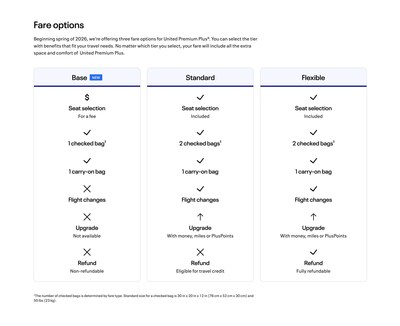
Premium economy fares: The cheapest fares will come with a fee for seat selection, no changes, and no upgrades to business class.
Business class fares:: The cheapest fares will come with a fee for seat selection, no changes, and no access to Polaris lounges (access will still be provided to United Clubs).
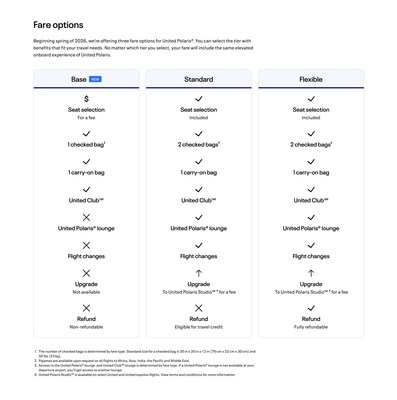
This is being framed as new ‘fare families’ but all that’s really new is the introduction of ‘basic premium economy’ and ‘basic business class’ to match basic economy. The other fares aren’t really changing or being made better, which is surprising (I’d have expected at least some more miles to tell the story of ‘good, better, best’ between the fare types).
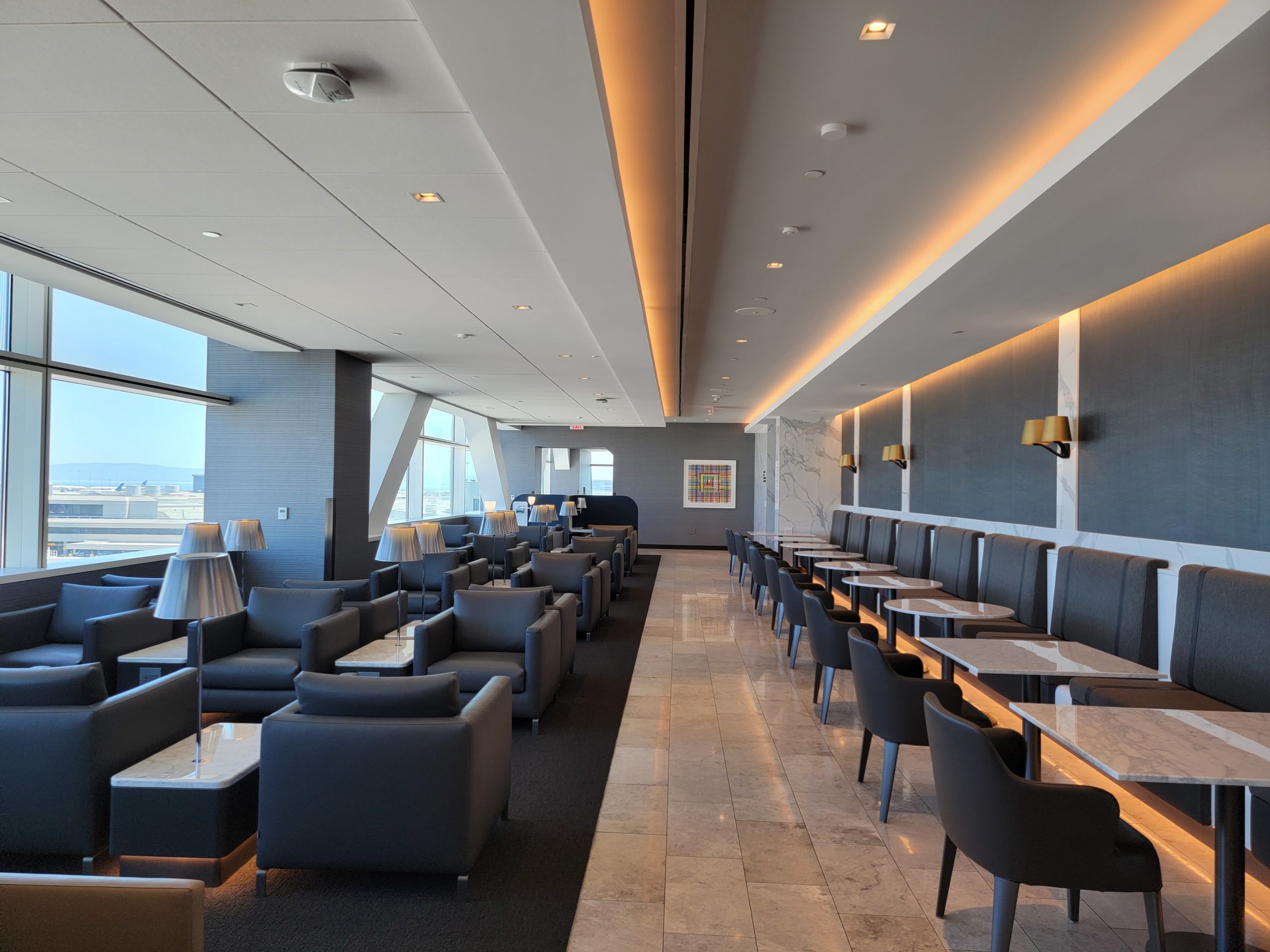
United Polaris Lounge San Francisco
United’s Basic Business Could Have Been Worse
They haven’t eliminated miles or elite status credit, or restricted access to business class check-in, priority boarding, or premium security. They still included a checked bag with these business class fares. In other words, they didn’t go ‘all the way’ like they did with basic economy. United, which doesn’t let passengers bring on an actuall carry-on bag, has the most draconian basic economy fare of the major airlines.
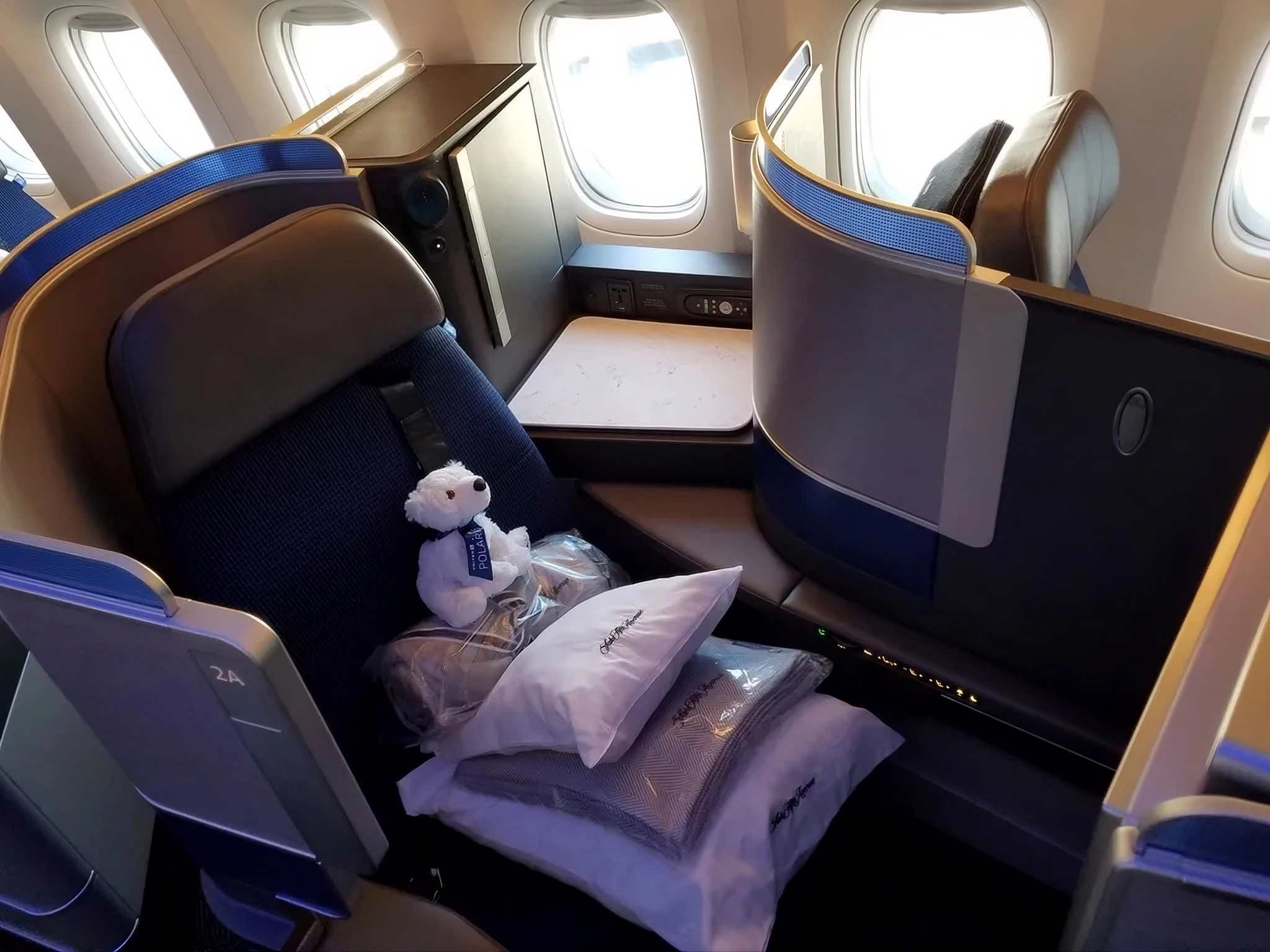
United Polaris Business Class
This Won’t Mean New Lower Fares
Whenever you see fares like this reported, you’ll read headlines about business class getting cheaper. That’s not what to expect. These are new attributes (restrictions) for the lowest fares, not new lower fares.
If fares fall, that’s not because of basic business class – it’s either because
- airlines have been adding premium seats to planes – United’s new 787-9 has 64 business class seats – increasing supply
- demand is declining, which you expect if the economy shrinks (high oil prices may trigger)
What it might change is when United is willing to offer its lowest business class fares. They might be willing to offer them closer to departure, figuring that doing so won’t trade off with last minute sales to full fare passengers.
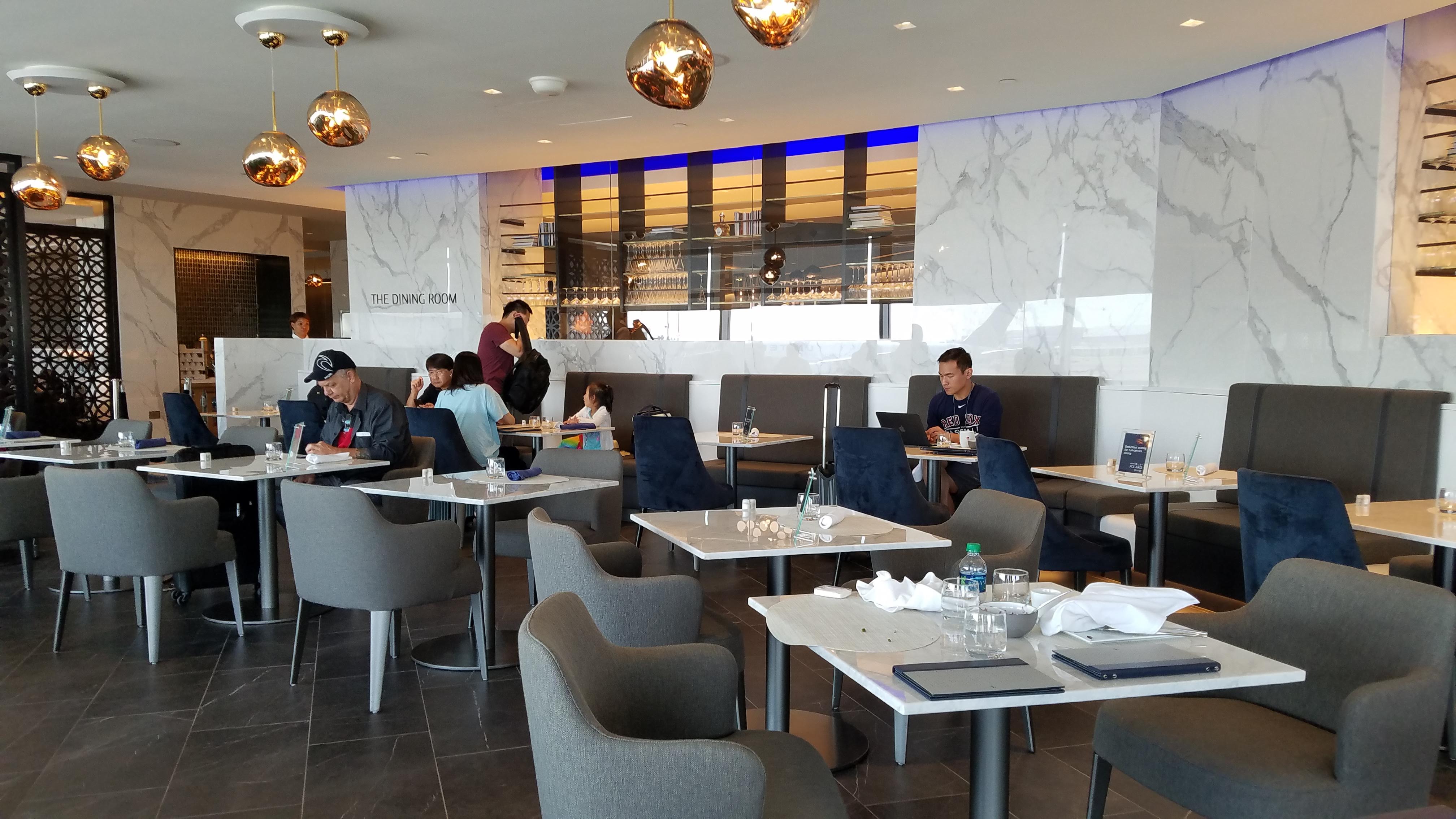
United Polaris Lounge Newark
What United Is Trying To Accomplish
United needs to discount business class to fill seats, but they don’t want to discount it for passengers who would pay more. This is about customer segmentation.
We’ve seen airlines offering different prices for business class for many years. For instance, a decade ago the primary method might have been 50- or 90-day advance purchase ‘Z fares’ with big change fees. You wouldn’t have business travelers making their long haul business class travel plans that far in advance so it was a good way of differentiating leisure passengers (maybe flying to take a cruise) from business fares.
But this didn’t work as well as airlines would like. They want to wait until late in the game to decide how many seats to discount. They might know they’ll need to do some discounting, and offer limited availability of these Z fares, but when the seats haven’t sold at the last minute is when they actually want to sell them cheap. Plus many leisure travelers now are increasingly last minute bookers.
So they need a way to say, here are the price-sensitive customers who will buy a business class fare at the lowest price, and these are the customers who will pay what we ask – and avoid offering those customers the cheaper fare. And they don’t want to face the choice of do we let the seats go empty to maintain high fares, or do we let people pay less than they’re willing to in order to offer low fares and fill seats?
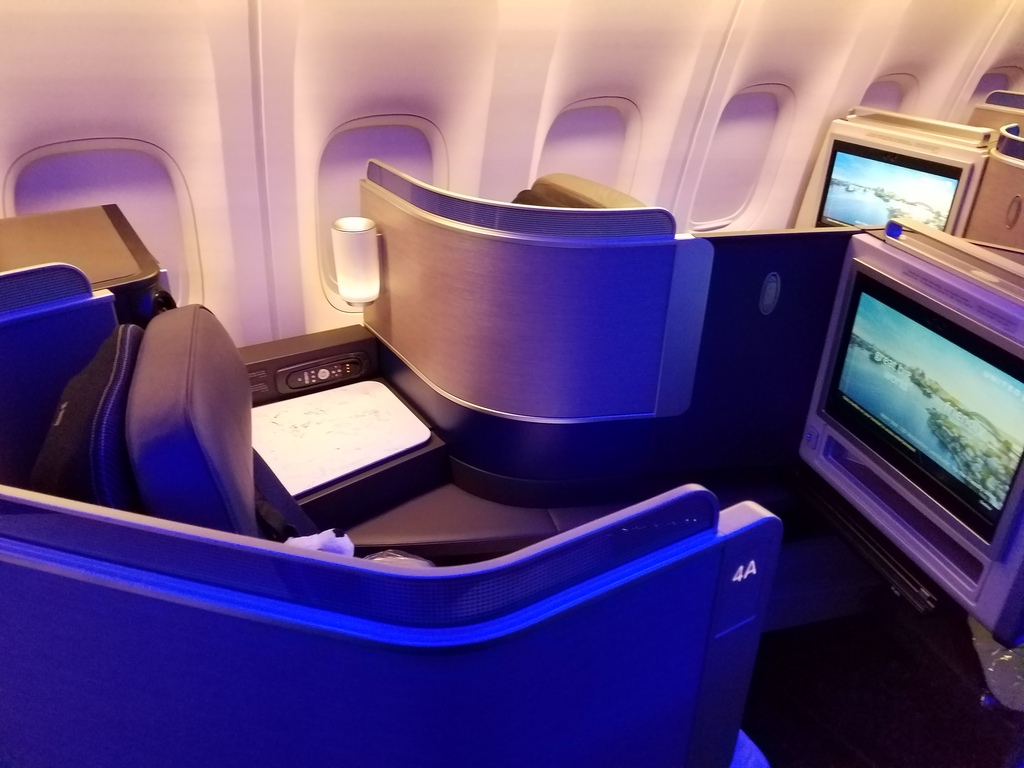
United Polaris Business Class
Basic Business Doesn’t Work As Well As Basic Economy
Basic economy was a tool to make the cheapest product worse in order to compete with low cost carriers. The major airlines had to price match Spirit and Frontier, or else they’d lose passengers. But when they offered Spirit-level fares, people who would have paid higher prices just paid less. So matching those fares was costing them a lot of revenue.
Delta, and then American and then United (followed eventually by others like JetBlue and Alaska) introduced basic economy fares that were much more restrictive. They might not earn miles, get full status benefits, allow seat assignments at time of booking or – in United’s case – even allow a customer to bring a carry-on onto the plane.
That way when they price-matched Frontier and Spirit, they offered a similar product to Spirit and Frontier – one that their traditional customers did not buy. They could offer low fares to avoid losing passengers, without their existing customers paying less.
But there’s no real analog for business class.
- Spirit has its ‘Big Front Seat’ that they now call first class, not in a separate cabin and with no lounges or hot meals (and it’s still Spirit) and Frontier is promising first class, but there’s really very little that’s similar for long haul international business class that basic businessis competing with.
- Zipair out of Tokyo sells business class as ‘just the seat’ with add-ons, and a few international full service airlines have started selling basic business for about 10% less (like Finnair, Qatar and Emirates). But true ultra-low cost carrier long haul business isn’t a competitive threat.
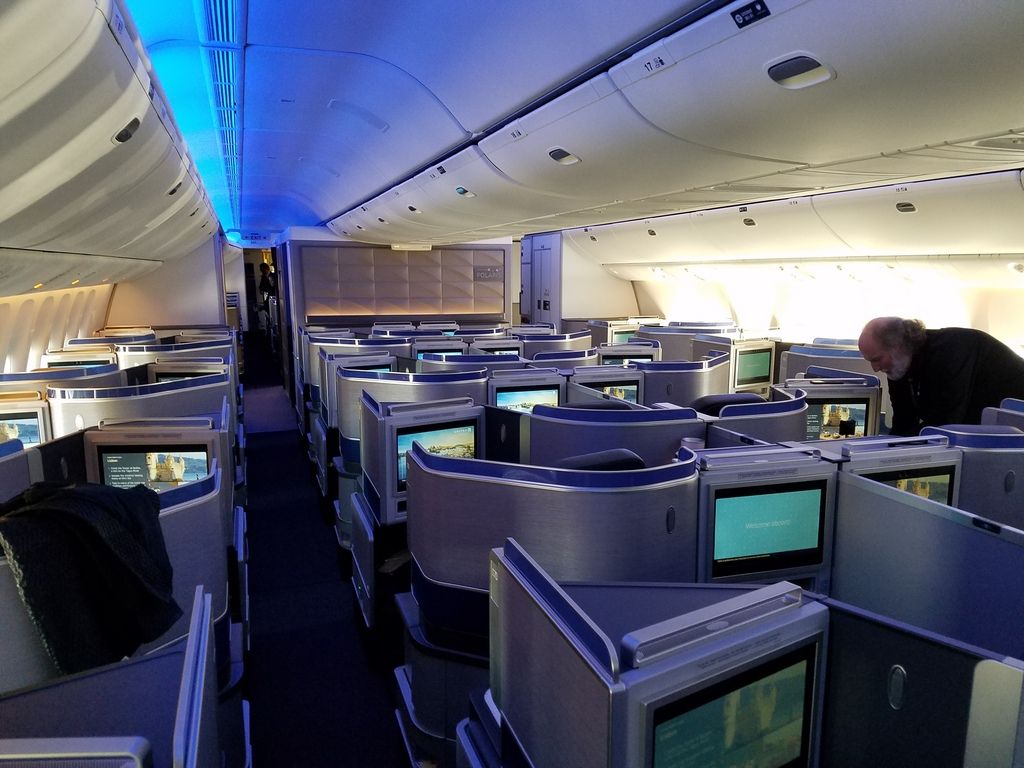
United Polaris Business Class
This is just about trying to fill the plane with leisure passengers at the last minute without offering lower fares to business travelers, but not significant discounting like a price match to Spirit entails.
So there’s a case for it, and a real cost to doing it, but it’s not going to be as significant for the airline’s business as basic economy was – unless airlines wind up with tons of excess business class inventory because they’ve misjudged the market and added far too many seats for demand.
The restrictions won’t actually help that much, too, because they may not come with with significantly lower pricing. And when people value the seat most of all they just aren’t giving up very much by choosing the ‘basic’ option.
- Non-refundable is not as big a deal on a last minute purchase
- You can give up lounge access and just show up close to departure, not 3 hours early and spend time in the lounge. Polaris lounges aren’t really worth paying much extra for.
- You might get a middle seat in business class, but often that’s all that’s left at the last minute anyway. And you can pay for that seat assignment, too, buying the services you want a la carte.
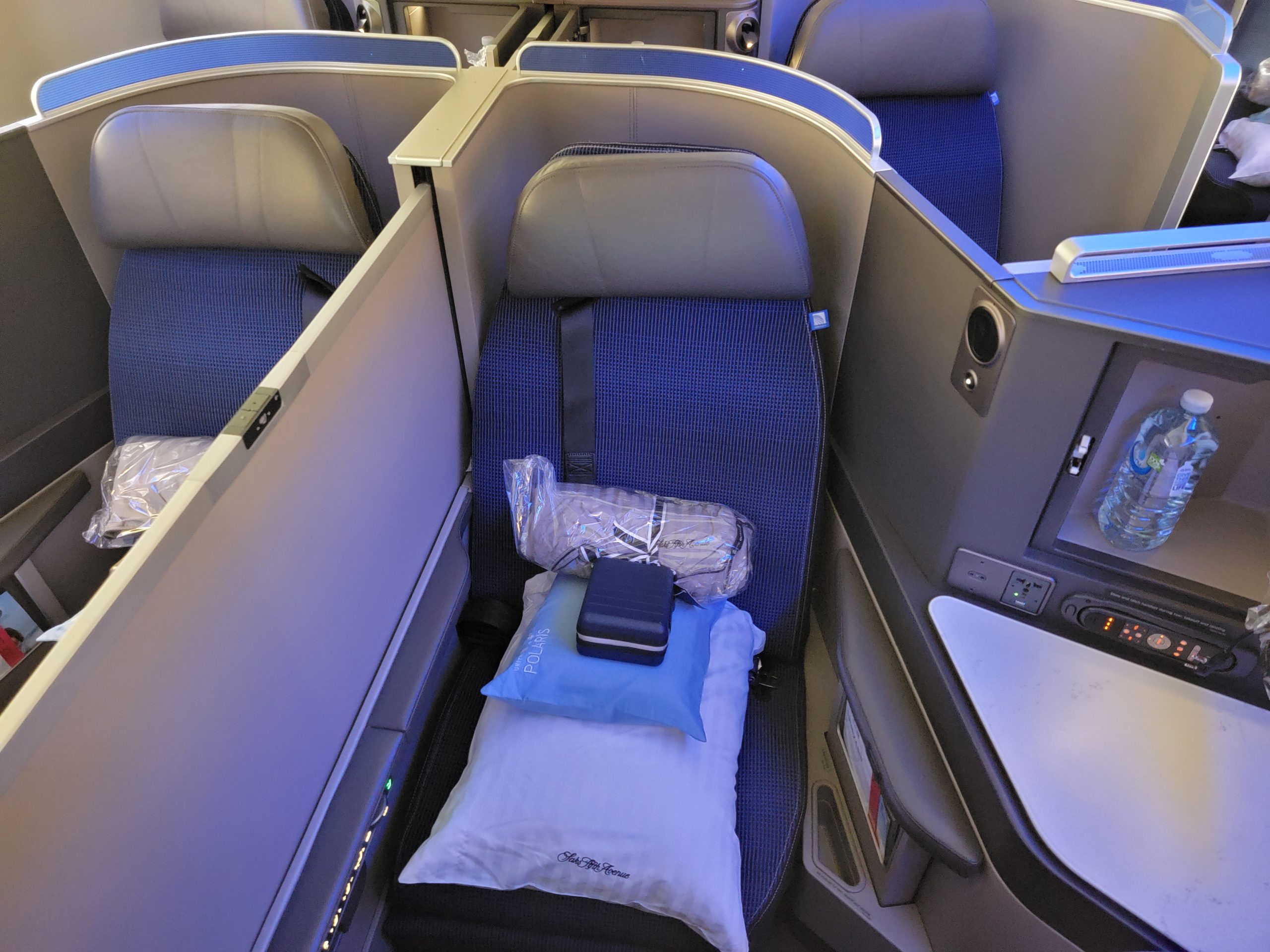
United Polaris Business Class
If the price of basic business isn’t significantly lower, it’s not really segmenting customers. And if the price of basic business is low enough, even many companies are going to be willing to say just buy basic business. The employee gets to fly business, they’ll deal with not also having paid access to the better lounge.
This Gives Delta and American and Advantage
At the same price, American Airlines and Delta (and JetBlue, Alaska, etc.) represent a better value than United. Their fares do not currently come with the same restrictions.
Delta has said they’re going to do this also, but hasn’t said what restrictions will come with their basic business fares. However, if they see share shift away from United in markets where they compete such as New York and Los Angeles, Delta could reconsider. If they’re winning business because customers prefer the better value of Delta’s business class, they’d be foolish to change.
More likely than not, though, Delta goes through with its planned changes. They, too, want to fill empty business class seats without cannibalizing the higher fares customers pay. And customers may not differentiate between the better and lesser values – at least initially.
People do tend to be shown schedule and price and may not understand the nuance of fare rule differences. British Airways started charging most customers extra for business class seat selection in 2009, and passengers are still surprised by the fee after they’ve purchased their tickets.
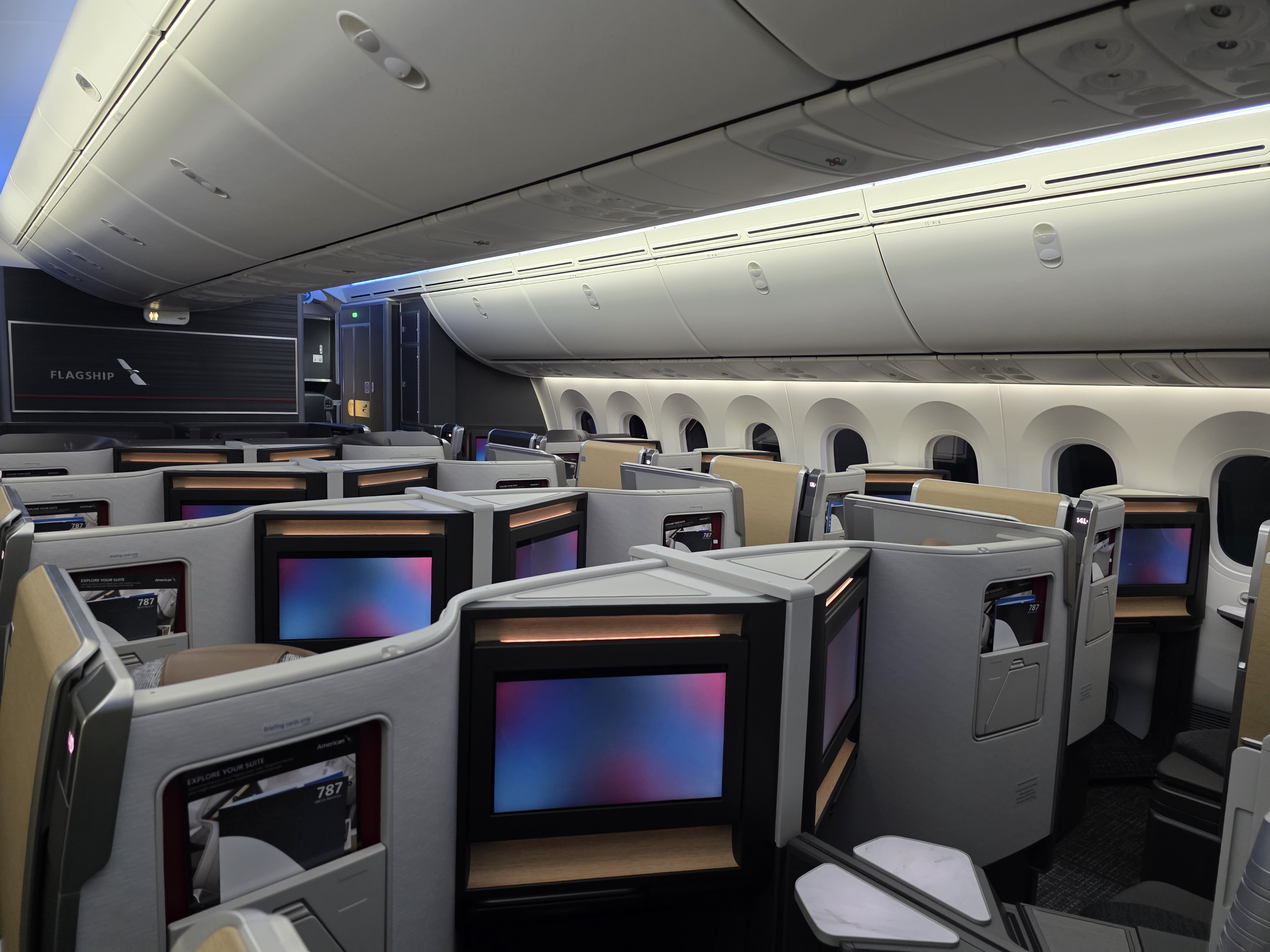
American Airlines Business Class
However smart consumers should make sure they understand the difference in fare rules – and when prices are the same consider booking away from United Airlines basic business, at least as long as other airlines aren’t imposing the same restrictions. After all, United’s business class seat isn’t better than Delta’s except on Delta 767s. And it isn’t better than American’s on any widebody aircraft. American’s food is even better! Delta’s business class lounges are better than United’s!



One more reason to avoid US airlines at all costs if possible. Can’t hate these guys enough.
Will saver-level awards (whatever that means these days) book into a business basic now?
I’m skeptical that this is a good strategy, but I’d be the first to admit that consumer behavior is difficult to predict. Humans do seem to like to buy luxury goods, even though they make little practical sense: you pay a lot more for a modestly improved (but presumably) “exclusive” product. Premium cabin seats are definitely luxury goods.I’m not sure it’s wise to sell luxury goods by nickel and diming your customers. I think the human brain prefers one price for such goods, even if it’s an inflated price. It just makes the emotional purchasing decision “easier,” even if it’s objectively a bad deal. Also worth noting is that most travellers will be — for good reason — reluctant to buy expensive airline tickets that are non-changeable. I guess UA will be doing an experiment on this.
@Thing 1, I go out of my way to avoid US carriers on international long haul flights, and opt for their partners instead, wherever possible. Service on US carriers is never really good nor is it elevated. It is all just appearances. Yes, you can get a nice crew here and there, but it is never a memorable experience. That said, the industry globally is headed in this direction of upsells and further segmentation and is staring down its deepest crisis since the pandemic. When the industry parks planes, cuts flights and staff, a lot of this frottage with the merely wealthy, who appear willing to pay more for seat selection, premium economy, etc…will evaporate.
It seems like an odd choice. The lounge unbundling might make sense combined with a refresh of the Polaris lounges, because right now there isn’t a big differentiator between them and the refreshed Clubs.
I was in the SFO Polaris Lounge twice last month. While it’s never been the flagship, and at least it is enormous, it was a shadow of when it opened. The Dining Room remains very small, and the buffet options are limited and not very different from United Clubs.
The big advantages are a decent wine program (but not what it once was), and the showers (which require being on a domestic connection on arrival to really take advantage of). What’s that worth, maybe $50 over a United Club?
I suspect that this will dramatically reduce the number of available upgrade seats for the elites.
I can totally survive losing access to the lounge if the price difference is great enough. Let’s see the pricing.
Looks like the United Internet Defense Force isnt getting holdiay pay today. Rebel nowhere to be seen.
“uNiTeD rIsInG” (their prices)
Why wouldn’t a bidding system for unsold seats be more profitable than this?
Polaris all have aisle access. No reason to restrict seat selection. Whoever came up with this idea just made them looking stupid.
The ‘Could Have Been Worse’ phrase should be banned from every nerfing article.
The fact is this is yet another not so subtle way for airlines to start making you pay more to get the same benefits you did before. Its yet another money grab.
And its not the end. Just wait for the next round of MBA’s to get motivated to hit their bonus metrics. Will result in even more nerfing. And they can get away with it because there is hardly much competition left.
As I’m sure most of you know, many international airlines have implemented similar such “classes” of business class tickets. BA, for one, wants to charge me every time I book a J ticket (I’m traveling alone, can take any seat with no problem and never give them the additional money). The US airlines are just playing catch up.
BTW, Gary you state this gives DL and AA an advantage but DL has already announced they plan similar restrictions and you know AA will immediately follow suit if they see a revenue opportunity.
Accept what you can’t change – this is the way all airlines will be going for their lowest cost J fares.
Some of us only buy biz class to avoid having to sit on the back with the subhumans and not Instagram photoshoot in the lounge.
“They haven’t eliminated miles or elite status credit, or restricted access to business class check-in, priority boarding, or premium security. They still included a checked bag with these business class fares.”
Yet! They are good at slow rolling this, taking their time. Make no mistake, they will unbundle as much as they can next year an onward.
BTW I called the 1K desk today. Very pleasant lady. Very helpful. At the end she thanked me for my loyalty and 1 million miler status. Then she says I see you don’t have a United credit card and proceeded to give me the sales pitch. I politely stopped her, and told her I had one but cut it up last month because of the hardline UA took with me on a Plus Points issue. Cutting my nose off to spite my face? Maybe. But I’ve had enough. I’m getting off the hamster wheel.
“This Won’t Mean New Lower Fares”
Yup, we will pay more for the same thing, or pay the same and get less (no lounge, etc.) These changes are one thing when for Basic economy fares; but for Business Class, it is insulting.
Also, United, c’mon, time for a new safety video, too. No more “blue balls,” please.