
United Airlines invests a shockingly lot in its business class wine program. That was a change about a year ago, and their onboard wines are much nicer than what Delta and American service – and frankly even nicer than Air France and other European competitors, too.

Here’s a current transatlantic wine list.
Most flyers find this to be unusually strong for a plane in business class, and it’s certainly better than what United used to sreve and what competitors offer.
Folks generally enjoy the Catena Zapata “Argentino” Malbec. The Domaine Serene gets real respect, and for what it’s worth United previously poured Domaine Serene Pinot as well. The only downside is that it’s tough to pair nicer wines with United’s mediocre onboard food.
I don’t why they allow the Whispering Angel Rosé into this grouping, it brings everything down by association, even the Aperture which is certainly a prestige bottle even if it wouldn’t be my top pick.
Of course, customers will be disappointed when the onboard catering doesn’t match the menu. That’s true of every airline. A reader shared on Friday that her Los Angeles – New York JFK flight in American’s Flagship First advertised Boizel Brut Reserve Champagne, a very respectable bottle, but what was catered was actually Paul Chennau Cava (which I see on sale online for under $4 at the moment).
Flight attendants also aren’t going to be knowledgeable about what they’re serving. There was a time airlines invested in wine education for crew but that’s not something any U.S. carriers are really currently doing that I’m aware of.
One thing I do miss is United’s Polaris “wine flights” when the new business class soft product launched nearly a decade ago. That led to too much consumption and going way over budget. It invited indulgence! You can still sample if you wish, but there were custom glasses for the presentation and it was something you were invited to do.
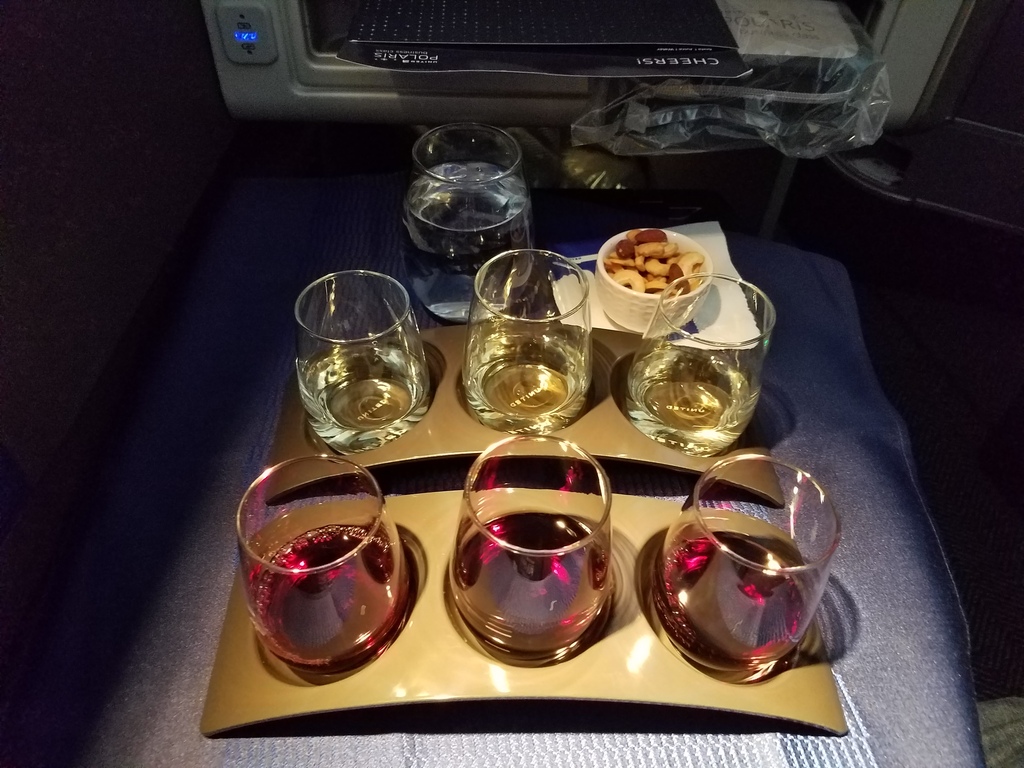
Overall the United wine list is deliberate and conservative, leaning into recognizable brands, technically correct wines, presenting minimal risk. It’s designed to work at altitude and be recognizable as an investment – safe, premium-adjacent producers (Laurent-Perrier, Domaine Serene, Trimbach, Catena Zapata) with styles that skew ripe, polished, and smooth.
There is nothing bad here but I’m also not sure I’d characterize anything as an ‘interesting bottle’ either. Still, that that’s the margin of criticism is incredibly impressive for the evolution of what United is doing.
If I were presented with this list, here’s how I’d think about the choices:
- Trimbach “Réserve Personnelle” Pinot Gris. Not by any means the most expensive, but the best choice on the list. Dry, structured, with enough acidity to survive airplane food at altitude.
- Catena Zapata “Argentino” Malbec. Ripe fruit with density to stand up to beef short ribs or over-sauced Polaris mains.
- Domaine Serene “Evenstad Reserve” Chardonnay 2023, Polished, oak-influenced Chardonnay with good balance. Generic and unmemorable but certainly drinkable.
- Richard G. Peterson Pinot Noir. This is a safe California Pinot. Nothing memorable here either but perfectly acceptable.
- Aperture Cabernet Sauvignon 2022. This may be the priciest bottle on the list. It’s a big, plush California cab albeit tannin-soft and predictable.
- Taylor Fladgate “Late Bottled Vintage” Porto 2019. This is a classic sweet, rich port that works as a dessert wine. Not bad at all.
Right now the airlne competition is in business class champagnes among U.S. carriers. Delta and American do not currently come close to United in wines. Here’s what each are doing:
- United: Laurent-Perrier, crisp, citrusy, refreshing
- Delta: Taittinger, bright, elegant, Chardonnay-leaning
- American: Bollinger, bigger, Pinot-driven,toasty.
The funny thing here is that, though American came last among these three (and so had fewer partner choices) I actually think Bollinger Special Cuvée works best at altitude. It has more depth than the others and also works with food. It can feel a bit like a light white Burgundy with bubbles. It can taste like something at altitude, when your palate is dulled. Taittinger is the most elegant, but I think a bit too light in-flight versus on the ground.
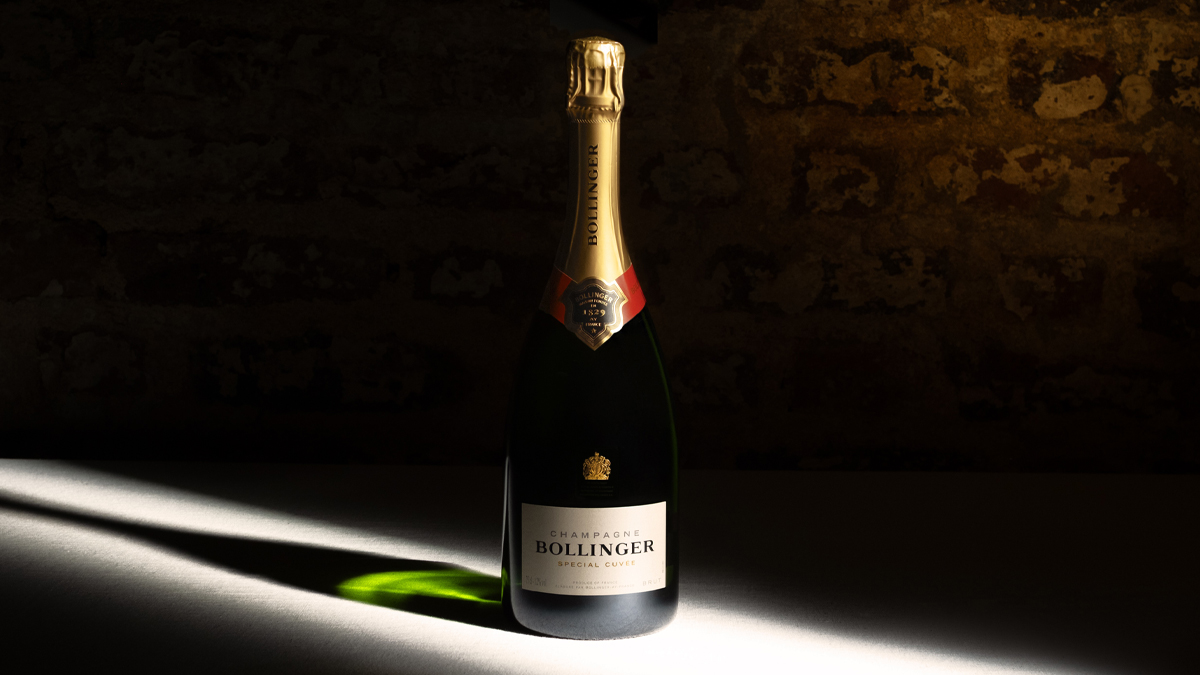
Bollinger will work with creamy sauces, chicken, and pork dishes as well as salty snacks. Laurent-Perrier is probably best with seafood-ish items, salads, and lighter starters. It would also work as a reset between courses. Taittinger isn’t going to hold up to most food at altitude.
The interesting thing, to me, is that champagne was where American needed the least work. Over the summer my Dallas – Venice flight served Nicolas Feuillatte which is fine. Bollinger is better! But the wines they serve are genuinely atrocious. They’re going to get more of a “luxury signal” with a name champagne, and Bollinger may have the strongest signal (and is often perceived as “more serious”) than the others. Taittinger is going to be ‘tastefulness and restraint’.
If forced to rank these, I’d say:
- Bollinger (most robust, works best in the air)
- Laurent-Perrier (cleanest, most consistently pleasant)
- Taittinger (best finesse, but a bit underwhelming at altitude)
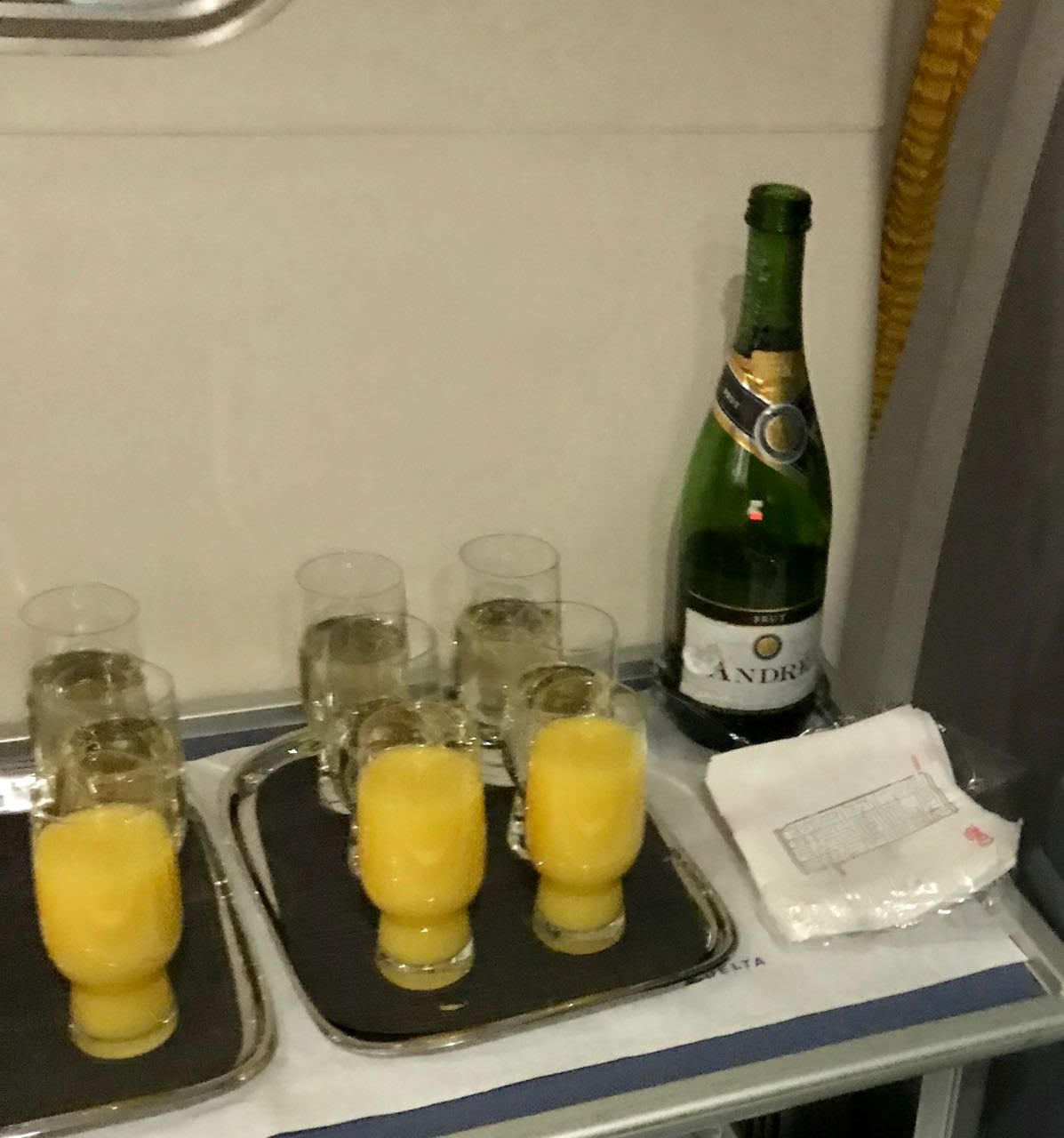
I’m curious to hear your impressions of the wine and champagne competition across U.S. carriers, how they compare globally, and whether you think my picks are off. That’s part of the fun in this is that so much is subjective taste. Regardless, we’re a long way from the days of Delta serving $4 Andre is business class!
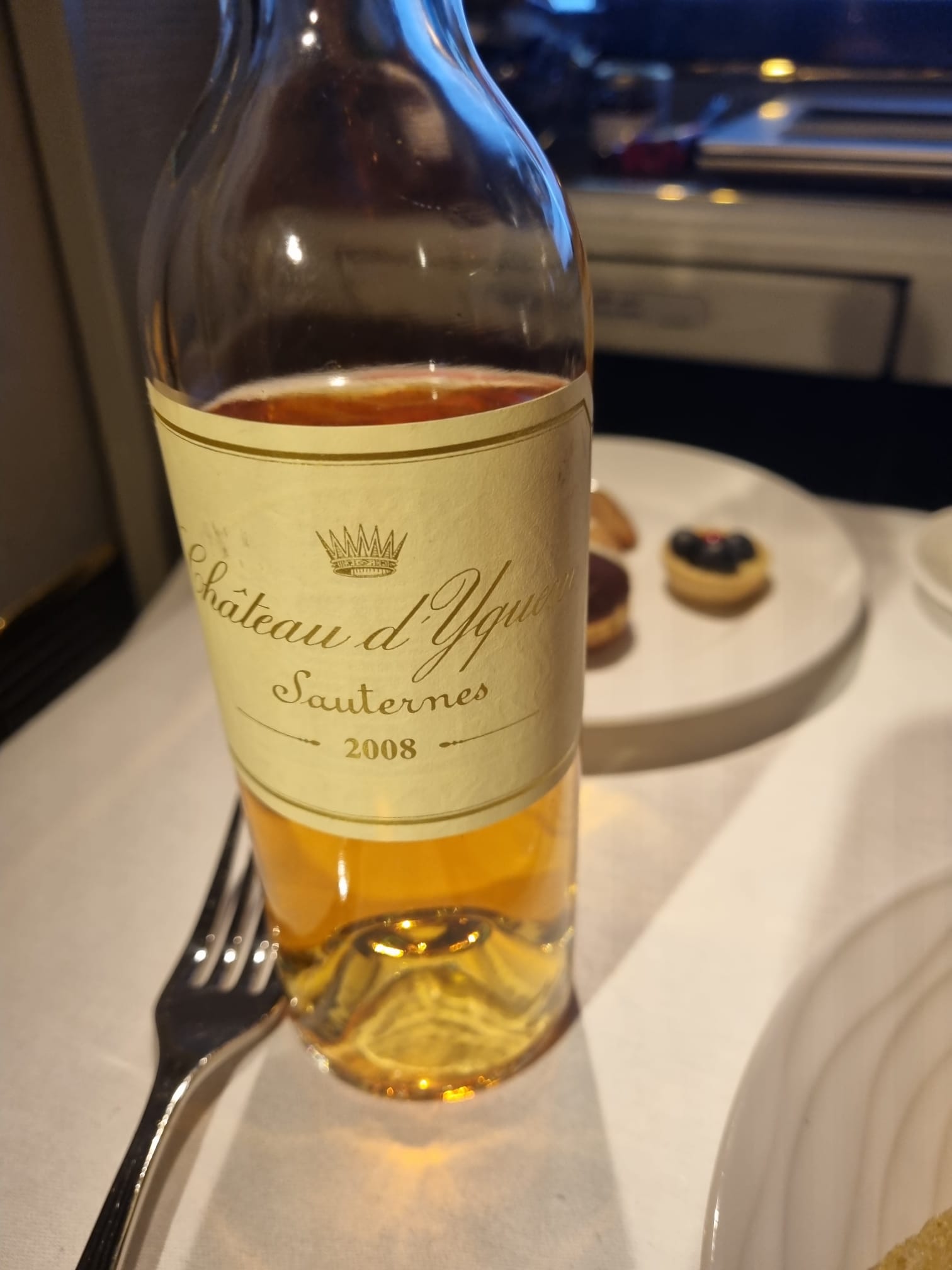
No U.S. airline is going to compete with the sheer wine investment Emirates makes in its most premium cabin (“why yes, please do leave that bottle of Yquem at my seat, thank you!”) or the thoughtful choices that follow Singapore Airlines having a pressurized tasting room on the ground to simulate the effects at altitude (or offering a choice of three premium champagnes from selections like NV Krug Grande Cuvée; Taittinger Comtes de Champagne; Louis Roederer Cristal; Charles Heidsieck Blanc des Millénaires and Bollinger La Grande Année).
Still, the U.S. carriers are moving decidedly up-market at they chase an increasingly premium business. And wine and champagne can both deliver a premium experience and signal one as well.



Catena Zapata and Whispering Angel are both mass market wines. Decent, yes, maybe, but elevated? Not really.
Until they bring out Dom Pérignon and caviar, like EK First, they’re all (DL, UA, AA, etc.) a bunch of jokers. Never gonna happen.
I dont understand why some care about the price. I was once in a wine shop and wanted to buy opus one. The seller said there are much better wines out there that are cheaper. He could have easily sold me the bottle, but he was honest.
I would rather AA spend money and time improving on operations and operational recovery. Instead of some wine that’s a couple more bucks a bottle than the current swill being served. Want good food and drink go to a good restaurant.
@George Romey has it right on this.
Why can’t they just put simple decent food on the plane and run a great value program with a well run operation?
Who needs drunks on board and alcohol? It’s not a bar or nightclub
Sigh
@Lavanderiallarry:
Well, wine tasting/buying can be very subjective. But I am not familiar with the specific bottle UA has chosen for its catering. I can, however, assure Gary and his readers that the the brand is not only a very good one, but their malbec high end labels, as well as their chardonays(especially their Adrianna label are WORLD CLASS.
As a matter of fact, my wife and I have been invited to Mendoza in April to experience their major labels. FYI, those labels are in the plus $200 level.
@Todd: That’s why many of us participate in blind wine tasting.
I remember the 1980’s blind Bordeaux tasting between the very “top” from France and a few from from Washington and California. The little known from the U. S. wiped out the French.
And when you are discussing wines served on planes, the air pressure makes huge changes. Good ones can fall flat while “other brands” can soar.
@1990: While enjoy some caviar, it is not a life changing event, like schmear chopped chicken liver on a slice of toasted rye bread.
It doesn’t matter what they advertise if they don’t cater it. And you really have no idea what they pour in the galley either.
@AlanZ – whomever teams up with Russ & Daughters first is a winner in my book! Can have the chopped liver, the caviar, the bagels, the smoked fish… it would sure be appetizing!
@AlanZ
The Judgement of Paris is somewhat overrated. While Napa cabs did deserve more respect, they are also made (at the time) at a much higher ABV and also were ‘fruit bombs’ – both factors lead to good scores in short, blind tastings but are not necessarily features you want for pairing with foods.
I assume the size of the UA network (number of stations / size of international ops) means that they need to cater wines that are relatively mass market. So given these constraints it is a fairly impressive wine list.
Until the US3 have their cabin crews go through inflight service training at the level of SQ and other Asian carriers it’s all a bad joke. It begins with the person serving the item. Service at the level of the original Pan Am and TWA from a USA airline is long dead & gone.
Apparently, on some blogs, wine is far more important than safety. Ask the families of those killed at DCA if they care about the wine that was served being on board.
@DesertGhost – complaining that I of all people somehow give short-shrift to that tragic flight is pathetic. DCA was my home airport for years. I lived right near there, and I still have an office nearby. It remains my most frequent destination. Just read the coverage I’ve given it, and continue to give it. E.g.
https://viewfromthewing.com/ntsb-issues-chilling-preliminary-report-years-of-helicopter-near-misses-before-american-airlines-5342-tragedy/
https://viewfromthewing.com/american-airlines-still-talks-to-flight-5342-families-every-day-what-i-heard-broke-me/
https://viewfromthewing.com/ntsb-chair-puts-congress-on-blast-helicopter-safety-law-lets-risky-military-training-flights-resume-near-reagan-national-airport/
@DesertGhost — Nice red herring and whataboutism, you got goin’ on there.
@DesertGhost.
Dude, way, way, way out of line comment towards Gary.
Especially today on the 37th anniversary date of Pan Am Clipper #103 over Lockerbie, Scotland. A former Los Angeles PAA colleague of mine was laying a wreath on the memorial today.
Your comment was hurtful & uncalled for. You will NEVER know the amount of pain & suffering the DCA families have gone through and will experience in their lifetime.
The pain never, ever leaves you.
I wasn’t impressed by the Polaris wine selections at all last August. I thought they were both subpar.
American’s selections, generally speaking, are better in my experience (Flagship Business is how I fly overseas 90% of the time).
American just has a better J product IMHO. Better food, better wine, better seats (as long as it is Super Diamond and not Concept D), and lounges that are just as good (PHL Flagship and JFK Greenwich are just as good as IAD Polaris).
Had Taittinger in D1 recently- Your assessment is correct. It was a bit thin at altitude but an otherwise good pour on the ground. I agree that LP and Bollie hold up the best at altitude. However, Charles Heidsieck on SQ bests them in J imo.
I don’t drink this frill is waste of time for myself.
Don’t knock Whispering Angel, they have it onboard for people like myself who love a good overrate rosé. I order a glass on almost every flight, and drink it at home all summer long
Now if UA could just do something about their horrible catering it would be great!
Mechanic’s at United don’t have a contract.
Did you see the front tire fly off the United plane landing in Orlando Jan 19,2025?
Just saying…. Don’t scare us by playing Hard Ball with YOUR MECHANICS.
I don’t care about the wine list. I want to get from A to B as safely as possible. I want to know I have well paid Mechanic’s….Pilots & inflight crew. The rest is happy fluff. I’m not going to enjoy my wine if I’m worried about safety.