
A bunch of hotels participated in a UN event around the International Day of Zero Waste and launched ‘Recipe of Change’ to measure food waste, set reduction targets, and report annual progress. Hilton was doing a lot of dumping on breakfast buffets. But what’s really behind this is interesting.
- There’s been a multi-year push to bring hotel food into climate focus alongside energy and water. According to the World Sustainable Hospitality Alliance, hotels account for 1% of foodproduction emissions and 3% of food waste. This was a focus of the ‘Food Waste Breakthrough’ at the COP30 climate summit which the U.S. boycotted.
- Participating hotels signed onto: smaller portions, more live cooking, more frequent replenishment, and more measurement of waste.

Hilton ran Green Ramadan’ across 45 hotels in 14 countries and they say it cut waste on guest plates by 26% last year by using smaller portions and replacing buffets with menu service. Their Green Breakfast pilot across 13 UAE hotels cut food waste by 62%. Buffets are a big focus here.
- They signal abundance. Too much food is displayed on purpose, knowing it won’t all be eaten.
- People also take more than they’ll ever eat.
- Hilton has deployed AI-powered food waste prevention tool Winnow in nearly 200 hotels.
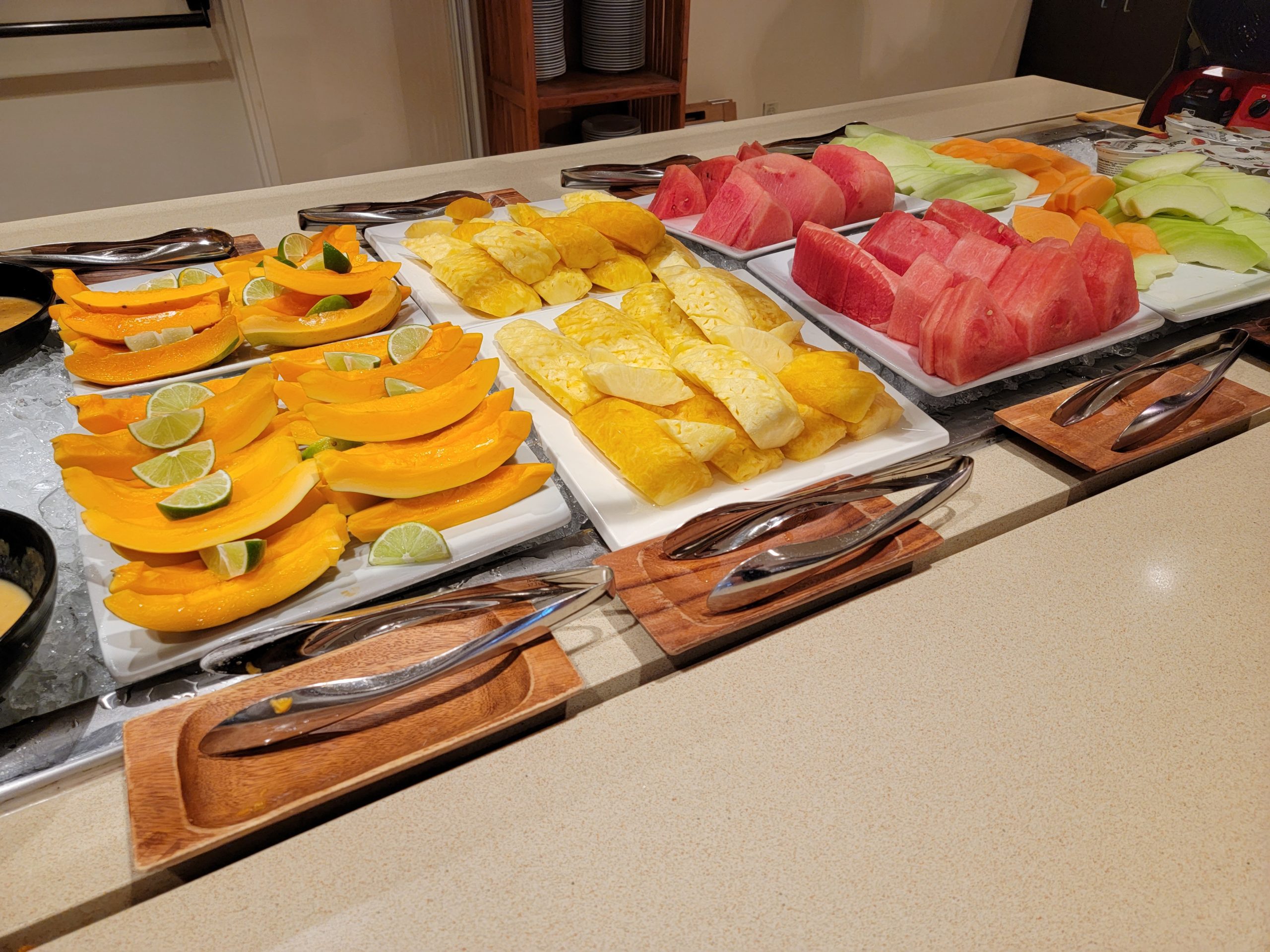
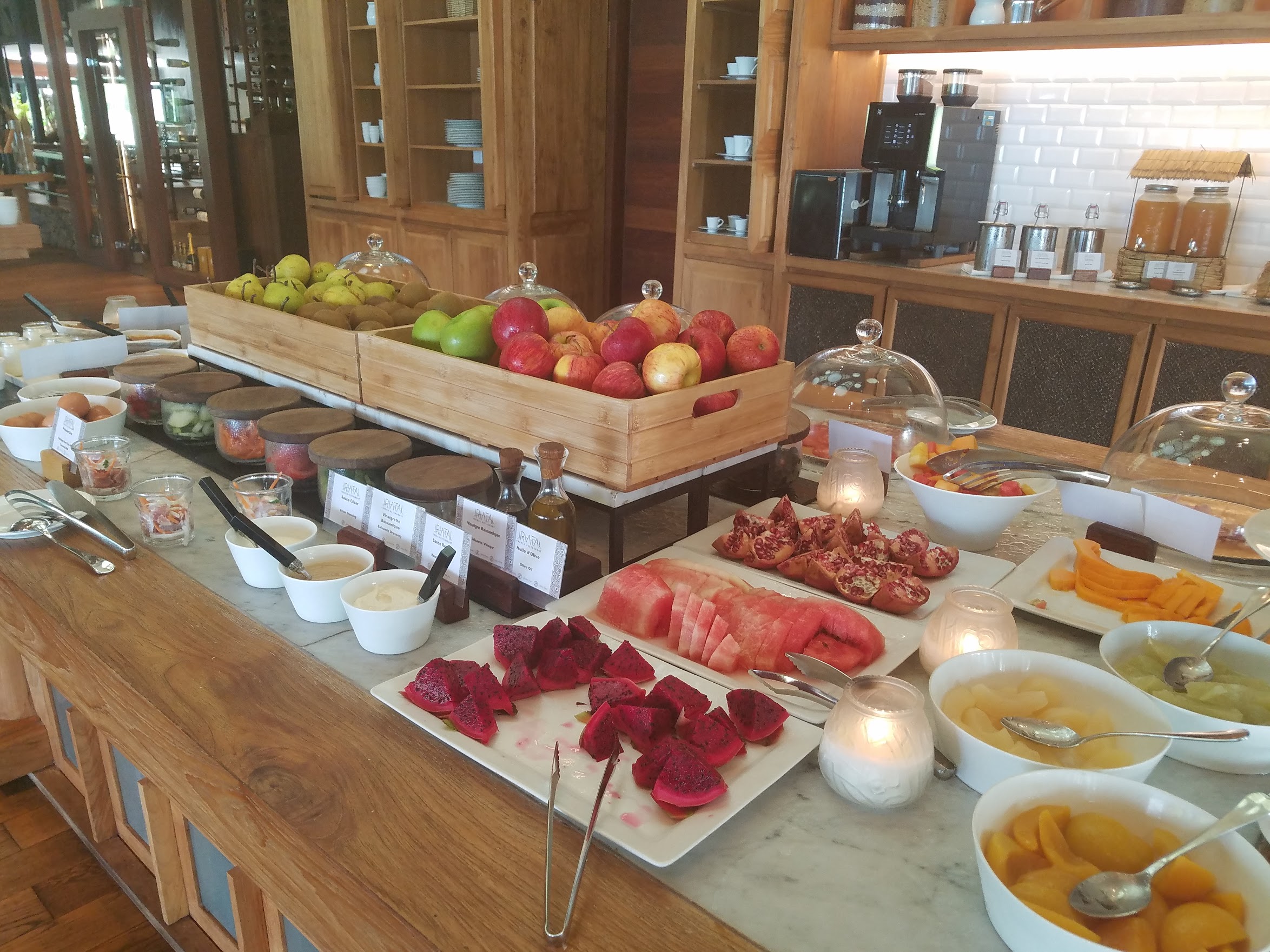
Hotels like the lower labor cost of buffets, and serving customers faster which turns tables and lets them run more people through a restaurant. And labor is ~ 60% of hotel F&B expense. That’s why buffets have been popular, and grab and go has replaced service. In fact, IHG’s Holiday Inn moved to buffet-only breakfast in December.
But buffets also,
- mean expensive food waste
- look gnarly if not properly maintained (labor)

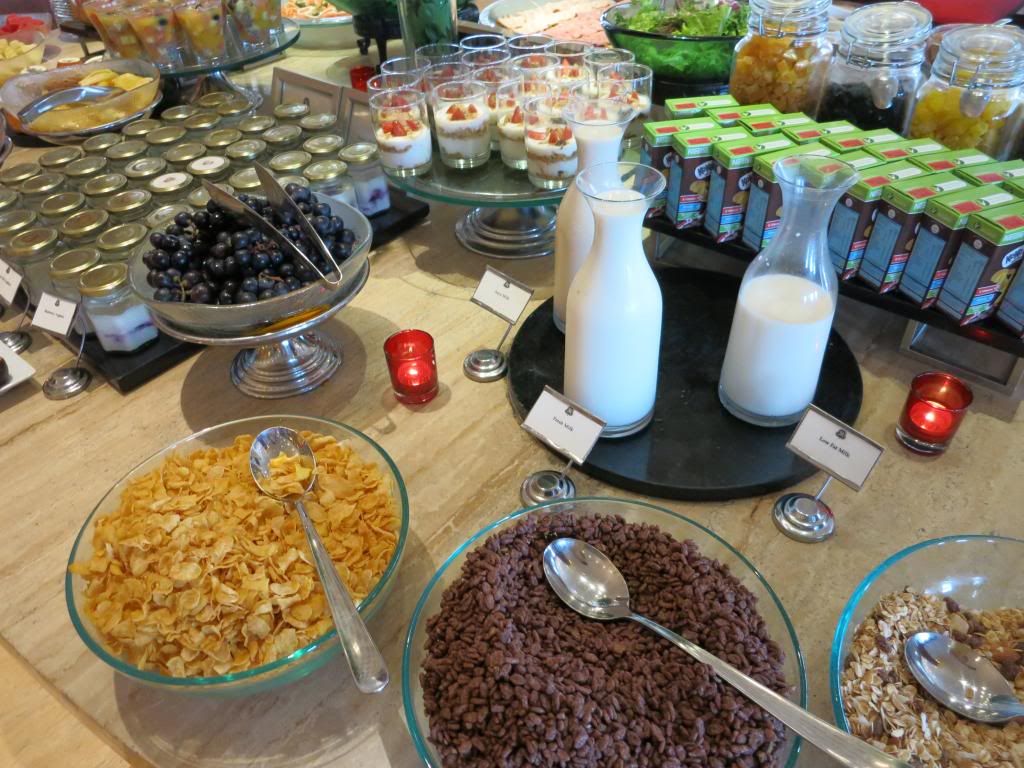
And many hotels think they can cut buffet costs by trimming what they offer, which reduces food expense and waste because guests take less. And they can do it under the rubric of people choosing to be more efficient (more on the go, less lingering) and healthier (so they can drop fatty meats). And some segments may drop buffets entirely, but likely replacing them with quick service grab ‘n go rather than returning to staff-driven menus.
- cheap buffets get cut back or go away
- luxury buffets remain, but get optimized by AI
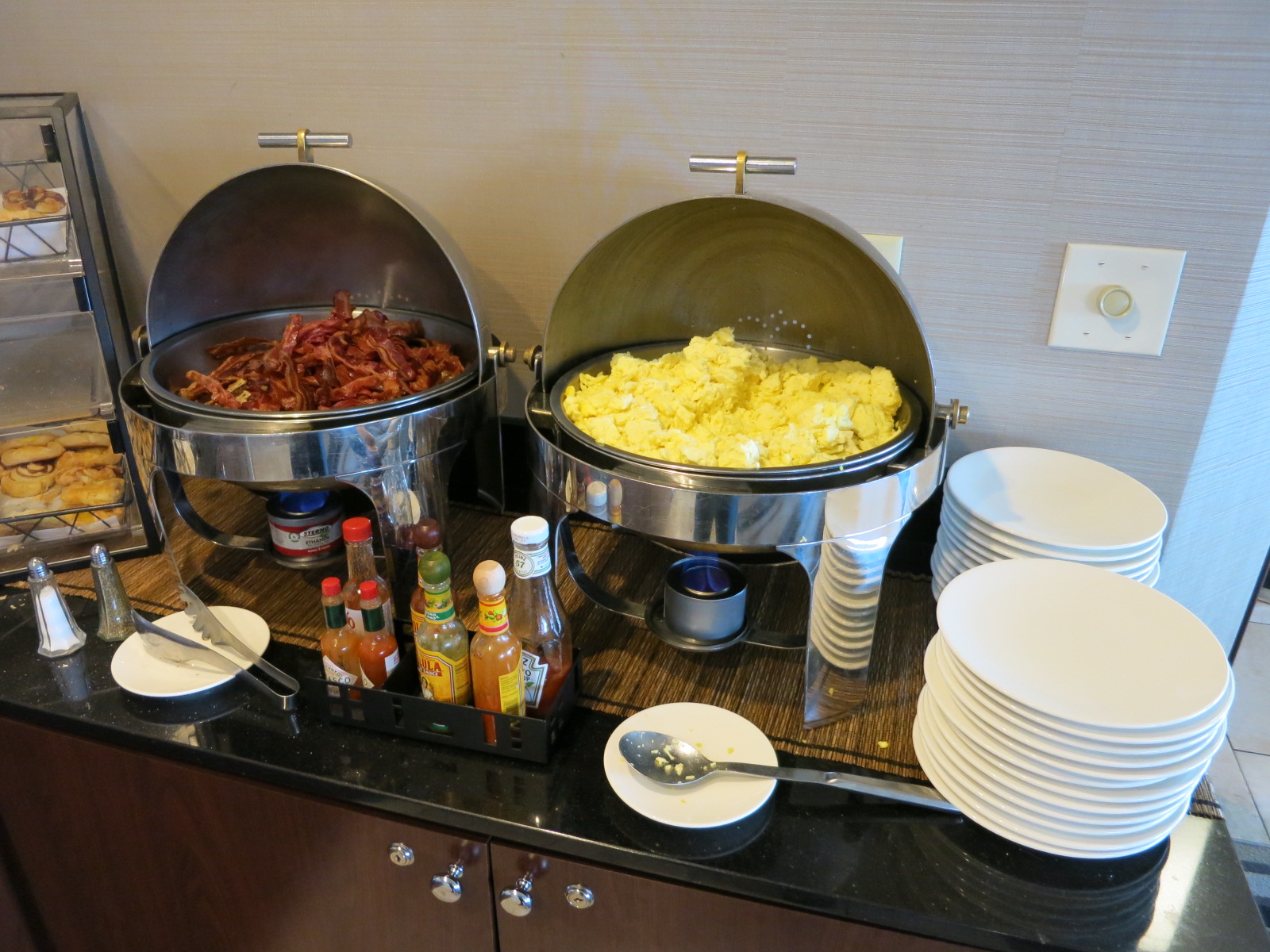
Hilton benefits from this effort both through direct savings on food and because virtue-signaling helps companies meet their ESG goals with the meetings they hold – while this may be somewhat out of fashion in the U.S., Hilton is a global company.
Expect to see smaller plates at buffets, too. I wrote about American Airlines using too-small plates in its Admirals Clubs so that passengers would take less food, but the plates were too small for what they were serving and just leaving a mess on the floor.
This gets pitched to owners as margin improvement, to ‘the groups’ as ESG progress, and to guests as better experience in much the way they tell you not changing out your towels, taking housekeeping, refreshing bed linens or flushing toilets is good for the environment.
Still, we’re likely to see luxury and resort properties keep buffets, select service keep breakfast bars and grab-and-go, and where the biggest shift is most likely is mid-market, full service, convention-type properties where the buffets weren’t very good to begin with (so couldn’t command a premium price).
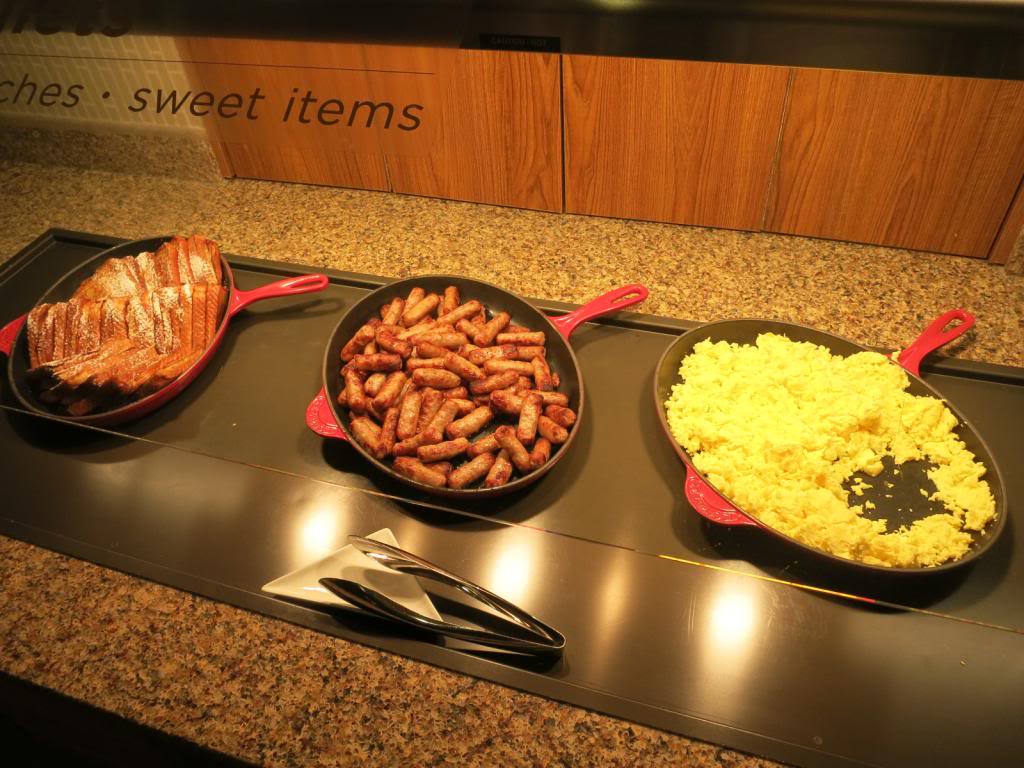
Your buffet is about to be sacrificed on the alter of ESG, and that’s ok. It’s the virtue signaling with small plates and more ‘mindful’ selections at better properties that might grate.



Hilarious ! If I’m eating in an Admiral’s Club with the small plates and my seat is a good distance away, I’ll simply take two plates. Sounds like excess packaging waste to me !
Yep, I just use more plates and cups when they are too small. So more waste and time committed to having to wash more dishes. Plus, then they run out quicker amd create more demand on the labor working. So then they quit because they have to work instead of play on their phones. Then, labor shortage pisses off the customers with the company. It just keeps spiraling downhill.
Ugh, this attempt at greenwashing is not cool, because it both harms real and necessary progress on climate mitigation efforts and also is mostly done so these entities profit off harming consumers (reducing benefits, devaluing programs, etc.)
“smaller portions, more live cooking, more frequent replenishment”
Smaller Portions = lower costs.
more live cooking = more labor.
more frequent replenishment = more labor.
In anything but a higher end hotel, most of the breakfast items are cheap. Once the publicity ends, I’m guessing we’re back to the large trays of foods, which will be cheaper for hotels anyway.
(i.e. Eggs are cheaper than labor)
It’s easy to attack the higher end Asian or Middle eastern buffet for waste…
Hotels doing this greenwashing to become more profitable at customer expense are often adding to the packaging waste problem both directly and indirectly. If these hotels cared about the environment and weren’t doing the degradation of breakfast service for money, then these hotels would provide breakfasts with little to no unprocessed food stuff and supply breakfast food that is sourced unpackaged or with less packaging waste.
Also, when the value of hotel breakfast declines, guess what hotel guests do? Grab breakfast from elsewhere that often involves more packaging waste, more disposable utensil wastes, and perhaps even more fuel consumption if driving to get breakfast.
asperand Dan G:
More frequent replenishment doesn’t necessarily equate to more labor but a difference in how labor is used.
Fewer items equals less prep time and an easier environment in which to keep items renewed and/or fresh. This is likely marginally more efficient (gains scale at more labor intensive operations) and customers may even get better quality choices.
I’m a bit more agnostic than many here. If I were purely environmentally oriented, I’d want my guests to use a towel more than once, not have a bar of soap used just once, and I would not want to throw away food. If I only cared for profit, I’d have the same goals. It’s as if I can’t tell if the bartender is being nice because she wants a tip or she wants me. I’m not worrying about her motive, just enjoying the good service.
I generally stay at places with no breakfast or, in Europe, with very overpriced breakfast. Of the 30 days/year I have free breakfast available, I grab a yogurt maybe once a year. On the rare occasions I want to eat in the morning. I’ll have a low saturated fat, low sugar protein drink. But, of course, to each their own.
All in all, though, I’d rather have travelers eat less (or at least the ones sitting next to me).
“Hotels Are Using Climate Goals…”
The only “goals” in this space are for certain groups and individuals to line their pockets by promoting and advancing this scam.
One way to reduce waste at a buffet is to serve better food.
People won’t eat what’s on their plate if it tastes like it belongs in a trough
Please define the abbreviation ‘ESG’,
Color me surprised. I thought 1990 was going to say we guests were the problem.