
We don’t often see frequent flyer programs making their miles more valuable. So it’s worth highlighting when we see it, even if it seems a bit niche for many U.S. program members: Air India has made most of its redemptions less expensive and easier to book.
- economy redemptions got much better, almost across the board
- business redemptions in some cases got better – but all North America – India business clsas awards got cheaper
- premium economy and first class awards seem to be more expensive overall
- lowest-cost awards no longer have to be booked as far in advance
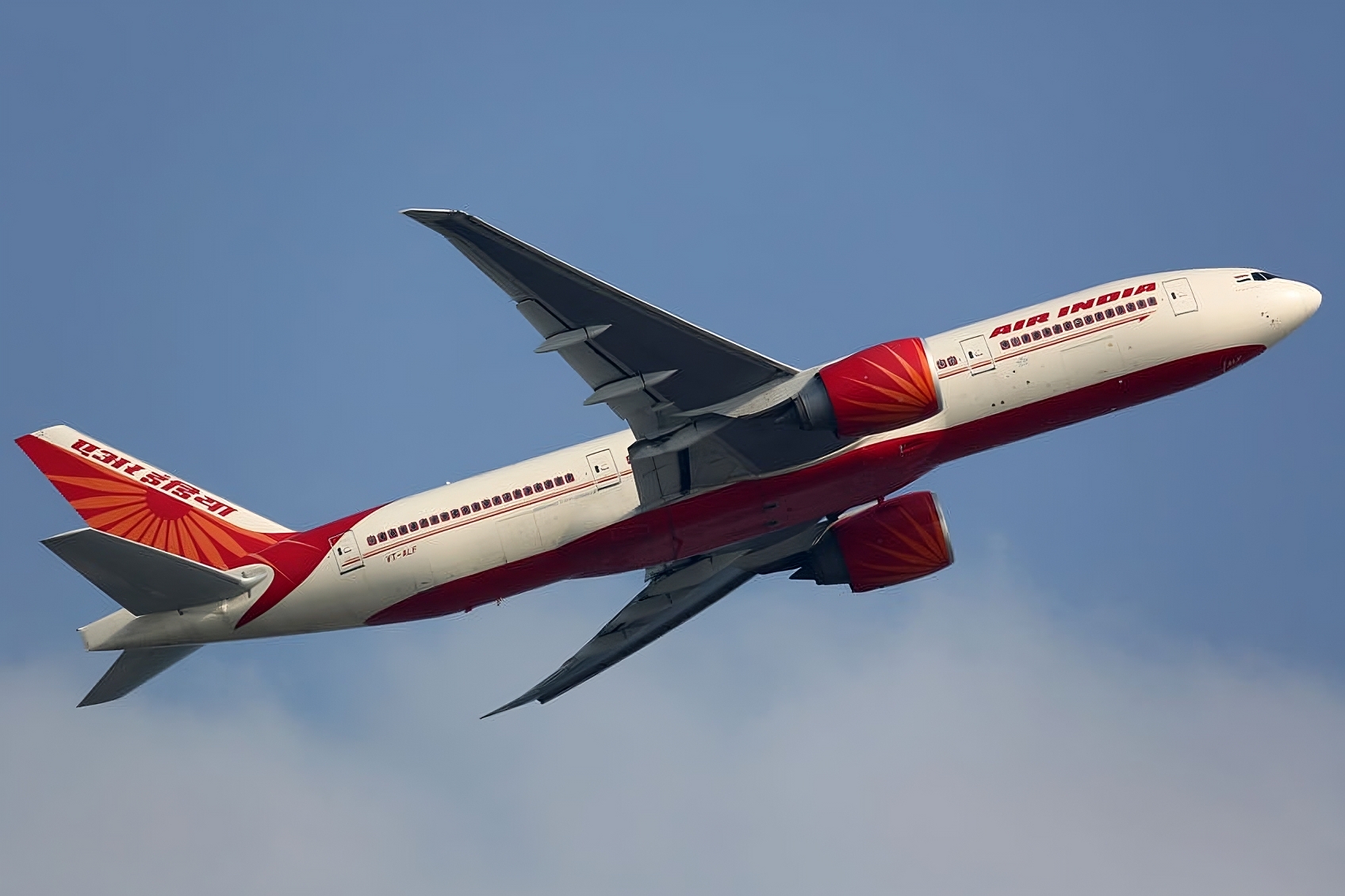
Note that these are changes to awards on Air India and not on Star Alliance airlines. Their Star Alliance award chart remains unchanged, so spending Air India points for short United Airlines flights still starts at 3,500 points in economy and 7,500 up front.
- Domestic Air India awards now start at 1,500 points, and domestic upgrades at 4,000
- International redemptions are now standardized based on region. Air India says economy pricing fell by about 30% on average across 80% of domestic routes and 75% of international routes – and that business award prices fell about 15% on average across 70% of domestic routes and fell about 25% across 35% of international routes.
- You’re no longer required to book 90 days or more in advance to qualify for the lowest award prices. Those can ow be booked at least 30 days out.

U.S. coach to India standardizes at 40,000 miles each way. So San Francisco – Delhi drops from 77,000 points to 40,000. Newark – Mumbai drops from 67,000 to 40,000. Short-haul international like Mumbai – Mauritius drops fom 25,000 to 12,000. A domestic route like Delhi – Goa drops from 9,000 to 5,000.
This is all great for coach flyers. More than half of economy routes got less expensive, and fewer than 10% of routes got more expensive.
Premium economy though mostly went up, and business class reductions do outweigh increases but not nearly by as much as coach. First class mostly gets pricier. Here’s what changes to business class awards look like:
| Region | Route | Old J | New J | Change |
| North America | DEL–ORD | 175,000 | 130,000 | -45,000 (-26%) |
| North America | DEL–JFK | 180,000 | 130,000 | -50,000 (-28%) |
| North America | DEL–YVR | 180,000 | 130,000 | -50,000 (-28%) |
| North America | DEL–SFO | 185,000 | 130,000 | -55,000 (-30%) |
| North America | BOM–EWR | 200,000 | 130,000 | -70,000 (-35%) |
| North America | DEL–EWR | 180,000 | 130,000 | -50,000 (-28%) |
| Europe | DEL–LHR | 125,000 | 100,000 | -25,000 (-20%) |
| Europe | BOM–LHR | 125,000 | 100,000 | -25,000 (-20%) |
| Gulf | DEL–DXB | 46,000 | 50,000 | +4,000 (+9%) |
| Gulf | BOM–DXB | 43,000 | 50,000 | +7,000 (+16%) |
| East Asia | DEL–HKG | 56,000 | 90,000 | +34,000 (+61%) |
| East Asia | DEL–ICN | 63,000 | 90,000 | +27,000 (+43%) |
North America business class is a big winner, though it’s not the cheapest progam for this still. 130,000 miles each way is a lot, but it’s a lot less than 175,000 – 194,000.
Europe business class is more mixed. London Heathrow gets cheaper, but on the whole it’s about a wash. Meanwhile, business class to Gulf states seems to mostly be more expensive (from 40,000 – 46,000 now up to 50,000). Hong Kong, Seoul, and Tokyo go up a lot.

We don’t see programs reducing award pricing that often, though – especially where the number of reductions does outnumber increases in business class and in long haul business class even. I’d say this is a positive step as part of the airline’s overall rebranding.



Leave a Reply