
United is storing Pratt & Whitney-powered Boeing 777s. A few engines could force a lot of schedule changes. And a few more incidents, there could be regulatory changes with United’s fleet that keep them from flying a number of important routes – the way they currently fly to Hawaii and Asia could be at risk.
So far United has been storing some Boeing 777s in the desert. They want the planes, but can’t consistently keep them flying. JonNYC points to one that was formally moved into storage at Victorville, California, last month – and more could follow – driven largely by engine parts availability.
trying to figure out a bit what's going on with UA's 777's. This one was not retired, it's officially being stored– and I expect more to follow.
Parts– certainly engines being part of that (maybe the biggest part)– are the issue and, depending on whom you listen too, a… https://t.co/fiGHv2ckAA— JonNYC (@xJonNYC) December 18, 2025
There’s also a technical fear: that more engine events force United into tighter overwater operating limits on the planes, restricing how long the planes can fly overwater away from any diversion point.
someone explains:
"The engines have to meet a reliability standard. If there are enough failures at any airline, the standard isn’t met & the jets are no longer certified for ETOPS. They are maybe one or two incidents away from failing to meet the standard”— JonNYC (@xJonNYC) January 13, 2026
someone adds:
"They(UA/FAA/PW) could reduce the ETOPS limit to either 180 minutes or 90 minutes. Worst case NON-ETOPS. Which would restrict them to a northern 9+ hour flight from JFK to LHR with flight scenario being you fly by JFK BOS YYR YFB NUK KEF SNN:GLA LHR .At 120…
— JonNYC (@xJonNYC) January 13, 2026
Here’s what’s going on, why United is uniquely exposed, and what “losing overwater approval” would look like.
A Large Chunk Of United’s Widebody Fleet Is Affected
United has 96 Boeing 777s.
- 22 Boeing 777-300ERs
- 55 Boeing 777-200ERs
- 19 Boeing 777-200s
The Pratt-powered subfleet, legacy United planes from before the Continental merger, is 52 aircraft. United is the only U.S. airline operating 777s with these engines.
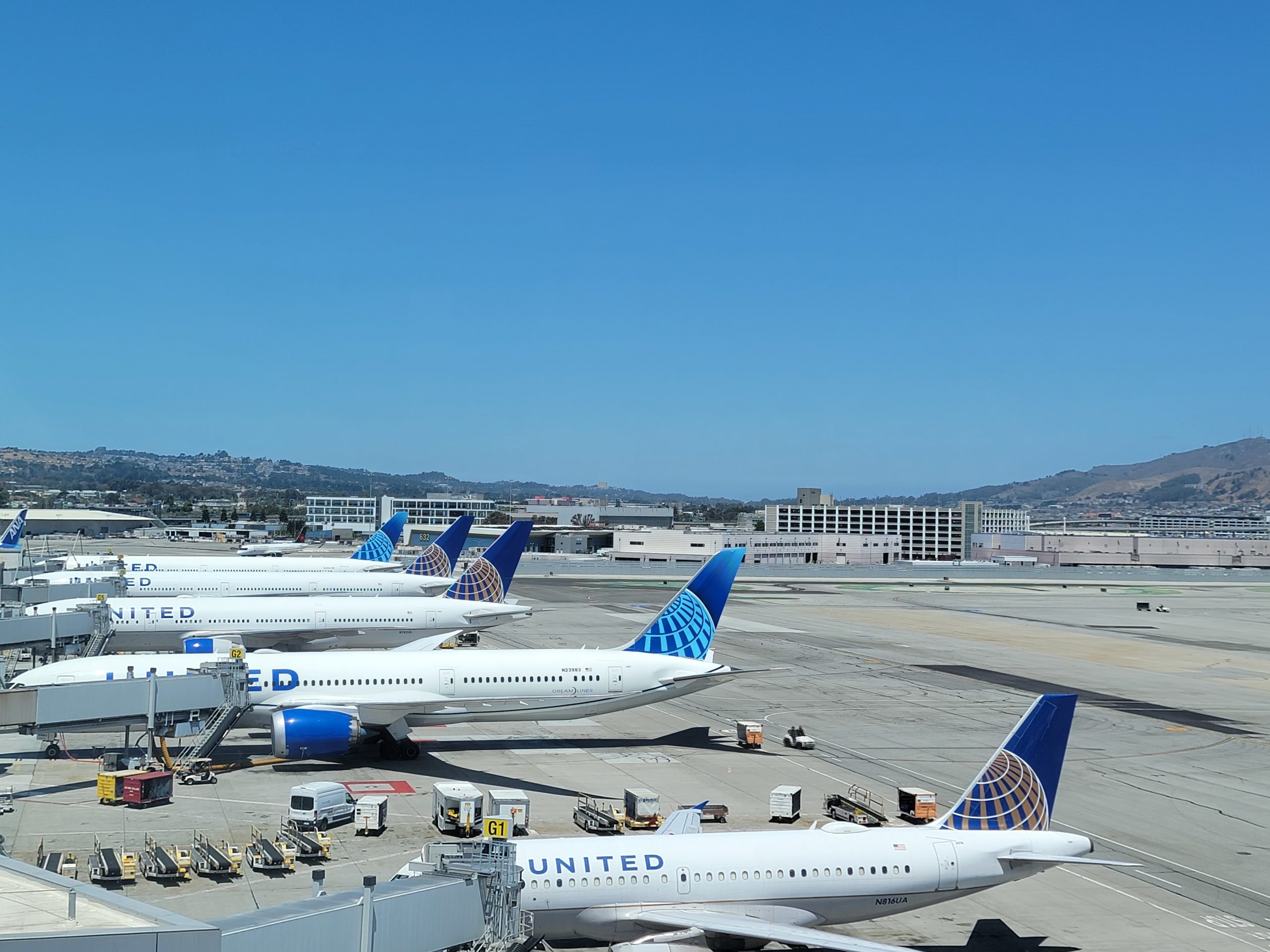
That means:
- ~ 54% of United’s 777 fleet (52 out of 96)
- ! 23% of United’s widebody fleet (52 out of 223, counting 777/787/767)
The average age of United’s 777-200 fleet is 27.5 years, and their 777-200ERs is 24.8 years. Older jets can be harder to support with spare parts, and that seems to be the case here.
The Pratt Engine Fan Blades Crack, And The Fix Is Slow
The engine here is the Pratt & Whitney PW4000-112
- A large fan blade at the front of the engine can develop a fatigue crack over time.
- If the crack grows undetected, the blade can break.
- When a blade breaks at high speed, the engine experiences a violent event that can damage surrounding structures (and even start a fire).
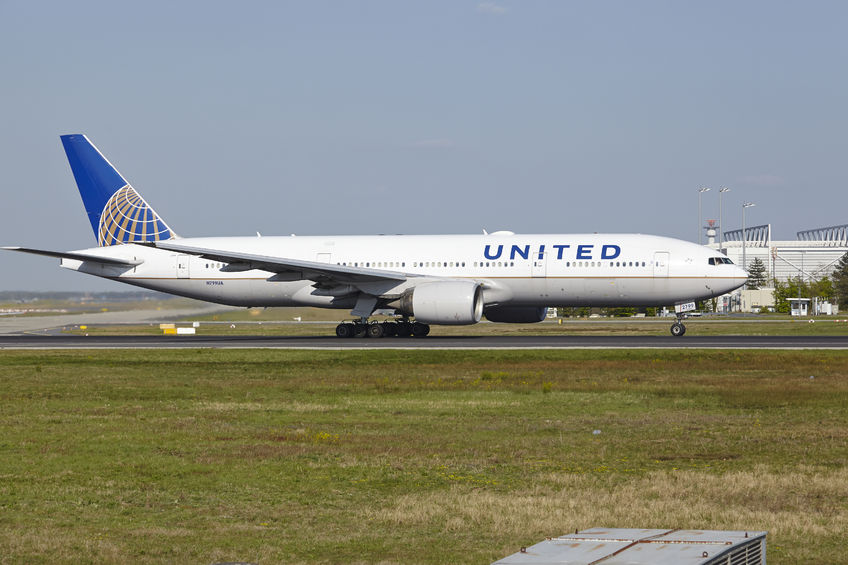
The FAA’s 2021 emergency directive highlights the challenge of detecting cracks on the interior surfaces of hollow fan blades, requiring a specific imaging inspection method rather than a simple look-over.
Boeing and Pratt have been developing integrated engine/airframe design changes, with an FAA-set deadline requiring the fleet to incorporate changes by March 2028, while Boeing and United have pushed for more time. In the meantime that means repeated inspections, maintenance visits, amidst limited spare engines and shop time. So airframes sit around arond wait.
The Engines Have Been Involved In Major Incidents
In February 2018, United 1175 suffered a fan blade separation near Hawaii. The 777 on approach to Honolulu lost portions of the right engine inlet and fan cowl. Pilots shut the engine down and landed safely.
A blade with a crack was returned to service and eventually fractured, with training and feedback weaknesses playing a role according to the investigation that followed.
Meanwhile, United 328 suffered an engine fire and spread debris over a Denver neighborhood in February 2021. Shortly after takeoff, the 777 suffered a full-length fan blade separation on the right engine. That caused major nacelle damage.
A passenger on United 328 took this video of flames shooting out from the engine. Some people told me they said prayers and held their loved ones' hands as they looked out the window. Flight was on its way to Hawaii from Denver. Glad everyone onboard is safe #9News pic.twitter.com/c8TNYlugU2
— Marc Sallinger (@MarcSallinger) February 20, 2021
Within days of the 2021 Denver event, the FAA issued an emergency airworthiness directive requiring inspections of the Pratt engines before further flight. It became a multi-year program of repetitive inspections and tests, changes to engine inlets and related structures, and debris shields and other modifications. United had to keep more than 50 of these 777s out of service until repairs were made.
What Parked Pratt 777s Do To United’s Network
These Pratt 777s cover two very different kinds of flying in the United system:
- High-density routes where United wants a lot of seats (leisure-heavy flying where the airline can fill a big aircraft).
- Long-haul international routes where range and payload matter.
Take a handful of these jets out, and United has to do some combination of:
- Swap aircraft types (often to smaller widebodies like 787s or 767s)
- Reduce frequencies (same markets, fewer departures)
- Cut routes outright (especially thinner long-haul routes that don’t have easy substitutions)
Cranky Flier wrote about how these engine constraints forced United to adjust its routes, like not resuming service on Washington Dulles–Dakar and Newark–Stockholm.
Could United ‘Lose Overwater Approval’ For These Planes?
JonNYC relayed a claim that United could be “one or two incidents” away from failing the engine reliability standard that underpins permission for long overwater flying, with a possible outcome being reduced diversion-time limits (or, in the extreme, no long overwater authority).
There’s a reliability metric that matters, and a judgment call. The FAA tracks the rate of in-flight engine shutdowns as a key reliability measure. For two-engine aircraft:
- 0.05 per 1,000 engine-hours required for up to 120 minutes
- 0.03 per 1,000 engine-hours required for beyond 120 up to 180 minutes
- 0.02 per 1,000 engine-hours required for beyond 180 minutes
The FAA will not revoke an existing approval solely because of a high shutdown rate. They frame the response as:
- If the high shutdown rate is tied to a design issue, the operator shouldn’t automatically be punished for something not of their making.
- If the risk is attributed to systemic issues in the operator’s maintenance or operational practices, tailored action may be required, including reducing the airline’s permitted diversion limit.
A single shutdown can make the rate spike if the denominator (total engine-hours) isn’t large. So is it possible that diversion limits get reduced for this subfleet at United, as more issues occur. But it’s not automatic.
If it happened, United would lose the aircraft from long Hawaii routes, transpacific flights, and some long transatlantics. They’d have to reassign other aircraft types to those routes, and keep the affected airplanes on routes that stay close enough to diversion airports. And they’re not going to regularly fly awkward, fuel-heavy hug the coastline and Iceland routings to Europe.
It Would Be A Big Lift To Get Overwater Approval Back
Higher levels of long-overwater authority rests on sustained reliability results (including shutdown rates), an approved maintenance and operational program, and demonstrated performance over time.
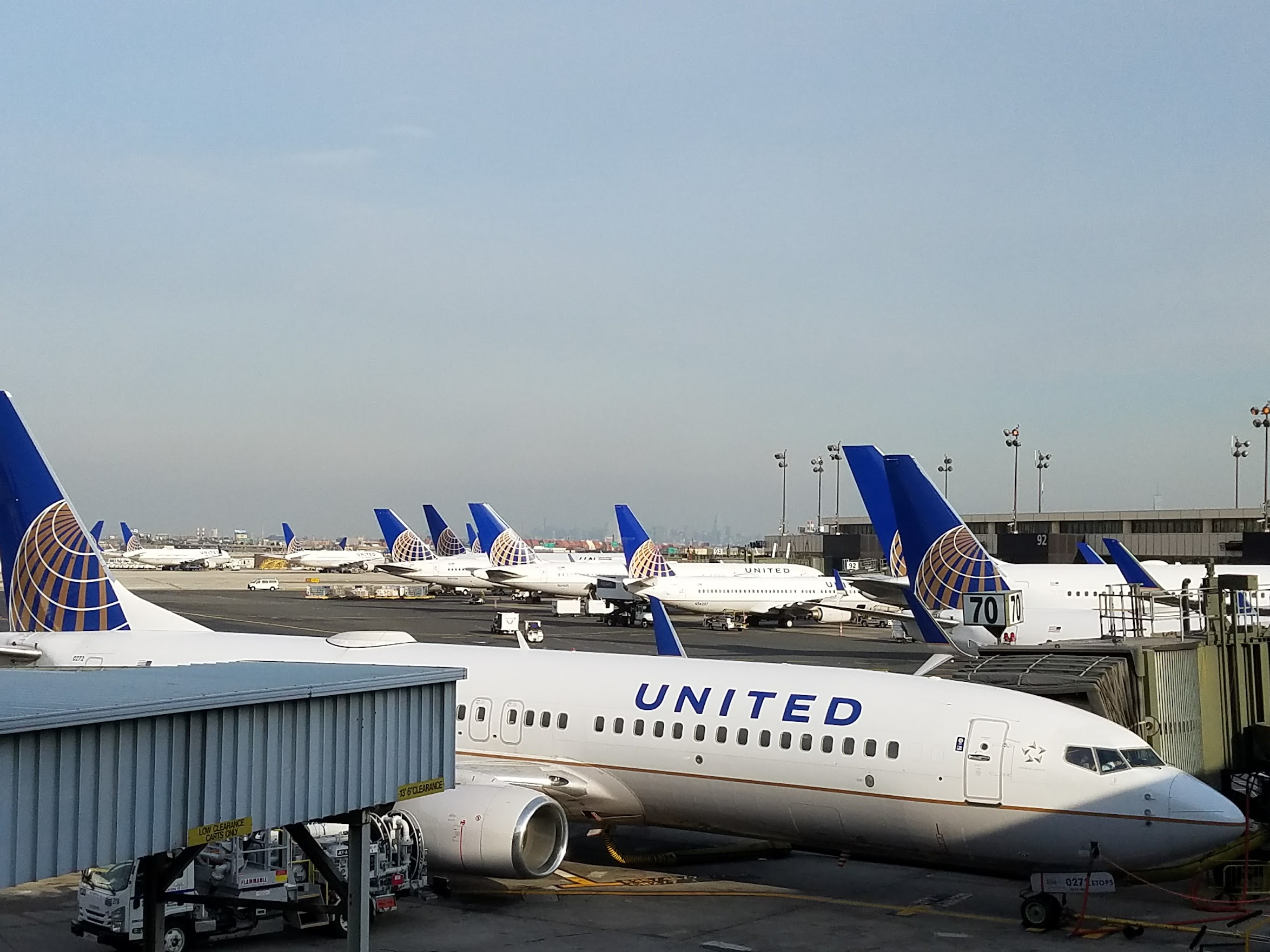
A return to higher diversion-time authority would require a combination of corrective actions. Boeing and Pratt are still working through longer-term design improvements under FAA oversight. They’d have to demonstrate reliability on a rolling basis. And they’d have to satisfy the FAA that the risk has been brought back under control. But with spare engines and parts tight, they could get approval and still not have the planes available to fly.



Cranky had an article about UA’s PW 777 issue recently but the issue is simply that older aircraft are much more exposed to maintenance issues; UA has a large number of PW widebodies and PW doesn’t even build widebody engines right now.
They have little incentive to get the PW 4000 engines fixed given how much resources they are using to fix the Geared Turbofan.
The PW 4000 engine issue is only going to get worse and the 767s are getting old for UA just as they are for DL; the difference is that DL has been retiring 767s and intends to continue to do so.
UA execs crowed how they chose not to retire widebody aircraft as AA and DL did and it is very likely that UA will have to divert high percentages of its widebody deliveries over the next few years for replacement rather than growth.
UA has pushed its fleet – already the oldest among US airlines – hard and many of those airplanes just are not capable of being flown as hard as UA needs them to fly for the next five years.
I understand the aging 772, but, the 773, too. Yikes.
The DEN (engine, UA328, 2021) and SFO (wheel, UA35, 2024) 777 incidents were surprising, but thankfully not tragic, unless you consider those parked cars got totaled.
@Tim Dunn — Delta made the right decision to retire its 772s during the pandemic.
@tim – etops is at stake and United would not even deny it to me
Gary,
I am not sure there is any disagreement between you and me. I agree that this is serious, is not going to get any better, and that it could have an enormously negative impact on UA If the FAA revokes all or part of UA’s ability to use its Pratt powered 777s.
1990,
the 777 is not the problem other than it is an expensive airplane esp. as a 200/ER. UA crows that they get good economics of their domestic 777s because they stuff 365 bloody seats (2 737-900s worth of passengers) onto the thing.
of course a plane that hard is much harder to get good revenue out of.
and the domestic 777s are heavily used to Hawaii so cutting any ETOPS would be devastating since you need full 180 minute ETOPS to fly to Hawaii.
Restricting ETOPS on the ERs would make them unusable over the Pacific’
and the 777-300ERs are not an issue here. They are powered by GE engines as are all 777-300ERs and 777-200LRs.
AA’s 777s are powered by Rolls Royce engines
the issue, as Gary accurately notes, is that old machines that have unsupported parts become harder and harder to continue using.
There is a good chance that UA’s desire to keep growing will come to a screeching halt because of the need to retire lots of aircraft just as AA and esp. DL start taking delivery of lots of new and capable widebodies.
Most of these planes will wind up becoming Coors Light cans.
@Tim,
Just to clarify…..
AA’s 777-200ERs are RR powered, as DLs 777s were.
AA 777-3Ws are exclusively powered by the GE90-115, AA, UA, everyone.
Former CAL 777-200ERs, (now UA) are powered by the GE90 so those are unaffected by PW4000 issues.
Btw, good call on the DL 787-10 order.
@ Tim — I’d rather sit in the desert and use my wifi that works everywhere than on a POS DL 763.
@Gene — And, I’d rather sit in the des(s)ert…
Preferably an ice cream sundae (with all the toppin’s) in DeltaOne, yes, even on Delta’s aging 763, specifically after using a RUC for confirmed upgrade from Main, a nominal $150 ticket to a $2,500 cash-value ticket (saving $2,350), for transcon JFK-SFO, with a preflight meal at the Brasserie within the D1 lounge at JFK prior to departure.
I-M-A-G-I-N-A-T-I-O-N.
Very well-researched and written article concisely detailing the issues facing United and their PW 777-200 fleet. Thanks for posting!
Could these issues also lead to efforts to reduce take-off weight to reduce load on engines?
I ask because my in-laws flew SFO-SYD a couple of weeks ago on a United 777 and (a) all checked bags were left in SFO, (b) United asked for 17 volunteers to fly on their later flight that night.
Probably unrelated but I haven’t thought of another good explanation (maybe a very valuable freight contract that bought out the whole hold?)
thanks, pilot, for the hat tip on the DL 787 order.
and I did mention which engines are on AA and UA’s 777s.
to further clarify your clarification, the DL 777ERs were powered by Rolls while the 777LRs were powered by GE – same engine as on the 777-300ER.
It was precisely the lack of fleet size that increased DL’s costs for both subtypes.
and the A350 has now improved to the point that the 777, even as the LR, offers very little advantage and certainly not for the extra cost of operating the 777s.
I do think AA is in better position for extending the life of their 777s than UA is.
@ 1990 — Excellent use of a RUC! Back in the good old days, we would select the maximum RUCs for our Platinum and Diamond benefits, confim first class with those those RUCs for our frequent trips from ATL to California, and then call (often HUCA) to add a connection through JFK and confirm the last full-fare J seats under the generous SDC rules. Those puppies earned class-of-service bonuses for RDM and MQM. Now THAT was a valuable use of RUCs!
Gene,
Could you translate all that alphabet soup?
All,
Time for United to firm up that A350 order.
When you look at UA’s widebody fleet, it seems as if the problem of losing ETOPS for the 777-200er is overblown.
UA has a total of 55 777-200er, but only 28 powered by PW. They now have 83 787s. They shouldn’t have a serious problem substituting the 28 PW for 787s for long-range and use the 28 PW for routes that don’t require ETOPS. Maybe it wouldn’t be as efficient as they would like, but they wouldn’t need to cancel routes or reduce frequency.
The problem is more the availability of engine parts particularly for 2Q and 3Q when having the largest widebody fleet is their main advantage.
By the way, UA is getting 20 more 787s this year. They are also getting 8 A321er they could use for transatlantic routes where they’re currently flying the 787s.
Marco
their 777-200s (the As) are heavily used for Hawaii which only works w/ full 180 minute ETOPS.
even losing partial ETOPS would be devastating given that the PW 777 fleet amounts to 23% of UA’s widebody fleet, as Gary notes.
and a major event such as the engine failure on takeoff from DEN could lead to grounding of the entire fleet again.
And, yes, UA is supposed to get 20 new 787s but they also plan to grow. Having to use all or many of those new aircraft for fleet replacement would cut UA’s growth for several years.
and it honestly is beyond foolish why UA Is not beginning to get rid of its older aircraft including the 767s which are no younger for UA than they are for DL.
Older aircraft just come with higher maintenance risks and costs. The PW 777 fleet is highly vulnerable and it is unlikely that UA can get by for many more years w/o replacing them; the question is whether they do it proactively or wait to an event that forces them to do what they should have started to do already
@ carletonm — In case you are serious:
RUC = (Delta) Regional Upgrade Certificate
ATL = Hartsfield-Jackson Atlanta International Airport
HUCA = Hang Up and Call Again
SDC = Same-Day Confirmed
RDM = Redeemable Miles
MQM = Medallion Qualifying Miles
JFK = John F. Kennedy International Airport
J = Business Class
If you knew 7 or more of these, your IQ is 120+.
This entire situation is horrifying. I don’t know much about P&W, but I’m wondering why P&W hasn’t stepped up to the plate and RUSHED to create solutions to their engine problems? I know they are likely working on it, but essentially, they are screwing their customers (UA, Boeing, et al) and are guaranteeing few orders in the future.
Is it not possible for Boeing to build 777-200’s with a RR or GE to solve this reliability issue? Can these engines be swapped out (I’m sure at a heavy cost) with GE or RR on existing aircraft?