
A man apparently made a fortune selling fake American Express Black Cards for about $1,000 apiece. The cards used buyers’ real account numbers, so when they paid for items the charges went onto their own bills. They were buying the appearance of being a Centurion cardmember.
That’s the story told in this viral clip from Inside True Crime. His claim that customers could simply flash the cards to get into airport lounges is a lot harder to square with reality.
Cox says the man put customers’ existing American Express numbers onto cards that looked like Centurion cards. They could pay for things, impress a date, and supposedly get waved into exclusive spaces. He says the business went on for years.
The comments split between people asking what the crime was, people asking where to order one, and frequent travelers pointing out that lounge access isn’t granted based on the look of the card – they run it through their system.
You Can Change A Card Without Changing The Account
I’ve covered this sort of thing for years. Back in 2015, I wrote about a company that would turn an existing credit card into a custom metal card. Prices started at $99, with custom designs at $149 and gold plating at $249. That service couldn’t handle payment chips at the time.

The payment system charges the account identified by the card’s credentials. Changing the material or artwork doesn’t change the rewards, spending power, or benefits attached to that account. And American Express itself has experimented with the physical form. In 2021, I covered artist-designed Centurion cards and a Prada wearable. Those were options Amex provided to real Centurion members.


The Airport Lounge Claim Isn’t Plausible
The reel makes a weird claim. It says the black card “doesn’t work,” then says it can pay for things. In the longer discussion, he means it doesn’t acquire the spending power he associates with a real Black Card.
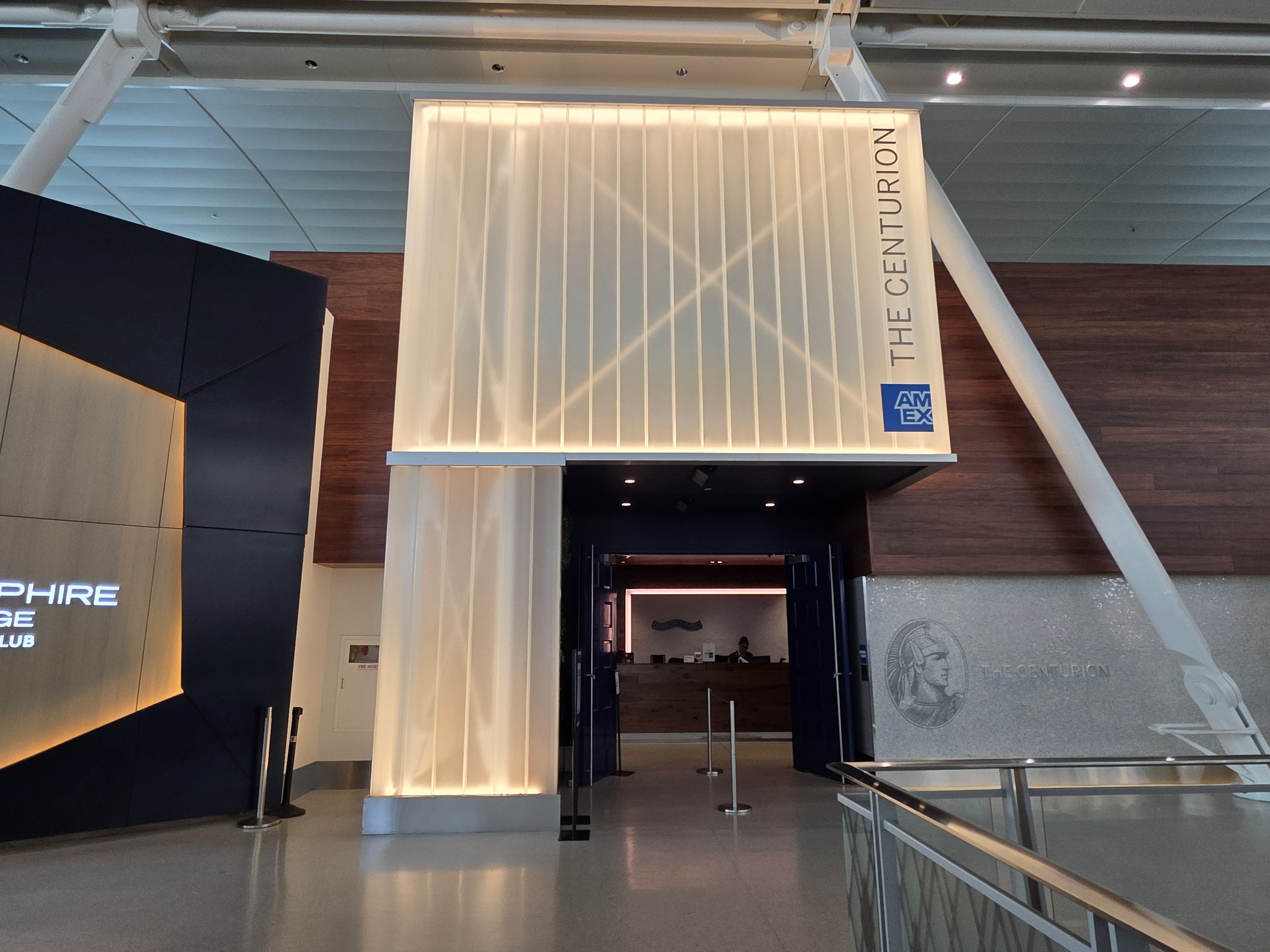
More importantly, Centurion Lounge access belongs to eligible cardmembers. A Gold account dressed up as Centurion is still a Gold account when its eligibility is checked. It hasn’t acquired lounge access, Centurion access priority, or any other benefit.
Paying Your Own Bill Doesn’t Make It Legal
The comments ask “what’s the crime?” Using someone else’s account to steal money is different from paying your own restaurant bill with a customized card. But there are several separate issues here.
- The maker copying Amex branding. Selling a replica with American Express branding raises trademark infringement issues. The concern is whether it falsely appears to be an Amex-issued or approved product. Depending on the marks and conduct, criminal trademark counterfeiting can also apply.
- The customer paying normally. An altered card isn’t automatically federal credit card fraud. The federal access-device statute includes altered and counterfeit cards, but requires intent to defraud. Merely wanting a date to think you’re rich isn’t enough.
- The customer claiming benefits they haven’t earned. Passing off the card as proof of Centurion membership to obtain restricted lounge services, a waived fee, or another benefit creates a different problem. It’s not obvious this would even work. And paying the bar tab doesn’t pay for the separate service obtained through deception. Using the fake credential to support false claims in a credit transaction would be a separate problem.
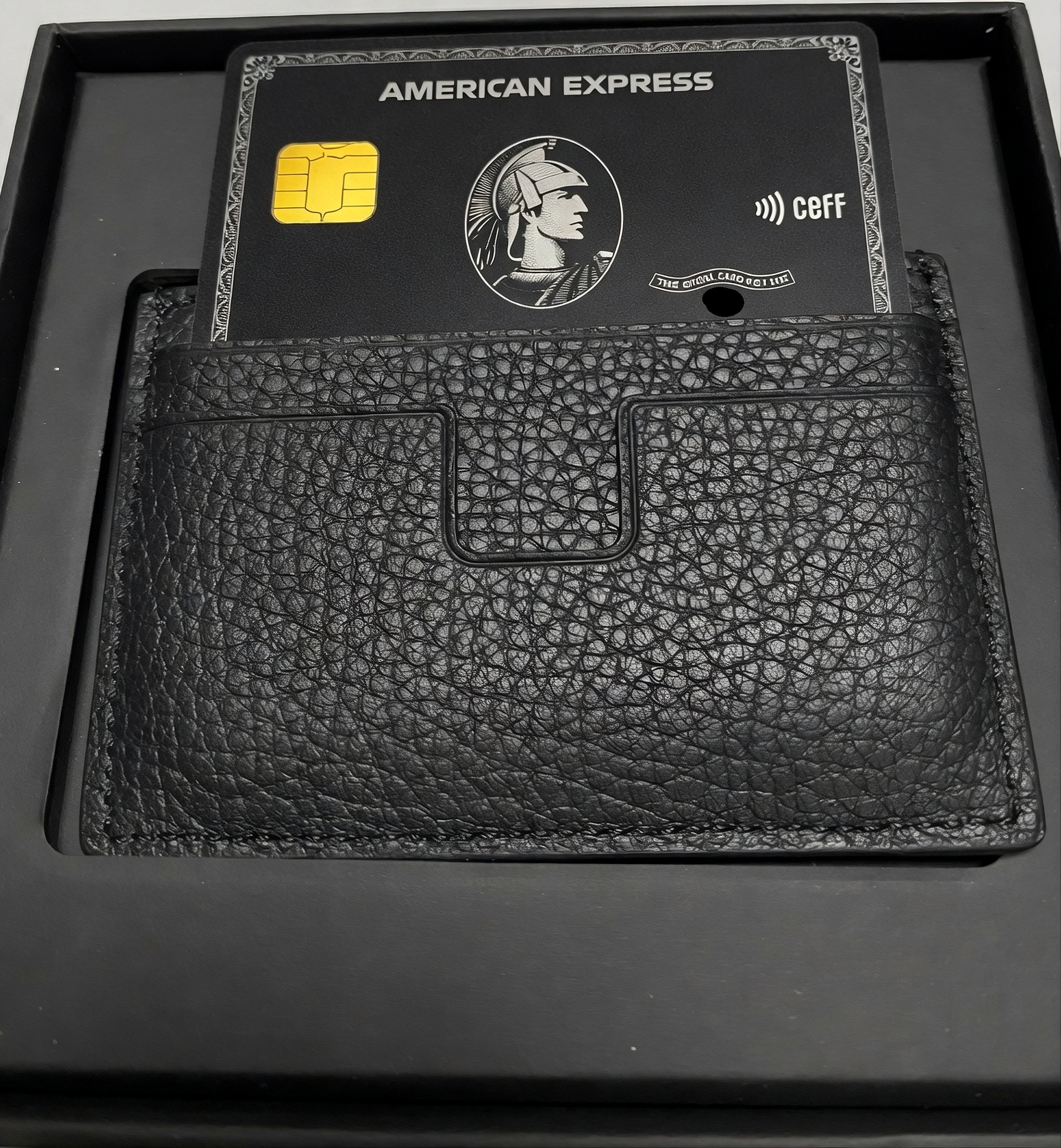
Several state laws could be implicated. Texas has separate credit card, forgery, and counterfeit card rules. And Amex’s October 2023 U.S. merchant regulations instructed merchants not to accept a card that appeared physically altered. Getting a transaction approved doesn’t prove the replacement card was authorized, even if the merchant doesn’t know.
Banks spend money on cards that look and feel good. Paying $1,000 to pretend you have a different one is an expensive way to impress someone who’s watching you pay. That’s more than the $895 first year’s annual fee on an actual Platinum Card, which comes with actual Centurion Lounge access. The card just wouldn’t be black.


Leave a Reply