
I’m not a private pilot, and I don’t cover general aviation very much. However, I came across an interesting court case from the Fifth Circuit Court of Appeals, Hardwick v. FAA No. 25-60188, where they declined to review an FAA suspension of a private pilot’s certificate. And I found the facts of the case – and the takeaways from the decision – to be engrossing, so I wanted to share them.
The owner of a Cessna Citation 550, Michael King, wanted the tail number on his plane changed from N550ME to N550MK to match his initials.
- The FAA approved the registration change and issued an Assignment of Special Registration and later permanent registration documents for N550MK.
- King then sought a new airworthiness certificate reflecting the new tail number, but the FAA denied that because the plane needed additional inspections.
- The owner concluded that denial of the new airworthiness certificate meant the registration had somehow reverted to N550ME. Another pilot then literally altered the painted K back into an E with tape.
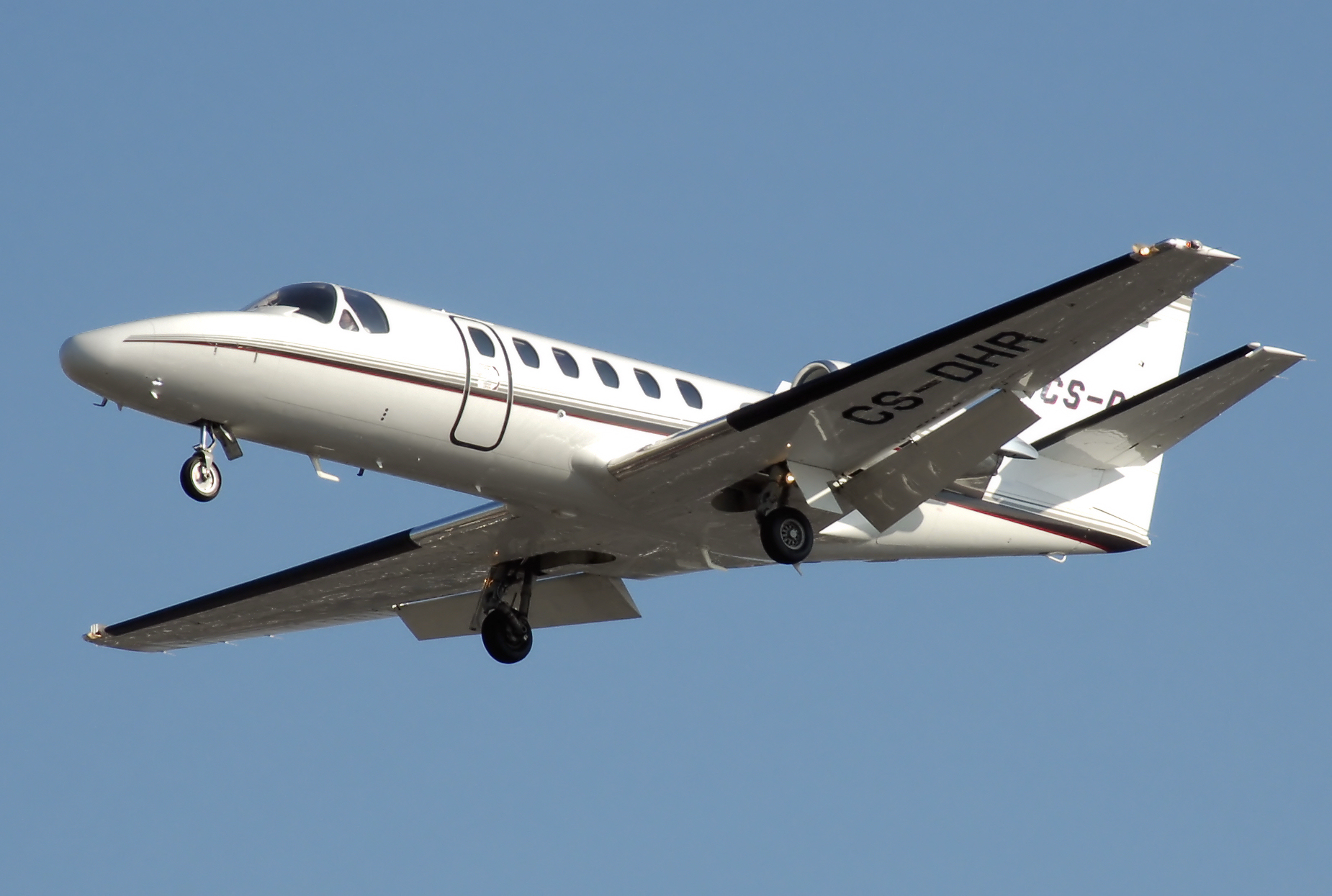
Pilot Glen Hardwick was asked to fly the plane from Pearland, Texas to Wichita, Kansas and back. The aircraft physically displayed N550ME, but its current registration paperwork showed N550MK and its only airworthiness certificate was still for N550ME. Hardwick noticed the taped-on tail number during preflight and asked about it. The owner told him the FAA’s denial of the new airworthiness certificate had “reverted” the tail number back to N550ME. Hardwick accepted that explanation and flew to Wichita.
On arrival, FAA safety inspectors met the airplane on the ramp. Hardwick showed them the current permanent registration for N550MK, the old registration for N550ME, the assignment of special registration documenting the change from ME to MK, and the old airworthiness certificate for N550ME.
The inspectors said the FAA database also showed N550MK as the correct current tail number which did not match what was shown on the tail, and issued the pilot a Condition Notice stating that the plane was displaying the wrong tail number and lacked a valid airworthiness certificate for the current registration.
The notice warned that further operation before correction would violate FAA regulations, and that a special flight permit would be required if the defects were not corrected. Hardwick flew the plane back to Pearland the same day anyway, with the wrong registration still showing on the aircraft (and without the special permit).
The FAA suspended Hardwick’s pilot certificate for 150 days, finding violations of 14 C.F.R. §§ 45.21(a), 45.23(a), 91.7(a), and 91.203(a)(1). Those rules require:
- a U.S.-registered aircraft to display the proper registration marks
- the aircraft to be in an airworthy condition
- the aircraft to carry an appropriate and current airworthiness certificate.
Hardwick appealed to the NTSB. While the pilot in command is directly responsible for the operation of the aircraft and is responsible for determining whether it is in condition for safe flight, he argued that the suspension was arbitraty and capricious. The NTSB did not agree, so he petitioned the appeals court.
- He reasonably relied on the owner’s and FAA’s supposed representations that the registration had reverted to N550ME.
- The sanction was excessive because this was only an administrative paperwork problem, not a real safety hazard.
- He was treated unfairly compared with another pilot who flew the same plane but wasn’t suspended. (The other pilot flew when the plane actually did display the correct registration. That meant he flew without a valid airworthiness certificate for the new tail number.)
However the NTSB doctrine of “reasonable reliance” is limited to cases involving specialized expertise where the pilot could not be expected to know the relevant information, where the task is someone else’s responsibility, and the pilot in command has no independent duty or ability to verify it or to question what they’re being told.
Here, he knew there were paperwork issues. He saw the tail number had been modified with tape. Documents that would have flagged a problem were onboard the aircraft. And he literally received a written FAA notice telling him the aircraft could not be operated again unless corrected or specially permitted. He did not even read the notice before flying home. Reliance on the aircraft owner was not deemed reasonable.
Separately, denial of a new airworthiness certificate does not automatically revert an aircraft’s tail number. The pilot even had current registration documents for the new one. After the flight, the owner asked the FAA to change the tail number back from N550MK to N550ME, which would have been pointless had the owner’s claim about tail number reversion been true.
The court accepted that a plane may not be physically unsafe in the common-sense sense while being out of compliance. The FAA had not sanctioned the pilot for flying an airplane that was mechanically unsound, but for flying one that was legally unairworthy because the airworthiness certificate did not match the aircraft’s current registration. So this was an airworthiness certificate violation, which isn’t considered a ‘harmless clerical error’. The opinion says an aircraft can be unairworthy for administrative reasons, not just because of a physical defect.
A pilot in command can’t outsource registration and airworthiness verification to the owner when there are obvious anomalies. A plane can be mechanically fine but legally unairworthy. And don’t ever ignore written notices from an inspector that you receive from a ramp check and then just fly anyway.



Better than 150 years?
@Gene — I’m thinkin’ about closing most of my co-branded cards. Tired of feeling like I need to book trips to random places before credits expire. I thought you might approve.
Geez. FAA spend time on important things.
I’m so happy to see our government protecting us from duct tape.