$15 is now enough to buy six months of Marriott Bonvoy Platinum status through Chinese resale platforms. And if the reseller stacks two different Marriott partner offers, the 25-night challenge to keep that status falls to just eight nights.
A reader report published by LoyaltyLobby says Marriott is piloting a new benefit for top tier Didi ride hailing members in China. Didi V8 members receive Platinum for 180 days. Complete 25 qualifying nights during that period and the status is extended for a year (otherwise comped status drops to Gold).
The broader launch is reportedly scheduled for August 31. Sellers beat Marriott to it. Listings for the six month Platinum benefit appeared during the first day of the limited pilot for a little over RMB 100, about $15. This follows a July report of Hilton Diamond being sold through Didi V8 for about $13.
A Mainland China Offer That Can Be Sold Anywhere
According to the report, Marriott doesn’t require the name on the Didi account to match the name on the Bonvoy account receiving Platinum. One Didi V8 member can use the benefit for (sell the benefit to) an unrelated Bonvoy member… including selling to someone outside China.
The seller doesn’t even have to transfer the Didi account. The buyer hands over Bonvoy login credentials, the seller links that account to a Didi V8 account under the seller’s control, and Marriott applies Platinum. Marriott’s Chinese eight night challenge is being marketed to buyers in Japan.
A single breakfast for two could be worth more than the purchase price, keep Platinum for 180 days, and buy whatever is avialable in China next.
Two Marriott Offers Combine Into An EVen Better Deal
Didi’s promotion can reportedly be stacked with a separate Marriott offer through Meituan.
- Meituan’s offer is for a newly created Bonvoy account and requires eight qualifying nights.
- Didi accepts an existing Bonvoy account, gives it Platinum immediately for 180 days and ordinarily requires 25 nights.
- A reseller first creates the Bonvoy account through Meituan, activating its eight-night challenge, and then links that now-existing account to Didi.
The account receives immediate Platinum from Didi while retaining the eight night qualification target from Meituan. Marriott designed one campaign around a new member and the other around an existing member. Together it’s six months of status up front, with just eight nights required instead of 25 to keep the status.
Marriott Platinum Was Already Selling For $20 – $26
In 2024 I wrote about Marriott Platinum status being sold in China for $10 to $20. Fliggy offered 120 days of Platinum and an eight-night path to keep it. A gray market manufactured high-level Fliggy accounts through fake transactions, and members could create throwaway Bonvoy accounts and later merge them.
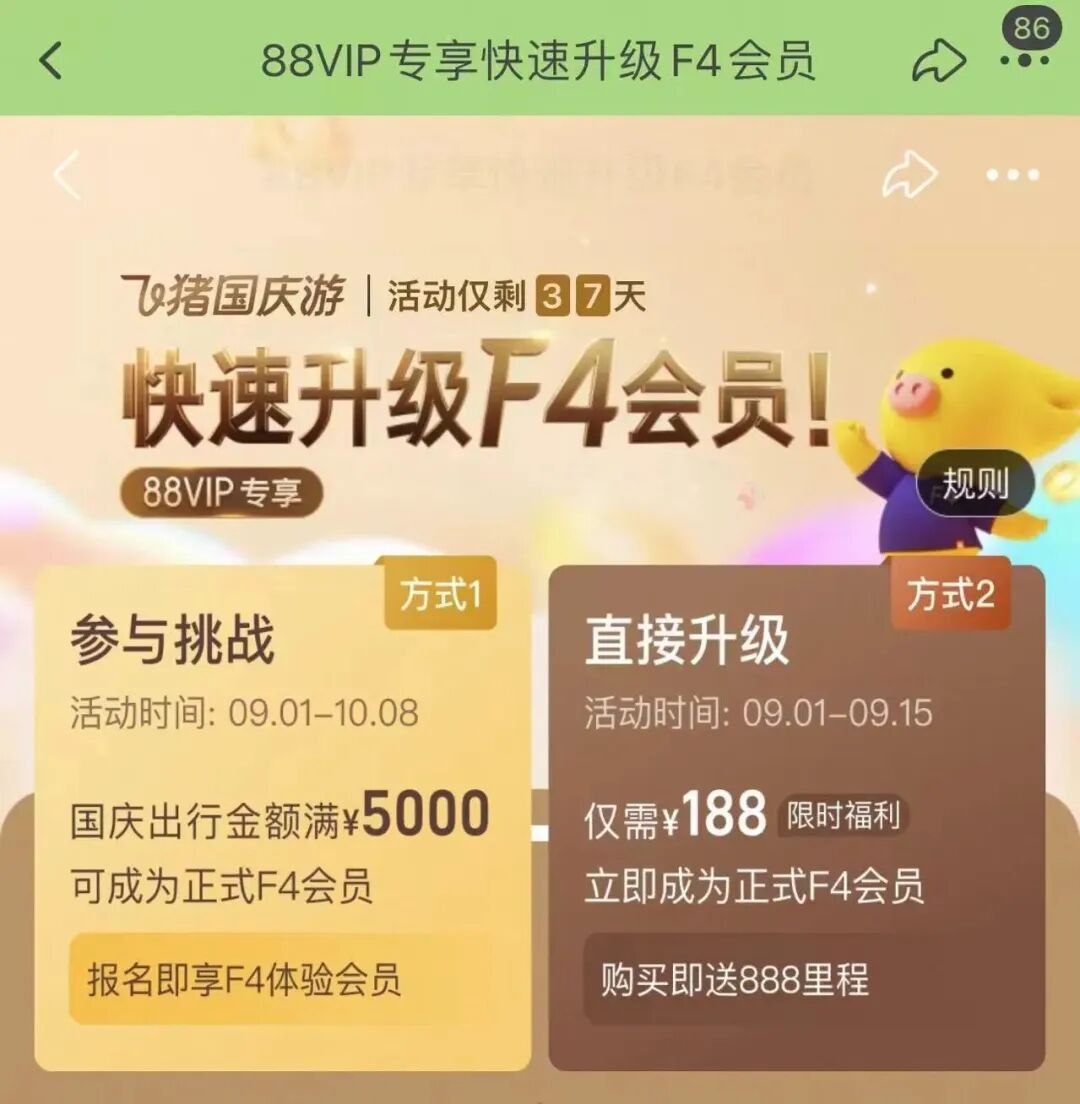
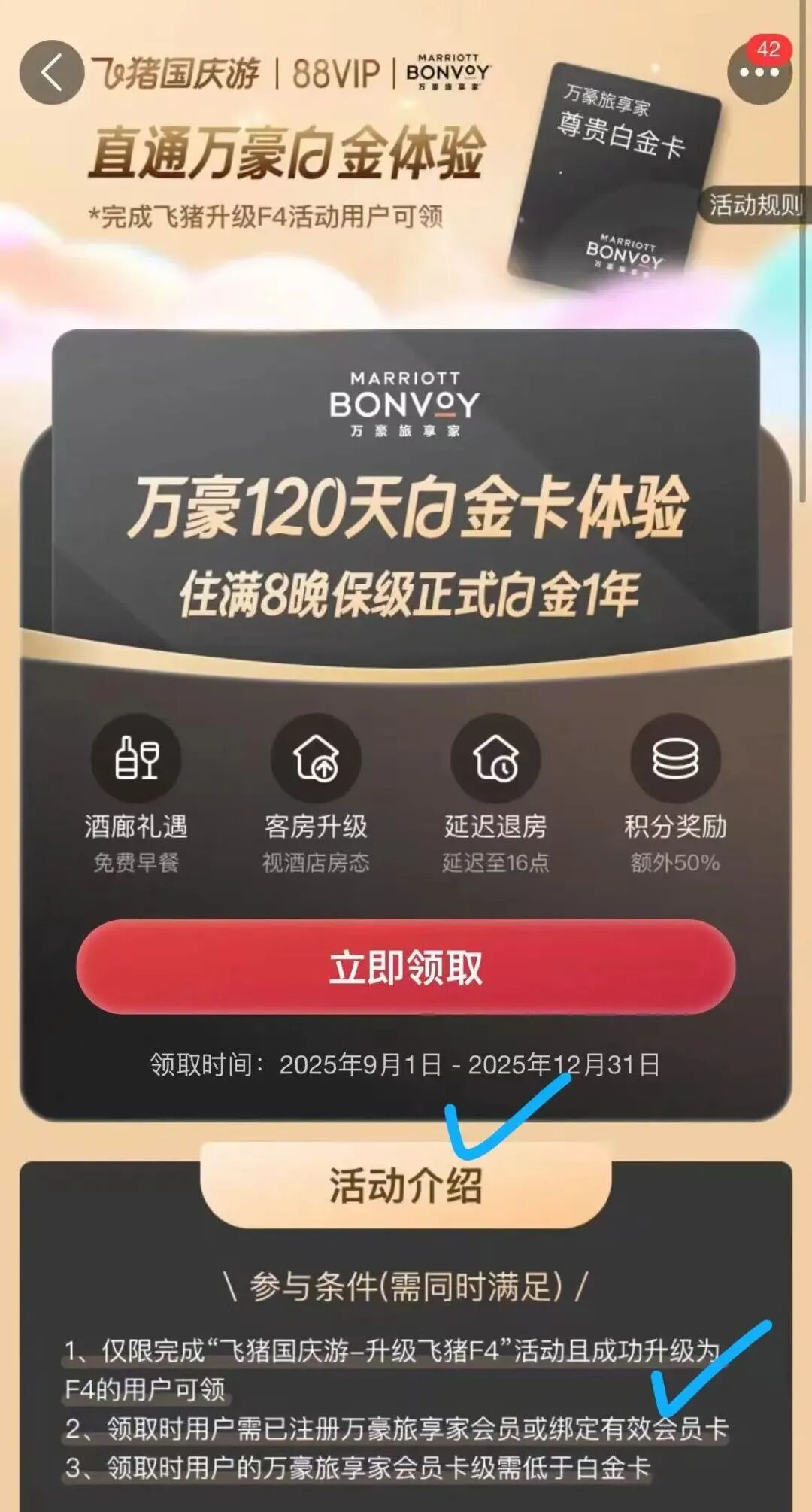
Last year, RMB 188 (US$26) bought access through Fliggy’s official ecosystem to roughly four months of Marriott Platinum, Hilton Gold and challenges to extend both. Reports that as many as 75% of guests checking into some Marriott hotels in China showed how widespread this could be at an upper bound.
United And Hyatt Trusted Different Bad Inputs
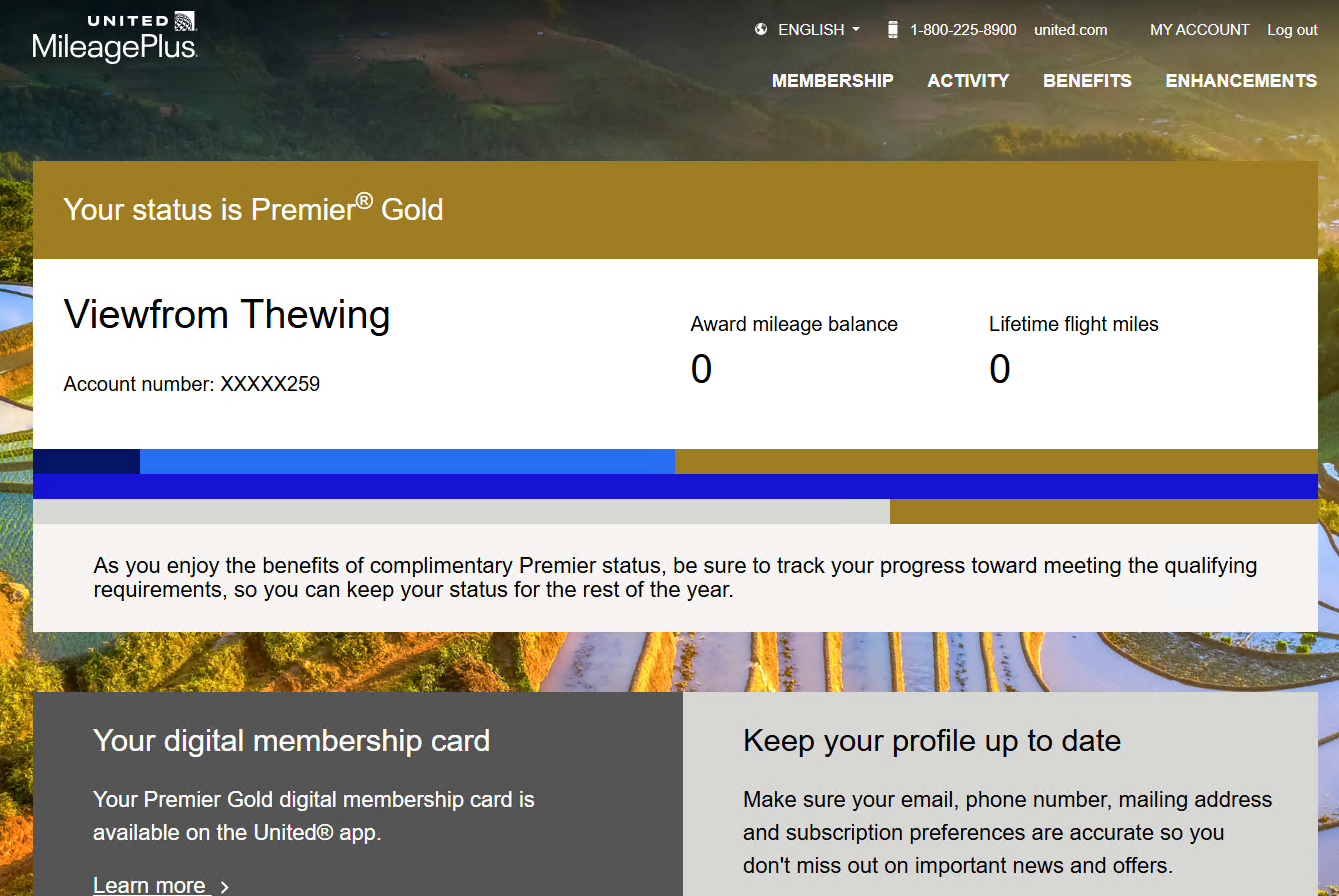
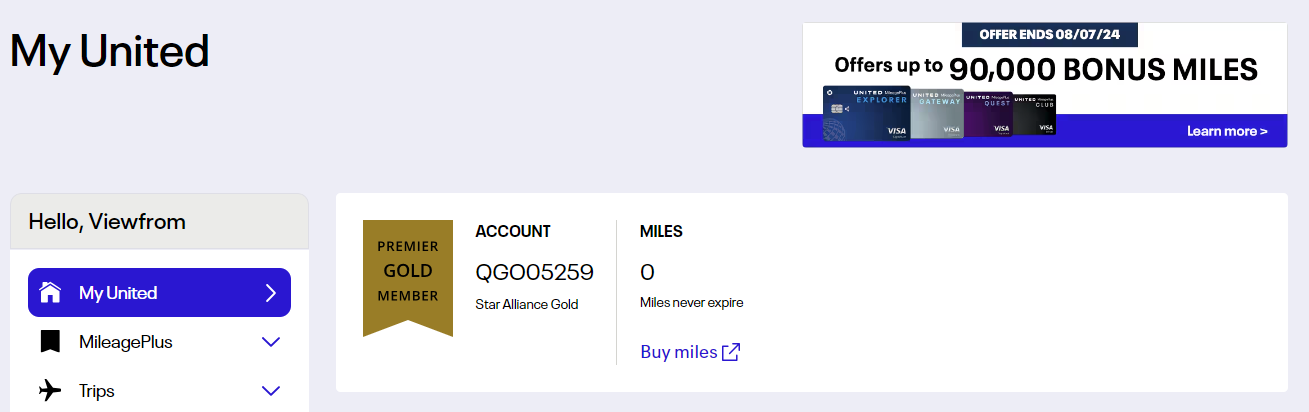
Marriott has plenty of company in China (and not just these examples). United automated status matches and apparently checked whether an uploaded elite card looked like the right electronic format, not whether the status was real. Sellers in China generated fake cards, flight histories, address documents and even passport images. A reader created a MileagePlus account for “Viewfrom Thewing” and United instantly made this website Gold.
The status could be generated on the way to the airport and used for Air China benefits before United’s fraud team caught up. There was even a fake United app display that removed the trial designation for partner airline staff. United eventually required a flight to activate matched status, closing off much of the immediate airport arbitrage.
At Hyatt, it was elite-night credit posted through its China hotel integration. UrCove properties affiliated with Hyatt’s joint venture reportedly sold packages of 20 – 25 phantom nights and points through Chinese social channels for under $1,000. No stay was required. Some credits were manually posted or backdated, and the scheme became obvious when properties appeared to generate more occupied nights than they had rooms.
Hyatt closed thousands of accounts, including accounts of some members who may have completed legitimate stays at implicated properties, while buyers sued. The hotels and local partner that monetized Hyatt’s posting tools were central to the problem. A system that can award stay credit without reconciling it to a reservation and occupied room invited turn elite nights into the product itself.
China Partnerships Have To Be Designed For The Market That Exists
I’ve said before that loyalty programs should not enter the Chinese consumer market unless they understand it intimately and have a trusted local partner with a real investment in the outcome.
China has an enormous and sophisticated resale market that turns promotional entitlements into commodities. Program managers have to assume that every transferable benefit will be sold, every inconsistency between campaigns will be stacked and every instant benefit will be consumed. The optimal amount of fraud is not zero but some of the risks are obvious.



If you really want ‘free breakfast at participating properties’ so badly, just get an Amex Bonvoy Brilliant, and use your 85K free night at a Courtyard Marriott off I-95, like a lady/gentleman.
@ 1990 — Or, maybe buy your own breakfast. WB, BB?
@Gene — Got’em! WFBF!