
Spirit Airlines and Frontier are back in merger talks with a deal that could be completed this month – but that isn’t done yet, so could still fall apart.
Bankrupt Spirit Aviation Holdings Inc. is in discussions to merge with Frontier Group Holdings, people familiar with the matter said.
A transaction could be announced as soon as this month, said the people, who asked not to be identified because the matter is confidential. The discussions are ongoing and could end without a deal taking place, they said.
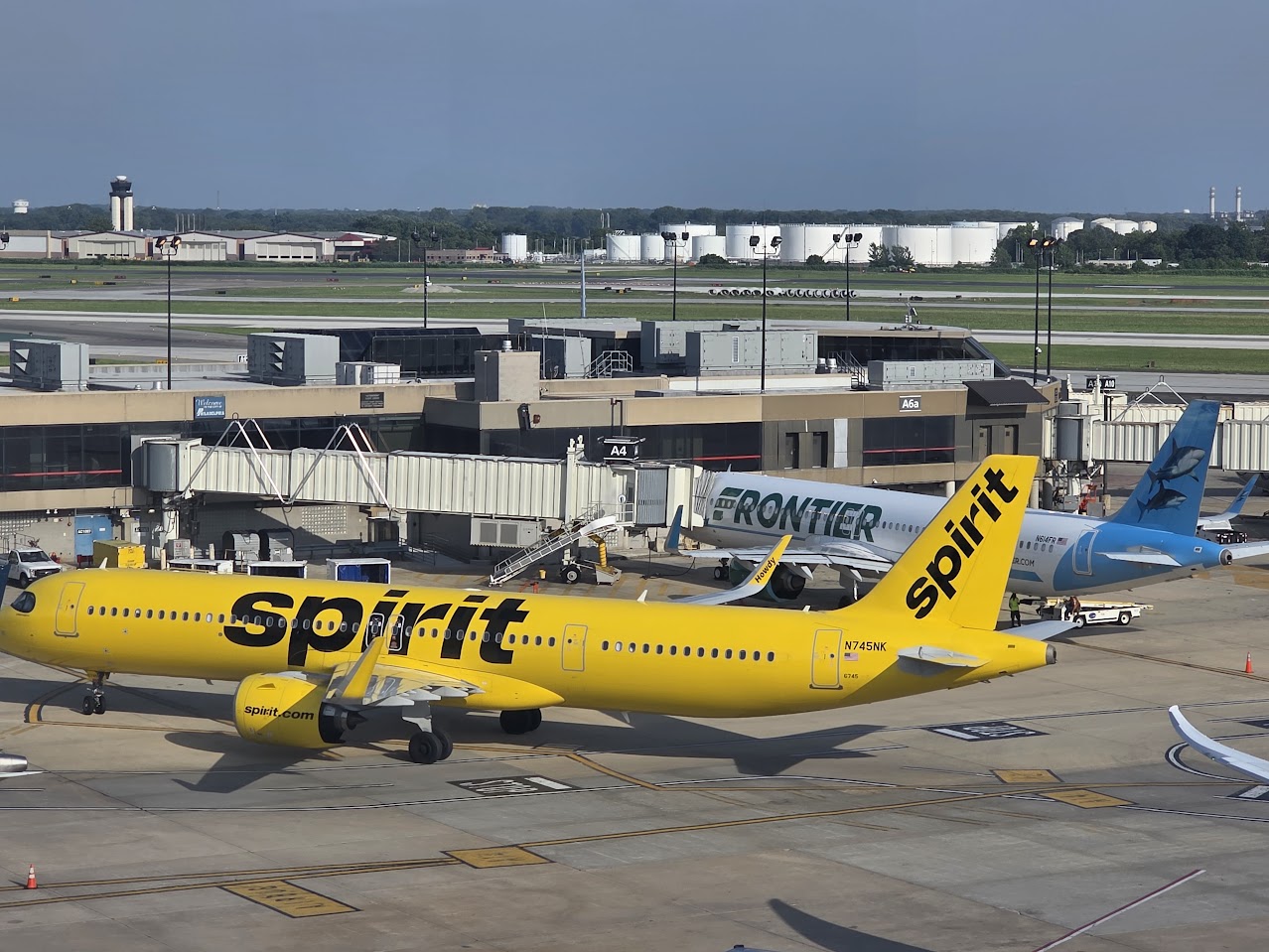
Spirit and Frontier originally announced an agreement to merger in February 2022. JetBlue then outbid Frontier, the Biden administration blocked that deal, and Spirit wound up in bankruptcy. Along the way Spirit and Frontier talked merger again several times. Each time Spirit wanted too much money, and ultimately cost its shareholders money.
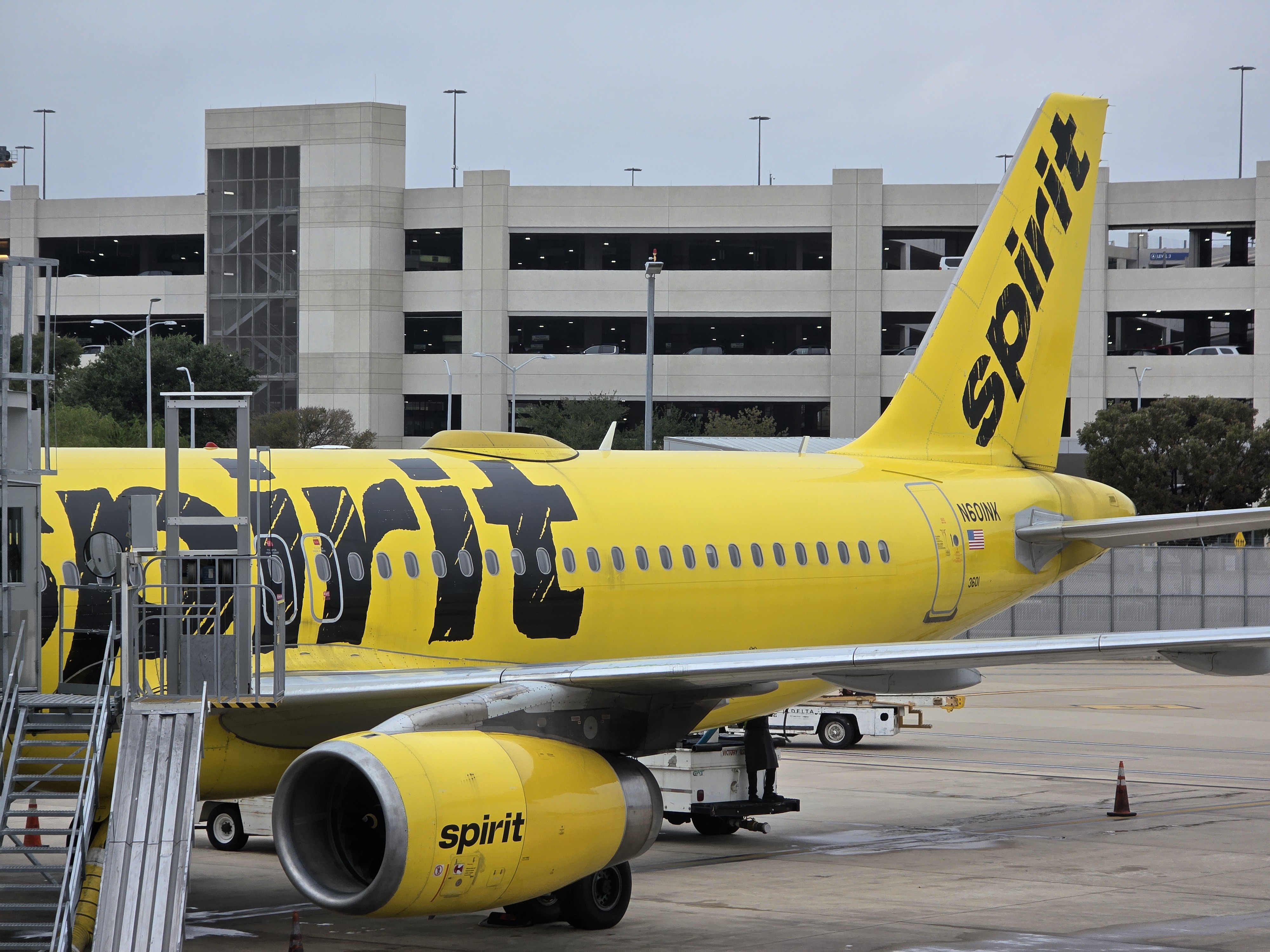
Frontier CEO Barry Biffle was announced as departing on Monday and now there’s word that merger talks between Frontier and Spirit are back on. Those two seem related.
Earlier in the month I wrote that JetBlue founder and Breeze CEO Dave Neeleman said the two airlines would merge because it made too much sense, and didn’t make sense for them not to. His argument was:
- “I think Spirit and Frontier need each other…[Frontier CEO] Barry Biffle may not say that, but they do.”
- “Spirit’s restructuring is meaningful” referring to flight attendant and pilot cost reductions as well as cash raised.
- Spirit and Frontier “need the synergies” because “there’s room for a ULCC in the U.S. but probably not two.”
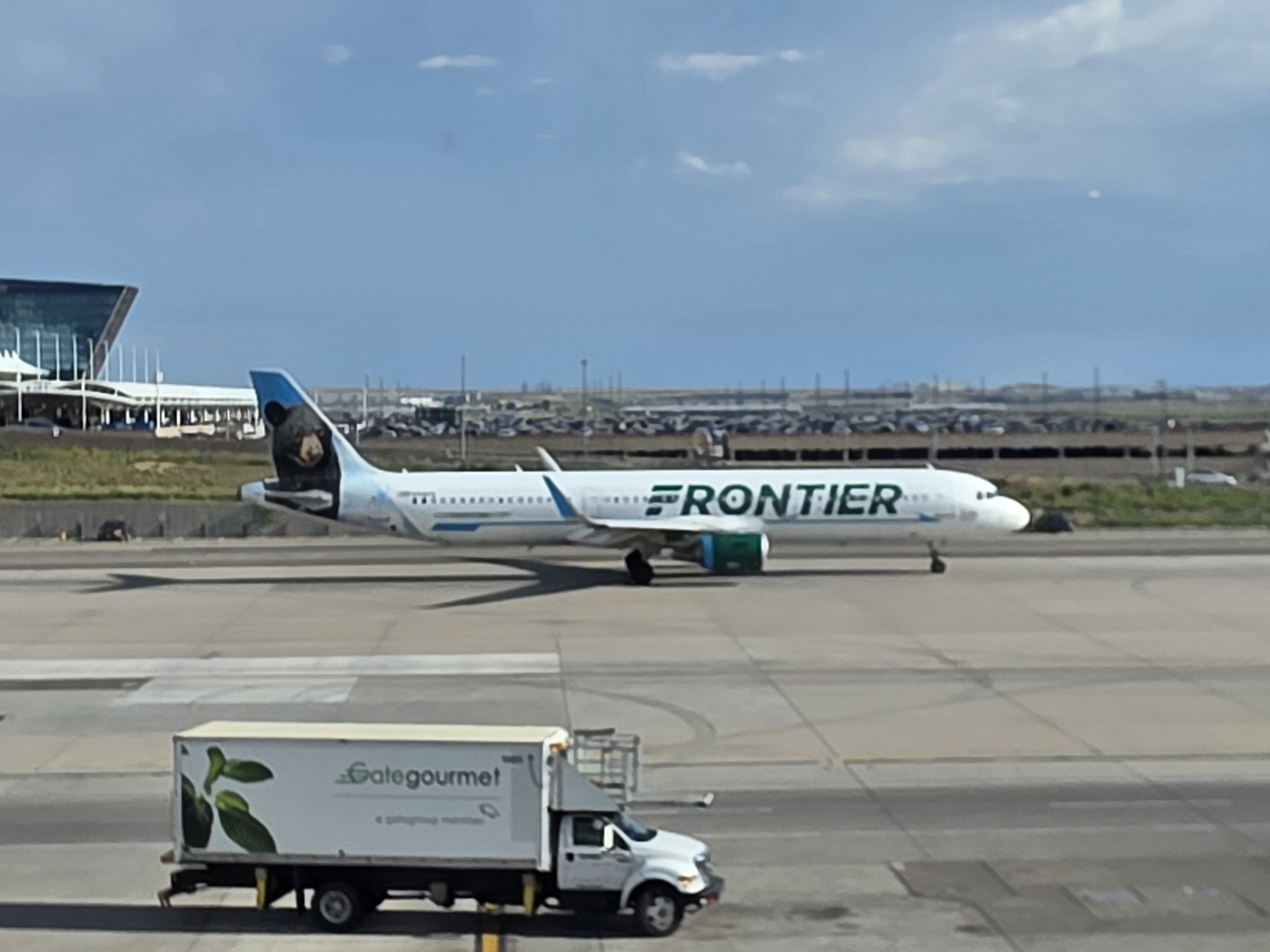
Ultra-low cost carriers in the United States have struggled since the pandemic.
- Their cost advantage eroded, as pandemic wage inflation affected everyone and airport costs have often risen.
- Consumer preferences changed, looking to pay for more differentiated service, and also wanting to travel to places that Frontier doesn’t service (and Frontier lacks partners who do)
- Major carriers became better competitors, dropping prices to match Frontier without cannibalizing their higher fare revenue (tuning basic economy so that high fare customers don’t want it, while letting them pick up business that might have gone to ultra-low cost carriers).
The industry’s profit driver is credit card, and Frontier was creative early in trying to make up for not having much aspirational to offer to cardholders. They revamped their loyalty program to offer status credit for every dollar of card spend before any other airline. But they can’t give you a lie flat seat, they can’t give you travel to Europe and Asia, and they have no lounges.
While legacy airlines found a way to compete on fare without cannibalizing their revenue base, they also have upsells to offer. Both Spirit and Frontier have pivoted to offer more premium products in addition to their bare bonus proposition. Frontier has had greater cost discipline as well, and their former CFO is now interim CEO.



I see a merged Frontier Spirit succeeding only in a chapter 11 filing again in less than two years!
Good luck to this combination of hot messes. No wonder Barry Biffle did not want his name on this.
The low quality ULCC model fundamentally does not work long term in the US context (where domestic flights are long and there are good roads for driving). Even Spirit and Frontier merging will not solve the problem unless they fundamentally change the business model (it will merely slow the bleeding).
Competing on price through quality cuts is a race-to-the-bottom. Profit spikes from quality-based cost cutting are temporary because they rely on effectively “tricking” customers (cutting quality while hoping they don’t notice until after they book at a comparable price as before). As soon as customers realize they have been duped their willingness-to-pay drops. This leads the airline to cut quality further to try and maintain the unmerited profit margin, leading to a further deterioration in willingness-to-pay. This becomes a doom loop until it literally becomes impossible to cut quality further (i.e. 28 inch pitch). At this point the brand reputation is permanently ruined, profitability plummets, and bankruptcy is inevitable.
It is also politically impossible to maintain market share and profitability through airport monopolization as a ULCC. The low quality of the airline will inevitably lead to demands for the airport to allow in better competitors. A premium airline with a better onboard experience, by contrast, has more political clout to be able to get away with having a large percentage of gate slots at an airport (within reason).
@Steven: Yes, I agree that the RyanAir model requires continually finding new ways to trick customers who have learned to avoid the old traps. I am puzzled how RyanAir remains successful.
No. Liquidate both companies. Any other airlines interested in the remaining assets can buy them on the open market.
All that follow travel (which I guess include readers of this blog) should be cheering for a combined Frontier and Spirit to succeed – mainly because we need low cost carriers to keep Delta, United and American honest in terms of pricing. And these low cost carriers allow more Americans to travel. Let’s hope these airlines survive, either independently or as a new merged entity.
What in Barry Biffle is going on?! Bah!
@Denver Refuge — Oh yeah, big-3 salivating over slots, crews, and a321s.
Don’t hold your breath.
100-odd Spirit planes would have to be reconfigured to match the larger Frontier, and just the IT merger portion would burn through money neither Spirit nor Frontier have.
Perhaps Frontier will also file Chapter 11. That would let the new airline start fresh, although that still won’t address the fundamental ULCC stuff.
Watching the pilot contract machinations with Spirit pilots already having taken an 8% cut will be entertaining.
Both airlines are all Airbus airlines in high density configuration for ULCC, route maps don’t overlap too much, and autopen isn’t in office. Yep, makes too much sense for it to not happen.
Barry probably wanted to get away from this slow moving train wreck.
Frontier’s working on adding “first class”, so I think Spirit’s LOPA will be the one to stick around (if this comes to fruition).
IT wise, they’re both on Navitaire, so the PSS Is easy. Spirit does full distribution, Frontier does not. Colorado vs Florida when it comes to employment base (although I’m not sure where Frontier does their maintenance, I believe Spirit still has their hangar in DTW dating back to Day 1). But I can see Broward County & the State of Florida coming to the table with some tax incentives to make this deal happen and move HDQ to Broward.
@haolenate — Nothing’s official; Gary and others are all just speculating. My bet would be the shareholders and management prefer a tax and employment landscape that benefits them and their profits, over people (workers and consumers), so, yeah, good bet on FL over CO. *sigh* Pilots will be fine; all else are getting screwed, even though they are all represented one way or another by their respective organizations. Ironically, that could be the holdup, regardless of regulators.
@Mantis — Oh, yeah, no anti-trust enforcement whatsoever; you wanna merge, acquire, exploit? Just pay your bribe to the king, and do as you wish. I wouldn’t be celebrating that though.
Had this happened in 2022 as planned until a greedy, well over its head B6 jumped in, NK, F9, and B6 would be in better shape today than they are. B6 is not going to last much longer as an independent airline and eventually will be carved out between carriers.
@lavanderialarry — I generally like your ‘hot takes’ on here, but, what are you talking about? Jetblue is ‘greedy’ no more or less than any other airline or for-profit modern US corporation. Yes, timing is everything, and consolidation in this industry is likely, especially during this next expected economic downturn, but I wouldn’t doom on B6 just yet. I’d be far more concerned at Spirit and Frontier.
Average normal Americans need them to both survive. Their low fares allow us to fly more frequently and take mini-vacations. I could not afford to do the same at the other larger airlines.
These ULCC allow people to visit distant family more regularly. Without the low fares, visiting family would be more difficult. I can get a RT for less than 150.00 from Michigan to Florida, 200.00-250 .00 last minute for the same route!!
Frontier is gushing losses. I have no idea of what a 100 money losing plane operation would do to change that. Neither airline is able to get fares that enable it to cover costs of operation. Just more planes too lose money on. But then again people at the top rarely ever deal in realities.
This merger only works if the resulting carrier has 1st class seats up front. Otherwise they’re missing out on the premium revenue from the leisure flyer who is willing to pay for it and can become a repeat customer.
Two wrongs don’t make a right.
A complete paradigm shift is needed, but it may be too late for both!!
How long for regulatory approval, a year? While Spirit is bleeding $3 mil a day Just liquidate it..