
Spirit Airlines announced today that they reached an agreement to exit bankruptcy and are targeting late spring or early summer. Their plan is to shrink and upsell.
Here’s the strategy:
- They will tighten flying around the strongest-demand routes and periods, with higher utilization on peak days and less off-peak flying. They will focus on key cities and reduce their presence elsewhere.
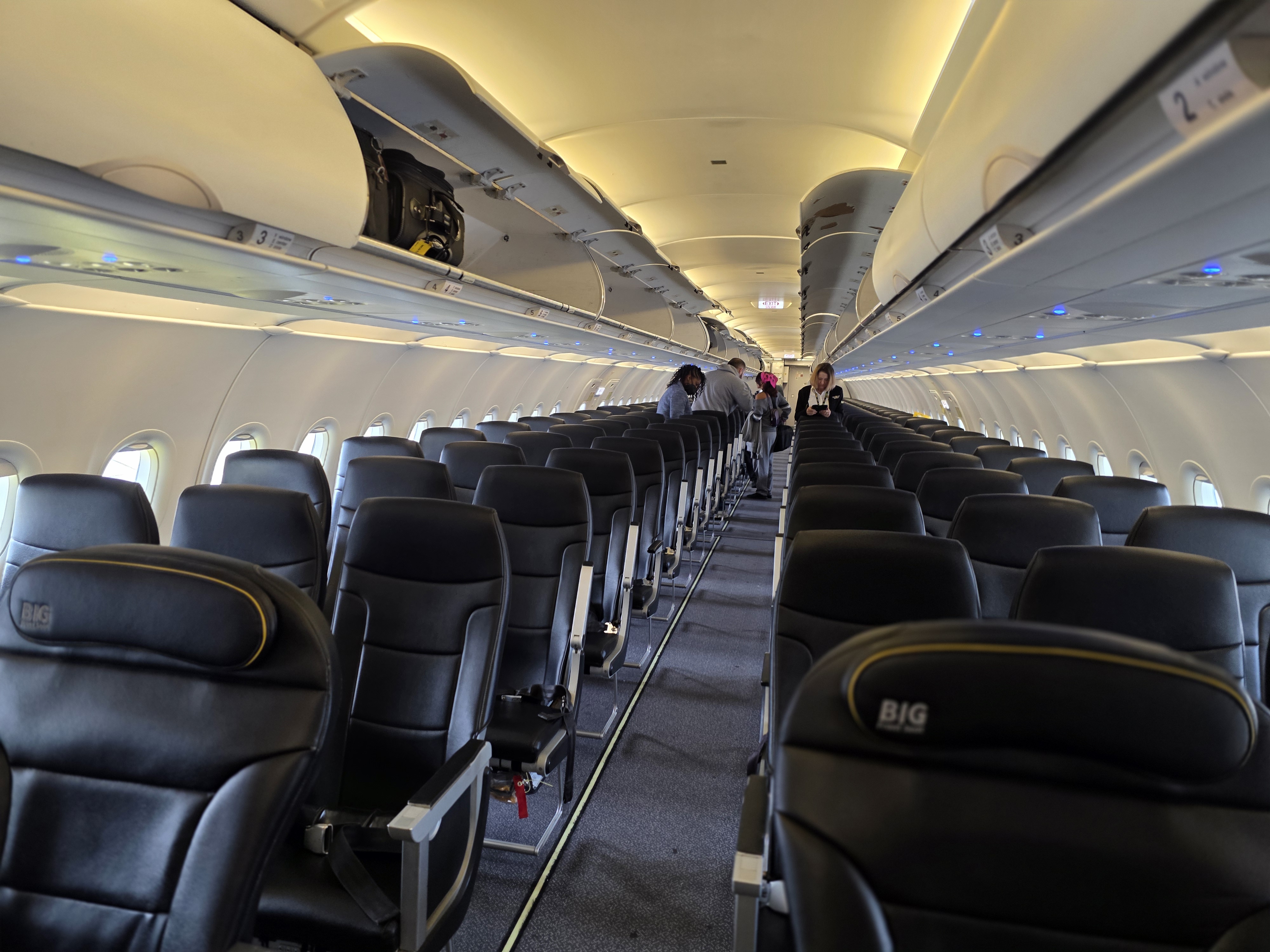
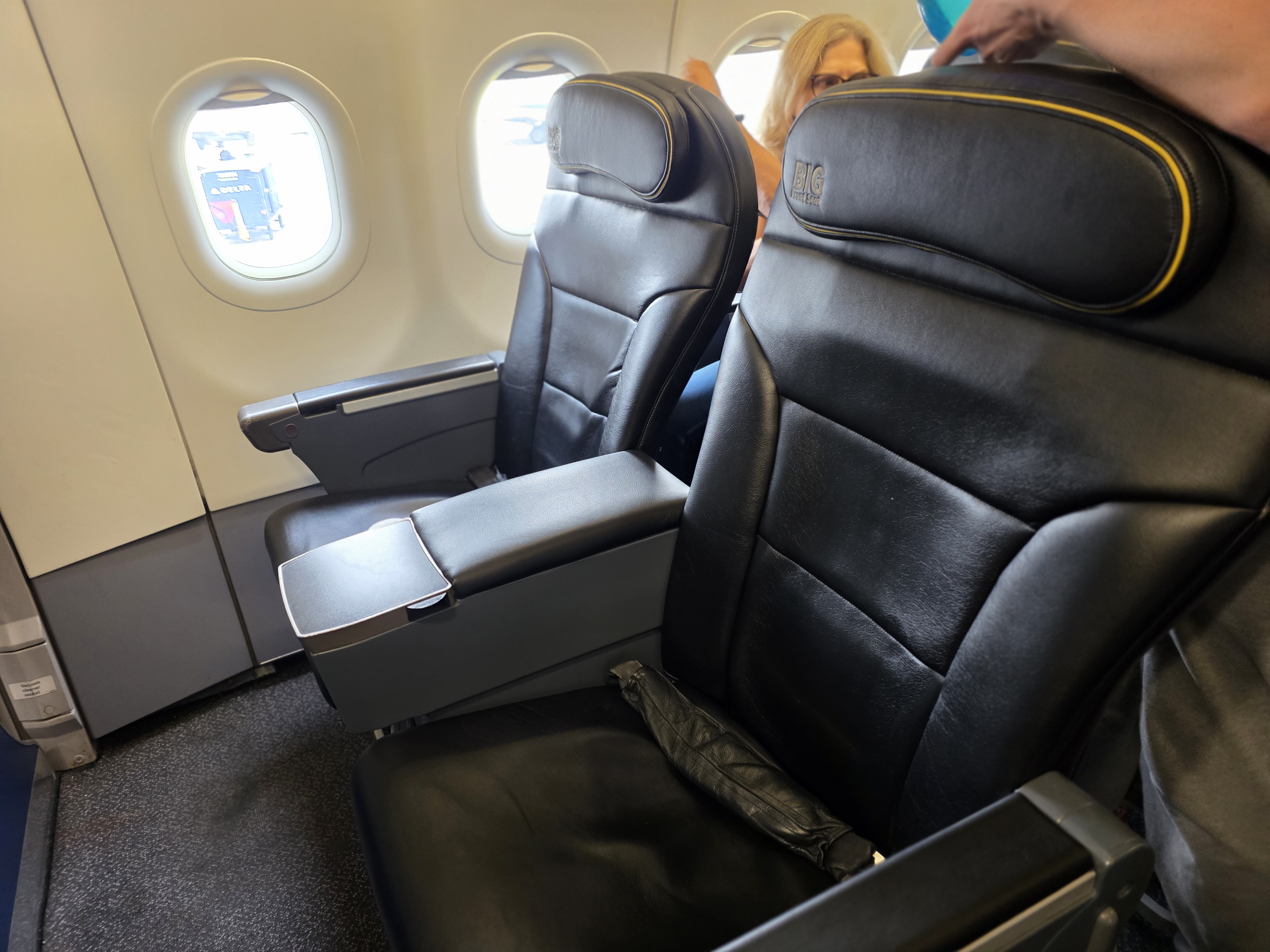
- They’ll expand “Spirit First” (Big Front Seat) and “Premium Economy” (extra legroom) seating, and they’ll work to improve their cobrand credit card business – an area where they’ll always lag without flat seats, long haul destinations and international partnerships.
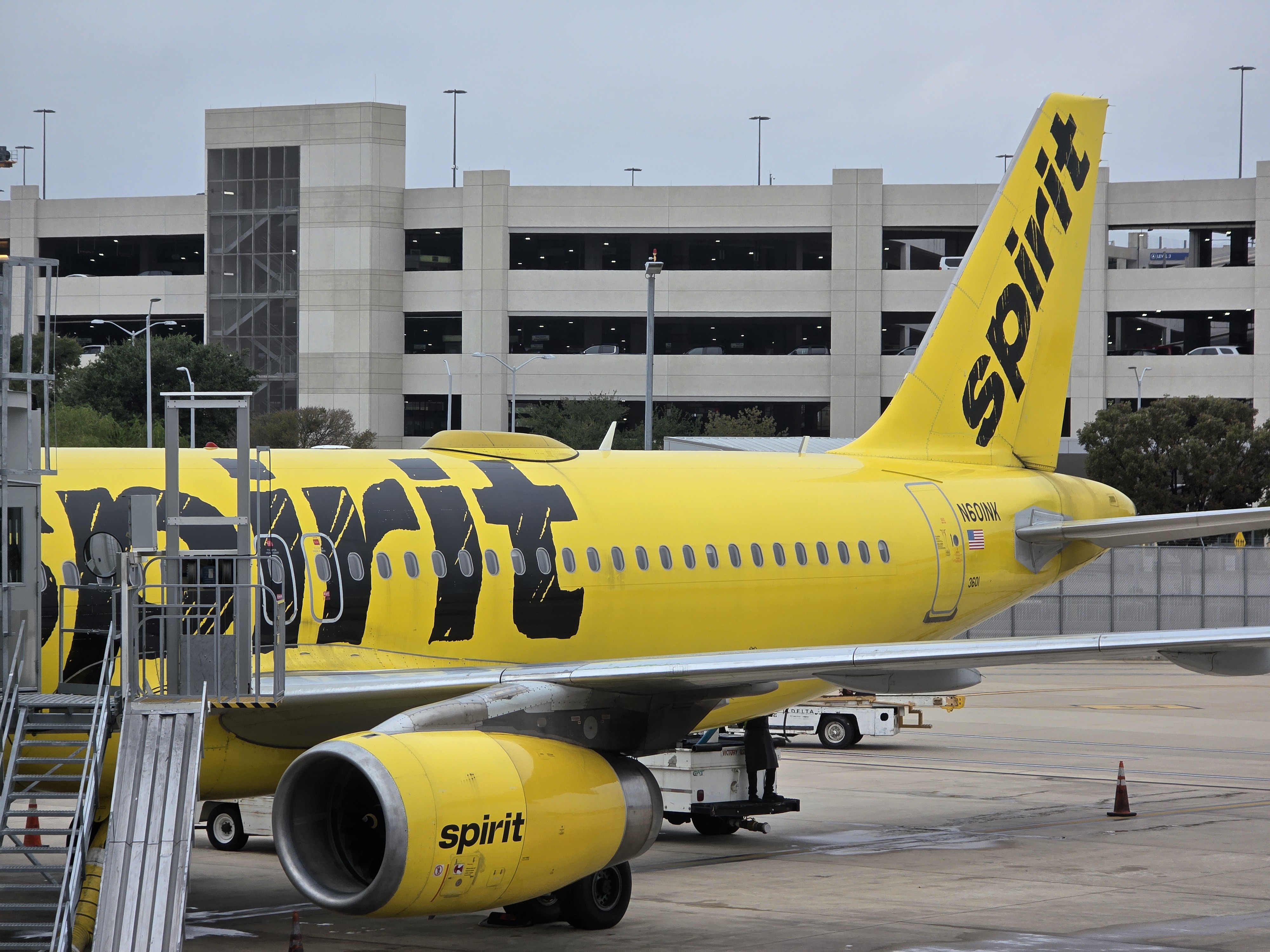
Spirit will have reduced its debt and lease obligations by over $5 billion in bankruptcy. They have agreements that lower labor costs. Their fleet costs fall about 65% by giving back and selling planes. They’re already flying about 30% less. But flying less means fewer seats to amortize fixed costs over. And flying less on off-peak days pushes that even further.
Will this plan help? Spirit Airlines has lower costs, but they also generate less revenue than competitors. They need to fill an entire aircraft with low fares, while airlines like United and Delta just fill their extra seats that way.
People aren’t really loyal to Spirit. They choose Spirit when it’s the best deal by enough to warrant dealing with Spirit.
- Spirit has a terrible brand. People expect a miserable experience.
- Their customer service and fees are expected pain points
- Seating, unless you’re paying a premium, is tighter than on other airlines making for a less comfortable experience.
They don’t have as many planes and flights as major competitors. So if things go wrong, you don’t get re-routed as easily either. Spirit is only the choice when they significantly undercut on fares. And major airlines only do not compete with them on price when they’re full at higher fares. That’s the basic problem with their business model.
It worked well for a long time, though. However things changed.
- Major airlines figured out how to match price without undercutting how much they can charge passengers willing to pay more. That’s basic economy – they offer a stripped down product (but still better in many cases than Spirit, e.g. seat back entertainment) that their premium customers don’t want. So they match price and can still charge regular fares.
- Passengers have been willing to pay more for a better experience. That’s been a gradual evolution over more than the past decade, acclerated by the pandemic, while Spirit’s reputation has gotten worse (oddly even as their operational performace until the last few months was quite improved).
They’ve lowered their debt, and they’ll lose less money with fewer planes and people doing less flying. But it’s not clear they have a strategy to generate a return in excess of their cost of capital.



That remains the issue. Generating higher revenue per passenger. The airline’s horrible image, including endless passenger meltdown videos make attracting the kind of passenger that would pay for Economy Plus or some form of first class difficult. A joke on social media today that the Orlando police department should just open a jail next to Spirit gates.
Not to mention even on the lower end the legacies will compete for basic economy flyers to fill seats but they have additional revenue streams and of course first and business class ticket sales. Spirit does not.
An emergence from Chapter 11 doesn’t mean a business is now financially sound, as the first bankruptcy illustrated. It means they have a plan/projection/budget to become cash flow positive and ultimately profitable. But just like most people that have a plan to lose 30 pounds many companies that successfully emerge from Chapter 11 fail. Unless the government gets involved.
@ Gary — Count me in, until our points are exhausted.
That’ll last maybe 6 months and they’ll be right back into bankruptcy.. The next time, liquidate it..
Liquidate now while there’s some value left, rather than waiting for the inevitable slide to zero. “First-mover advantage” and all that.
Spirit’s past policies did them in. When they gaslighted people into charging for carry on baggage when that baggage was clearly within their size limits, then awarded gate agents for every single one! Passengers don’t have short memories when they have been taken advantage of by their airline.
This must be the Spirit that the Department of Just Us was going for several years ago when the refused to let Spirit merge with another airline. Such a great call (sarcasm).
Good luck but I’ll never fly them again. If they’re serious, they’re going to have to paint the planes instead of that stupid yellow that everyone thought was a joke when they announced it. Then they’ll have to SERIOUSLY repair the damage to their reputation which resulted in them being the “ghetto shuttle” flying losers and criminals from housing project to housing project. It won’t work with someone like me as I’ve already sworn them off permanently and they could never offer a premium enough product to draw me back. The $29 crowd isn’t going to keep the lights on very long. This is their last chance.
Can they be any worse than Southwest or delta these days?
I’ll counter: Glad they’re sticking around for now. Competition is good. NK may not be your first (or fifth) choice, but more choices are still better than less. Hope they can turn it around.
I know this is purely anecdotal and thus doesn’t count for much, but I have always had perfectly pleasant experiences on Spirit, whereas flying Frontier is consistently like entering hell itself. So what exactly has Frontier done better than Spirit strategy-wise? Based on my experience F9 is the one that should be bankrupt and have passengers fleeing.