
My basic rule is to never book a brand new hotel if the stay experience matters. And especially never book it if it’s opening during busy season.
- Hotels frequently push off their opening dates. So if you book when they first make stays available, there’s a decent chance you won’t actually be staying there. And if it’s peak season, it may be tough to get relocated.
How each hotel treats this varies. Sometimes you’ll get told ‘tough luck’. Other times they might throw you some points. And in the best case you’ll get relocated to someplace comparable. That’s the least likely outcome, but there are travelers who will roll the dice and argue for a free stay or hope to wind up someplace nicer with the property covering the difference in room rate.
- Hotels open when they aren’t really ready. Not all of the hotel’s facilities are open. Construction punch lists aren’t done. You may see beds lined up in the halls, waiting to be placed in rooms.
- Service isn’t up to par. Everyone is just getting a feel for the property, is unsure of themselves and how things work. So expect miscues and for things to take longer than they should.
There’s some nuance to this, and one reader was lulled into complacency by Marriott’s Cleviá San Miguel de Allende, Autograph Collection which they booked for their daughter’s wedding in April 2026.
The hotel actually opened March 31, 2025 as a 74-room, 42-residence property. But it appears that it was actually only opened in phases and partially operational. One review from December notes that the hotel’s shell was complete but “only about 20% of the rooms” were finished and ready, with active construction going on throughout the stay. Then in January a Reddit report describes no wifi, no heat, water spreading across the bathroom, sewer smell, non-working phone, and non-working TV.
This reader had booked out the property with a contract for $63,877, and when the wedding stay came around they say that the hotel failed to provide habitable, safe, completed rooms. They were reassured over and over prior to arrival that everything would be ready and smooth, but that did not happen. They were still charged luxury rates, and Marriott washed their hands of the whole thing ‘because their contract was with the hotel, not with Marriott.’
When guests arrived, they reported non-functioning or nonexistent air conditioning, no running water or inconsistent hot water, septic odor including in the presidential suite, unfinished rooms, exposed wiring, missing fixtures, faulty plumbing, and room doors that didn’t lock. There was late-night construction, missing peepholes on doors and missing outlets. There was unfinished electrical work and open ceilings. Apparently some rooms did not even have AC vents, so air conditioning could not have functioned. And rooms in this condition weren’t even all ready as guests arrived at 7 p.m..
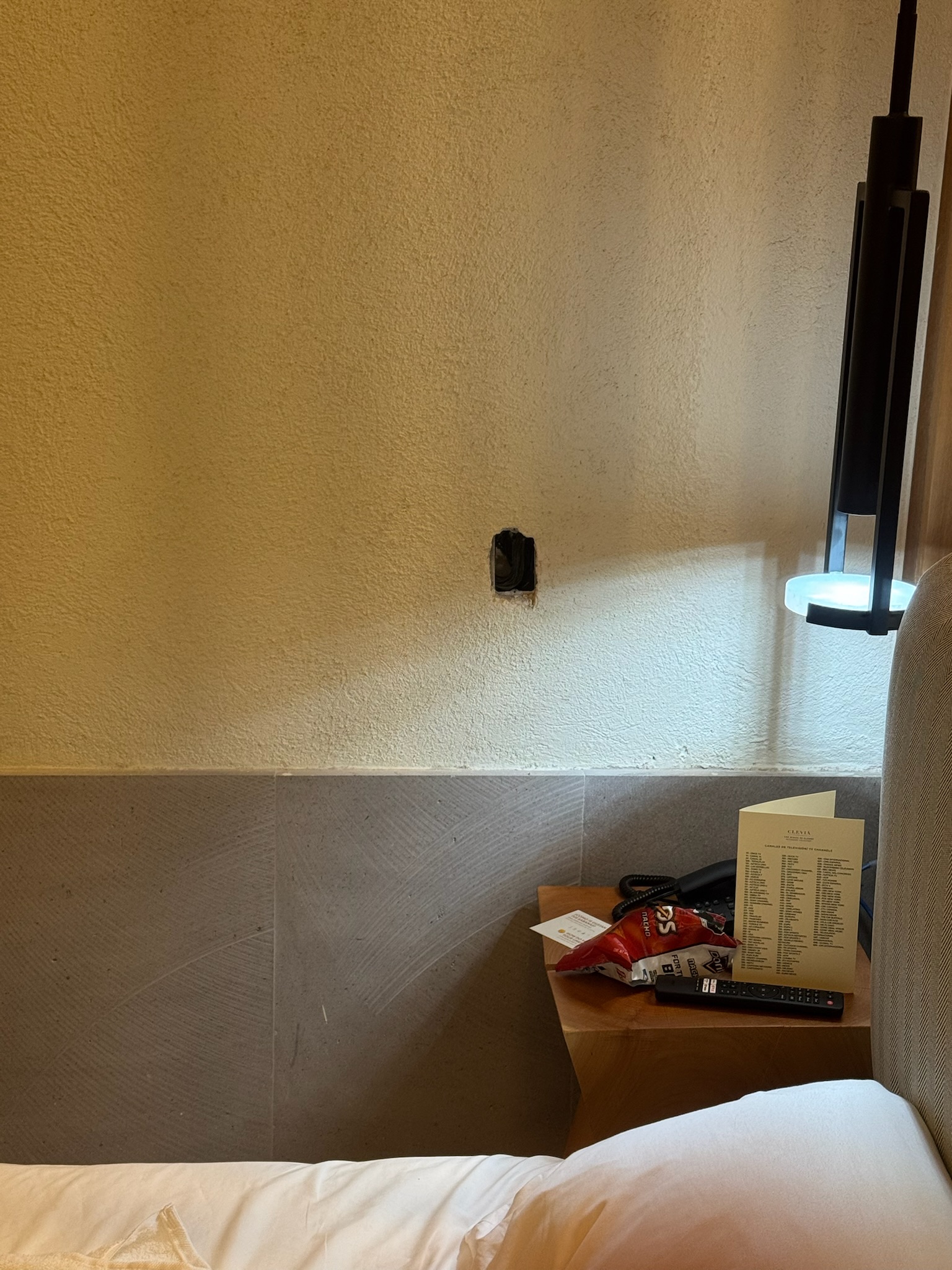
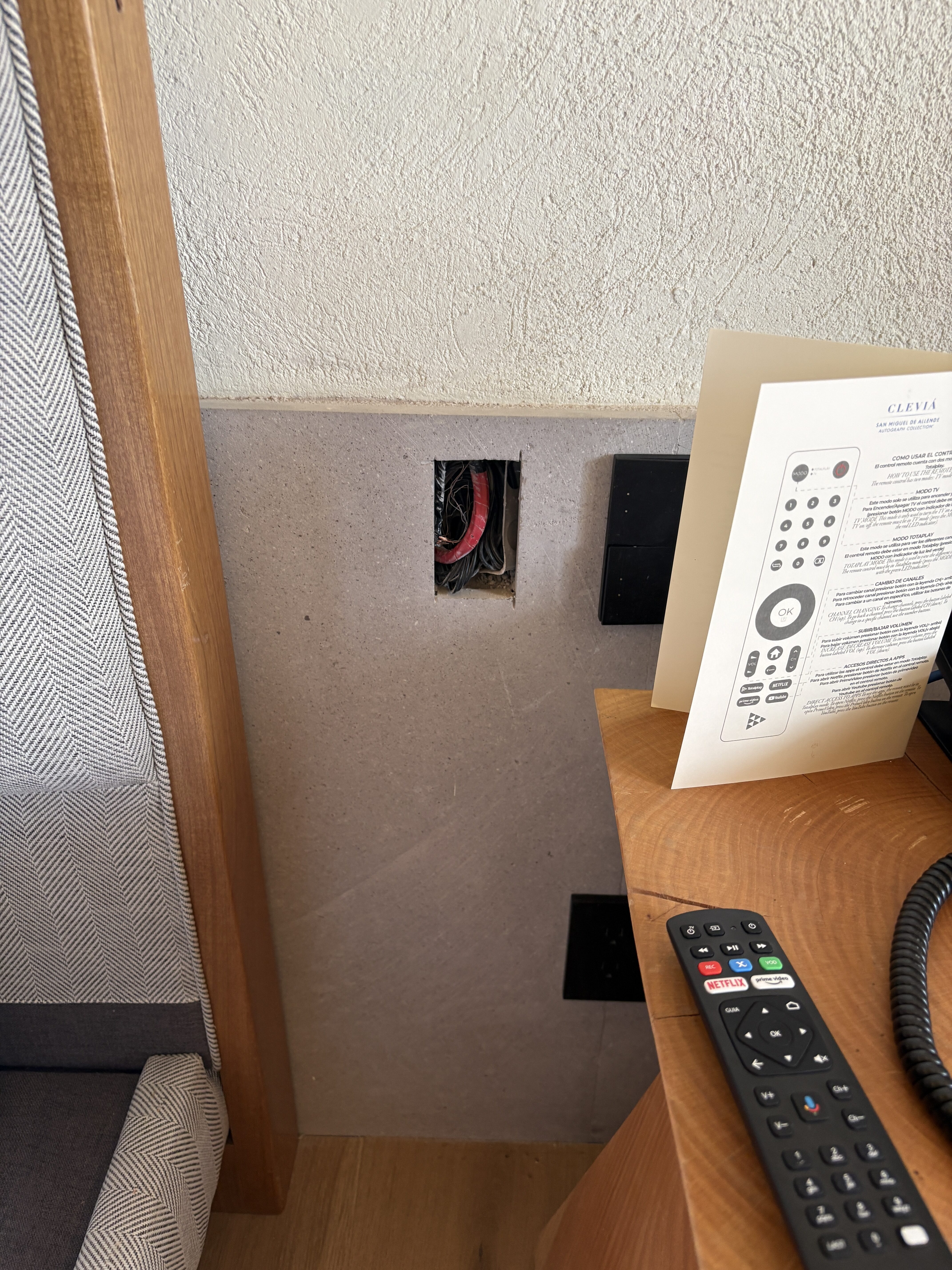
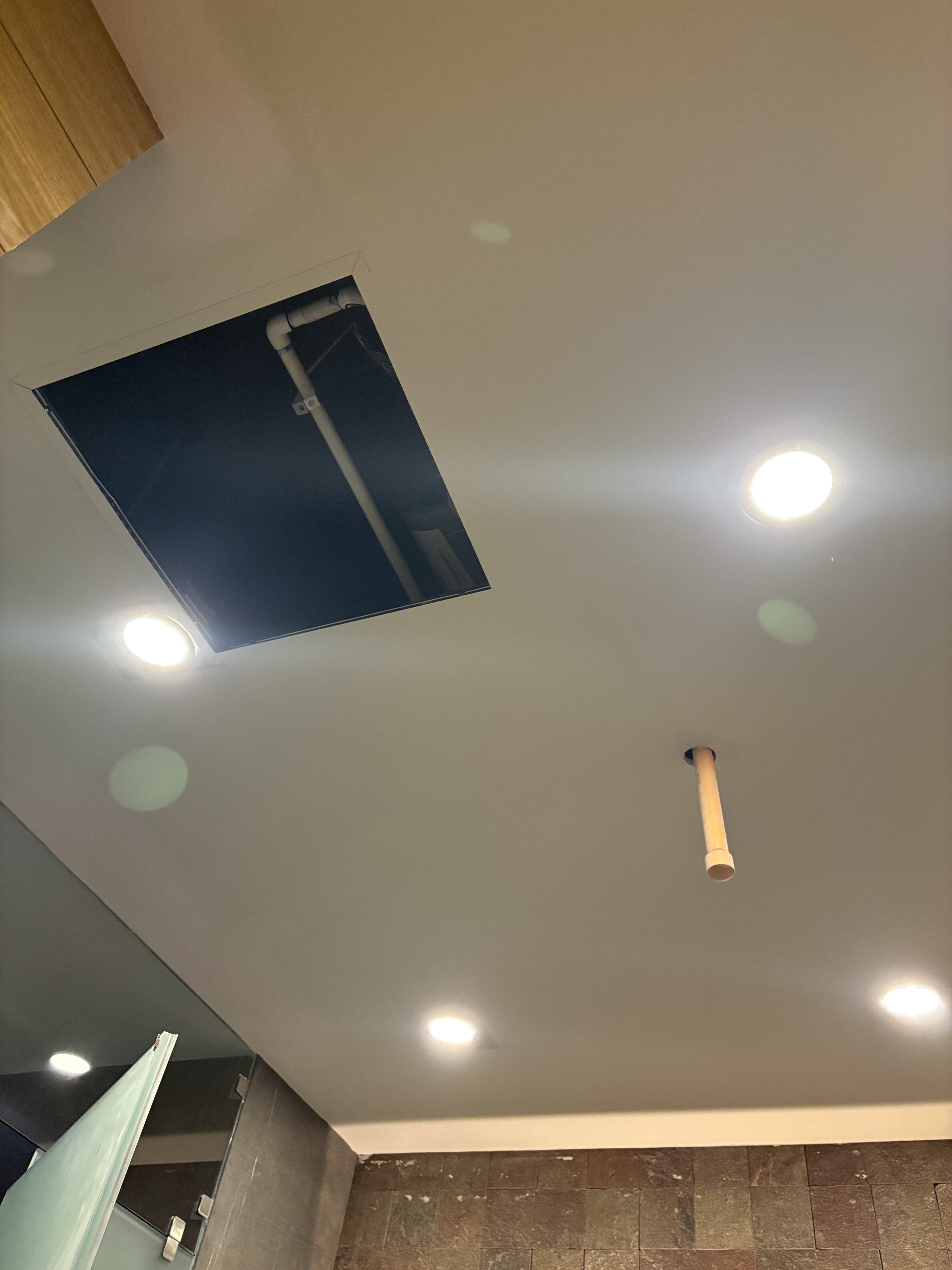
Given the size of the wedding party and Holy Week demand in San Miguel, the group’s organizer says it was too late to move most of the rooms, though they did move 20 of the rooms. They had been repeatedly reassured everything would be fine – but if they’d known earlier what to expect they could have gotten a different property. So what should happen in this case?
- Marriott corporate opened a case after the guest complained to the CEO. Marriott first said they were concerned, apologized, and that they had shared the comments with hotel executive management, asking them to respond directly. After following up, Marriott said that they couldn’t get involved because the contract was with the hotel.
- She sought a 50% refund for guest rooms (100% for the suites) and 30,000 points for each guest who had a Bonvoy account.
- The hotel declined, so she reduced her ask to one night refund for guests who stayed three nights and two nights refund for guests who stayed four or more nights, plus 25,000 points per guest.
The hotel acknowledged issues in written correspondence, but suggested they tried to mitigate the problems – and that the issues weren’t really their fault (’caused by factors beyond the hotel’s direct control’).
We acknowledge that approximately thirty (30) of the seventy-four (74) rooms experienced technical malfunctions during the stay. These issues were caused by factors beyond the hotel’s direct control. However, we want to emphasize the following:
• Upon identification of the issues, our operations team responded immediately and worked to find a solution as quickly as possible.
• The hotel purchased additional equipment specifically to address and resolve the technical problems during your stay.
• Our staff remained available around the clock to assist affected guests and minimize any inconvenience.
They offered to refund the four suites, and one night per guest room, and provide 300,000 points to the host’s account (but nothing for guests). That’s as significant an offer as I have ever seen a hotel make, but it also doesn’t seem like quite enough.
It strikes me that the guest had a contract for rooms that met a brand standard and quality represented by the hotel. Rooms that did not substantially match that condition – such as a room with no bed, no functioning air conditioning, exposed electrical, no running water, major plumbing leaks, or active construction – should not be charged. That’s a room-by-room analysis. And then there should be an overall adjustment or tangible apology to the wedding party and organizer.
A hotel is usually pretty reluctant to provide a refund that large no matter how big the failure on their part, because it’s a lot of money. And Marriott doesn’t seem to be much help. Guests think they are booking ‘a Marriott’ which is a brand they trust (which is why they’re choosing the hotel!). In fact, Marriott is largely a booking and marketing layer on top of individually owned hotels, and the Bonvoy program delivers warm leads to the property’s sales funnel.
At the end of the day, though, I wonder whether this is as good as the guest will do and they should just take it and move on rather than fight? The hotel might decide to pull the offer, and even getting what’s on the table could become difficult.



Were they invoiced or did they pay by card? Could this win a chargeback? Would they have any reason to be concerned about a civil judgement in San Miguel?
I’ve personally found that hotels and resorts in Mexico are far more rapacious in general than in most of the rest of the world. It’s not specific to any single property, locality, or brand.
I’ve always wondered why.
Yet another reason why you do not do an event like this in Mexico because, ultimately, the contract is unenforceable for an American.
Destination weddings were always a bad idea. Not all of your nearest and dearest are happy to be trapped in a vacation for your celebration.
This is similar to a hotel having a major renovation and not being done for confirmed reservations. We had this happen in Mexico. But the inconveniences were minor for us, many had to locate to sister hotels.
¡Te han Bonvoyed!