
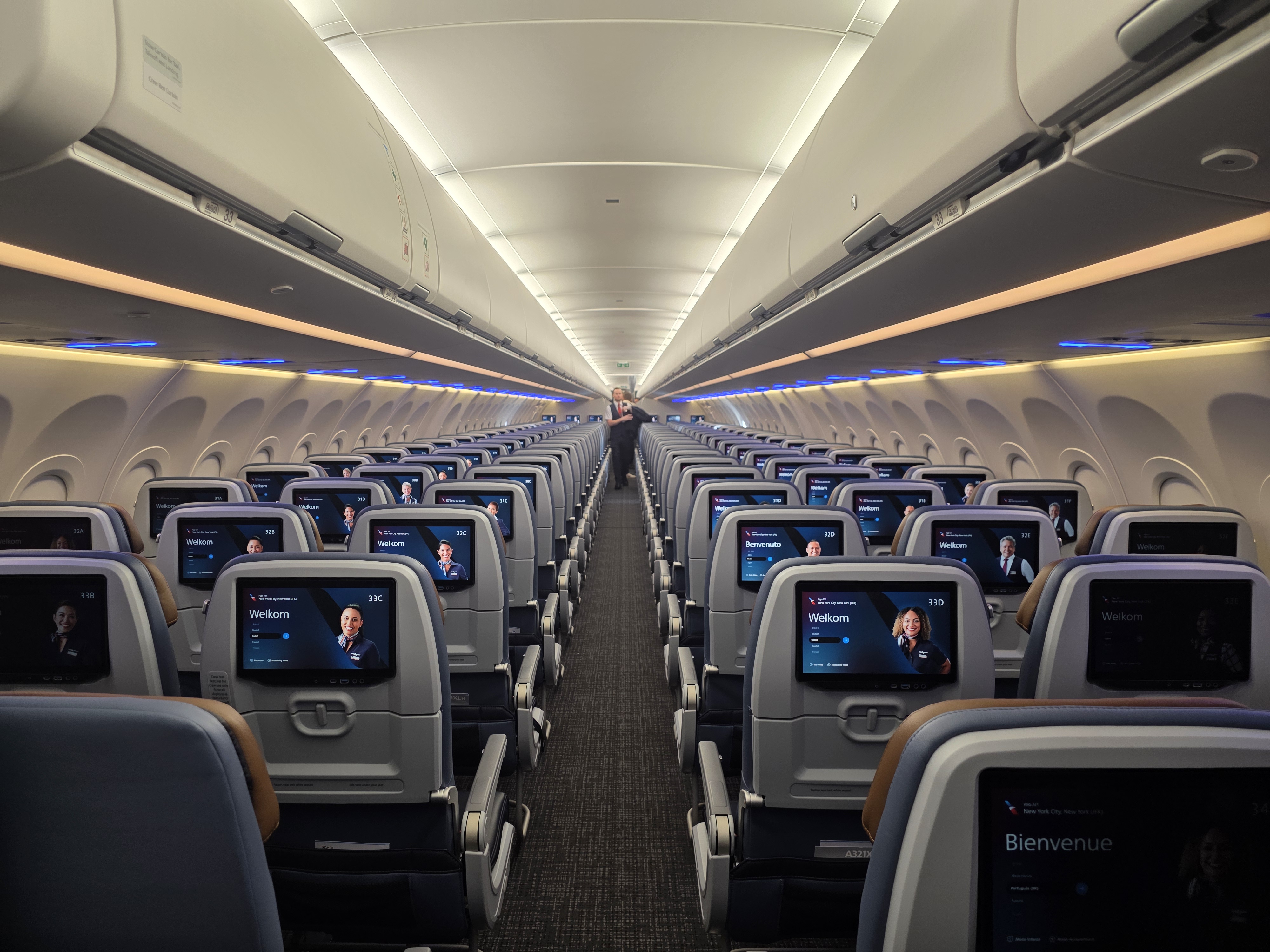
“Stay tuned” for news on American Airlines adding seat back entertainment screens back onto planes, according to Chief Commercial Officer Heather Garboden.
This would be a massive symbolic and experiential turnaround for an airline that removed the screens they already had starting 9 years ago.
American Has Been Making Real Progress Turning Around The Product
American’s net promoter score is up and they see a direct relationship between customer satisfaction and revenue – with each NPS point improvement yielding $50 – $100 million.
They have real investments in the pipeline in their airport lounges – with new and refurbished ones coming to Charlotte, Miami, Austin, Nashville, Washington National, Chicago O’Hare and DFW.

Rendering of New Austin Admirals Club
They’re adding first class seats to Airbus A319 and A320 aircraft. They’re bringing new 787-9 and Airbus A321XLRs into the fleet with new premium seats. They’re refreshing Boeing 777-300ER and ultimately 777-200 interiors as well.
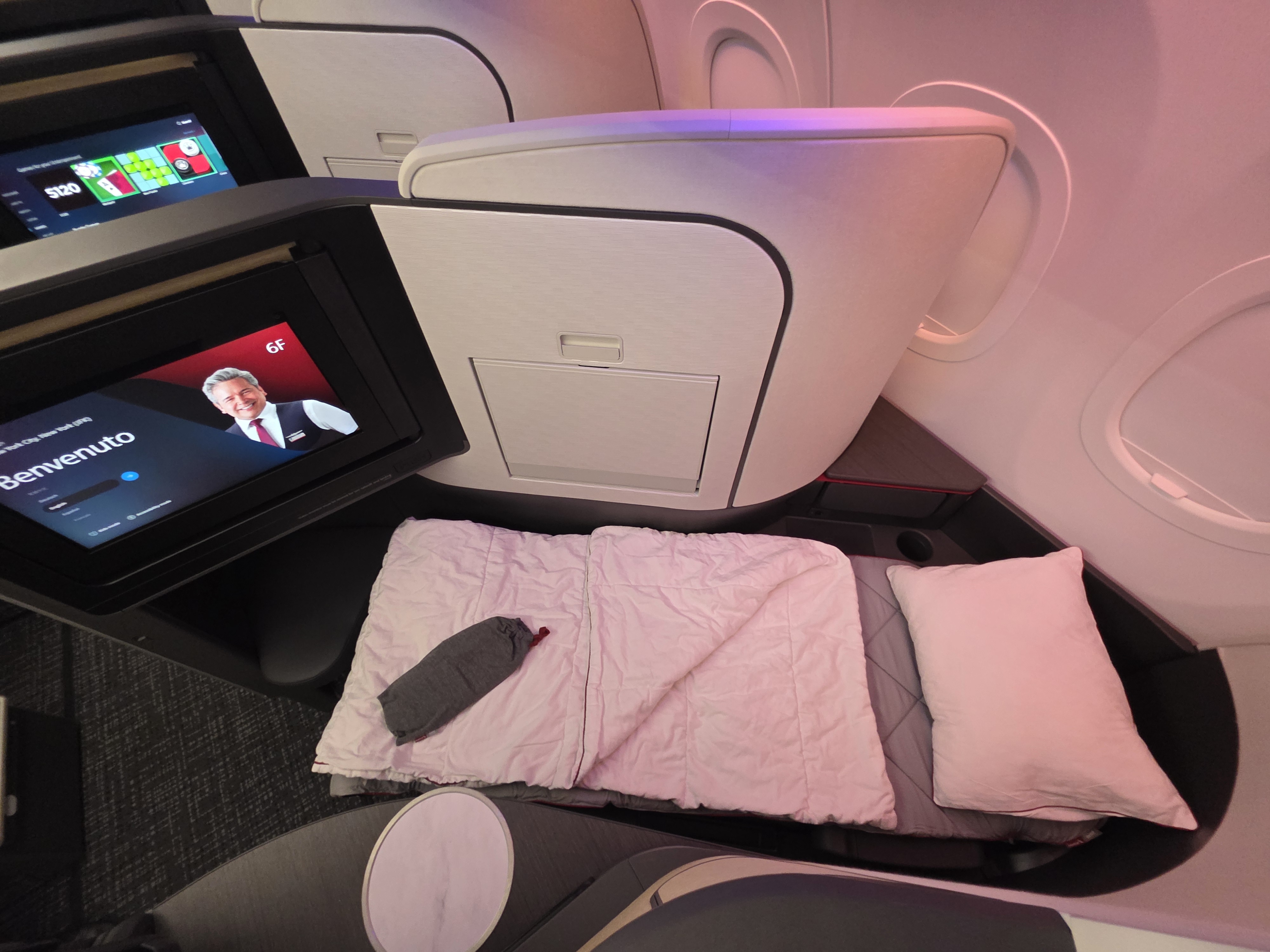
They’ve ditched the terrible coffee for Lavazza and upgraded the business class champagne to Bollinger. They’ve added free wifi across their narrowbody fleet (and some widebodies), though I personally preferred paying a fee which kept most passengers off the system and reserved more bandwidth for subscribers.

They’re even building a dedicated maintenance team that starts this summer to address “too many broken seats…too many IFE systems that do not work..duct tape where we should not have duct tape” in Garboden’s words at the employee ‘State of the Airline’ meeting after American’s first quarter earnings call.
Removing Seatback Screens Was A Mistake
American Airlines promised a ‘living room experience’ as part of their new standard domestic interior that debuted in 2017 with more seats crammed into the space, smaller lavatory, and dropped seat back screens. There were bigger overhead bins for faster boarding, and satellite wifi.
My living room of course has a television. And it’s right off the kitchen, but American scaled back its food for sale. The living room experience never materialized, and other airlines like Delta simply offered an experience that customers preferred.
- American Airlines decided a decade ago that they didn’t need to spend money on seat back entertainment. ‘Everyone has their own devices’ (phones) and they could just stream content.
- Delta, JetBlue and now United leaned into seat back screens. Furthermore, American ditched them just as the cost to deploy them was dropping significantly (you no longer have to run wires to each seat).
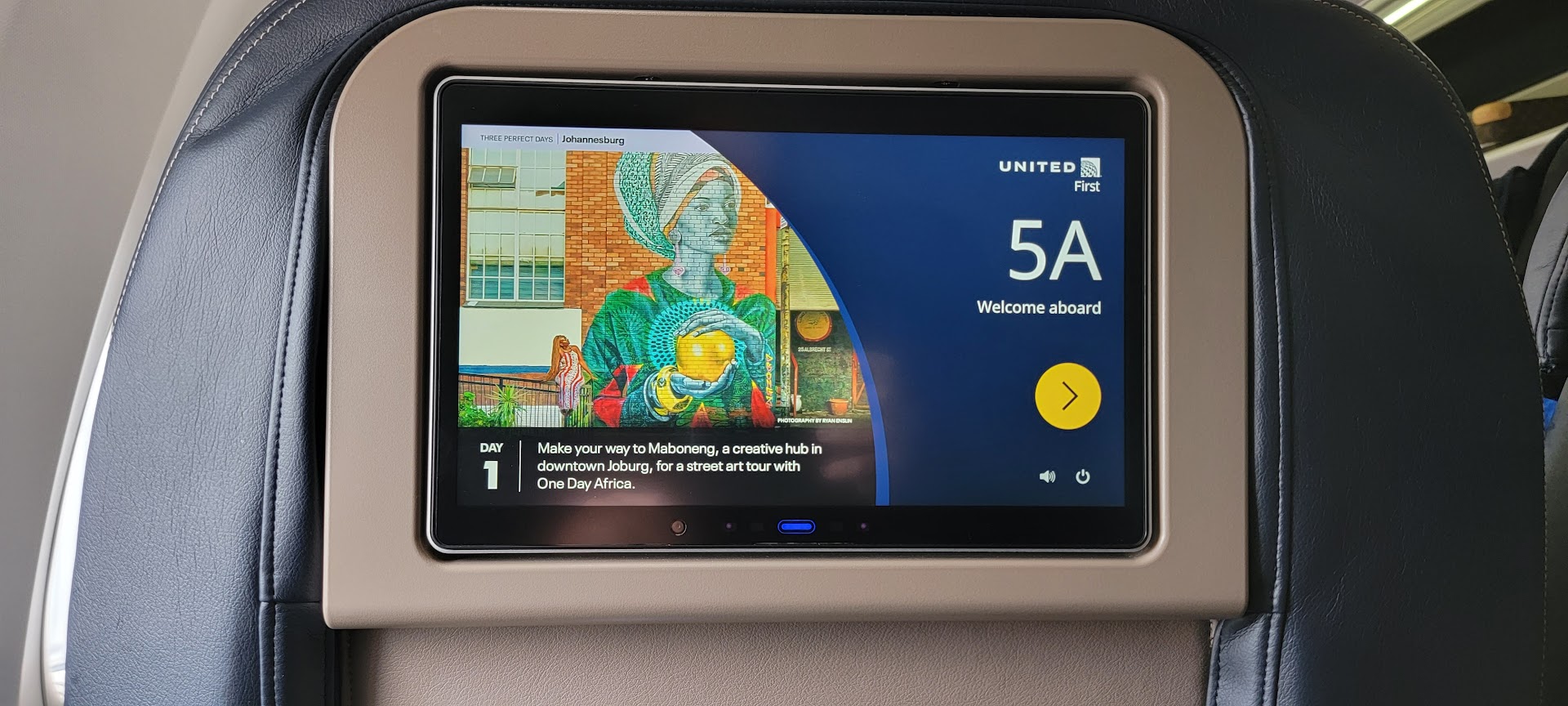
United NEXT Screen - Customers turn out to still love them. Not everyone wants to use their phone for this, they like larger screens and to do other things with their device while they watch something. Not every family has a tablet for each kid. And the screens look the planes look sharper and newer.
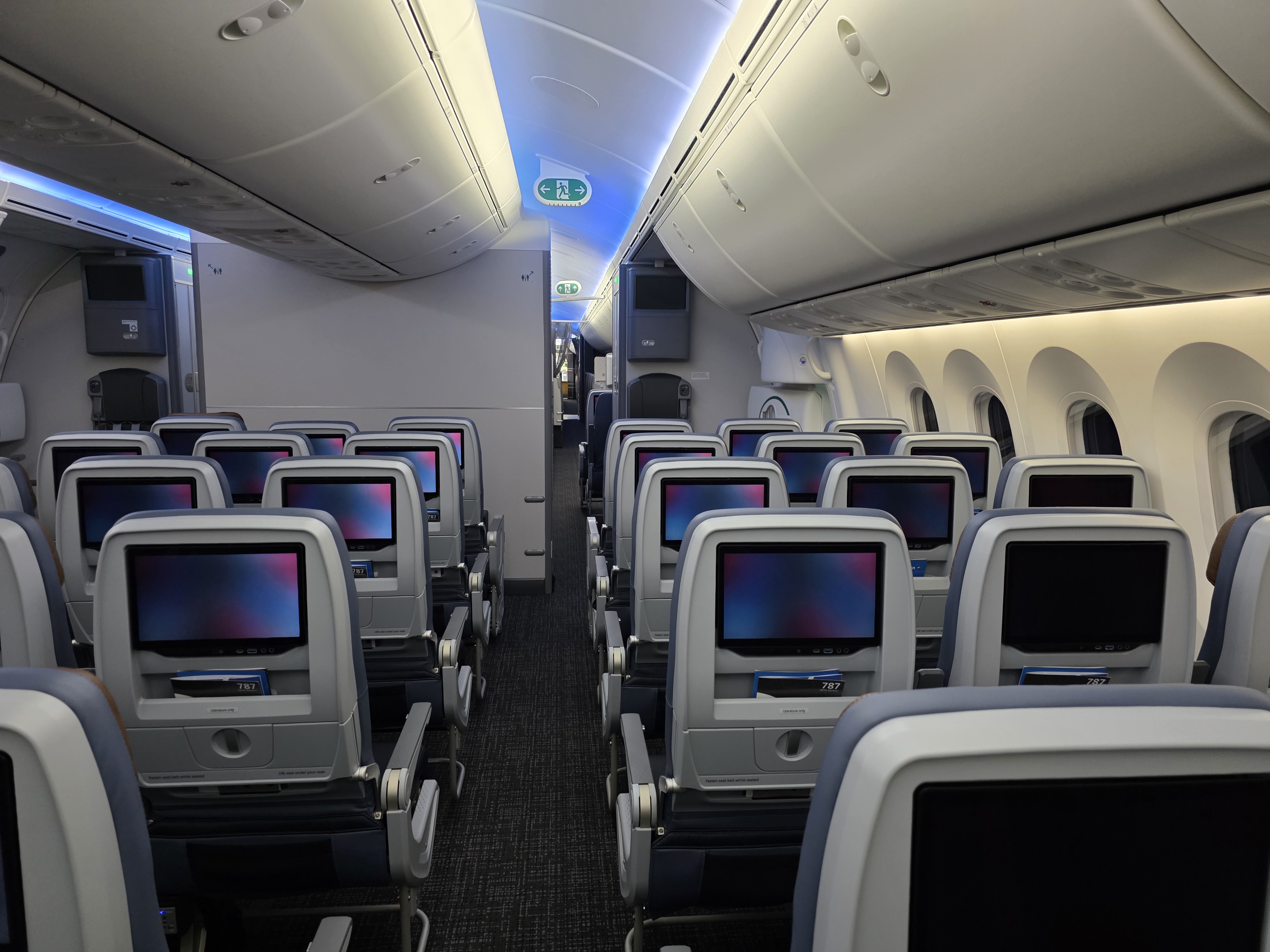
American’s Long Haul Aircraft Still Have Screens
American Airlines for too many years was too focused on costs, to the detriment of revenue. They were chasing the low end of the market, competing with Spirit and Frontier, just as passengers were becoming willing to spend more money for a better experience. And now they’re playing catchup.
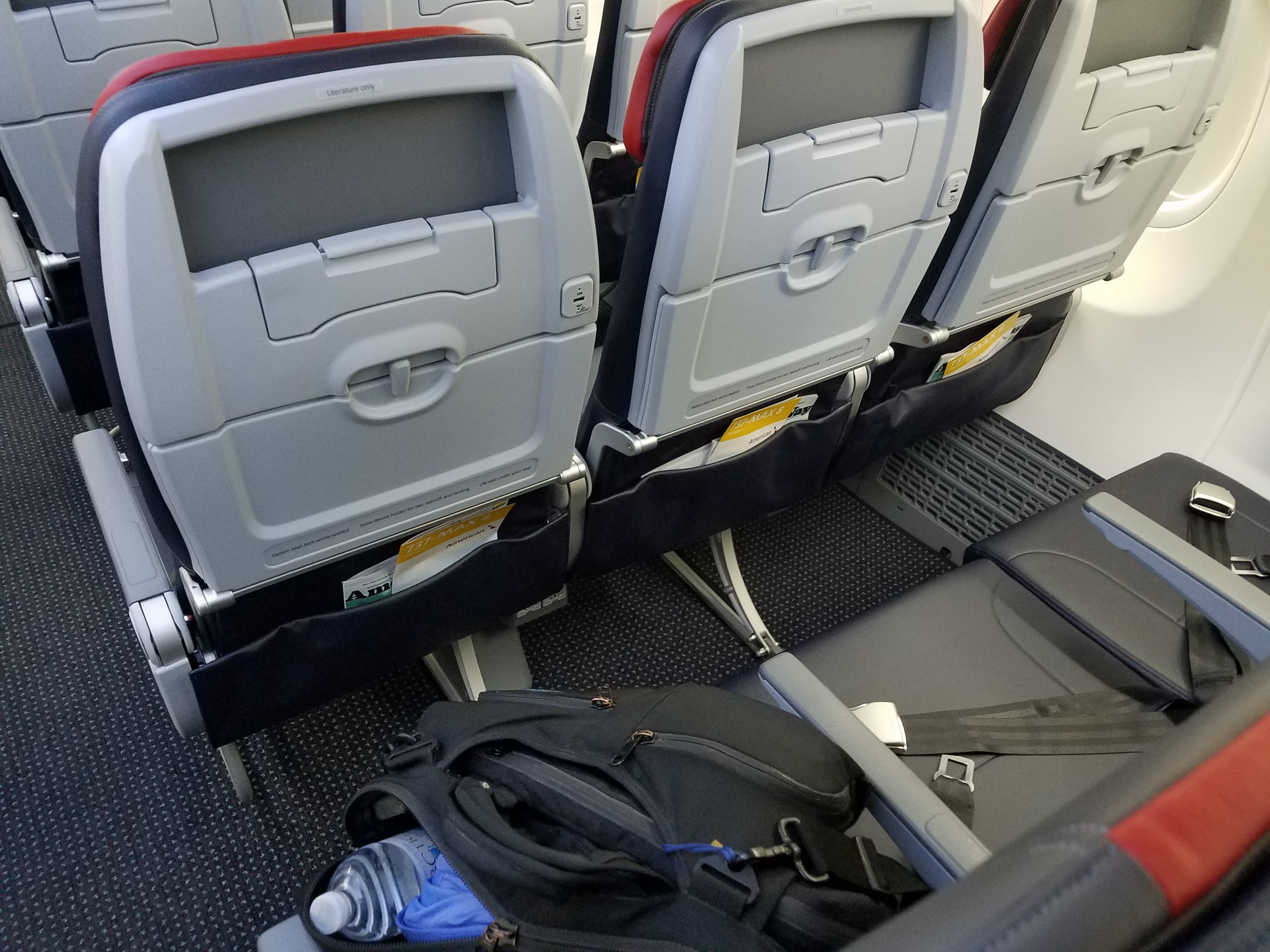
But having removed the screens from most of their fleet (and they’re about to do this on their pre-merger American Airlines Airbus A319s and cross-country A321Ts), it is more expensive to bring screens back than if they’d just put in screens with the seats years ago.
They also would have to take planes out of service, so the time to do it would be when they are doing retrofits to add first class seats to A319s and A320s or doing heavy checks anyway. Thus I would expect a long slow process if they do add screens.
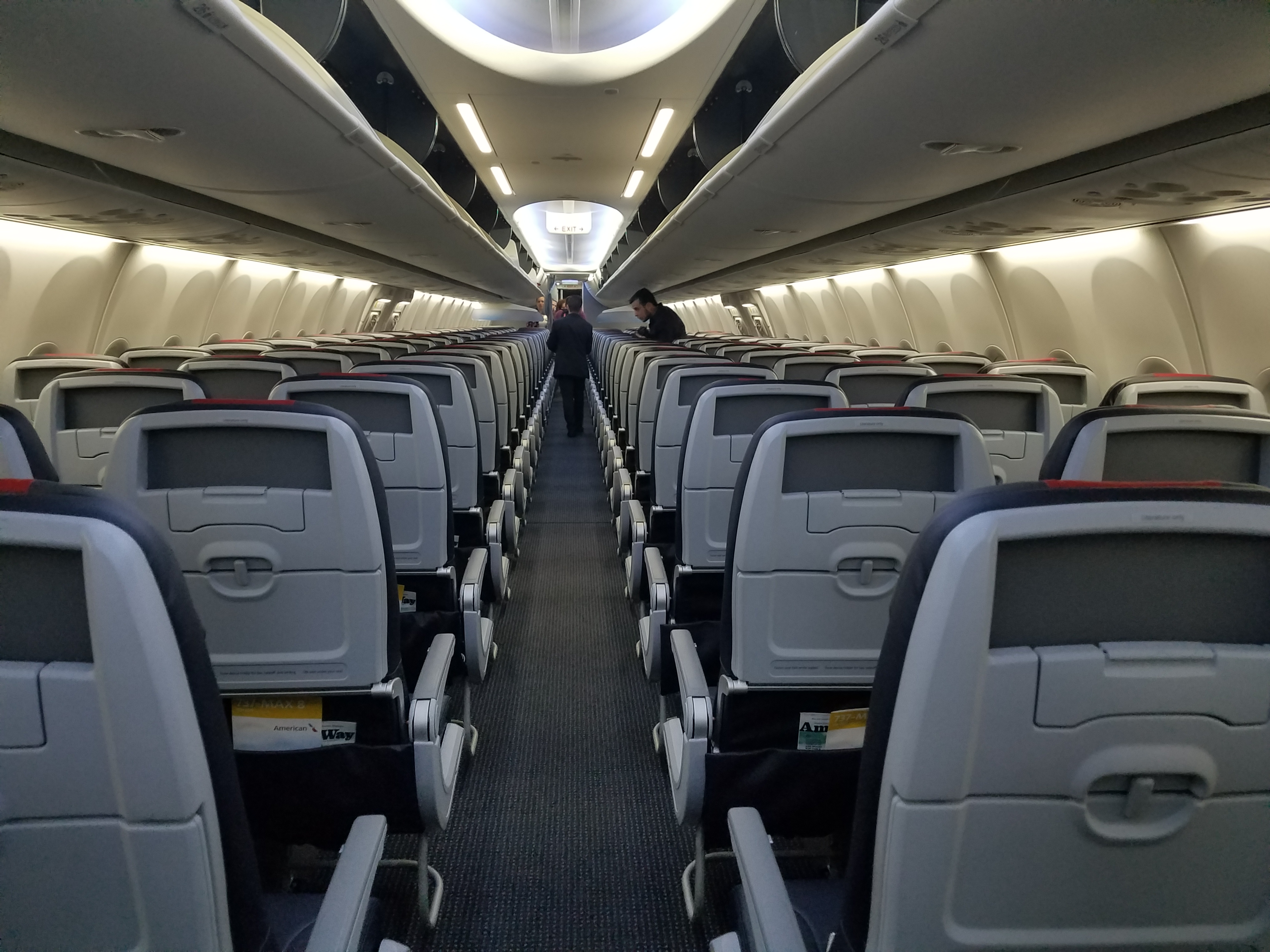
Seat back screens have been a recurring consideration. There was a real push to reverse things in 2019. That just wasn’t ever going to happen under Doug Parker, a The Bill Franke acolyte. They even publicly announced free messaging in 2017 and the CFO had that killed because it was too expensive.
What United realized is that they could monetize passenger attention. Their Kinective Media effort works to leverage targeted advertising through these screens. Delta has numerous partnerships and even a DraftKings deal in the pipeline to make money off of the screens. They’re focusing on revenue possibilities rather than lowest-possible cost, giving passengers the screens they want in a way that drives profit.
There’s Still More To Do
Top leadership needs to evangelize with employees the kind of product they’re trying to deliver, how premium customer service translates into greater revenue, which means more profit sharing – especially now that flight attendants have secured the same profit sharing formula that Delta uses (but they haven’t seen profits).
And there’s a long way to go in turning around American’s product. The chanpagne may be better but the wine program needs work!
Everything in the airline industry takes a long time, given the lead involved in aircraft interiors, the timelines for working inside airports, and the massive expense of aircraft. The backdrop of expensive fuel may not help, although the hope is that premium demand holds up better than more discretionary travelers. In that case, greater investment actually serves to help create a floor to the airline’s performance. It’s Spirit and Frontier that have struggled most in the industry.
Meanwhile, United has a 10-year head start on its turnaround but – outside of its mobile app and Starlink wifi installs – isn’t insurmountably ahead. And Delta’s once-vaunted premium lead seems to be slipping operationally and in onboard product. So there’s room for a rededicated American, if they keep their foot on the gas and begin selling a real vision.



An actual ‘premium’ airline has IFE screens, provides free WiFi, offers at least water and a little snacky on short flights (and full service otherwise), and doesn’t nickel and dime either its customers or its workers… so…
Good to see, and on my most recent flights on AA, there were some noticeable changes. Hopefully, sky high oil prices and the potential for declining revenues and demand don’t result in these efforts being drawn down substantially.
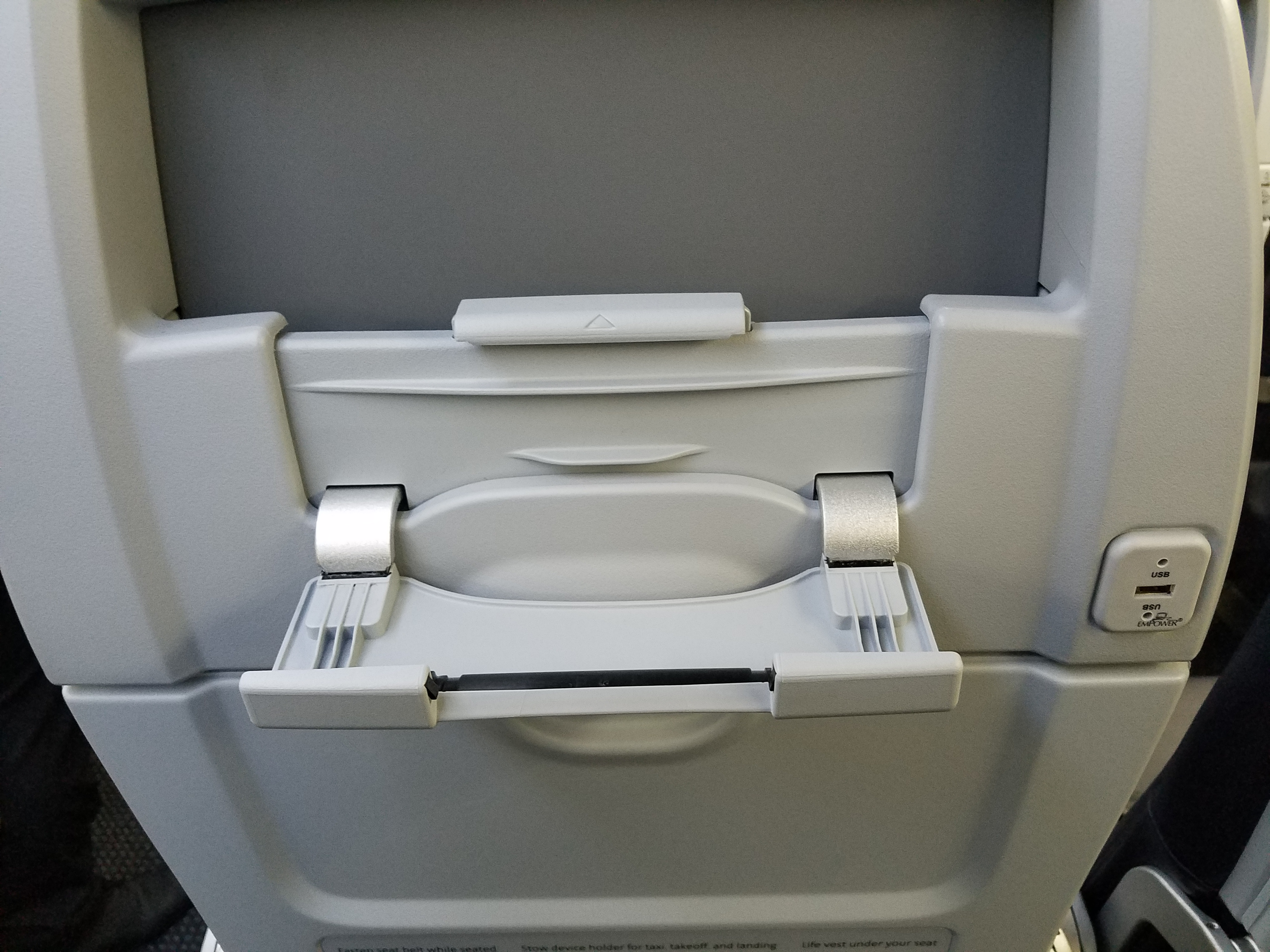
Count me among the people who don’t miss the screens on short-haul trips. I prefer the device holder that keeps my tablet/phone off the tray table.
That said, if they’re going this route, American should just integrate tablets into the seatbacks. All they need is power (already wired) and you can connect them with the same wireless IFE that already exists. If there’s an issue with a screen you can flip out the tablet and problem solved.
I am starting to feel good about some of the changes. I miss the moving map.
In my experience as an AA EP for years – I have never missed having a screen in the seat back on a domestic flight. Free WiFi is much more important. I also fly DL to certain markets and have had the person behind me agressively touch their screen (in my headrest) jarring my seat. Frankly I don’t understand why it is unreasonable to use your own device. Why it is someone elses (the airline’s) responsibility to entertain me for a couple of hours? It was also my observation on a recent 3.5hr DL flight that only about 1 in 10 passengers even used the screen.
@ Gary — Not holding my breath. AA needs to prove they can be reliable, clean, and friendly. I hope they succeed!
The idea that they did not have a screen for advertising purposes was silly. It also adds to a “premium” feel because it looks better. Whether you want a screen or not is irrelevant. Whether AA can design a premium suite with a large enough screen for the space that is not off-center to your head is irrelevant. The point is that screens are needed to help continue to monetize the cabin, and if their two major competitors have screens, they need to have them also.