
An American Airlines passenger says flight attendants moved an intoxicated and combative man into the empty seat seat next to him, ignored the three elbow strikes the man gave him and the bottle of wine thrown onto him, and then interrogated him because he spoke up and was traveling nonrev, while the assailant walked away.
He’s suing, and while it sounds like a terrible situation where he was treated unfairly, he has virtually no case.
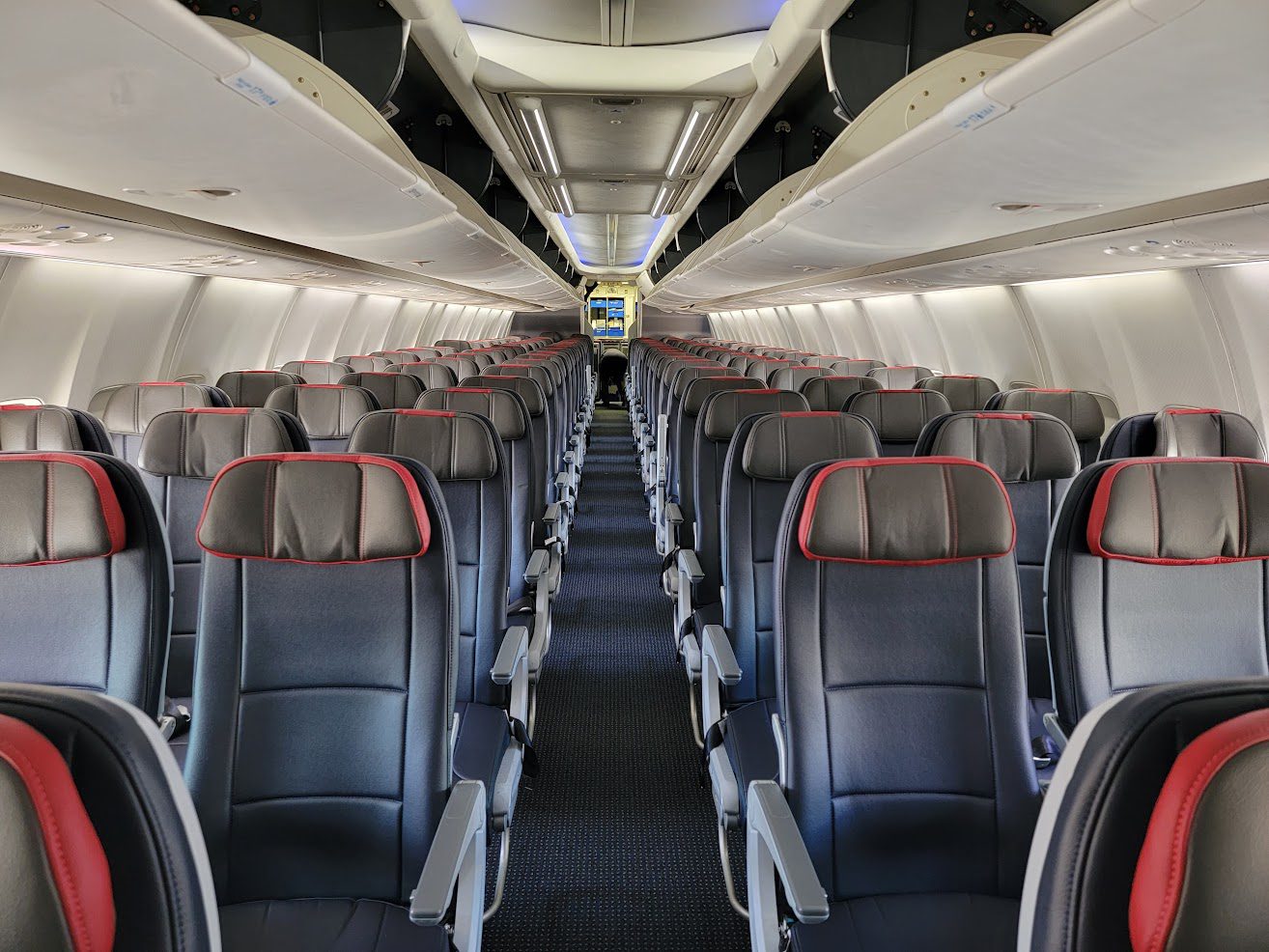
American Moved The Passenger Into Seat 17A
A Florida attorney was traveling from Miami to Los Angeles on American Airlines flight 2290 on September 30, 2025 as a nonrev traveler. He was a ‘D2’ using his mother’s flight privileges from her job as an American quality control inspector at the Miami maintenance hangar. He had seat 17B.
His federal lawsuit say she’d spent the day fixing his mother’s house in Miami Springs and didn’t drink any alcohol before going to the airport. He notes this because flight attendants would later accuse him of being intoxicated.
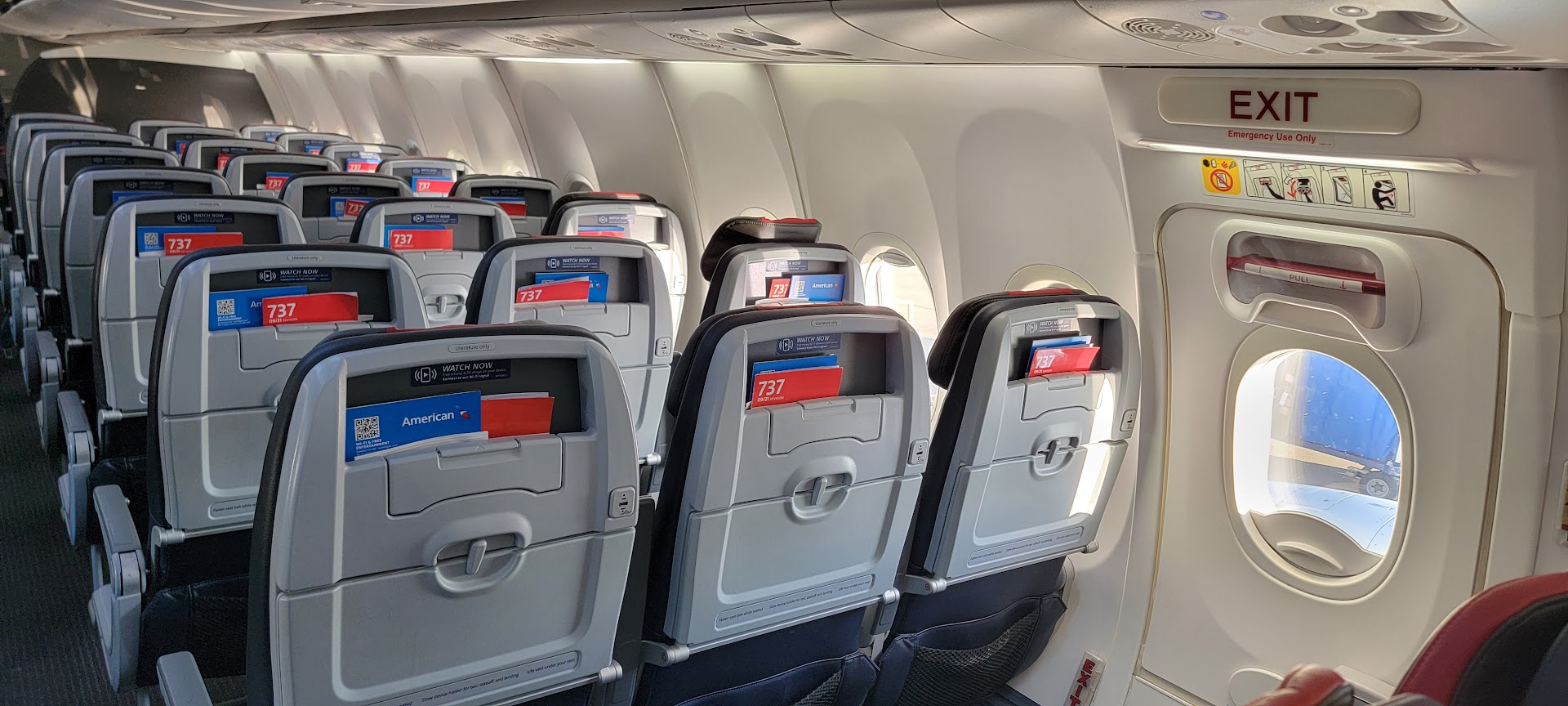
During the flight, another passenger who appeared to be intoxicated became involved in a fight with someone seated in an exit row. Flight attendants moved him into seat 17A beside Cruz. That passenger then:
- Elbowed the nonrev in the upper left arm and ribs three times.
- Threw a bottle of wine on him, soaking his clothes and belongings.
- Knocked over a a drink before he could consume it (so he never wound up drinking any alcohol).
He says he asked a flight attendant for help after the first elbow strike, after the second strike and after the wine incident but none was forthcoming so he started recording the incident.
On arrival in LA, he claims a flight attendant confronted him on the aircraft, demanding to know where he worked and accused him of lying when he said that he wasn’t an airline employee. She mocked him when he said he was an attorney.
“You are an attorney, but you fly D2?”
And she warned, “You can’t cause problems because you can lose your flight benefits.” He says he was told police had been contacted about him, but he later learned that wasn’t true. Meanwhile, the problem passenger from 17A was allowed to go on their way.
He says American conducted an internal review, crewmembers reportedly claimed that Cruz had been intoxicated, and his mother was questioned as his employee travel sponsor.
What’s Expected Of Nonrev Travelers
American’s employee travel guide explains D2 as the active employees and their listed eligible travelers. Those aren’t Buddy Passes (which are D3). The flight attendant was wrong that anyone traveling D2 must be an American Airlines employee (or that they can’t also be an attorney).
- The sponsoring employee is held responsible for the traveler’s behavior.
- Nonrevs are supposed to cooperate with employees, avoid drawing attention to themselves and accept ordinary service problems without complaint. Don’t complain about meals, broken entertainment, or make a scene of any kind.
- That doesn’t mean silently accept getting assaulted.
Most Of The Lawsuit Is Silly
If he was harmed by the passenger, that’s unfortunate. It’s also the passenger’s fault. He’s not suing the actual assailant.
The lawsuit, which was filed in the Southern District of Florida on August 10, 2026, has our hero representing himself. He makes five claims:
- Negligence. If American knew the passenger was intoxicated and had already been in an altercation, putting him beside another passenger and ignoring their reports of attack could create some modicum of responsibility. However, the lawsuit provides no real description of what made the passenger appear intoxicated, no details of the first fight and nothing to support his claim that the crew continued serving alcohol to that man. But this is the one real claim.
American can argue that the Airline Deregulation Act preempts claims challenging how flight attendants provide onboard services. In Mennella v. American Airlines (2020), the Eleventh Circuit held that negligence claims over an airline’s response to an inflight crisis and its training of employees were preempted. That’s an unpublished decision, but it’s strongly persuasive. On the other hand, safety is not a service airlines compete over or that passengers bargain for.
- Negligent Training, Supervision And Retention. The plaintiff wants to argue that the staff were poorly trained and supervised because the incident happened. But there’s no identification of any deficient training program, previous similar behavior, unfit employee or prior notice to American. He would want to go on a fishing expedition in discovery looking for that.
Weirdly, he claims every employee was acting within the scope of employment. But if I understand correctly (and readers with knowledge of Florida law on the matter please challenge this), negligent supervision and training claim would usually address conduct outside the employee’s scope of employment. If they’re acting within their employment duties, the issue would normally be vicarious liability?
- Defamation. Falsely calling the passenger intoxicated imputes a crime and is incompatible with his work as an attorney. But merely being intoxicated aboard an aircraft is not even a crime! Being intoxicated as a passenger isn’t incompatible with bar membership.
What’s more, the conversations that allegedly included this claim were part of an internal investigation. And in American Airlines v. Geddes it looks like a Florida appellate court held that managerial communications are basically the corporation talking to itself, and even privileged when part of an internal investigation.
- Intentional Infliction Of Emotional Distress. Because of course. A flight attendant mocking an attorney who travels as a nonrev and threatening his travel privileges just doesn’t rise to an actionable level here.
- Negligent Infliction Of Emotional Distress. He says he was hit three times and had bruising. But that’s just another version of the personal injury negligence claim.
He says he was bruised and his stuff got wet, and that this was stressful. At the end of the day, there just aren’t a lot of damages here?
(HT: Paddle Your Own Kanoo)



What do they say about attorneys who represent themselves? They have a fool for a client.
I hope he wins.
90% of the time when a paying (or non-rev) passenger files a complaint, the company sides with the FA because of union representation. This is why some of this particular airline’s FAs act like such entitled brats.
The key word in this story is “attorney”
Well at least he got AA’s (and the flight attendant’s) attention, gonna cost AA a lot in legal fees, and, dollar to a donut, he gets some kind of settlement out of it. Good for him.