
Delta Air Lines flight 437 was heading from Los Angeles to Boston Tuesday when its captain became ill. Detroit was almost directly enroute. The crew diverted, and on final approach the captain told the tower, with the understatement pilots are known for, “I’m gonna taxi the jet to the gate, and then I need to go to the hospital.”
The flight was operated by N707TW, a 1997 Boeing 757-200. It checked in with Detroit tower as an “emergency aircraft” on visual approach to runway 22L. This air traffic control recording opens by replaying the captain’s hospital line, then returns to the chronological exchange.
Delta 437: Metro Tower, Delta four thirty-seven, emergency aircraft, visual two-two left.
Detroit tower: Delta four thirty-seven, Metro Tower, runway two-two left, cleared to land, wind one-niner-zero at niner.
Delta 437: Cleared to land two-two left. Alpha Ten is the gate. This is the captain. I’m the one that’s ill. Um, I’m gonna taxi the jet to the gate, and then I need to go to the hospital.
Detroit tower: Roger. Delta four thirty-seven, you can plan an exit at Yankee Two. That’ll give you the quickest route to the gate.
"This is the captain. I'm the one that's ill. I'm gonna taxi the jet to the gate, and then I need to go to the hospital."
On August 25, the captain of Delta Air Lines Flight DL437, operated by a Boeing 757-200 (N707TW), fell ill mid-flight while flying from Los Angeles to… pic.twitter.com/wViWmgOSsz
— Turbine Traveller (@Turbinetraveler) August 26, 2026
Five Minutes From Runway To Gate
After landing the tower told the pilots to exit at Yankee Two, turn left on Juliet and call the ramp. There was a brief wrinkle: the crew had been sent a new assignment for A13, but another controller, apparently on the ramp frequency, didn’t think a 757 could fit there. The crew continued to A10, where people appeared to be waiting.
FlightStats records touchdown at 5:38 p.m. Eastern and arrival at gate A10 at 5:43. That is five minutes from wheels down to the jet bridge. The captain was conscious, communicating and apparently able to taxi.
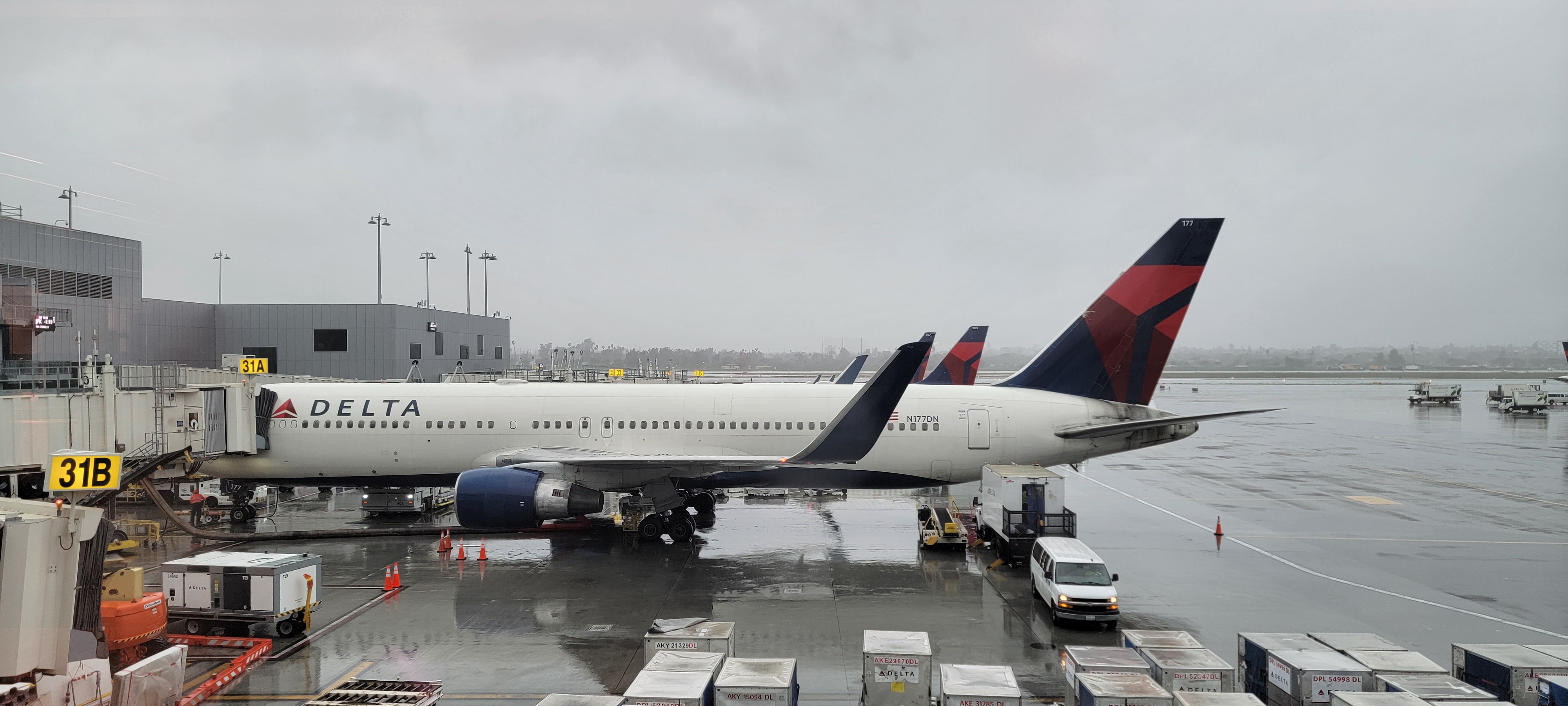
Where Was The First Officer?
Several commenters asked this as though the first officer was absent. It’s not clear who flew the approach or landing. In a two-pilot cockpit, one pilot flies while the other monitors, handles the radios and runs checklists. With the captain on the radio, the first officer may have been flying the approach and landing, and the captain then took over for taxi. It’s common after a first officer landing for the captain to assume control before leaving the runway centerline.
This captain was ill, but he was not totally incapacitated. Compare it with the Air Canada Express captain who suffered a seizure in June and had to be removed from the cockpit while the first officer diverted to Boston, or the Southwest captain struck by a head-up display during takeoff in April.
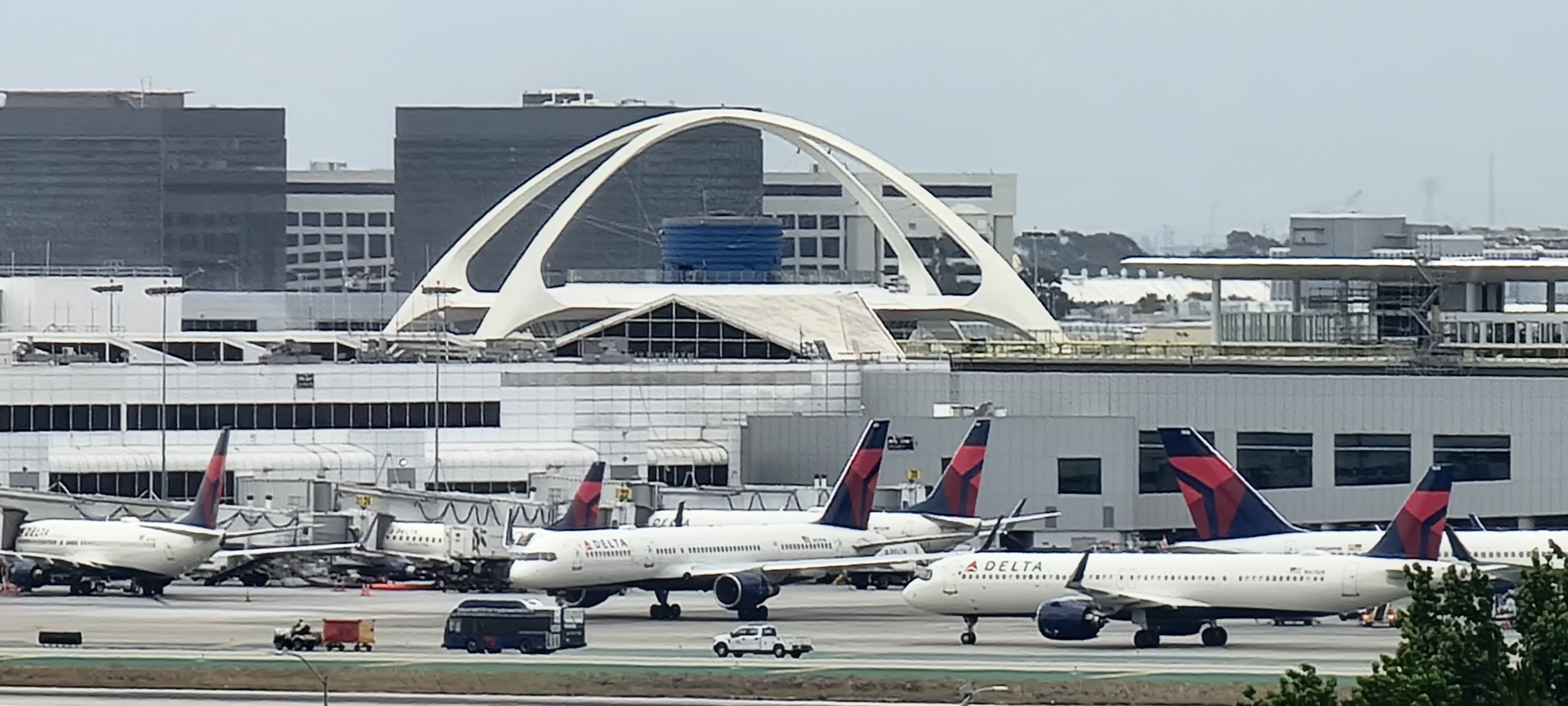
Delta said the flight landed safely, the crew member disembarked and the flight was re-crewed before continuing to Boston. The same aircraft left Detroit at 7:17 p.m. and reached Boston’s gate at 9:04, 99 minutes after the original schedule. The airline hasn’t said what was wrong with the captain. aviation watchdog JonNYC says he has heard it was appendicitis, that the captain was having surgery Wednesday and was expected to be okay. He also stresses: “Not confirmed at all.”
I've heard it was appendicitis, having surgery today, will be OK. Not confirmed at all.
— JonNYC (@xJonNYC) August 26, 2026
Hopefully the reassuring part is right, but until there is confirmation it is an unconfirmed report—not an official medical update.
(HT: JonNYC)



FO Cannot taxi because the 757 has no FO tiller. Captain taxiing while feeling ill is probably fine with the FO on high alert, can easily hit the brakes if needed or make slight directional adjustments on the pedals.
Must have been the Premium Food
Not impressed with the ATC handling of this. This was an emergency aircraft and deserved all available assistance. The distress in the captain’s voice was obvious. How about a progressive taxi? I don’t know DTW taxiways and the taxi instructions sounded very simple but that is not the point. Progressive taxi would reduce workload on the ailing captain. And how about reaching out to ramp to be sure arriving gate was coordinated and ready? You don’t want an emergency aircraft having to banter back and forth on frequency. ATC should resolve every possible issue for an emergency aircraft with minimal comms so the pilots can focus on the situation.
I pray the Pilot is okay.
@Alan — He had the lasagna…