
Delta and Aeromexico just won their court case against the Department of Transportation, with the Eleventh Circuit Court of Appeals vacating DOT’s order breaking up the antitrust-immunized joint venture The two airlines can continue coordinating schedules, pricing and capacity and sharing revenue.
There’s no ruling here that the Delta – Aeromexico partnership is good for competition or consumers (it isn’t). However, the court found that DOT had not explained its reasoning for breaking up the arrangement consistently enough to satisfy administrative law.
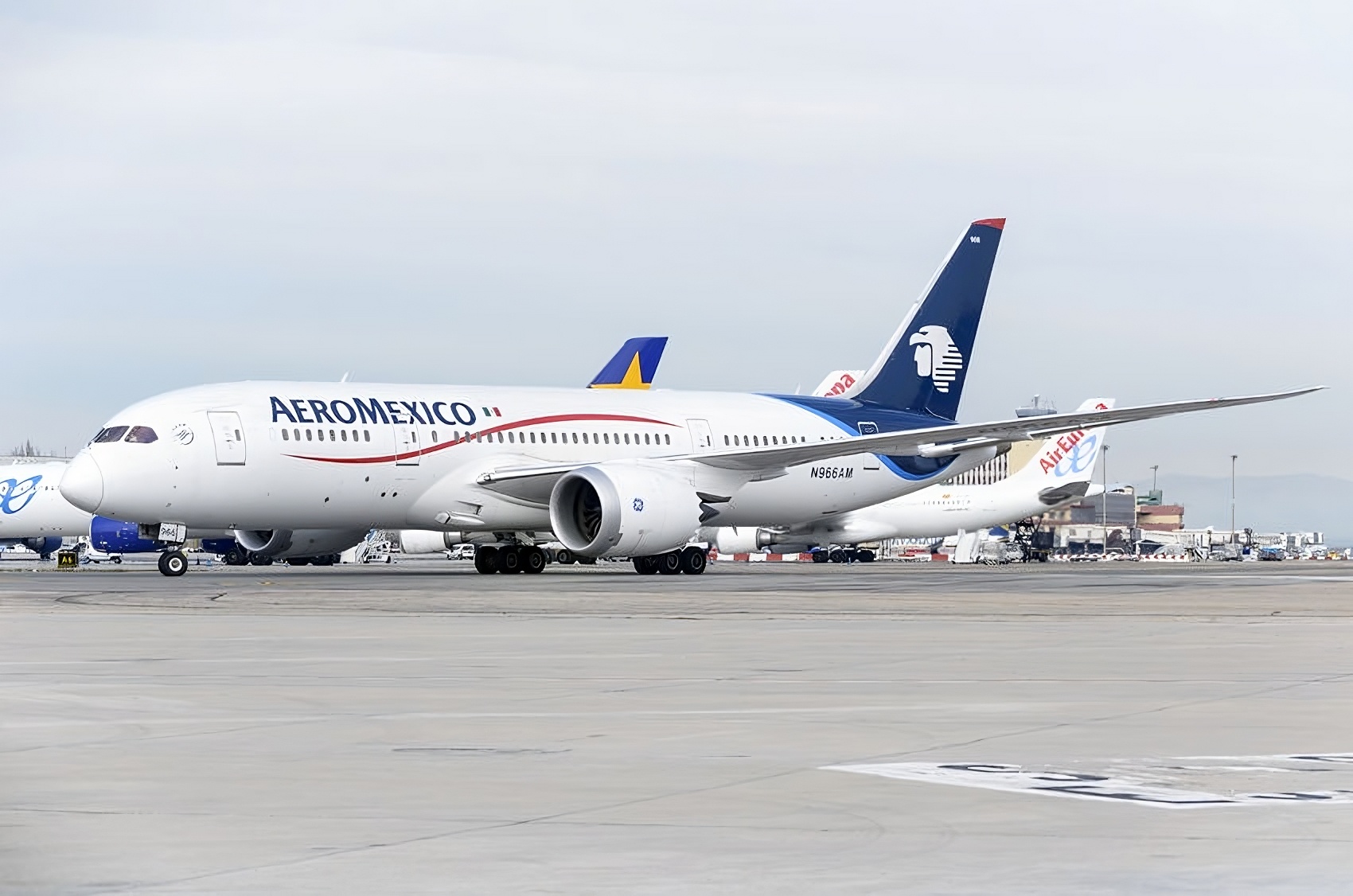
DOT approved the partnership in 2016, requiring the airlines to give up 24 Mexico City slot pairs and four New York JFK slot pairs. The approval had a five-year term, later extended during the pandemic while DOT conducted a new review.
The government eventually concluded that conditions in Mexico had changed, moving away from competition. Mexican authorities withdrew slots at Mexico City’s main airport from U.S. airlines, used an opaque process to allocate slots and forced dedicated cargo out to the new airport there.
DOT also argued that Delta and Aeromexico had gained too much power, representing nearly 60% of passengers between Mexico City and the United States and 73% of cargo.
However, when DOT approved the partnership in 2016, it considered competition between U.S. and Mexico looking at 1,687 city pairs. In withdrawing approval, they focused mostly on Mexico City, which was just 21% of flights. According to the court, they changed how they defined the relevant market without sufficiently explaining why. (One judge concurred in the decision but didn’t link these issues.)
Probably the biggest issue was:
- DOT says fully implemented Open Skies agreements are “necessary” for airlines to operate an immunized joint venture.
- But it allows American Airlines-Japan Airlines and United Airlines-ANA joint ventures without Tokyo Haneda being open, with cargo restricted and U.S. carriers getting just 18 daily slot pairs at the airport (Delta has the largest share, itself a gift from DOT).
The agency argued that Japanese authorities were cooperative and conditions had improved, but that doesn’t address the contradiction. Japan may be more competitive than Mexico Cooperation may make Japan better than Mexico, but DOT has moved away from requiring Open Skies compliance – so what’s actually the threshold for ‘open enough’? DOT didn’t really craft a clear standard that allows Haneda but not Mexico City to fit.
It’s ironic that Delta’s privileged access to Tokyo Haneda among U.S. airlines becomes the reason Delta also gets to block competition in the U.S. – Mexico market! And Open Skies really was the foundation of joint venture policy.
- The federal government inherited authority from the Civil Aeronautics Board to immunize international airline agreements from antitrust law. That power had been used to allow things like price-fixing on international routes by IATA.
- After the Supreme Court’s Copperweld decision, Northwest Airlines attorney Elliott Seiden and KLM government affairs executive Paul Mifsud developed an application for a joint venture between the two carriers (KLM owned a piece of Northwest, but foreign-ownership laws prevented an actual merger). They reasoned that the airlines should be allowed to act as a single enterprise even though the law prevented them from becoming one. (Delta by the way owns 18.7% of Aeromexico.)
Mifsud presented the theory to Don Horn, DOT’s assistant general counsel for international law, who accepted that the department had the legal power to grant immunity.
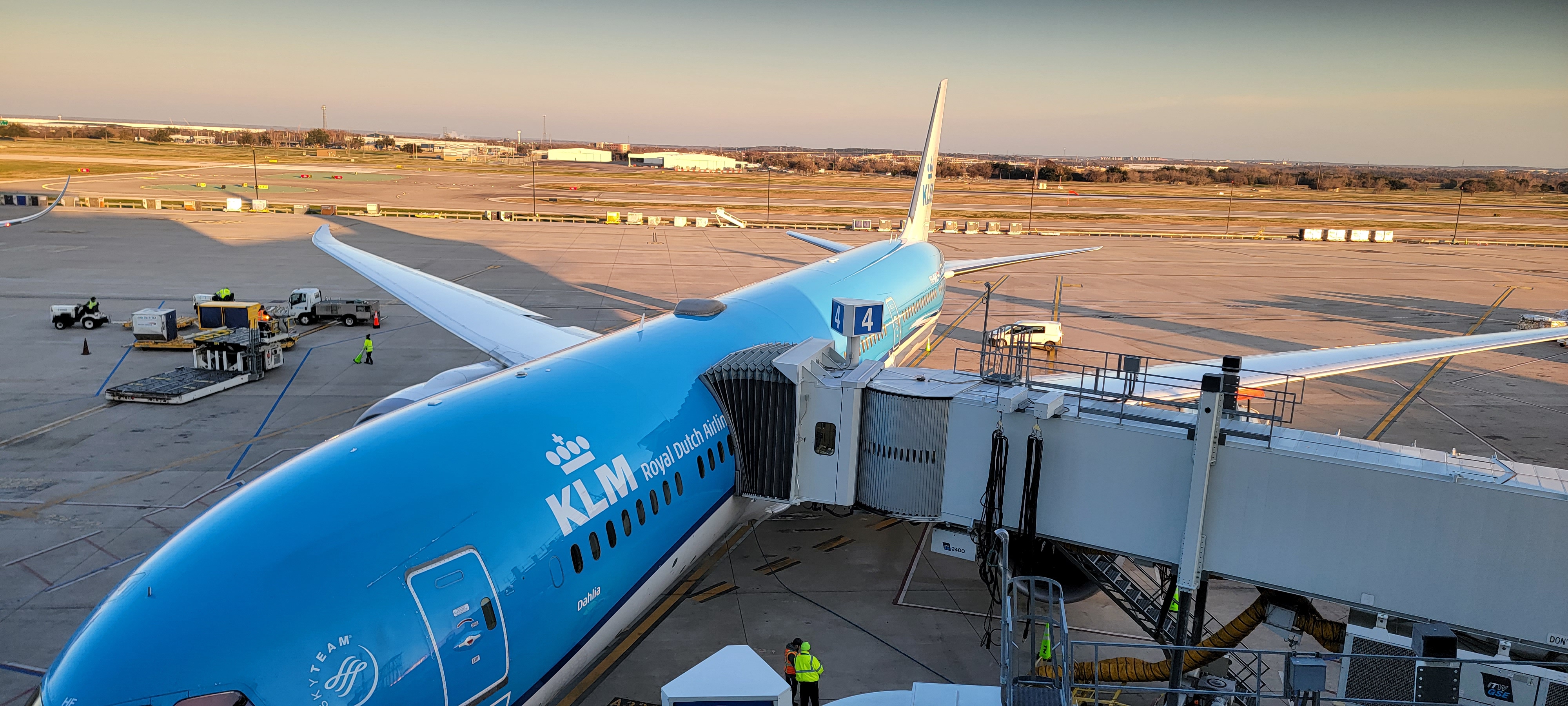
- Meanwhile, officials at Transportation, State and the White House were pursuing Open Skies agreements as a matter of policy, and used joint ventures as a carrot. The U.S. and the Netherlands signed a treaty in September 1992, and Northwest and KLM received antitrust immunity in January 1993.
DOT did actually block a partnership between Allegiant and Viva Aerobus. Allegiant did not fly to Mexico. There was no affect on competition. It would have meant more Mexico – U.S. flying not less, but it fell victim to the U.S. government’s view of Mexican protectionism (especially ironic, because the Trump administration has been the most protectionist in a century) even though only 6% of the 92 routes the airlines projected during their first two years working together involved Mexico City.
So a competition-enhancing deal gets blocked in the name of enhancing competition, which a monopolizing on does not. Go figure!
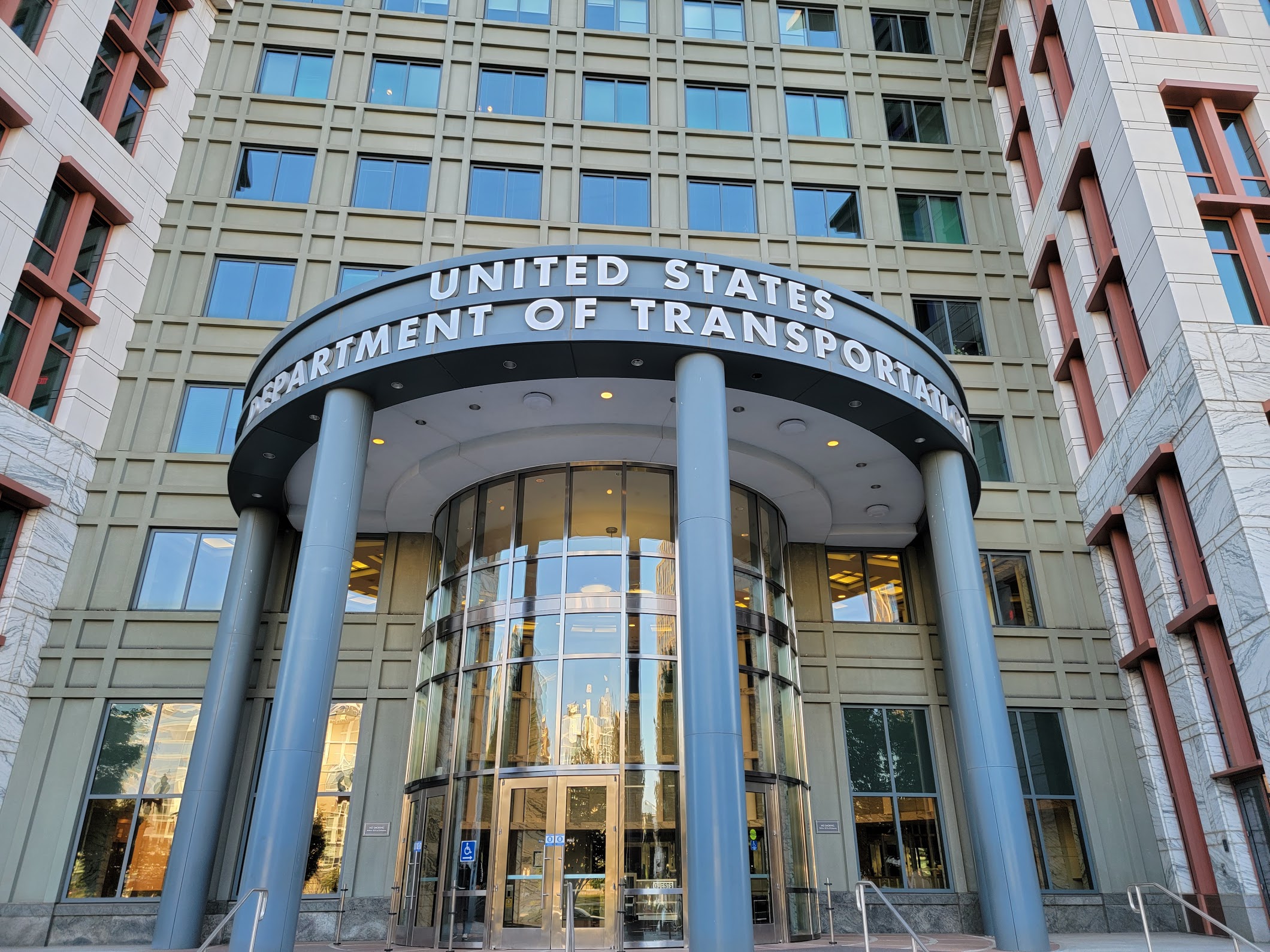
Under the court’s ruling, DOT can be right that Mexico is violating its Open Skies obligations, and that there should be new resitrctions on Delta and Aeromexico, but they need to build a more coherent case first.



glad you covered this.
first, the DOT has forced Mexico to implement global standard slot allocation processes which they weren’t doing but are now
Second, the bigger piece is that the US allowed Open Skies with Japan even though HND, the biggest market has limited slots for US carriers; the DOT has made the process worse by requiring US carriers to return HND slots to the DOT and not just change them to another gateway as Japan allows its carriers to do.
The US and UK also have Open Skies but slots at LHR are very expensive so effectively not really Open Skies.
There are ways for the US to allow JVs with countries where the primary airport is not open to competition but the way they handled Mexico vs. Japan was clearly not the same.
The reality is that DL likely used its new SEA-NRT route to send a signal to the DOT that DL will go after the competition if it can’t reallocate its HND slots as it sees fit. DL would drop HNL-HND in a heartbeat if it could reallocate it to JFK or BOS while AS would drop one of its two HNL-HND flights if it could start SEA-HND.
The DOT is weakening carriers and competition by trying to control what should be done in the marketplace.
Thanks for the update, Gary. It is indeed a complicated ruling, with a member of the oligopoly hiding behind technicalities while everyday travelers foot the bill. It almost feels like this administration, this particular DOT, kinda sorta wanted to lose this case. Like, the court just caught them being sloppy. Anyway, yeah, the double-standard is jarring. Ignore all that though, because Ed says 50% more profits! Think of his juicy bonus! Yippie! (@Tim Dunn, open the champagne!)
I don’t know that there is any route I travel on where prices have gone up more than NYC-MEX (excluding USA-China routes which have been purposely restricted by DOT).