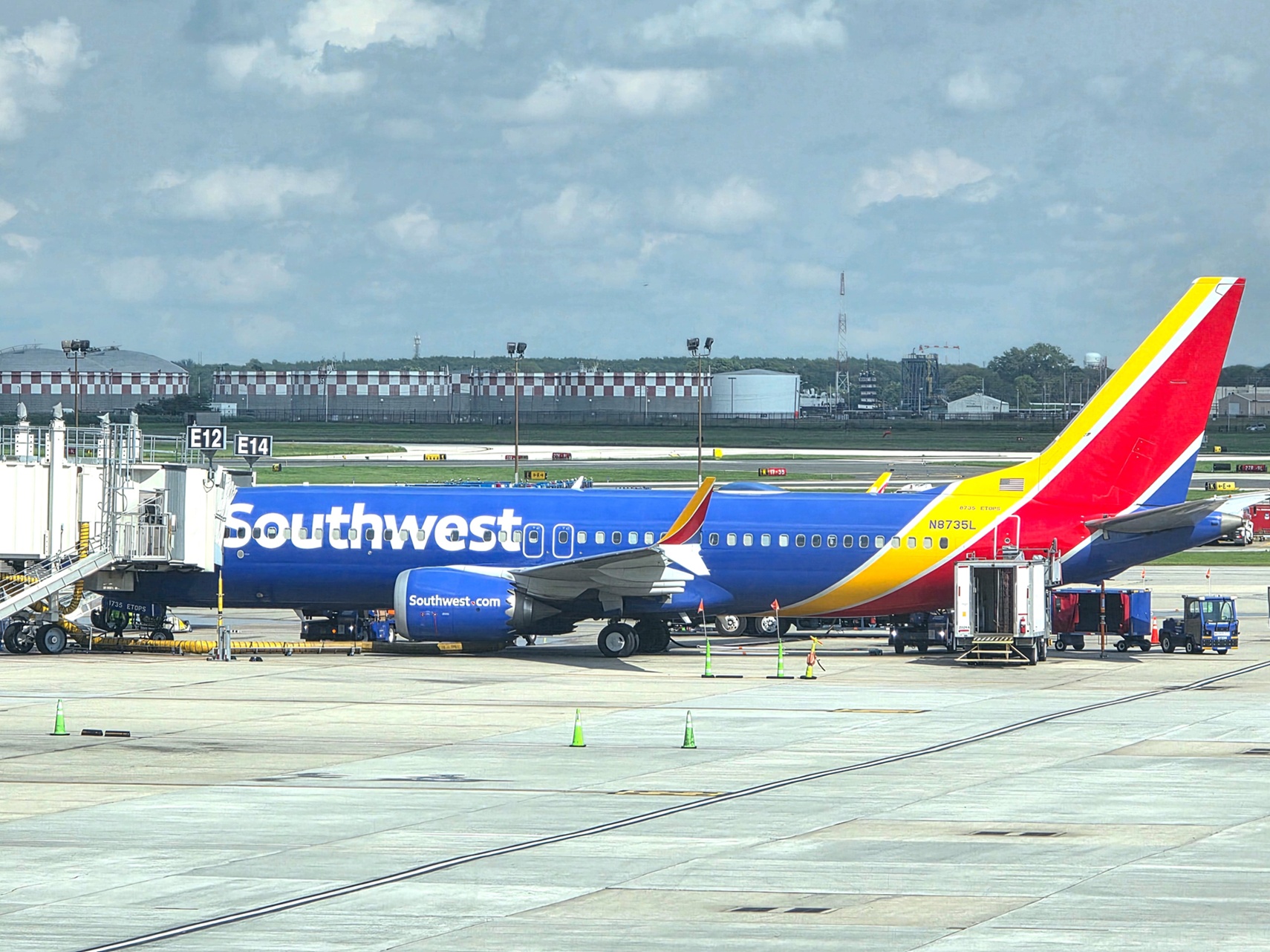
Southwest Airlines flight 3278 almost took off from a taxiway at Orlando International Airport on March 20th. The Boeing 737-800 was flagged down by air traffic control as it approached 70 knots according to ADS-B data before hitting the brakes.
The flight crew mistakenly began their takeoff roll on Taxiway H — parallel to Runway 17R — believing it to be the designated runway. The mistake was caught in time; controllers canceled the takeoff clearance mid-roll, and the Albany-bound flight safely returned to its gate.
According to the FAA, a Southwest 737-800 "began its takeoff roll on a taxiway" this morning in Orlando.
Ground speed ADS-B data shows the aircraft reaching a top speed of nearly 70 knots on Taxiway H. https://t.co/x1vNl0zCoc pic.twitter.com/7QHn6YQYOQ
— Ryan Ewing (@FlyingHighRyan) March 20, 2025
A Southwest flight aborted takeoff after the crew mistook the taxiway for the runway in Orlando, which run parallel to each other. It comes as investigators give a first look at what they say happened in the Toronto crash landing. @GioBenitez reports. https://t.co/ZKJzlPUCA7 pic.twitter.com/A9A8LU5vkx
— World News Tonight (@ABCWorldNews) March 21, 2025
Taxiways are designed solely for ground movement between gates, hangars, and runways, while runways are longer and meant for takeoffs and landings. Incidents like this one create risk of collision with another aircraft, or having insufficient surface length for take off.
The NTSB released its report on the incident (HT: AvHerald).
- Air traffic control issued the takeoff clearance for 17R while the aircraft was still short of H2.
- Crossing taxiway G, the captain called the runway “verified” based on seeing the red 17R sign, even though the aircraft had not actually reached the runway.
- As they approached the runway/taxiway junction, the captain asked the first officer to re-confirm checklist completion; the FO did a brief overhead scan. During/just after that scan, the aircraft turned right onto taxiway H (not runway 17R), and the captain selected TOGA/advanced thrust to begin the takeoff roll.
- The first officer realized they were on the taxiway, called for a reject after a short delay, and the tower simultaneously ordered the aircraft to stop and cancelled the takeoff clearance. The jet reached ~66 kt groundspeed (~71 kt computed airspeed) and traveled ~800 feet before decelerating and exiting via H3.
Probable cause: (1) the captain failed to recognize the airplane’s position did not match the assigned departure runway per Southwest procedures, and (2) a plan-continuation error after missing multiple cues indicating the surface was not the runway.
Southwest calls for both pilots to crosscheck all available references and for the captain to verbally verify the runway before takeoff. The captain initiated takeoff without that verification sequence being correctly accomplished.
Cues missed that should have broken the error chain: yellow taxiway centerline, narrower pavement, inconsistent signage, and the absence of a hold-short line/runway-entry cues.
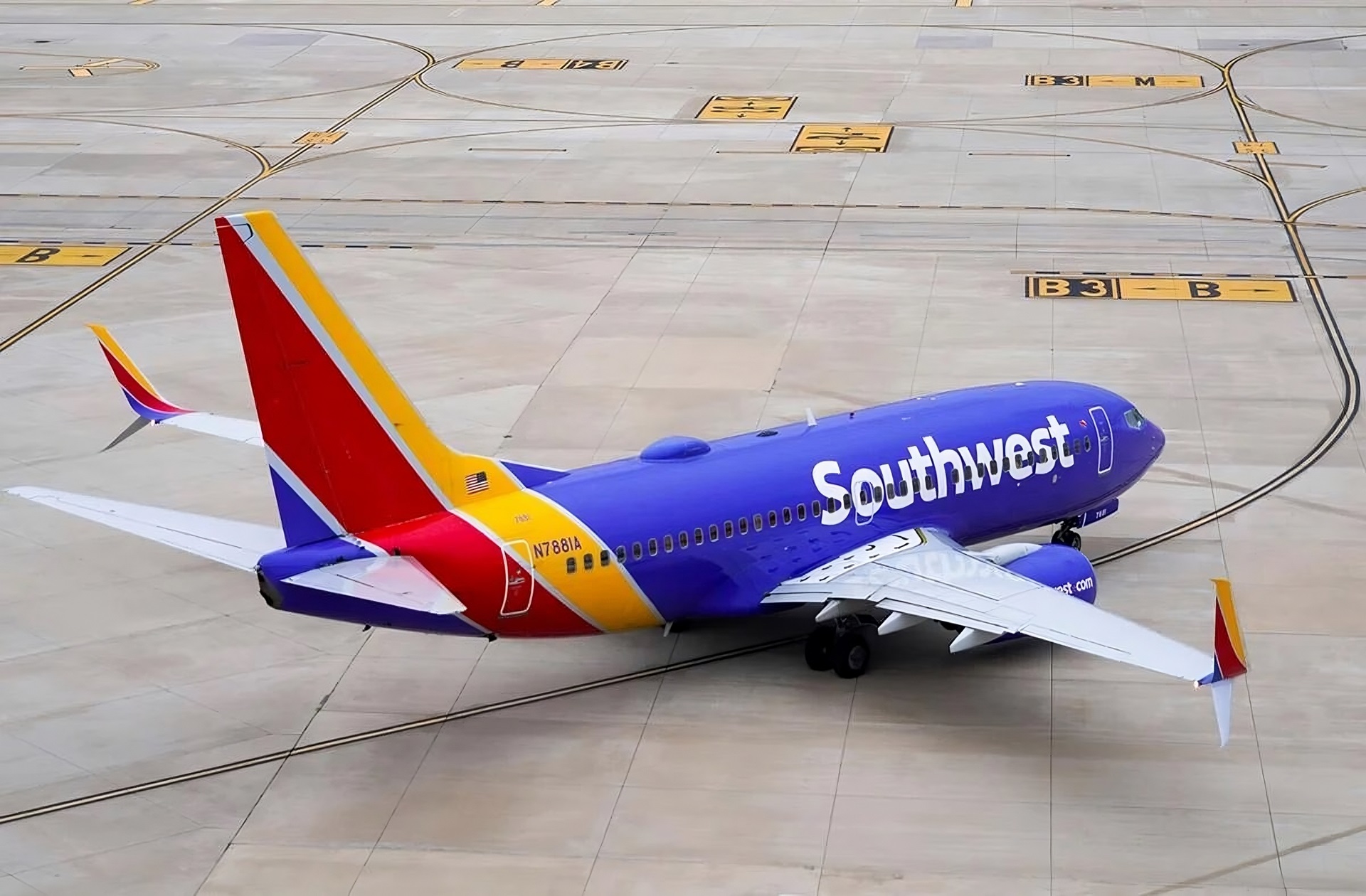
This came just after Southwest had come out from under an FAA safety review, and followed several other miscues such as a flight coming within 150 feet of Tampa; another Southwest Airlines flight descending to just over 500 feet while still 9 miles out from the Oklahoma City airport and one taking off from a closed runway, as well as a Southwest Airlines flight in Hawaii coming within 400 feet of the Pacific Ocean.



Oooh, that could have been really bad. Glad they were able to successfully reject the takeoff.
I hope the Captain is grounded
I remember when Gary and others originally posted about this incident, and I appreciate that he actually follows up on stories like these once the official reports come out. Mistakes get made; lessons learned; glad nothing catastrophic here. Good on ATC to step-in when they did. Phew!