United Airlines returns to the bargaining table with its flight attendants in March, with four day sessions the first and last week of the month. The union has told its members that they think they can get a deal done soon. And United is now saying the same thing.
In an update sent to flight attendants on Friday, United’s Vice President of Labor Relations wrote “We
have made good progress and believe these sessions present a clear opportunity to finalize the framework for an agreement.”
That’s not exactly the same thing as saying they’ll get a new tentative agreement done in March that cabin crew can vote on. The airline and union already agreed to a contract that 71% of flight attendants voted down.
- The union had argued that they’d gotten as much money as there was to give in those negotiations.
- But flight attendants clearly felt that their priorities weren’t reflected in the agreement – in other words, the money didn’t go to the right places, and there were concerns around things like what hotels United could put them in on layovers.

United Blames Union For Delay In Flight Attendant Contract
United Airlines flight attendants haven’t had a raise in 5 years. The airline points out in this new message – correctly – that the AFA-CWA union delayed negotiations with the airline, preferring to see the American Airlines contract get done first. (That’s because American’s flight attendants would get a new deal that could be a starting point for United crew to negotiate off of – and because if a strike were necessary to get there, it would be a different union’s members bearing the cost.)
AFA leadership previously stated that its negotiation strategy was to wait for other carriers to complete agreements before finalizing one at United. In fact, AFA loaned their Chief Negotiator to American to help with their negotiations. After American reached its agreement, AFA replaced its United negotiating committee, brought back its Chief Negotiator and resumed negotiations at United.
I’ve written about this strategy several times in the past. It turned out not to be a good one, because the change in Presidential administration means that National Mediation Board – which would have to sign off on a strike – is no longer as friendly to labor (though even a Biden-influenced Board didn’t allow one).
United points out that their 2025 financials and guidance assumed a flight attendant contract would get done. They were projecting costs from this. So they were telling Wall Street to expect a deal.
United Will Accommodate Union Asks – But Needs Concessions In Return
United’s approach throughout negotiations since flight attendants rejected the first contract agreed to with their union has been to emphasize that:
- They will offer the highest pay rates in the industry.
- The union is asking for more on top of this.
- They can accommodate union requests, but to do it requires cost savings elsewhere in the contract.
Previously United told their flight attendants that they’re willing to offer ground pay (‘sit rigs’) which if fairly unprecedented, but to get it they’d need to adopt industry-standard algorithmic scheduling known as ‘PBS scheduling’. This is something that the union has rejected.
In a new FAQ item shared with flight attendants, the airline suggests trimming ‘Personal Time Off’ which is unpaid time flight attendants can take off of work.
One way to help pay for AFA’s proposals would be to gradually reduce Personal Time Off by 0.25% per year. This would occur over time – it is not an immediate elimination.
Personal Time is unpaid time. It is not the same as paid vacation. This proposal:
- Does not reduce hourly pay rates
- Does not lower current wages
- Does not take money out of flight attendants’ paychecks
No other major U.S. carrier provides this same unpaid Personal Time O structure. This proposal would align our contract more closely with industry standards while preserving existing scheduling flexibility, including trip trades, drops, swaps and other scheduling tools.
United’s messaging has been clear – there’s only so much money, they’ve agreed to give all of it, and they’re happy to move money around in ways that work for flight attendants. That’s actually consistent with what the union was telling flight attendants before they voted on the original agreement. But it’s not quite what they’ve been saying during this current round of negotiations. So it’ll be fascinating to see where they end up.
And hopefully an agreement can be reached soon, because pay for first and second year flight attendants under a decade-old deal is quite low. A first-year United flight attendant earns $28.88 per hour, and that applies only to fewer than 20 hours a week on average. Boarding time and time at the airport such as between flights is generally unpaid.
What United Flight Attendants Are Asking For
The priorities the flight attendants union outlined, based on surveying members, are
- Pay for waiting on the ground between flights (sit time)
- Less tiring red-eye flying and more rest on longer flights
- No more layover notifications and better layover hotels
- Improvements for reserve flight attendants
- Improvements to health care and retirement benefits
Layover hotels turned out to be a major flashpoint among flight attendants in considering the first contract, which included language merely requiring hotels in “tenantable condition” rather than prior language requiring “business class” hotel. The union felt they’d be involved in picking hotels so this didn’t matter, but cabin crew didn’t trust it.
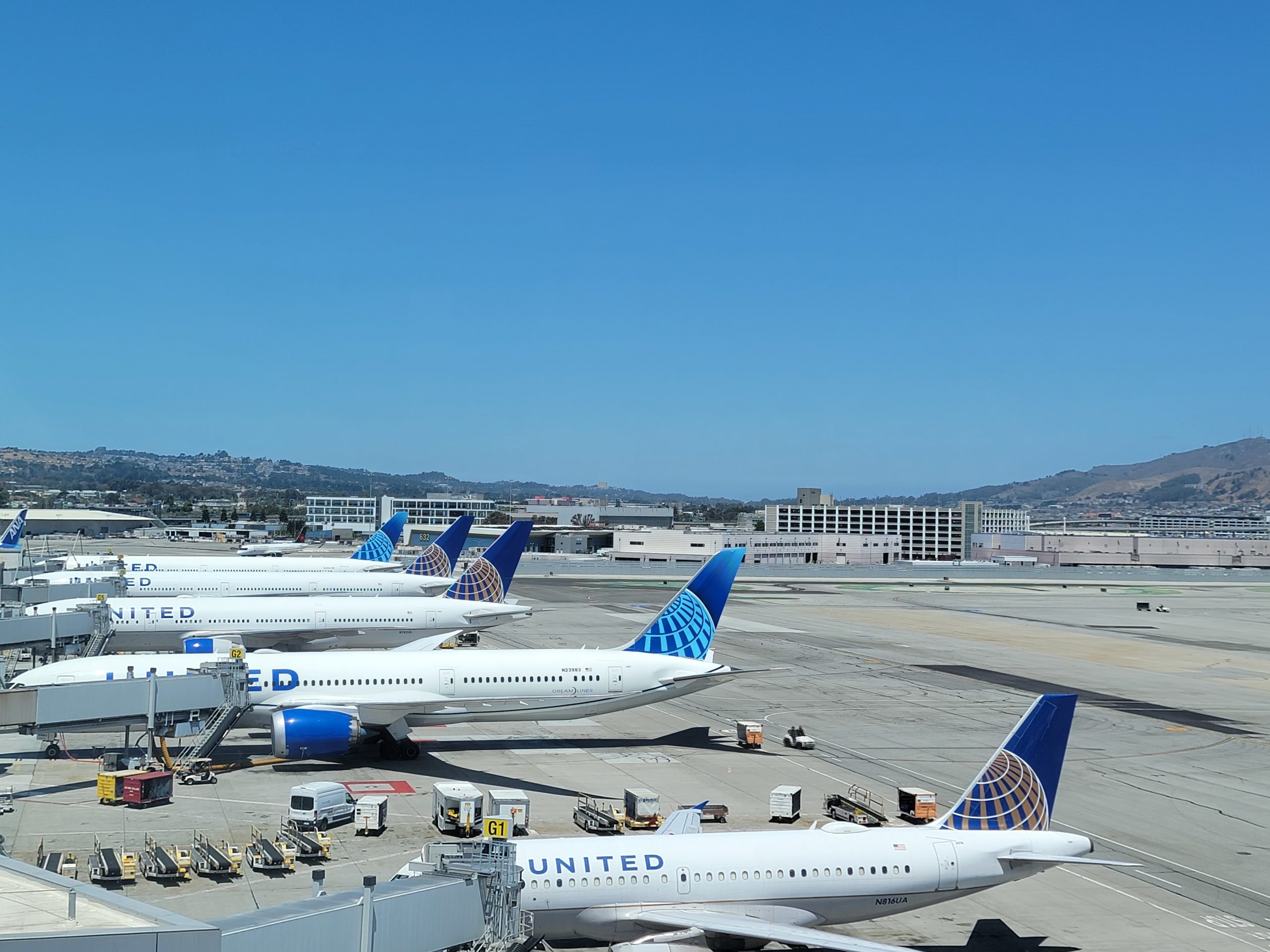
United Reminds Flight Attendants To Be Grateful They Don’t Work For American
American Airlines flight attendants earn significantly higher pay than United’s do, because United flight attendants are working under an older contract. American’s CEO frequently reminds analysts – and anyone who will listen about their relative performance to United’s – that United currently has lower costs due to older contracts.
United’s latest FAQ can’t help making digs at American, as United seems to do in many communications. Here they illustrate just how little profit American Airlines earns and what that means for flight attendants – not mentioning that American’s profit sharing formula is currently much more generous.
- United flight attendant earning $75,000 received approximately $3,400 in
profit sharing last year.
- An American Airlines flight attendant earning the same amount over the same
time, received approximately $225.
Ultimately, as negotiations resume, flight attendants must decide if United’s offers are enough — or if they thinking waiting even longer for a raise can deliver more. Last year the union was saying it wouldn’t.



I’d rather have a really good raise versus giving up that raise so that I can stay at a Westin versus the Residence Inn. But a union would say otherwise.
They need to pay their flight attendants so hot chicks will want to do this job again. Not happy with the demo that are running planes these days.
It’s called negotiations for a reason. Give and take by both sides and the flight attendants are basically unskilled labor. 1990 in 3, 2, 1.
Instead of business hotels, they could make their pay go further if they sought hotels with free breakfast
After all the years of negotiations, allowing flight attendants to have an option to choose hotels is a ridiculous hill to argue upon. Contracts for safe clean rooms with available food and paid transport back to the airport, is what should be important. They are not on vacation after all.
And United flight attendants haven’t provided a more than mediocre inflight experience in over ten years. What’s your point?
In a free country, an offer would be made and anyone who didn’t accept it could be fired. Of course, in a free society the rules currently in force for unions wouldn’t exist.