
Since it’s Fourth of July weekend, the internet is slow as Americans are out barbecuing, out on the water, and generally celebrating the nation’s 250th birthday free from the politics of personality (no matter what some personalities might prefer), that means it’s just us girls here. And I thought I’d share a few thoughts on guerrilla tactics to save miles and money booking travel.
Here’s 16 thoughts that come to mind, what are your best ideas?
- Throwaway flight segments can improve award availability. Some airlines make awards available flight by flight individually, but others make awards available on an origin/destination basis. For instance, Los Angeles – Tokyo might not be available, but Los Angeles – Tokyo – Seoul could be. On one way awards, especially with no checked bags, that presents a throwaway ticketing opportunity.
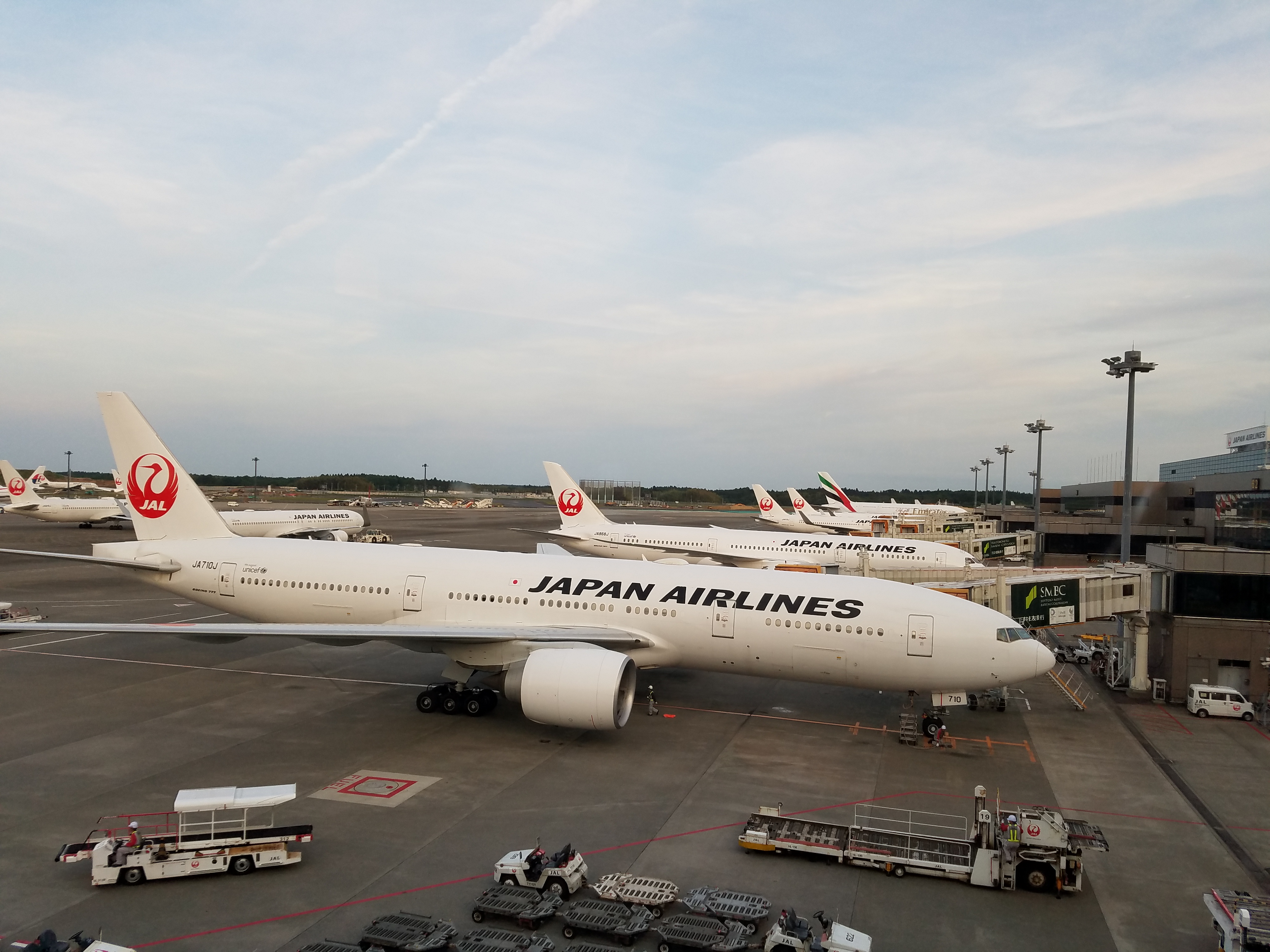
EVA Air practices this – you might not have award space Seattle – Taipei using their own miles, but connections beyond Taipei make the long haul segment available We see journey control with American Airlines pricing. We see it with Japan Airlines, too.
- Throwaway flight segments can save miles. American Airlines is a good example of this, where Sydney – Los Angeles – Charlotte might be cheaper than Sydney – Los Angeles, even though the cash fare isn’t. Avianca Lifemiles is a really good example. If you book a flight segment in economy on a premium cabin award, that lowers the price of the award. Add a coach segment you don’t need to the end of your itinerary and the price goes down compared to just booking the business class flight.

You’re not supposed to do throwaway ticketing. Do it enough and you might have the airline angry with you. Although I really haven’t seen this on award tickets the way we sometimes do with heavy repeated use of throwaway ticketing on paid travel.
- Throwaway flight segments can save cash. Fuel surcharges are generally the same for paid travel as for awards (with some exceptions) and based on the revenue fare for the same city pair. So if you’re flying to a high fuel surcharge destination, adding a connecting flight to a low one pushes down the cash cost of the redemption.

- Don’t touch the U.S. on Delta awards and you still get old-style reasonable pricing, although too much publicity may have killed the old trick of booking Mexico – Europe which has been far cheaper than U.S. – Europe. Even when you connect in the U.S. on the same literal flight. The same principle still applies with other world regions!
And as long as you’re avoiding one of the few cases of international-to-international bag transfer at your U.S. destination you can even check a bag (and walk out of customs, just don’t drop the checked bag back off).
- Use Cathay Pacific Asia Miles for British Airways awards not only is it often fewer miles, but you don’t pay the same hefty fuel surcharges that BA, American, or Alaska Airlines charge.
- Use Japan Airlines for generous stopovers JAL is a transfer partner of Capital One and Bilt. They allow multiple stopovers on partner awards, even domestic U.S., such as Los Angeles – Chicago – Miami – San Juan on American with stopovers in Chicago and Miami.
- Book awards far in advance with tight connections and wait for a schedule change. With U.S. airlines, a significant schedule change (especially one that creates an illegal connection!) gives you a lot of flexibility where an airline like American or United will open up space on their own flights to give you your preferred itinerary that wasn’t available initially for reasonable points prices. This can take several hang up, call backs to get an agent that’s helpful.
- Book with one account’s miles, use benefits from another account. A classic version of this is booking United awards with Air India or Avianca miles but using a Star Alliance account with Gold status, or booking an Alaska or American award using a foreign partner’s miles but still using elite benefits.
This is supposed to be against the rules, specifically for oneworld airlines, but Alaska Airlines recently started allowing you to enter a different frequent flyer number for the passenger than the one whose miles are being redeemed. I used to just leave the frequent flyer number field blank, and add it later. That’s important for seat benefits, checked bag benefits, lounge and even upgrades.

- Fuel dumps still exist. This involves combining airlines on a paid ticket where there’s no billing and settlement plan arrangement between the carriers at least for the market in which the ticket is sold. This was huge years ago, now the specific cities are kept quiet, since often international fares might be just above zero with huge fuel surcharges and you can buy tickets very cheap.
Secret Flying which I believe in the past has just largely copied many of the deals posted .elsewhere (but I cannot speak to current practice because I haven’t read them regularly in three years) often publishes such fares. For instance, here is a recent one – Europe → Latin America via Madrid on Iberia, returning to a different European city and pricing under $200. Here’s another ‘self dump’.
The traditional ‘fuel dump’ is the third strike, a flight booked far in the future on an unrelated airline and in a different region of the world. Maybe the ticket had to be issued in Spain or New Zealand (Expedia’s country sites were always useful for specifying the country a ticket was sold in). That add-on might be a domestic flight in Saudi Arabia.
There were also first strikes, often involving Latin America, which were a bit more dangerous. Those were first flight segments on an itinerary, and it was important to be using airlines that didn’t talk to each other – if you no showed that first, unrelated segment you didn’t want you needed the airline not to cancel the rest of your itinerary you actually wanted to fly.
- I’ve had good luck converting non-cancellable hotel stays to cancellable ones and then cancelling. “I’m in a lot of trouble, my work policy is I’m never supposed to book a non-cancellable room, can you increase my room rate to the cancellable one please?” That can take some hanging up and calling back and can more often be done at the individual hotel property level than through the chain.
- Book a backup award ticket. When traveling on peak of peak days, if your flight delays into a misconnection or cancels you may not be able to find space on another flight the same day. It can be helpful to have a backup itinerary booked already. The best way to do this is to use miles to travel on another airline, for a few hours after your planned itinerary. If your flight departs as scheduled, cancel the backup. If your original flight goes south, the long delay or cancellation can be used for a refund and you use the backup.
Keep these on separate airlines so they don’t cancel one of the itineraries proactively as a duplicate. Try to book the backup with miles, because if it’s booked with cash you’ll get a flight credit but you’ll need to use the flight credit before it expires.
- Buy a ticket on another airline at the last minute. I’ve done this as well when travel goes bad. Delta stills allows 24 our cancellation even on same day purchases. I’ve had success with Southwest, too. So I book the backup and refund it if I don’t need it.
- Continue to shop travel prices after you book. Airfare is easy, with no change fees on most non-basic economy bookings it’s easy to reprice later if fares drop. You get a travel credit for the difference. With hotels and rental cars just don’t book prepaid/non-cancellable. HotelSlash will track hotel price drops the same way Autoslash does for car rentals.
- Find publicly available discount codes. That’s great for hotels and rental cars. Are you a lawyer? The ABA has good hotel rates. Many years ago it was common for people to book super cheap IBM hotel rates. Worried about getting ID’d for rate eligibility? The free IBM Partner Program expressly allowed you use of their logo for business cards. Folks ordered free business cards online.
- Pick up rental cars off-airport, return to the airport location to save most of the taxes, which can easily add 50% to the cost of a car rental.
- Leave the airport before requesting an Uber. At LAX this is a no-brainer, the LAX-it lot is dreadful, just take a hotel shuttle, any hotel shuttle and request your Uber from the hotel while you’re in the bus. At many airports Uber is cheap off-airport as well.



Be willing to drive. For awards, I’ll be willing to drive where I wouldn’t normally – especially international.
@ Gary — Come on, the calling the hotel and lying thing is juvenile. Surely you can stick to honest ways to save money?
SecretFlying is still 100% stolen information. No change there.
At LAX you can walk to the Hyatt from Terminal 1 in less than 10 minutes to call Uber. Wait until you get to the Hyatt to open the Uber app so that it doesn’t add the airport surcharge. This trick will save even more time after Uber and Lyft are moved 1.5 miles east to the Transit center.
Guerrilla? What, is this a war, now, too? Why not go for ‘gorilla’ tactics instead? Like, pound your chest as a silverback. No one will deny you. So dominant! *grunts like gorilla* (speaking of gorillas, when is new Kigali airport, funded by Qatar, supposed to finally open? Anyone?)
Those fuel dump fares on Secret Flying are listed as error fares, which are often fat finger mistakes or when only taxes are charged or something like that. Fuel dump fares are legit fares where you add on a segment that drastically reduces surcharges.