
On April 19, 2022, Mark Geller took an Uber to Chicago Midway Airport. The driver lost control on southbound I-55 at Throop Street around 8 p.m. and both the driver and rider died.
Geller’s wife sued Uber. Whether or not Uber was negligent here isn’t the interesting question. It’s whether or not the deceased man’s family even gets to sue.
- Uber argues that the lawsuit shouldn’t go forward in court, and that Geller’s wife should be forced into binding arbitration because she is an Uber user and she agreed to arbitration under her account.
- And, they say, a court doesn’t even get to review whether arbitration is appropriate because the arbitration agreement delegates that to the arbitrator.
- A trial court sent some claims to arbitration under the rider’s agreement with Uber, but not Wrongful Death Act claims that belong to the wife – because those claims do not arise from the wife’s own use of Uber. But the First District disagreed and said her agreement required an arbitrator, not a court, to decide whether she has to arbitrate.
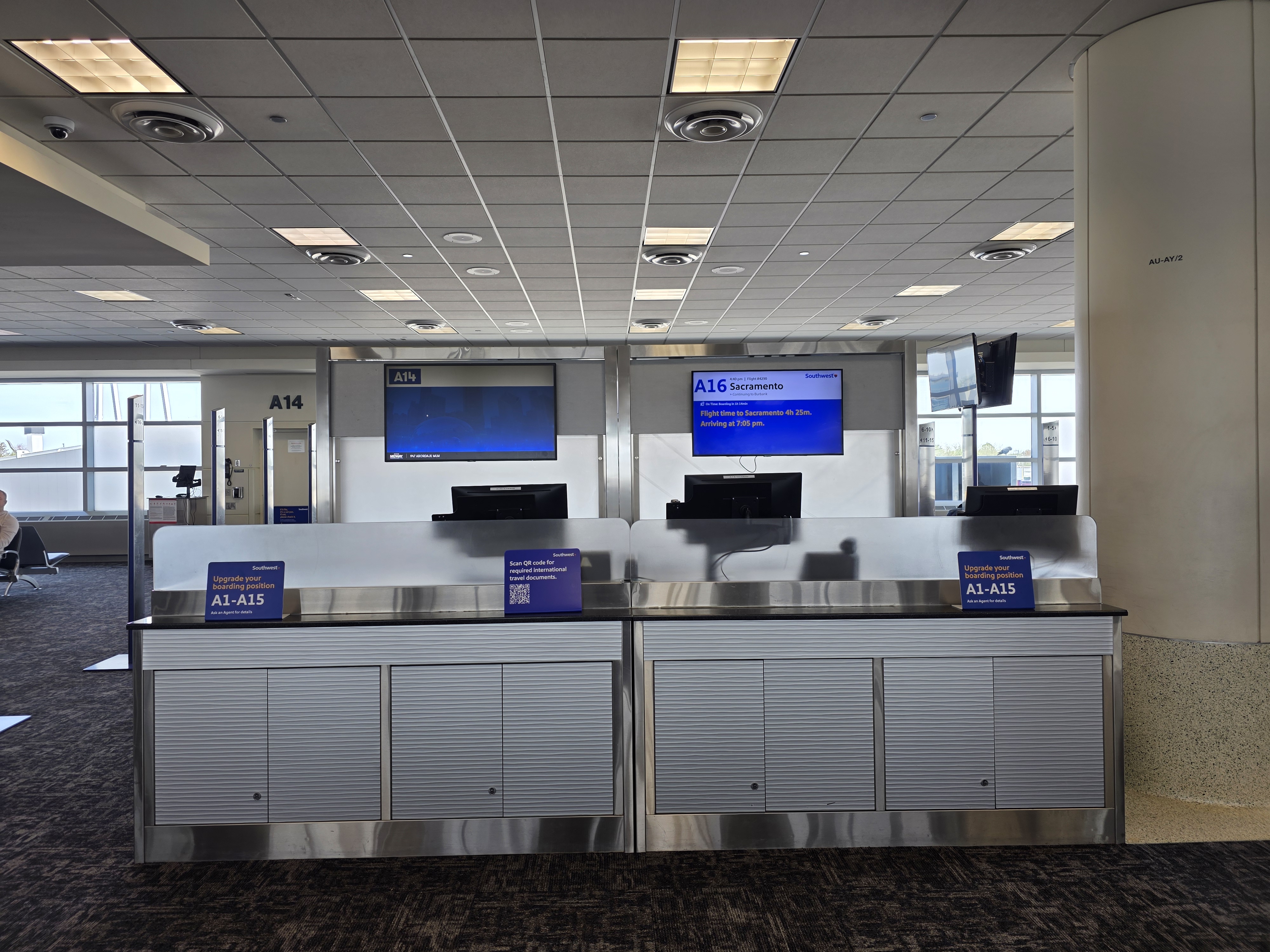
Chicago Midway Airport
On May 19, the Illinois Supreme Court heard oral argument on this issue.
Uber’s terms had a delegation clause that said an arbitrator gets to decide whether the arbitration agreement applies. They argue that the surviving spouse had an Uber account, she accepted Uber’s terms, and it required arbitrating all claims against Uber.
But the spouse says her personal Uber account had nothing to do with the fatal ride. She’s not suing as a Uber user. And Uber is using generic app terms as an end-run around wrongful death laws.

She argued that Uber did not prove she personally reviewed or meaningfully accepted the terms, that users did not even have to scroll through the terms, and the app didn’t require any initializing of them or flagging the arbitration portion in the dense text. There was no real ability to negotiate or defer while continuing to use the app. The First District rejected those arguments and found the adhesion contract fully enforceable.
The U.S. Chamber of Commerce supports Uber in this case because they want courts enforcing online arbitration agreements.
It makes sense for companies to want to limit costly litigation. But it seems like if we’re enforcing adhesion contracts, there needs to be some bounds for them. Uber arguing that because you’ve ever used your app you cannot sue them in court for things unrelated to your own use, which you probably didn’t even know, seems like a step too far. It shields them from liability far beyond their actual transactions between company and customer.



Agree with you. Unless she was using her app to book hers husband’s travel, it should have zero applicability.
She likely will lose from a legal perspective. Whether she read or scrolled through the agreement isn’t the point – she accepted it, just like airline passengers accept a contract of carriage, simply by doing business with Uber. If it is broad enough to state any disagreement with Uber goes to arbitration that is the end game. Also, if her husband had an uber agreeement (which he likely did since he ordered one and died in it) he (or his estate) also is bound by the arbitration ruling. Finally the fact he died or there wasn’t an accident doesn’t mean Uber has any liability. First of all the accident may not be the driver’s fault and secondly, even if it was, Uber would have had to have been aware of his driving record which could reasonably lead to an accident.
I hope she and the ambulance chaser lose totally. The civil litigation system in the US is a joke and needs to be reformed. Money doesn’t cure things and people shouldn’t get a lottery ticket when someone dies.
I hope she wins. The law should apply equally so if it was a child that didn’t have an Uber account was suing, the case would end up in the same place. It is interesting to note that Uber is willing to take the decision of the courts if they win by it. It should be noted that Uber carries liability insurance so that there would still be a payout in this case. It should also be noted that clause about arbitration cannot completely bypass the courts since the courts have to agree to let the case go to arbitration.