
Emirates flight 213 from Dubai to Miami got into a fuel emergency after a longer than usual flight and bad weather on arrival. The Boeing 777-300ER is normally scheduled for 15 hours and 45 minutes, but the flight on Saturday took 17 hours and 16 minutes of actual flight time.
Miami was in the middle of a nasty thunderstorm right as the flight arrived. Visibility was poor, rain was heavy, winds were gusting and the clouds were the kind associated with windshear.
The flight was initially set up for runway 9 at Miami. On final approach, the crew abandoned the landing because of low visibility and windshear.
After that missed approach, they asked about diverting to Fort Lauderdale. Air traffic control suggested Miami runway 12. The crew accepted and told ATC they were minimum fuel.
That meant they could land if the clearance stayed workable – but don’t put us in a holding pattern or vector us around. That’s not an emergency declaration or demand for priority, but any change to the clearance may result in landing below planned final fuel reserve.
Emirates 213 then flew the runway 12 approach. But another aircraft hadn’t vacated the runway on time. The 777 had less than 100 feet to landing when the tower ordered a go-around, giving the minimum-fuel plane exactly the delay it had warned it couldn’t absorb.
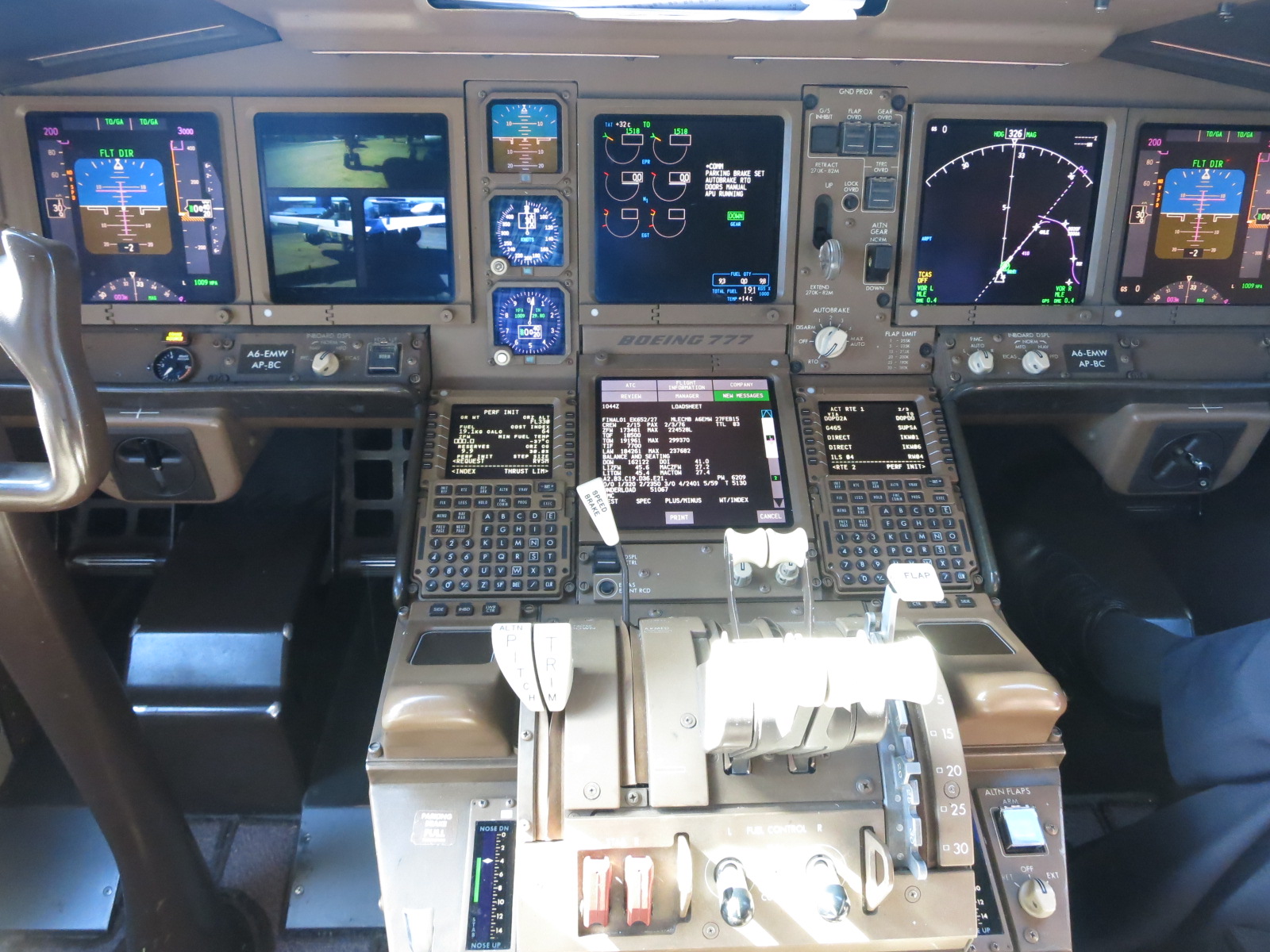
Cockpit of Emirates Boeing 777
After that second go-around, the cockpit crew declared Mayday due to low fuel. They were ten given priority, another aircraft was moved out of the landing pattern, and they touched down on runway 12 on their third attempt into Miami.
- The long sector consumed more margin than usual.
- The first go-around pushed the crew into “minimum fuel.”
- The second go-around turned the situation into an emergency.
Emirates flight from Dubai to Miami declares MAYDAY at Miami International Airport this morning for low fuel.
EMIRATES 213 flt (Boeing 777-300ER) was on approach to runway 09 at MIA when they had to go around due to low visibility/wind shear due to thunderstorms.
They… pic.twitter.com/xY7DYiVktE
— Thenewarea51 (@thenewarea51) May 17, 2026
A fuel emergency is where, in the pilot-in-command’s judgment, priority handling is required to proceed directly to landing. “MAYDAY FUEL” means predicted usable fuel on landing at the nearest safe location will be less than planned final reserve. It does not mean the engines were about to quit. Final reserve is generally fuel for 30 minutes at holding speed at 1,500 feet above the destination, though some authorities require 45 minutes.
It’s unclear whether they had enough fuel to divert to Fort Lauderdale. While “[o]ne has to wonder…[d]id they even have the fuel to divert to Ft. Lauderdale without any delays there?” it seems to me:
- When they first asked about Fort Lauderadale after the runway 09 missed approach, they would have still considered that airport viable. (If they hadn’t they would probably already have declared an emergency rather than ask about a normal diversion.)
- Once air traffic control offered runway 12 at Miami and the crew declared minimum fuel, they were effectively committing it.
- After the second go-around, diverting to FLL would have meant extra miles from a new approach and exposure to any traffic and weather delay there.
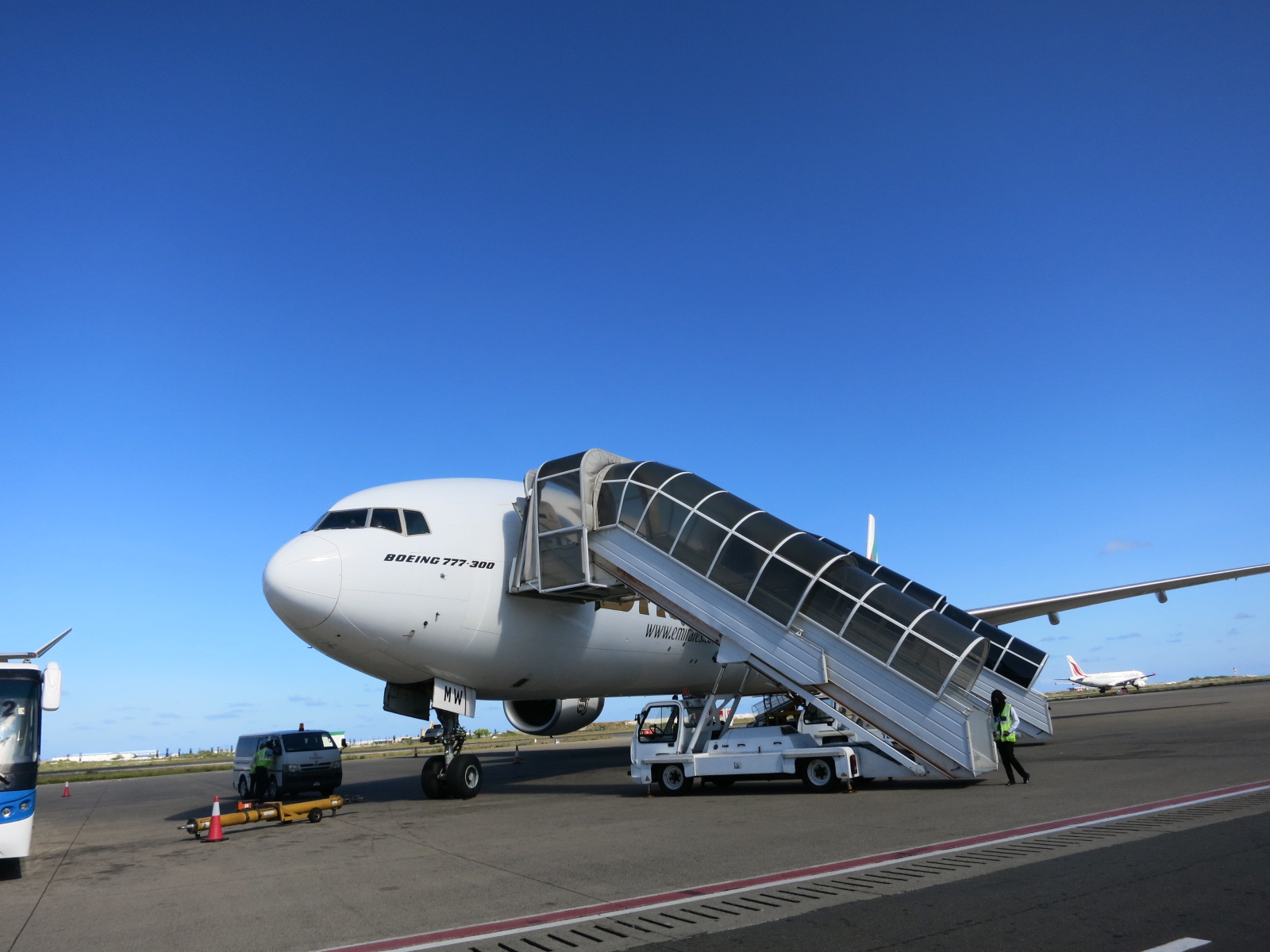
Emirates Boeing 777
It’s tough to say whether anyone was at fault here. There’s no evidence of a mistake in fuel planning. A flight time over 17 hours, convective weather at destination, and two go-arounds burn through fuel buffers. That’s exactly the kind of scenario, though, that occasionally does happen and what carrying extra fuel is for (and there as likely some margin still to do so).
The crew made logical choices to go around for weather, consider a diversion, accept the better runway, declare minimum fuel, and then declare Mayday when the second go-around made further delay unacceptable.
Where things broke down was lack of runway protection after the flight had already declared minimum fuel. With a plane not having cleared the runway, the tower was right to order a go-around. And I’m not second-guessing putting that plane on the runway ahead of Emirates, or clearing Emirates behind them in a minimum fuel condition, but it’s what turned tight fuel into an emergency.



Leave a Reply