
A guilty pleasure of mine is watching aviation explainer videos. Sometimes they are very good. But even when they’re broadly good I’m too autistic not to get a nervous tick about claims that aren’t quite right. So while I enjoyed this new video about Delta’s former Cincinnati hub, I just had to walk through why the real cause of its demise wasn’t happenstance or Delta merging with Northwest.
That’s the code claim: that the 2008 Delta – Northwest merger was “the” cause of de-hubbing Cincinnati, calling it the result of “a single corporate decision.” While acknowledging Delta’s Cincinnati cuts three years before the merger, those are waved away merely as “prelude.”
Cincinnati was doomed as a hub whether Delta and Northwest merged or not. It lacked sufficient lucrative high yield local traffic. It supported mostly high seat cost regional jets, and the hub was in decline for three years before the merger as oil prices rose.
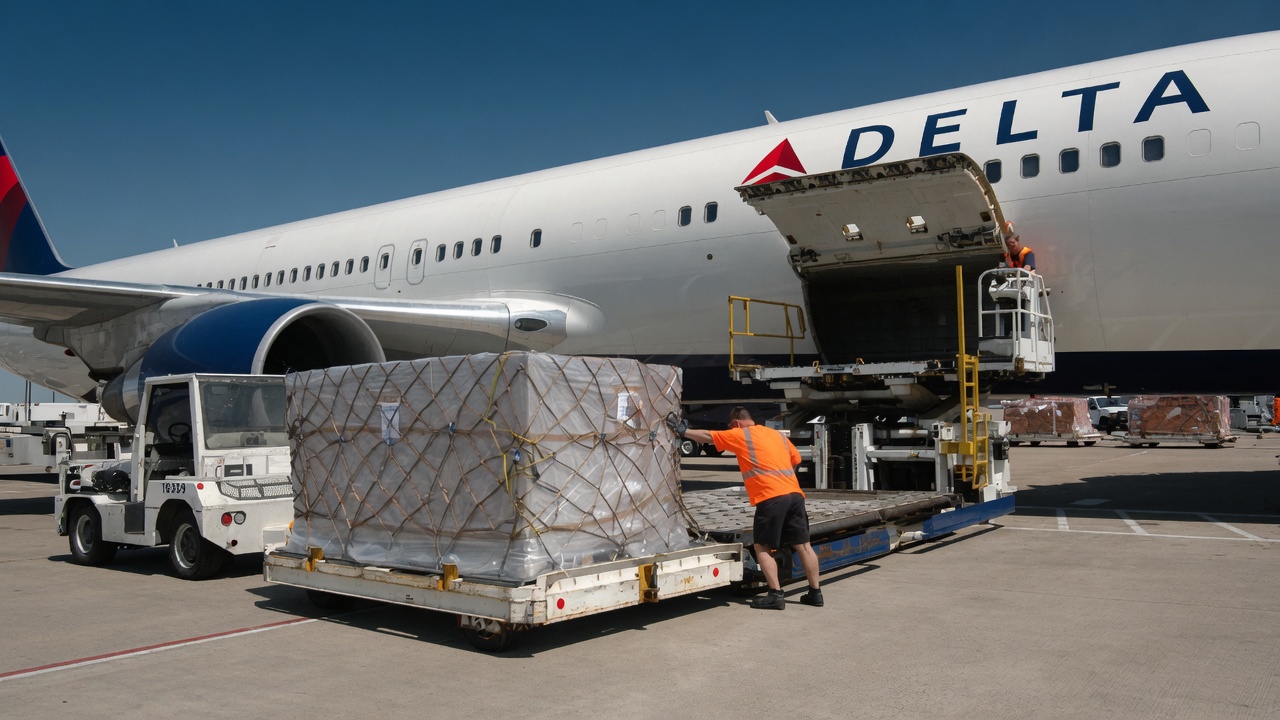
But all wasn’t lost for Cincinnati! Amazon established its primary U.S. cargo hub there, and it’s DHL’s ‘Global Super Hub’ for the Americas. That’s not as sexy, but it handles millions of tons of cargo annually and the airport is more lucrative overall for the community than it was 20 years ago, especially considering the passenger service that remains as part of the mix.
The Delta bankruptcy and Northwest merger together accelerated formal ‘de-hubbing’. Delta acquired the better Detroit hub in that deal and they were too close to each other (229 miles apart) and a very basic lesson in route planning is that you don’t make money overflying your own hubs, or at least you need to be very careful in doing so.
Credit: Cincinnati/Northern Kentucky International Airport
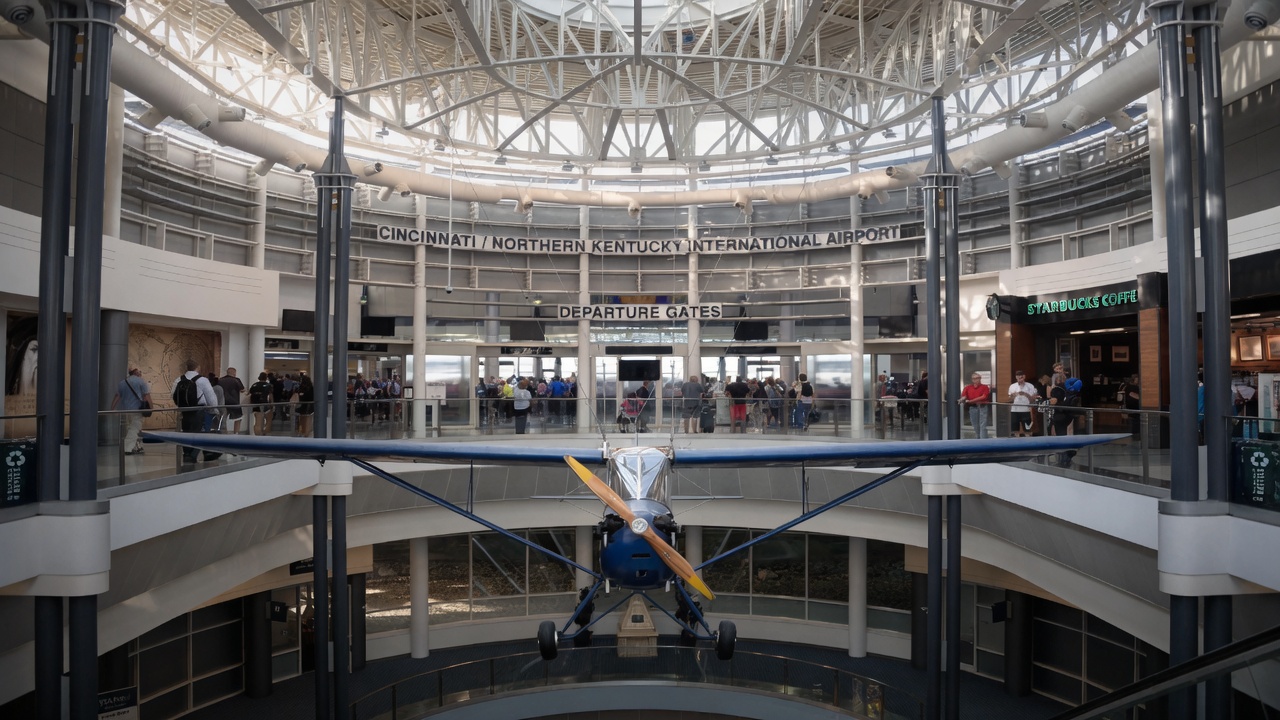
Cincinnati Northern Kentucky International Airport is actually in Boone County, Kentucky, near Hebron, serving the broader Cincinnati tri-state region. (The CVG code comes from Covington, Kentucky which was the nearest major city.)
- In 2005 it peaked with 22.78 passengers, and that was down to 8.97 million in 2025 (or about 39% of peak).
- There were over 600 daily departures at hub peak, and that’s down to around 134 per day.
- But today’s service is also a real recovery from a 2013 low of just 5.72 million passengers.
Credit: Cincinnati/Northern Kentucky International Airport
The airport opened on January 10, 1947. American, Delta, and TWA moved from the old Lunken airport and the first arrival was an American Airlines DC-3 from Cleveland. Delta came in one minute later.
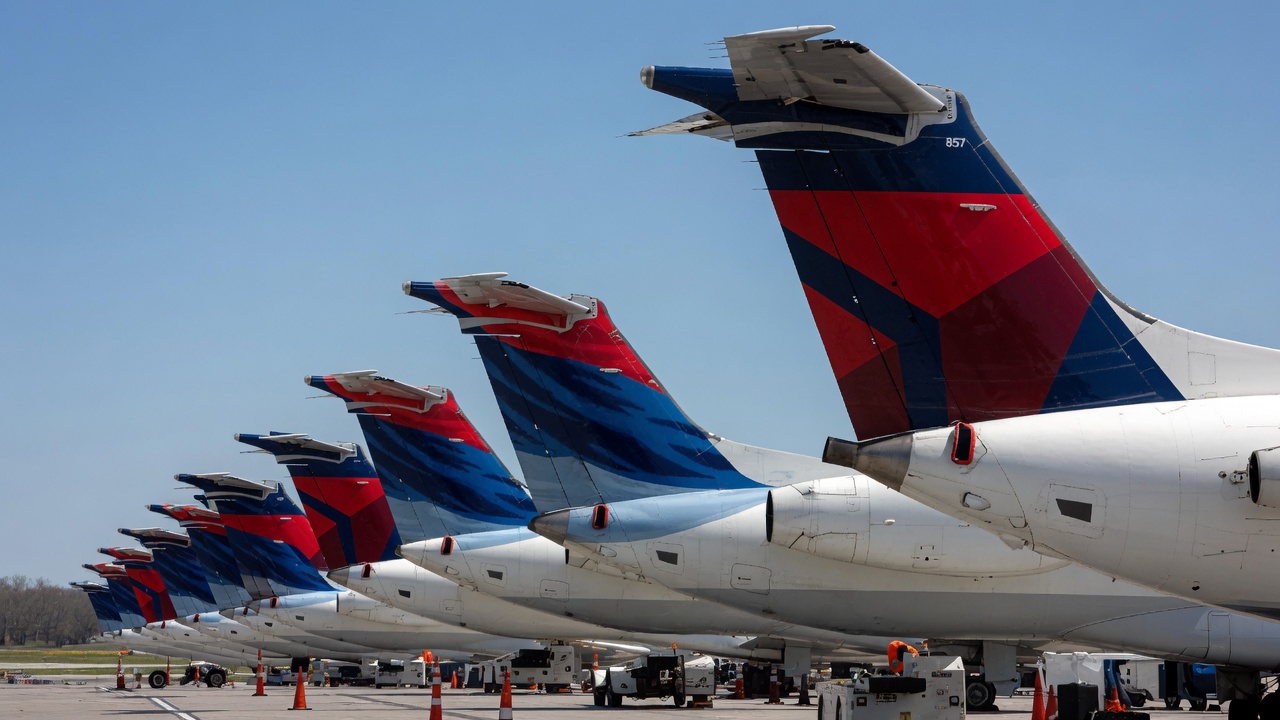
Most of the service as part of Delta’s second largest hub was actually Delta Connection flying operated by Comair using 50-seat Bombardier CRJs. Those are cheaper to operate than a full-size mainline jet, but higher cost per seat. And after the 89-day pilot strike in 2001, higher wages the airline agreed to spread over relatively few passengers made the operating economics worse.
Cincinnati wasn’t working as a huge and Delta began gutting it in 2005. That year’s 22.78 million passengers fell to 16.25 million in 2006 (when Delta cut more than a quarter of flights), and 13.63 million in 2008 the year Delta and Northwest merged.
Credit: Cincinnati/Northern Kentucky International Airport
Delta had been 95% of the airport’s passengers in 2005. And it wasn’t a hub for local passengers, it was a connecting hub that happened to be near Cincinnati. In 2006, more than two-thirds of passengers were connecting. In 2017, that was down to just 7%. It now serves the local community well, with about 70% of local travelers reaching their destinations non-stop. And the airport still has London and Paris flights.
The dominant carrier is still Delta with 34% of the market (24% mainline, 10% Endeavor regional). Frontier and Allegiant each have 12% of the market and American 9%.
In the end, the hub at Cincinnati didn’t disappear “almost overnight” as the video suggests. It was already in decline for three years. And suggesting “local demand remained stable” misses the point that the hub was losing money with that stable demand, which is why Delta began gutting in as they tried to turn around their fortunates in bankruptcy. It was stable at too low a level!
If Cincinnati worked well as a passenger hub, another airline would open one. But airlines are mostly low margin, capital-intensive, heavily unionized and regulated businesses where it’s difficult to make money. Margin comes largely from premium products and brand, including extending the brand to a bank partner’s credit card. Cincinnati isn’t a great market for this, but it’s one that’s found a way to support aviation and strong flight options for the people who live there.



@This comes to mind — Is this an Ohio-thing, or is CVG technically in Kentucky…
@1990: CVG is very much in Kentucky. It’s actually a few miles south of the Ohio River. Not a bad airport really, and I do remember connecting there about 20 years ago (Comair was usually involved).
Did the merger kill it? Not as much as mergers killed hubs like PIT, MEM or STL…but it did lead into the dehubbing. Probably would have been dehubbed anyway but not as quickly without the merger.It’s certainly a different kind of facility now than it was back in it’s heyday. Totally different vidbe. Much more relaxed and friendly.
@stogieguy7 — Reminds me of a scene from the show Futurama: “Oh, no catch… Although we are technically in New Jersey.” (“Not one place even remotely livable.”) @L737!