
The Trump administration has tried multiple times to void the TSA’s union contract, and courts have blocked them. That happened again on Thursday.
When the agency launched, TSA screeners were barred from collective bargaining under the Aviation and Transportation Security Act. Leadership issued a January 2003 determination saying union contracts weren’t compatible with the flexibility needed for counterterrorism and rapidly changing threats. Under the Obama administration, TSA Administrator John Pistole reversed course in February 2011. Then, the Trump administration sought to exit union constraints at the agency. However,
- In June, a judge issued a preliminary injunction blocking the agency from terminating the 2024 collective bargaining agreement with Transportation Security Officers.
- In September, DHS Secretary Kristi Noem issued a new determination voiding the contract using a detailed rationale framed around the agency’s national security mission, need for flexibilitiy, effectiveness, and traveler experience.
- In December, TSA told employees it would implement a new labor framework in January 2026 rescinding the 2024 CBA. They claimed the June injunction only addressed the earlier determination and didn’t bar implementation of the new September one.
- Then on Thursday, January 15, a new judge granted the union’s emergency motion to block this – the agency can’t make an end run around the first injunction by rescinding and reissuing its plan.
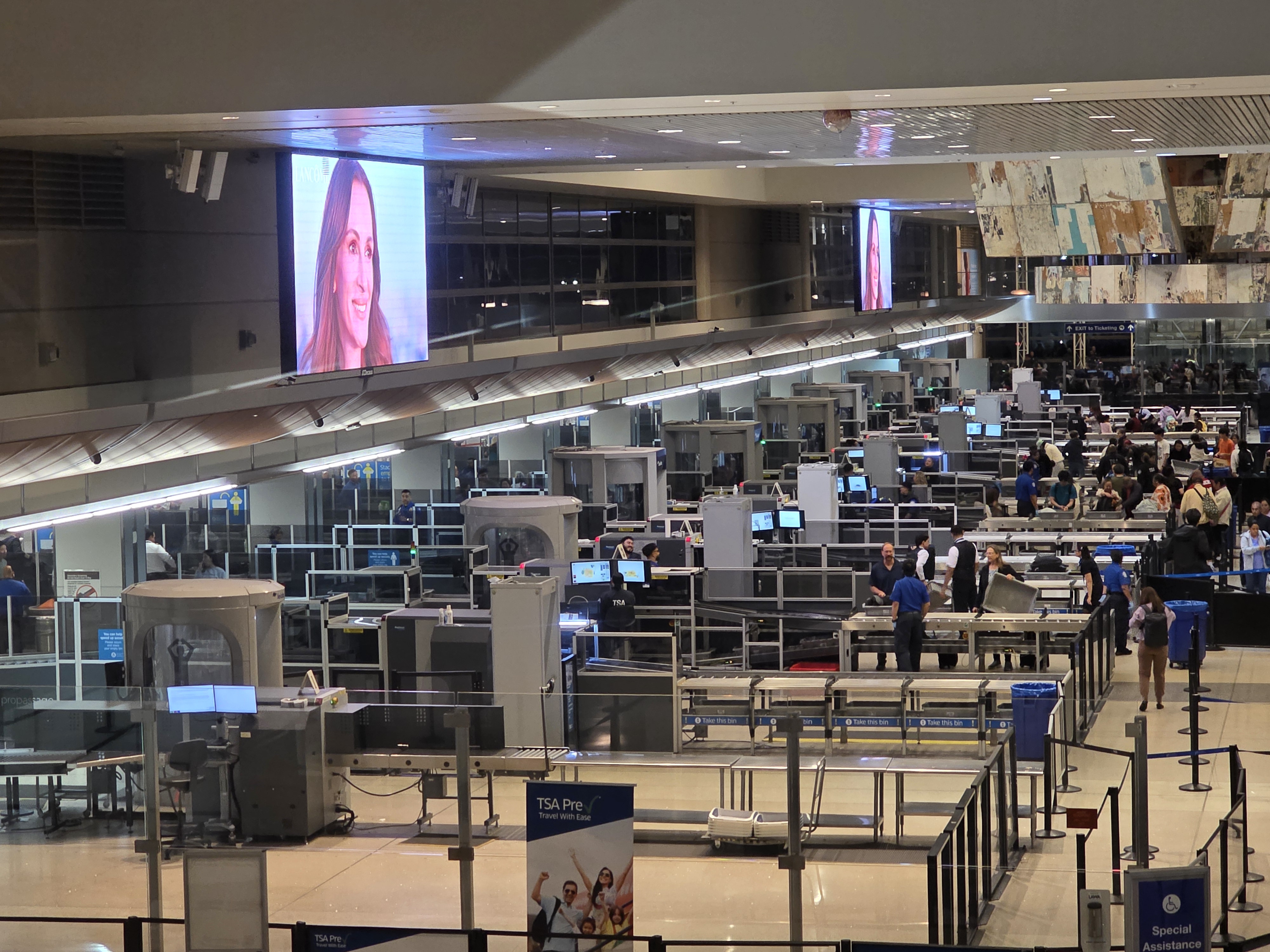
TSA screeners are governed by a special personnel system created by the Aviation and Transportation Security Act. The agency administrator has broad authority over the “terms and conditions of employment” and collective bargaining for TSOs exists only because prior leadership chose to allow it.
DHS argued the Secretary’s determination to allow or disallow collective bargaining is entirely at their discretion. However, so far the court has held that when the agency entered into its collective bargaining agreement, it created a self-imposed contract it has to honor. The agency lived under the view that collective bargaining benefited TSA and the traveling public for 15 years, and can’t just walk away from that.
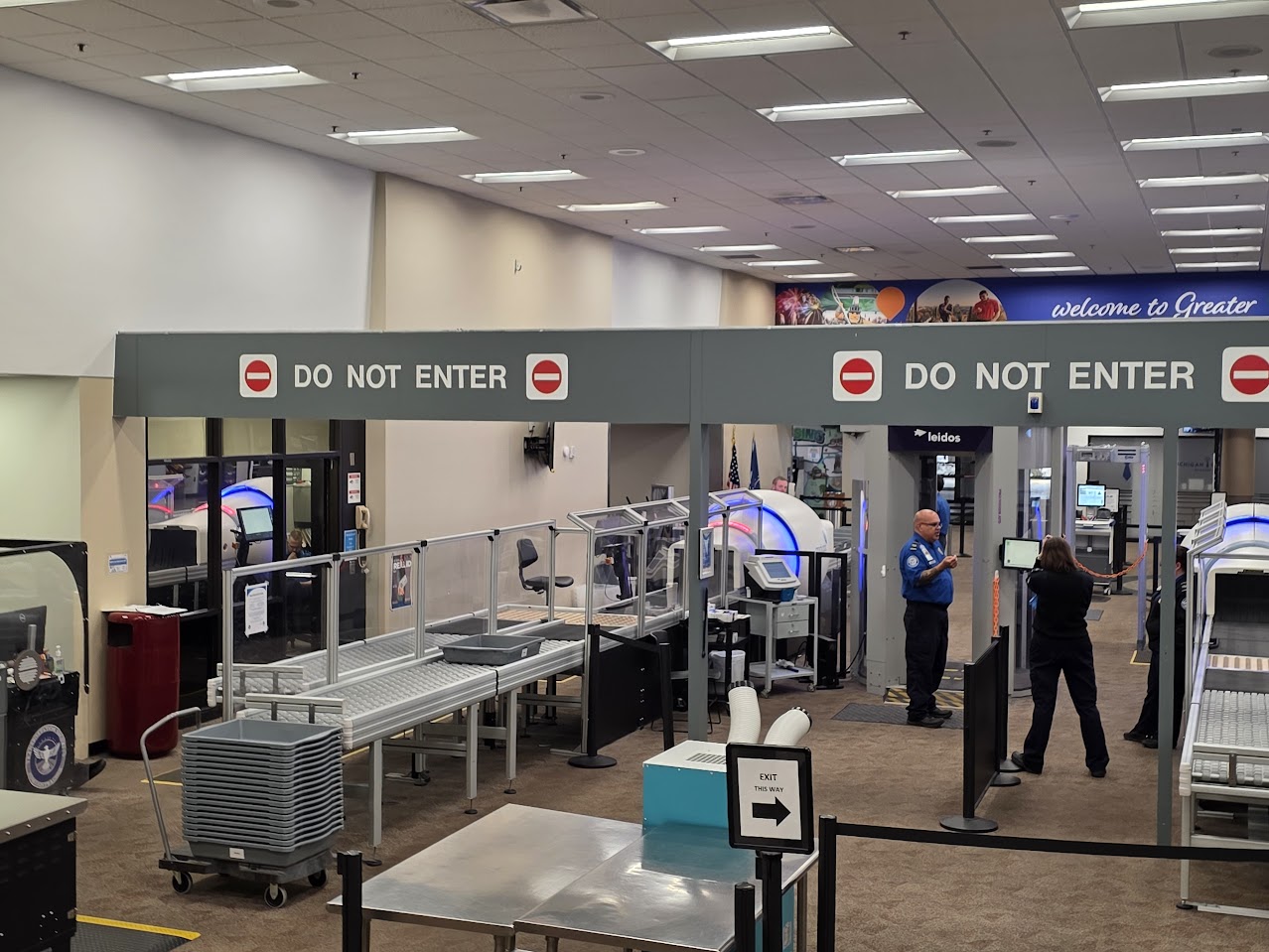
If DHS believes the new determination should prevail, then they have to move to modify, dissolve, or stay the injunction. They can’t just ignore it.
They’re probably right that creating a security bureaucracy isn’t the best way to do security. Although if they were genuinely concerned with security they’d separate TSA functions of regulator and security provider. Having the agency both set screening standards and then do the screening is a recipe for unaccountability.
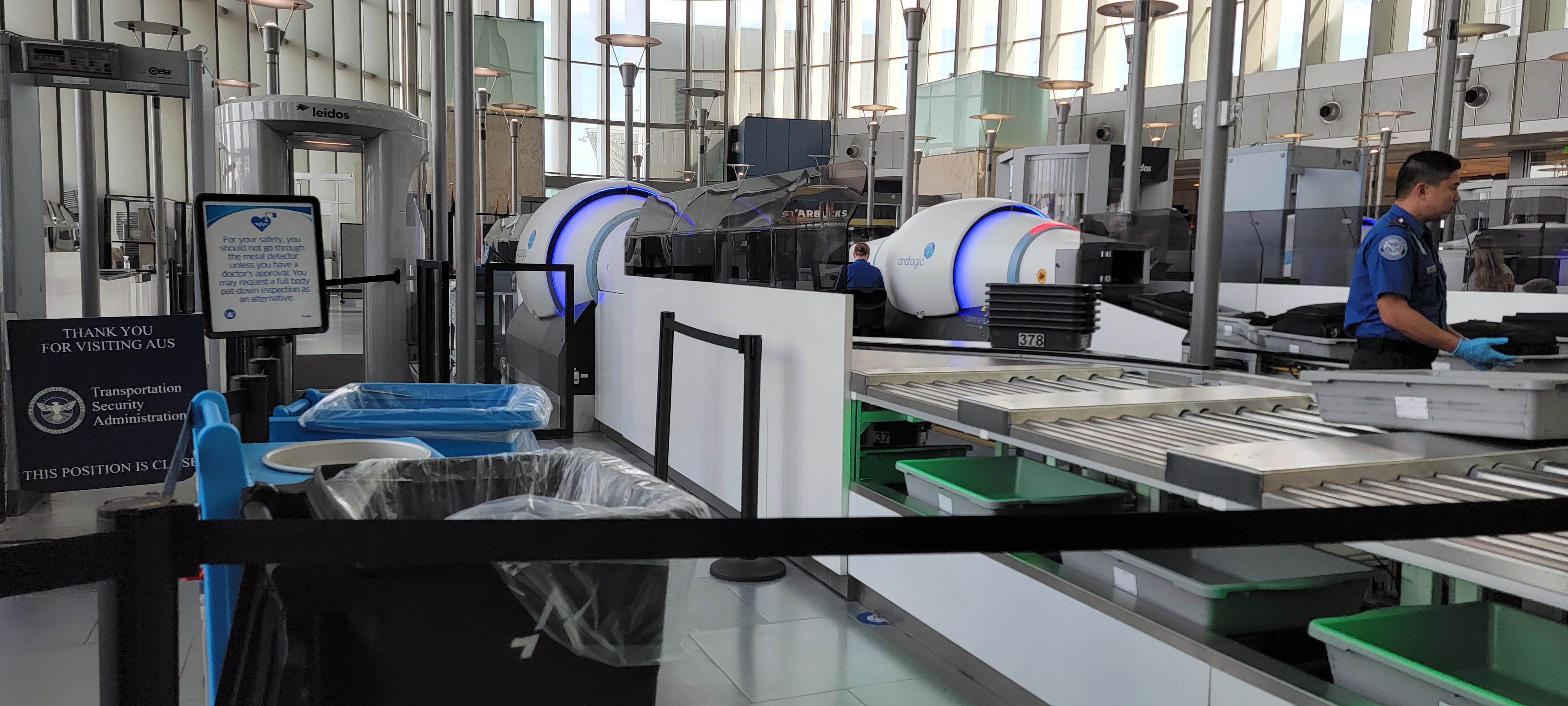
There are better and more important ways to fix security than reneging on an agreement. That said,
- If you accept that airport security is a high-variance, threat-driven environment then collective bargaining can slow rapid changes to staffing models, checkpoint procedures, and surge capacity.
- More formal grievance and arbitration processes can raise the cost in both time and management bandwidth of removing poor performers. And the role can’t accept error. Tens of thousands of TSA employees were subject of complaints but remained on the job.
- Even without strikes, disciplined adherence to minimum contractual requirements can degrade performance and responsiveness during peak travel and security events.
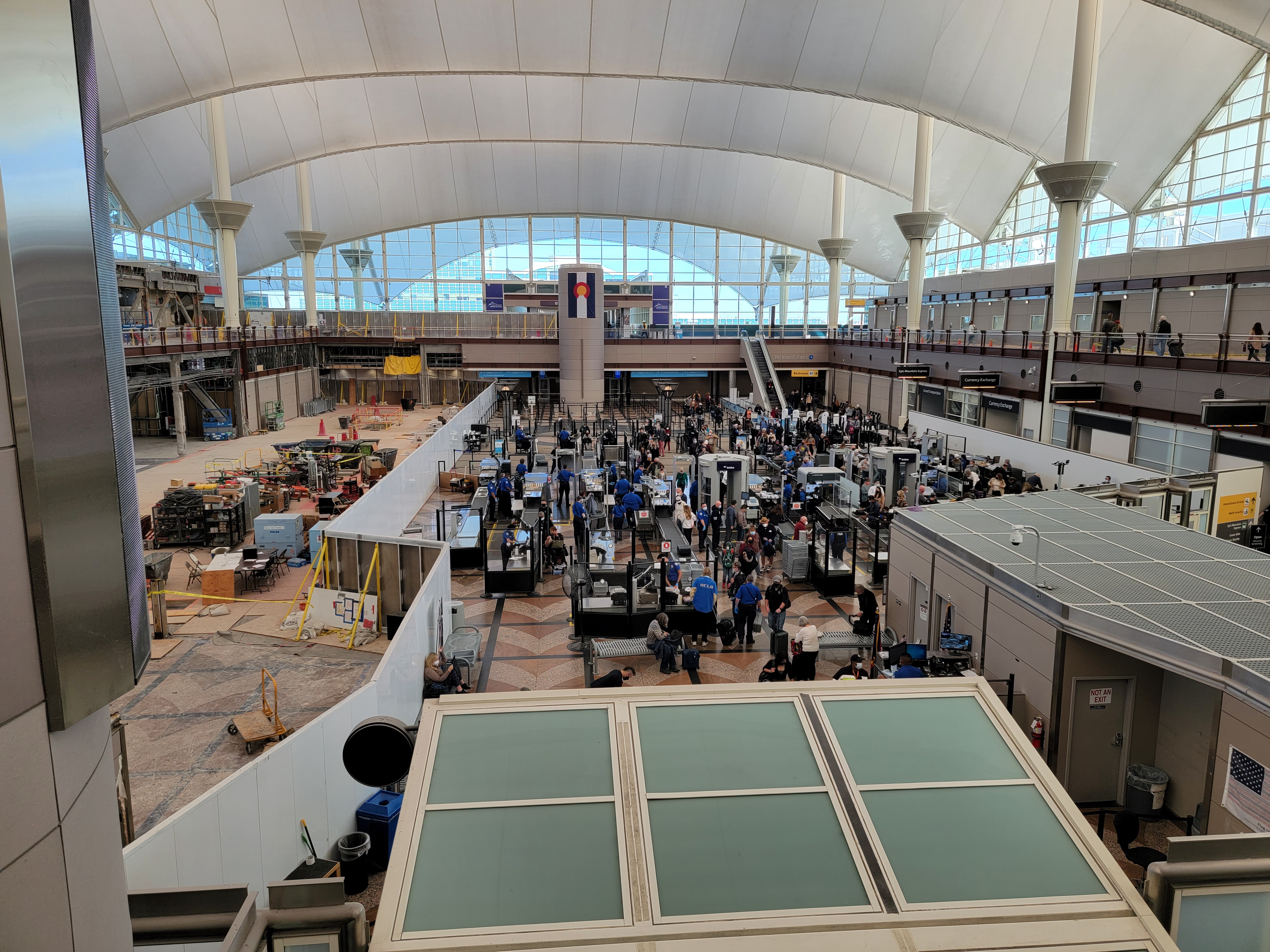
I wouldn’t have pushed the button to unionize TSA. But undoing that requires following legal procedures. There’s not a lot of patience or willingness to do that work in this administration.



Government workers at any level shouldn’t be unionized, in my opinion. My opinion is based on the fact that, as taxpayers, they indirectly work for themselves and can cripple their own “company”, vote themselves rules and pay but at the same time, do so at the expense of the other “owners” (TAXPAYERS) who may disagree and “own” the majority of the “company”. A privately owned company’s owners could give themselves a raise and, if the employees don’t like it…they rest of the employees can quit and go elsewhere. The government is a “publicly held” company and answer to the stockholders…the taxpayer!
The end of our republic may come from this unsustainable situation where any activist can go judge shopping and find a single district judge to block the administration from governing. Activist judges have issued more nationwide restraining orders against trump than all previous presidents combined. They are in almost all cases reversed.
It’s time for this administration to ignore all rulings until SCOTUS rules. Let them run it up the flagpole, until then, elections have consequences, let them govern.
Other than decades of right-wing propaganda since the 1980s, there’s no reason you fellas should be so anti-union, unless you are the owner-class who thinks of these workers as your slaves at worst or indentured servants at best. Guys, labor organizing, collective bargaining, support groups, are each generally good for their members and society at-large. It in no small part helped to build the middle class in this country. Kinda sad that some have lost sight of this, and are so quick to sacrifice the progress of those that came before them. Please, by all means, go ahead, trust that you, individually can do better, without any one else, no protections, but, reality is far more harsh than that, and probability is that you are not going to be the lucky one. And, bless you if you’re in a field or a position where you are 100% self-made and don’t have to answer to anyone. Keep livin’ that dream. Lift up those bootstraps high. Yee-haw.
If a union is needed to GET and KEEP a job perhaps that person is not the BEST person for that job. Go out and COMPETE! Can you handle COMPETITION?
@Mantis
‘You say “Activist judges have issued more nationwide restraining orders against trump than all previous presidents combined”
Of course they have because trump has consistently tried to ignore the law and the Constitution Fortunately, his brand of revenge politics is not sustainable.
I am not a fan of unions, but they have a legal right to exist. It’s amazing how unions have existed in government for decades, under D and R executive and legislative branches. Now that Dear Leader is in office suddenly they have to be eliminated.
Given the other actions of the current administration I can’t imagine why and certainly can’t imagine a scenario where the employees would lose a single protection. Not. A. One.
It’s not like this admin has taken rights or due process away from anyone else.
@1990 – I don’t have to “trust” I can do better without a union I’ve proved I can. Brought up lower middle class, father died when I was 16 leaving us in even worse economic condition, went to college and worked by tail off for a double major in computer science and math (concentration in statistics) then never let up once I got a job. I started as a programmer and took on any assignment possible, worked the hours needed and moved my family around the country 4 times. The result was CTO of a Fortune 50 company, CIO of 2 other national companies, my own consulting firm and wrapped up my career as a director helping grow the health informatics practice of a leader systems integrator.
I did all this with NO UNION. IMHO unions protect the poor employees by making it difficult to fire them and restrain the high achievers since everyone is treated essentially the same economically. Go ahead protect the incompetent and limit productivity. Not something I will ever agree with.
What 1990 said. The highest peak for American manufacturing was also the time when unions were strongest.
@ Retired Gambler
Unions come into a workplace when there is bad management (and bad managers). Only when employees have suffered enough from bad management do they go to the trouble of unionizing.
Poor workers are only protected in a workplace with management so bad that the employee group as a whole isn’t interested in improving their workplace.
They signed a contract. When the contract is up, they can elect not to renew it. It doesn’t matter if you transfer leadership because the entity that signed the contract is still the same. That’s how contract law works
I love unions. I am glad the TSA unionized
Trying to destroy a functioning system without regards to actually figuring out some form of alternative in advance is a specialty of this administration. Remember the last time in either term when they wanted to install an effective replacement for a system or department? Me neither.
Well done judge.
TSA used to be a mess and it’s finally working now (they also got raises during the last administration, allowing them to attract better quality people).
As a passenger, returning to the pre-2024 TSA and the long interminable lines would be AWFUL.
I wish these current guys would stop focusing on destroying things that work.
We need to get rid of pilot unions. They are professionals and don’t need unions.
The only good thing I can see about a pilot union is that if something goes awry, the company wants their job and the FAA wants to take their certificate. A third party can possibly help. Again, government workers know what they’re getting when they sign on. They are taxpayers working for the taxpayers. The minority government union has the capability to cripple the majority of the very they “work for”. It is kinda like the inmates running the asylum.