
Avis and Hertz have ‘invitation only’ elite levels. Avis has their Chairmans Club, while Hertz has Platinum. Many years ago, Avis Chairmans Club was available with a NetJets card purchase. Customers got a paper form to fax into Avis. So someone on FlyerTalk photocopied the form. And they photocopied the form. And so on.
Chairmans Club was supposed to be upgrades to ‘best car on the lot’ as long as you rented a midsize. You’d pay market rate for gas refills. And they dropped you off back at the terminal in the rental vehicle – no riding the bus. (The first qualifying rental also earned a free 5-day luxury rental with this offer.)
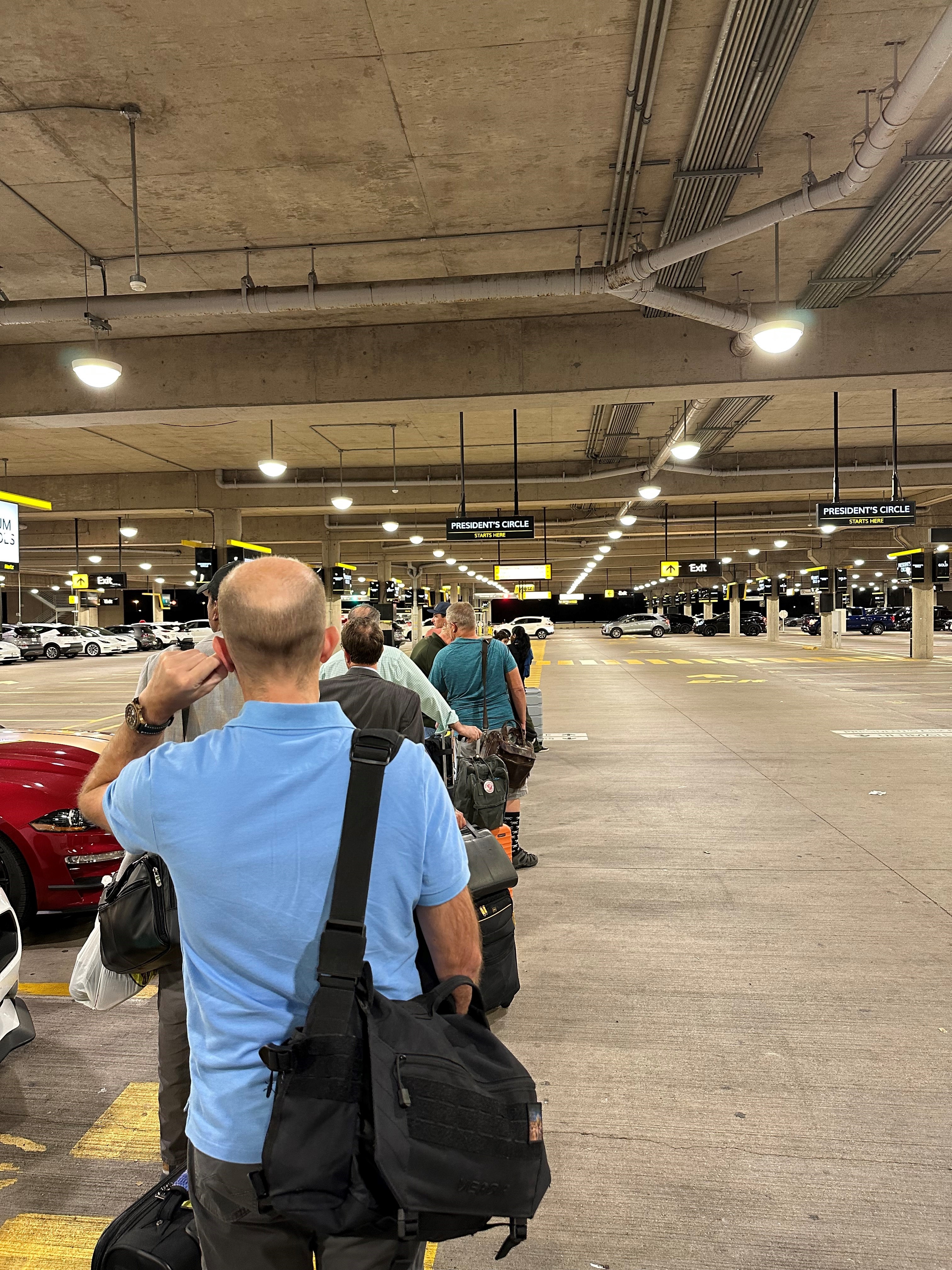
Both Avis and Hertz also offered dropoff services for the car. You didn’t need to ride a rental shuttle to the lot, either. I’m always enamored by serves that let you skip the hassle everyone else goes through – not just the queues but the schlepp as well.
So I wonder why I’ve never heard of “Uber Valet” before? Uber has a car rental platform (‘Uber Rent’) and it’s basically that plus car delivery.
- A rider books a rental in the Uber app, chooses a delivery-eligible car, uploads license and payment info, and a third-party driver brings the rental car to them and later collects it.
- Riders generally must be 25+, book at least 2 hours ahead, and (sadly) airport delivery is generally not available.

Drivers see car delivery opportunities in their Work Hub, with pickup, dropoff, and fare shown before acceptance. The problem is that Uber doesn’t provide transportation to or from the rental pickup and drop off location. They should really include an Uber for the driver!
The service is offered in Phoenix; San Francisco, Los Angeles, San Diego; Miami; Orlando; Tampa; Atlanta; Chicago; New Orleans; Boston; Detroit; Kansas City, St. Louis; Las Vegas; Hoboken, Jersey City, Bayonne; New York City; Charlotte; Philadelphia; Austin, San Antonio, Houston, Dallas; and Washington, D.C. in specific service zones and at certain times of day. Valet first launched in Washington, D.C. in 2021.
Drivers frequently gripe about deadhead repositioning, lack of a paid trip back to their own car, low pay once you account for the unpaid leg, waiting around at Avis (which can be long), and fear of being blamed for pre-existing damage or fuel issues.

It only seems to work for folks with a folding scooter or e-bike, or a buddy system. And even then, pay is reportedly not better than normal rides.
Skipping the counter, no shuttle, no line, tracking the car delivery like an Uber trip, with hand off via a PIN and selfie is convenient for the customer. However, some riders seem to complain about late delivery and support agents who don’t seem to understand the product. And if a pickup for the return can’t be completed, the renter may have to go to the Avis lot themselves to do the return. That uncertainty is a problem at the last minute.
Car delivery isn’t a separate upcharge with Uber Rent, it’s rolled into the total reservation price and varies. Base rentals tend to run $60 – $70 a day (inclusive) in Austin, but they can run $30/day to hundreds per day depending on city, demand, and vehicle type.
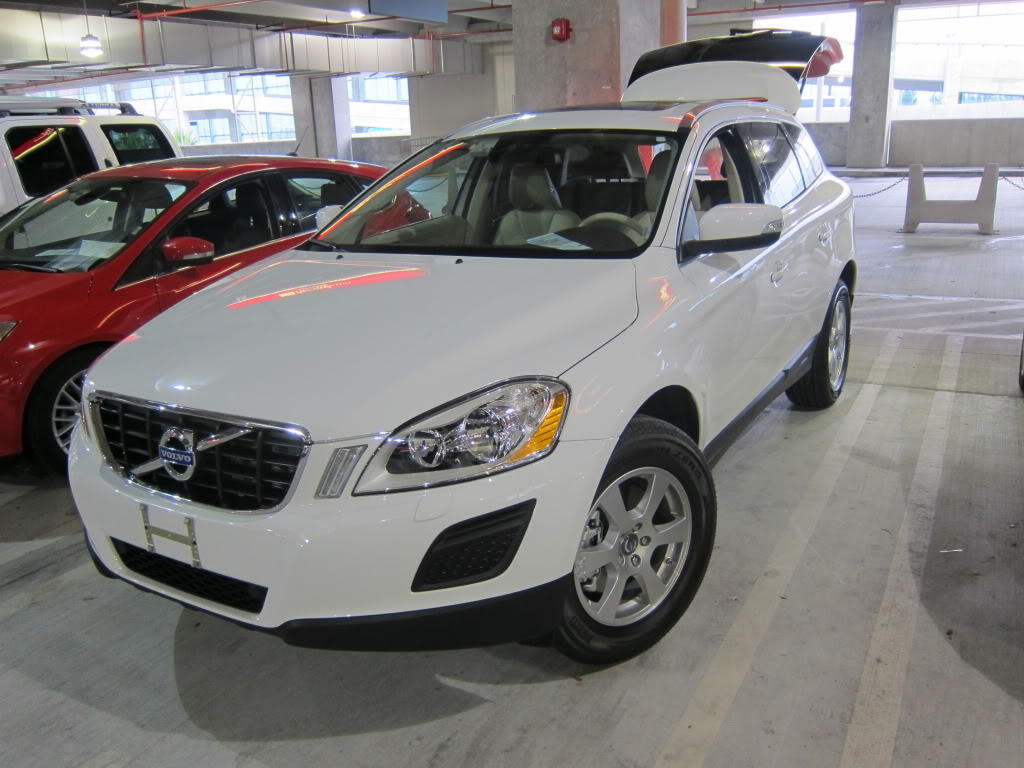
This looks potentially high value to me – even where they can’t do it on-airport. I may not need a car every day, and getting the vehicle delivered sounds great. But if they can’t guarantee delivery at a certain time, I’d wind up waiting around inefficiently for the car which undermines the value proposition. And it seems like Uber isn’t willing to price the service in a way that supports decent fares for the drivers given the hassle and costs they incur.
What this points to, for me, is that there’s room in the market for a premium rental car product that eliminates waits and dragging bags off-airport (and that also guarantees availability of quality cars, with a pricing structure that eliminates nickel and diming for things like gas). Uber seems to see that opportunity, but hasn’t seized it – in part because they’re just layering their own product (matching drivers with tasks) onto someone else’s inferior offering (Avis).
Of course, Silvercar didn’t ultimately work. They also weren’t generally on-airport and rules around picking up customers at the airport varied.

Rental car fleets are capital-intensive, working with airports is hard especially for non-incumbents. But there does seem like there’s an opportunity here for someone to solve.



Or, hear me out, move to, live in, and invest in reliable, affordable mass transit… or is that ‘woke’?
For a number of years, there was Kyte, which provided door-to-door delivery service on both ends of your trip — they would deliver the car to you and pick it up at the end of the rental. In a word, fantastic. As the founder of AutoSlash, I rented frequently with Kyte in NYC over several years. They weren’t the cheapest option, but they provided a high-quality service that was actually priced more competitively than Uber Valet, which I consider an inferior product.
At its height, Kyte operated in about 15 US cities, but ultimately they could not make the business model work. NYC and SF were their most profitable markets by far, while the rest either lost money or broke even at best, draining their cash flow until market forces took hold.
IMHO, Kyte had pretty much nailed the model for this type of service but ran out of runway. I believe it would be hard for someone like Uber to make this work because it requires top-notch execution along with close coordination with fleet owners (Hertz, Avis, etc.), which is tough when both sides aren’t fully aligned — as evidenced by some of the challenges Gary mentions in the post.
@Jonathan — Slightly different, but there have been many iteration of start-ups like Via and Revel that cycle-through NYC for a few years then disappear. Wonder what’ll be the next ‘thing’…