
American lost $382 million during the first quarter, which they blamed on fuel and weather. The airline’s performance was better than consensus estimates.
They expect second quarter adjusted earnings between a loss of $0.20 and a profit of $0.20 per share, which is worse than analyst expectations. American also cut its full year outlook. At current $4 jet fuel pricing they expect to earn money this year. At fuel prices of a few weeks ago the outlook changes.
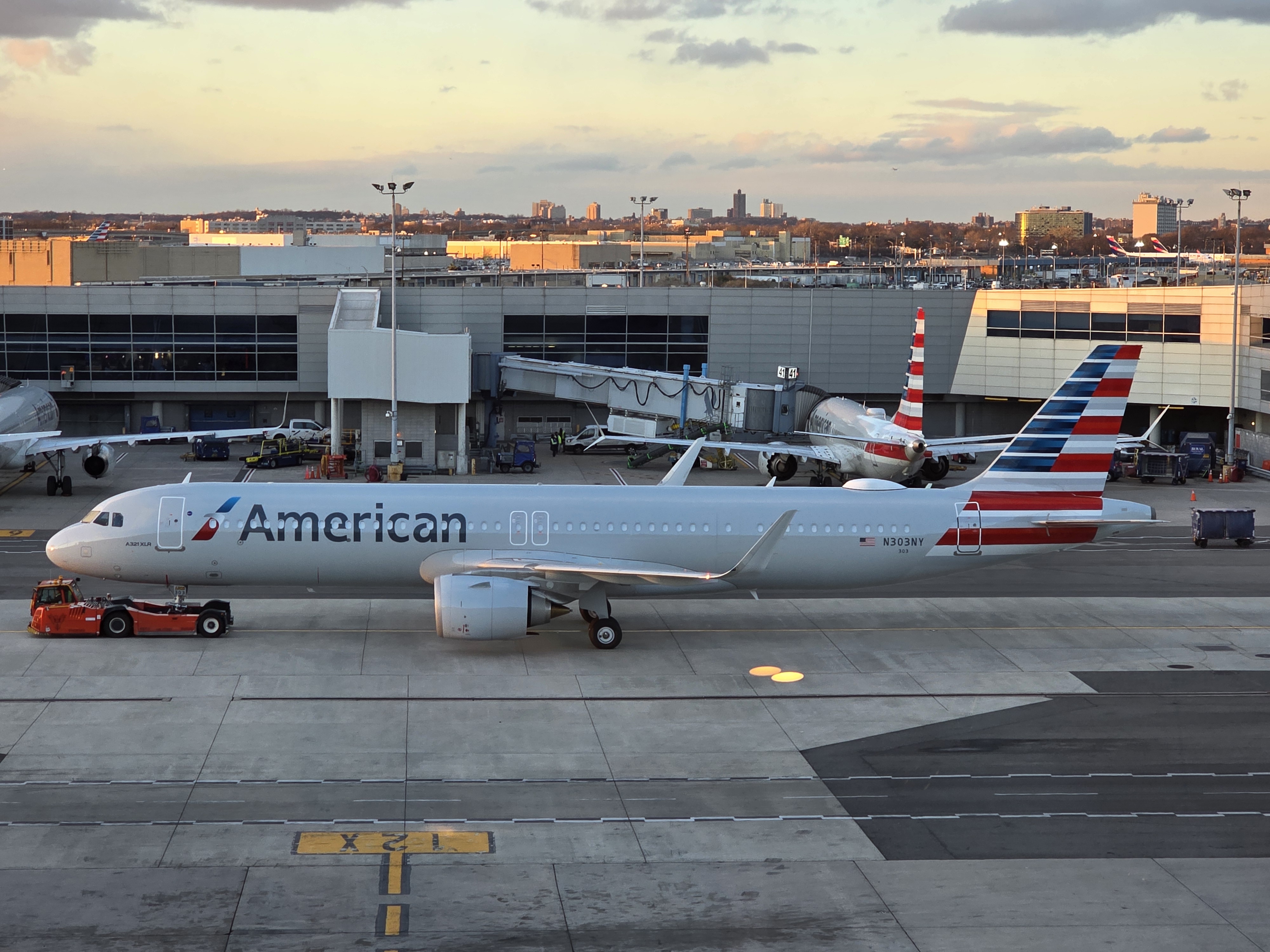
Right before the start of this morning’s first quarter earnings call, I was reading Ted Reed flag that American’s customer satisfaction scores were up year-over-year in fact up more than any other U.S. carrier.
Last January, I broke the story that they planned a strategic pivot to offer a more premium product across the board. They’ve made progress with this along several dimensions and that’s beginning to help with customer perception.
American led with a 7% gain, according to the survey by the American Customer Satisfaction Index (ACSI)…Southwest, which led the survey in 2025, fell to 77, reflecting “some slippage in customers’ assessments of Southwest’s service with ratings for flight crew courtesy, gate staff courtesy and call centers all inching back.” The survey also cited “the reputational hits Southwest took” as it moved to assign seating.
…Overall ranking for the industry was 77. Alaska and United scored 75, while Frontier scored 69 and Spirit scored 66. …Delta finished first with a score of 79, up 3% from 2025, while American finished tied with JetBlue for second with 78.
This matters because, as American’s Senior Vice President Heather Garboden flags, one point of net promoter score improvement yields $50 million to $100 million in revenue. I found it notable that Chief Commercial Officer Nat Pieper took a more active role in this quarter’s Q&A with analysts.
Not everything is positive for customers. CEO Robert Isom, in his prepared remarks, defended adding restrictions to basic economy, and said it’s driving demand for paid extra legroom seats. While he highlighted growth in premium cabin seats, one of American’s biggest seating challenges is lack of extra legroom seats to sell. They have no plans to change this.
But they’re investing in airports, cabin interiors, and lounges and they’ve improved several policies that were real pain points like how difficult it was to stand by for flights. They’ve been ticking through improvements like business class champagne and coffee (though Lavazza pitched me a story on how their coffee was now available across American’s route network, that’s not actually true, they’re still burning down existing stock of the miserable Fresh Brew).
American has a lot of work still to do, to get the business re-oriented to success:
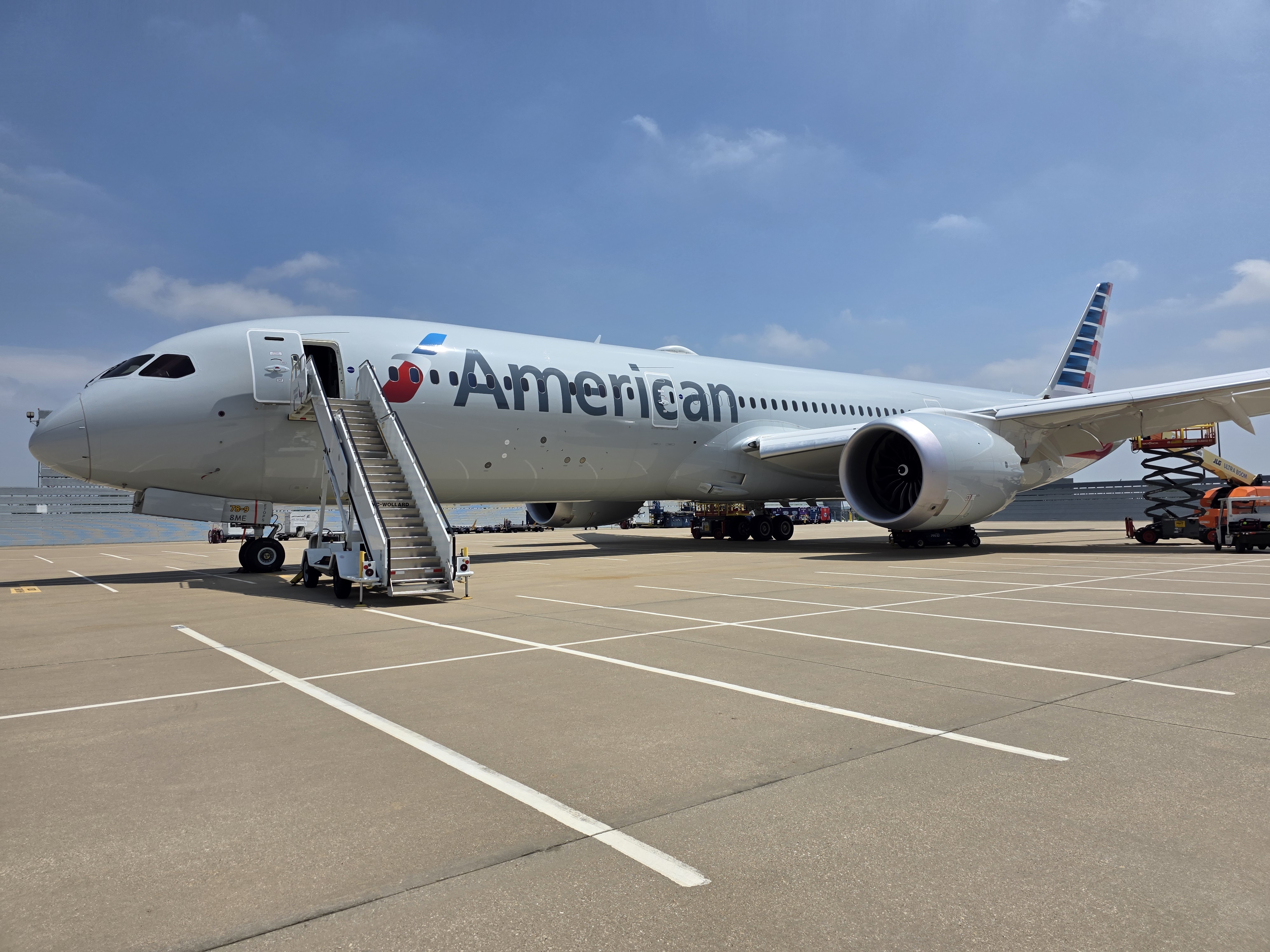
- American has a fleet problem. They retired too many planes during the pandemic and couldn’t bring back flying to all of its hubs. That cost them gates in Chicago O’Hare. They haven’t had enough widebodies to take advantage of transatlantic opportunities. They need a widebody aircraft order.
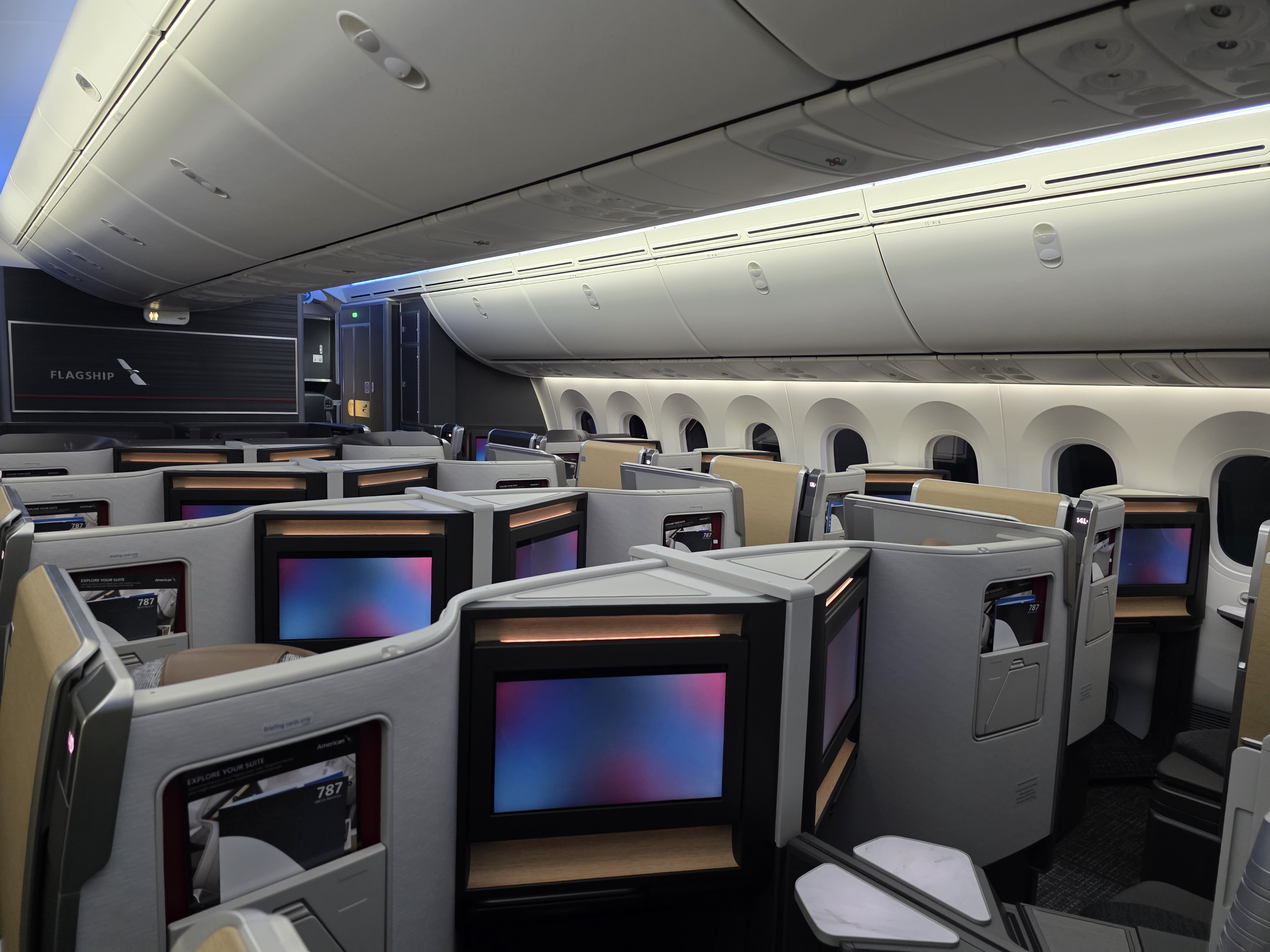
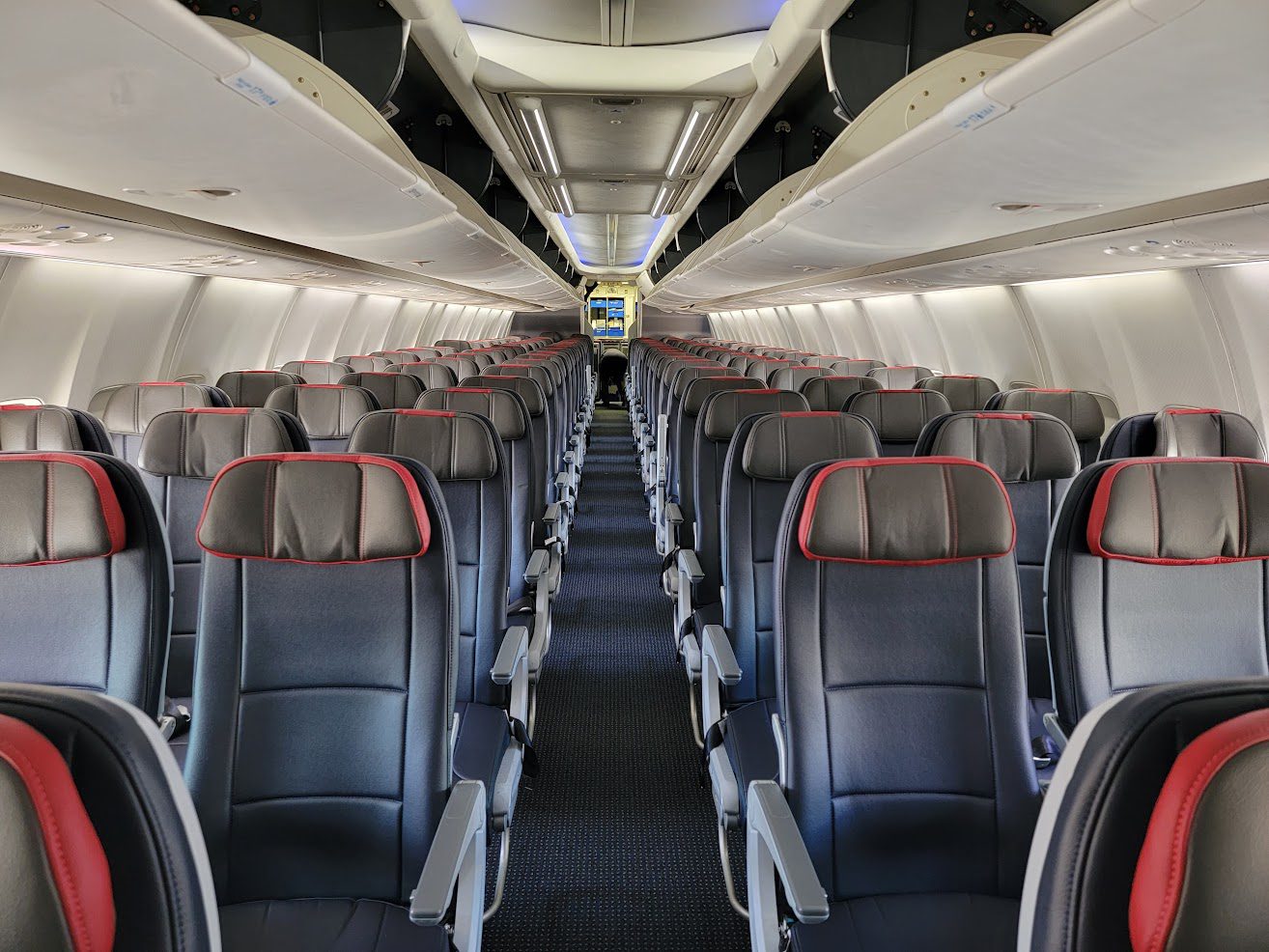
- American has a LOPA problem. They don’t have as many premium seats to sell as they need, or as many extra legroom coach seats as competitors. They have a fare ladder, trying to get passengers to buy up, but they don’t have the product to buy up into in economy.
- American has a customer service problem. Too many American Airlines employees seem unhappy to be at work. That rubs off on customers. Nine years ago the airline’s pitch to investors was that they would take care of their team, their team would take care of customers, and customers would prefer American. But their strategy for ‘taking care of the team’ was outlined as giving them electronic tools to take advantage of their benefits – not to shed underperformers who bring down morale, tie incentives to outcomes, or inspire employees with a vision for the airline and a sense that something is at stake.
And they’ve even cut customer service staffing at airports to assist during irregular operations, and American Airlines still has more irregular operations than they should.
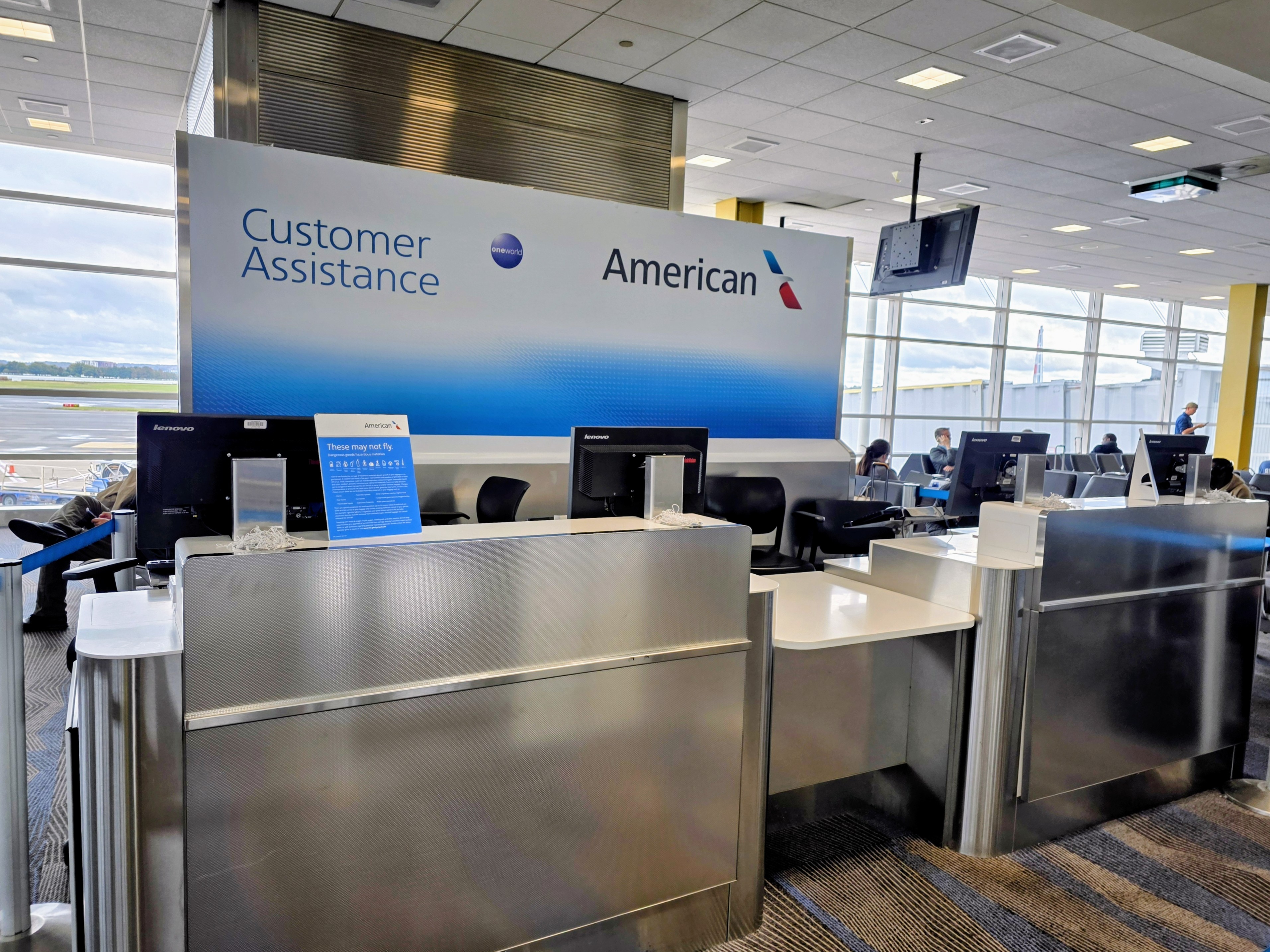
- There’s more progress needed on the product. American’s new premium business class seat is good. Their new international premium economy seat is good.
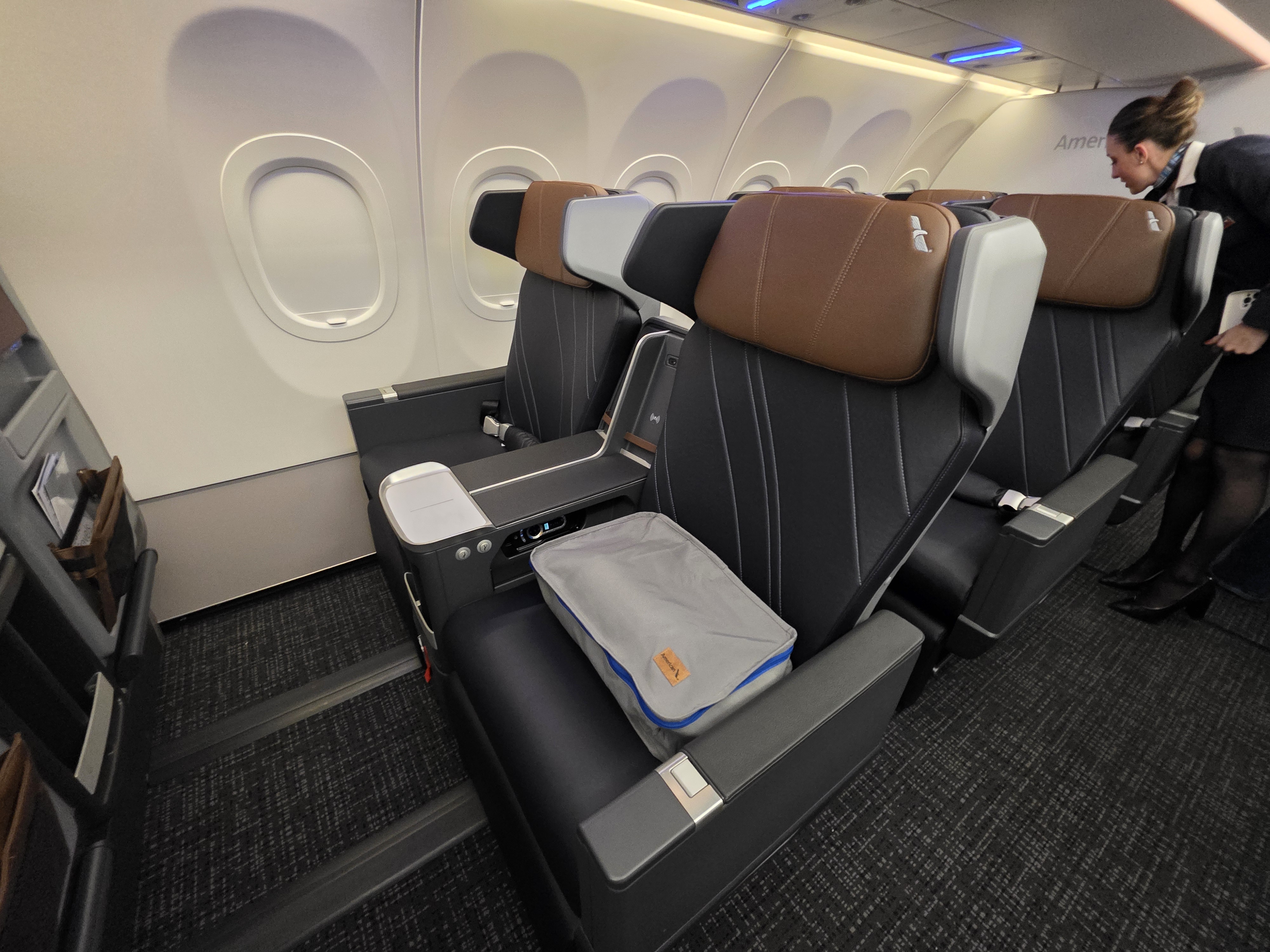
Their new lounge aesthetic is good. Food in the lounges needs work, and their wifi quality is falling behind (especially now that it’s free and gets more use). The customer impression of the product doesn’t match Delta or JetBlue without seat back entertainment screens, which have become cheaper to install. Most customers fly coach and there’s still not enough food for sale in back.
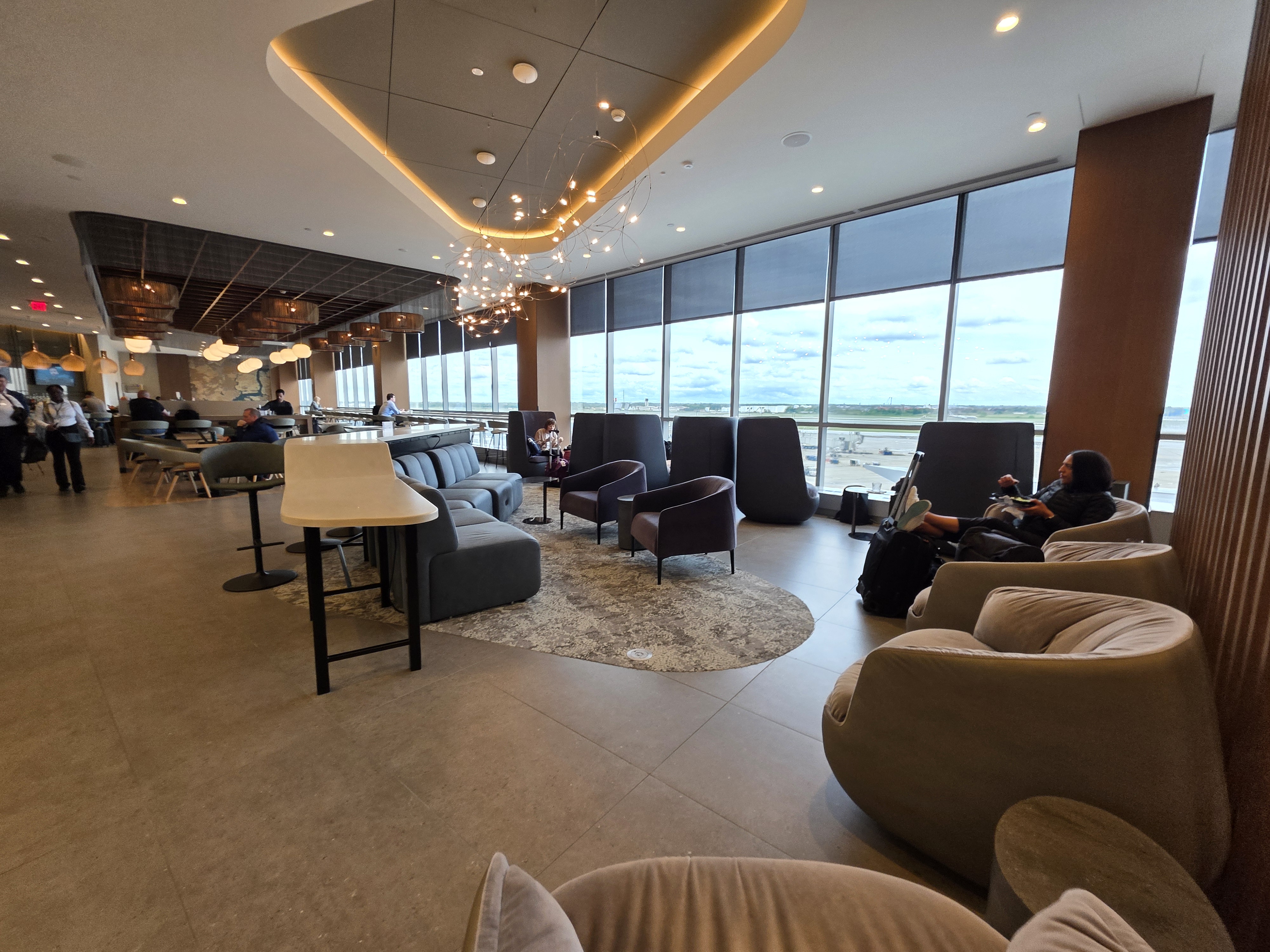
- American has a coastal problem. American is weak in New York and San Francisco and has lost ground in Los Angeles and Chicago. That matters because these are the most important spend markets in the country, and that drives credit card cobrand performance.
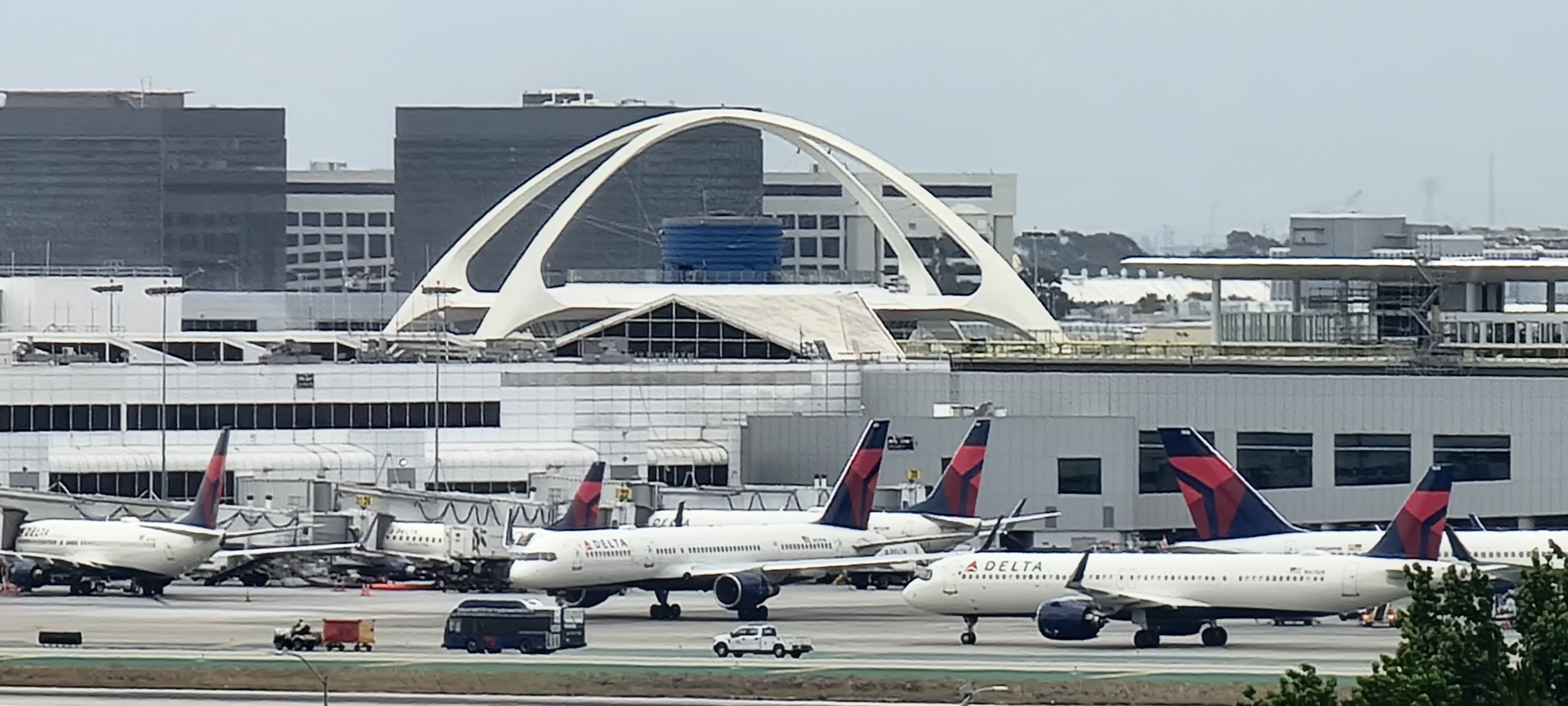
Los Angeles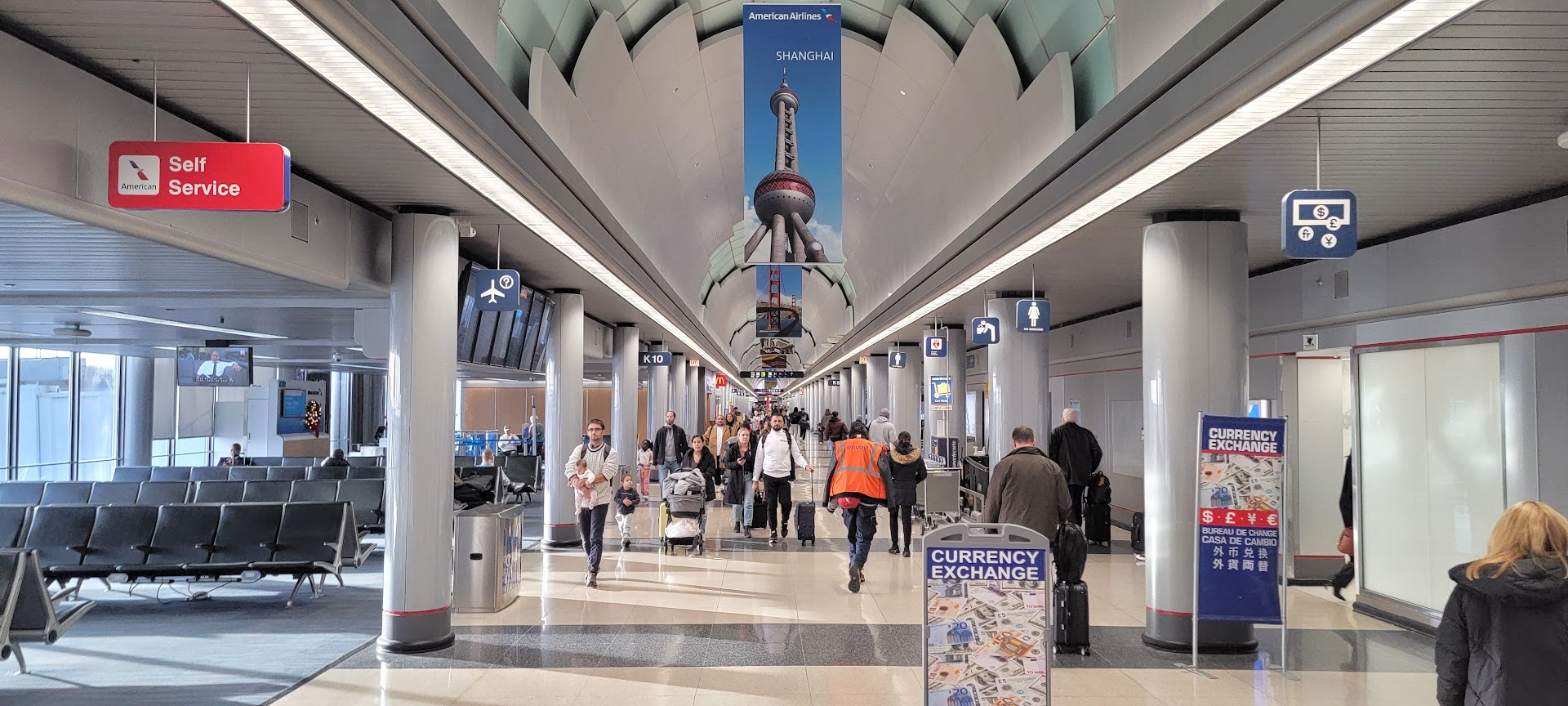
American Airlines Chicago O’HareTheir cobrand has fallen from number one in spend volume a decade ago down to number three. Their JetBlue partnership was a solution to this in New York, but the Biden Department of Justice killed it. Their Alaska partnership could help on the West Coast (but they need to build back San Francisco). And they’ve begun to get more aggressive again in Chicago.
- American has a vision problem. Much of the issues above tie together as a vision problem – what is the airline trying to be, what are they explaining to employees, and how are they rewarding performance. This starts at the top. The strategy has shifted but employees don’t all understand it, understand how it affects them, or what they’re supposed to be delivering. The CEO needs to be out in the operation talking to employees and selling them on a better future that they’re a part of, the way that Oscar Munoz did at United a decade ago.

CEO Robert Isom confronted by flight attendants during contract negotiations
American Airlines is beginning to make progress in the right direction! It’s not enough, and not fast enough. But if they can take advantage of this moment to do deals with Alaska and potentially even with JetBlue but their lagging financial performance gives them less of a platform to do more than one.
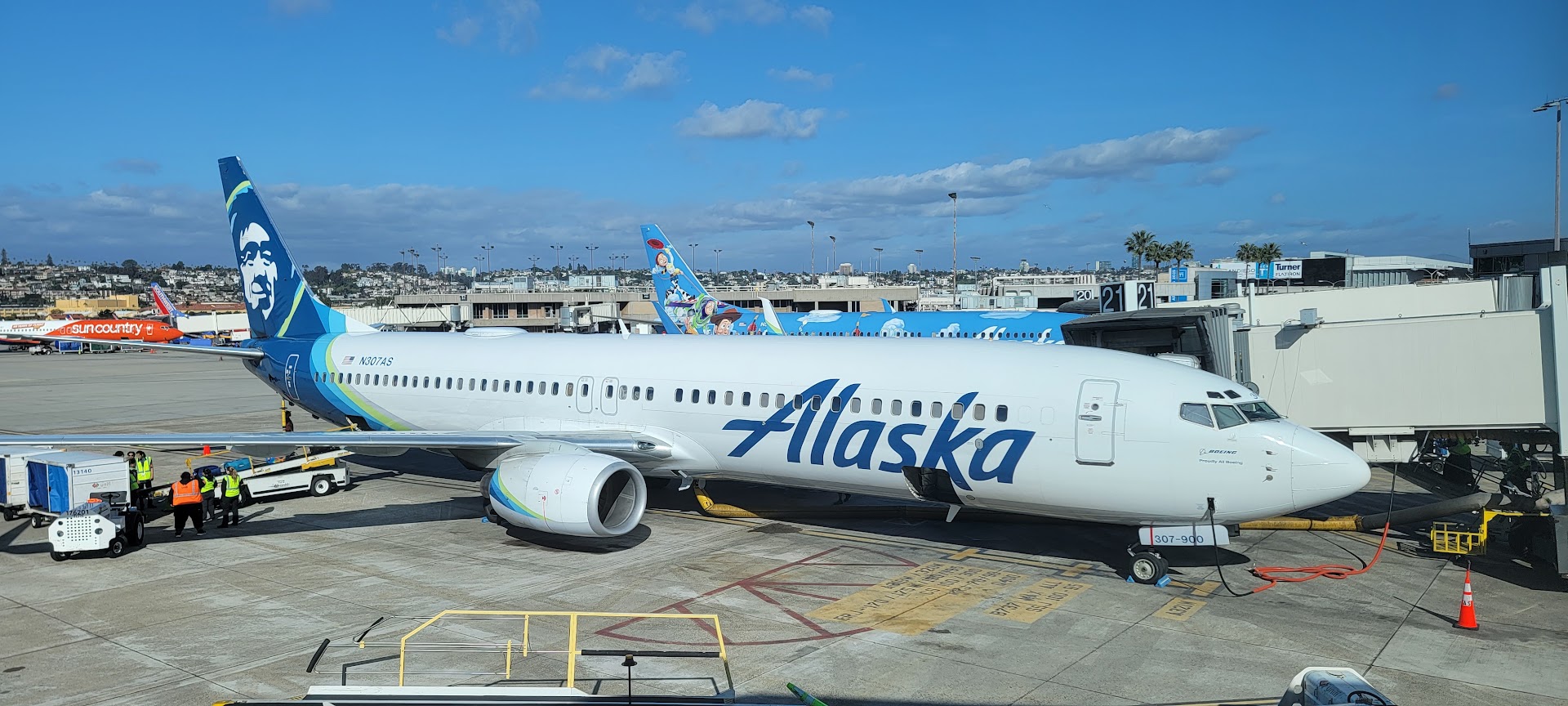
In response to a question by J.P. Morgan’s Jamie Baker, Robert Isom all but confirmed future plans for greater integration with Alaska Airlines. He reiterated ‘looking forward to doing more’ with Alaska in response to a Reuters question. American could actually learn a lot from Alaska about onboard food – a learning there that dates back over a decade to when the then-CEO used to have weekly senior staff lunches serving onboard meals.
If they can get out into the operation and lay out a clear vision to win, and then execute a plan to get the fleet and seating right, the product right, and a greater presence in key cities, they could really turn around their performance for shareholders, employees, and customers.



American’s commercial engine is working again, PRASM is up, corporate share is recovering, premium is outperforming, and loyalty is compounding, which suggests pricing, network, and AAdvantage are back in sync after a lot of self-inflicted disruption. This improvement is real, but the market will not fully credit it until those gains hold through a tougher fuel environment and translate into sustained margin expansion rather than a single-cycle revenue recovery. I am still something of a skeptic at this point given the track record, but let’s see.
Their scores went up so much because they were low to begin with LOL
So in Q1 2026:
DL had a $289 million net loss .
UA had a net income of $699 million.
WN had a net income of $227 million.
AA had an operating loss of $41 million dollars…very sad. But Isom still says they are 2nd to none. None of us are sure of what, but they are 2nd to none LOL
AA’s biggest problem is that they can’t fix their loss of market share in NYC and CHI and they are and always will be deeply indebted.
The only satisfaction they can take is that UA is heading in the same direction as a result of the massive fleet spending they are doing even as fuel costs translate into low capacity growth.
It says a lot that AA chooses to continue aggressively grow capacity while UA cannot without tanking its yields.
of course UA is trying to be profitable while AA has that as an aspiration on the 10 year plan.
Minor typo: I think the 2nd “with alaska” here should instead be “with JetBlue”. “do deals with Alaska and potentially even with Alaska.” 3rd to last paragraph.
@Tim Dunn – AA starts from a weaker structural position, especially on leverage and coastal share, but I’m not so sure the competitive dynamic should be framed as static. American’s path is narrower. It has to execute nearly perfectly on revenue quality, fleet densification, and loyalty monetization. United’s path is more capital-intensive but gives it more long-term structural upside. The real question is not who looks better today, it is which model proves more resilient when the cycle turns and pricing power softens.
Mike,
you are right, as usual.
It is far easier to grow interior US hubs that have long been undersized- which is what UA is doing – than for AA to regain coastal strength that it had but lost.
DL gained most of what AA lost in coastal hubs and UA is trying to pick off just as much from AA at ORD.
AA made many wrong moves but so did every other US airline. It is only how far back one chooses to look but we know there are plenty of people that love to pick a timeframe that declares “their airline” as the winner.
You are correct that life and business is about the longhaul.
AA and UA have long been in cycles of one being up and the other down; a whole lot of people that populate social media will be eating lots of crow if AA is the one that is up and UA is down.
@Tim Dunn — Did you see what @Philip Teagle said: “DL had a $289 million net loss.” Ouchhh.
Spectrum Boy, Delta, “Peace be upon him”…is lower in satisfaction metrics (see stats posted) and highest in Federal civil rights complaints so you have something to pray on for future Georgia Klan Air improvements, especially after their disastrous investments this last quarter. It must hurt…do us a favour and pray harder!
You’ve been the CEO of how many airlines????
@DesertGhost – In the words of Friedman: “That is wholly irrelevant. Would you only want to be treated for cancer by a doctor who has himself had cancer?”
I remain convinced that American Airlines has the meanest flight attendants. Prove me wrong.
Friedman is a moron and that question is inane. Would you wanted to be treated by an oncologist or an ENT?
Facts matter, experience matters, that is called the free market.
@DesertGhost – try saying something new instead of spamming the comments over and over with the same thing?
American had forgotten the little guys on their planes who still spend money with them every day. They have removed perks in favor of those who can spend even more. My loyalty dollars can go to anyone, not just AA as they show just how little they value me.
@DesertGhost – Saying the same exact thing every time doesn’t make you look like a grownup.
I think this article is spot on.
I will say that whenever I give a less than ideal net promoter score, I’m getting a phone call from AA customer success within the hour. They can’t fix the problems of course, but at least there’s a growing perception that someone over there is listening.
Nothing will change with American until Isom has been fired.
I’ve lived in DFW for 40 years and know many employees and neighbors that work there. They all say the EXACT same thing. Morale is in the street gutter and there is no true leader at the top. Nat Pieper might be their only hope but Isom evidently is clinging on continuing his failing leadership. (And will probably seriously do anything to thwart Pieper replacing him.) The authentic legacy brand is dead and employees have nothing but a paycheck to look forward to…..and their date of retirement.
When your place of employment is so incredibly depressing and you’ve lost hope of happier days ahead it’s hard to provide stellar service. I think that most readers can relate from their past career experiences. When you’ve lost all hope about your work life it is damn hard to get out of bed.
I incompetent
S sissified
O ver-his-head
M aladroit
How weird. The real story is how United is hitting it out of the park vs DL, while AA continues to struggle and generates losses, and *this* is what you write about?
How much is AA paying you?
Sadly, this much delayed turnaround is happening so late in the cycle, it likely won’t matter. The US and global economies are about to go off a cliff into a deep recession, with the US paying an even harder price for the mess it continues to create around the world. The US will see a prolonged period of stagflation with high energy and food prices. Leisure focused travel is going to evaporate. The industry will face more consolidation, more debt, and fewer brands chasing fewer passengers.