Delta Air Lines has been cancelling hundreds of flights througout the weekend, while other airlines operate without issue. And weather certainly hasn’t been a unique issue for Delta during this time.
It wasn’t exactly clear what was happening to trigger the meltdown, and Delta hasn’t explained it publicly. However, aviation watchdog JonNYC explained the issue as “crew restrictions” and postulated that Delta’s turnover in scheduling has been a problem when things go sideways – and that there had been a snowball effect from weather at the start of last week.

Unsurprisingly, internally Delta is blaming weather – but not near their hubs. “Scattered thundershowers over Central Florida” of course affect many airlines and don’t leave to cancelling 100, 200, and more flights per day. Again on Sunday Delta cancelled more flights than any other airline in the world.
It’s worth mentioning that internally DL is placing some of the blame on “scattered thundershowers over Central Florida” w/ some ground stops etc, but I’d personally assume that would have impacted others as well.
— JonNYC (@xJonNYC) May 3, 2026
The issue seems to be Delta’s inability to schedule pilots properly, combined with insufficient pilot hiring and turning over in scheduling. This is well-known inside the company. In fact, the pilot issue even came up during the airline’s most recent earnings call – and they do not expect to fix it quickly (which means we can expect mass cancellations to happen again as summer storms roll in).
- During the first quarter earnings call last month, CEO Ed Bastian acknowledged the reliability hit they’ve taken and identified the problem as their pilot contract.
[O]ver the past several months, particularly following severe weather, our reliability and recovery haven’t met consistently enough our high standards. …Teams are taking targeted actions to improve resilience and recovery, as well as addressing challenges that have resulted from contractual changes to our Pilot Working Agreement that came into effect over the past year. While this will take a little bit of time to work through, we’re partnering with our pilots and union leadership to ensure we deliver the reliability that Delta is known for.
- Chief Operating Officer Dan Janki elaborated, saying they expect issues to linger through the summer and that’ll take through the “back half of the year” to address.
As we talked about, we don’t have the resilience that we’re known for related to that… It’ll take us a little bit of time here as we work through it through the summer.
And there’s no doubt, when you’re flying more intensive operation, and as you see with weather, some of that will be highlighted more. But we expect to make progress on it as we progress through the summer and through the back half of the year.
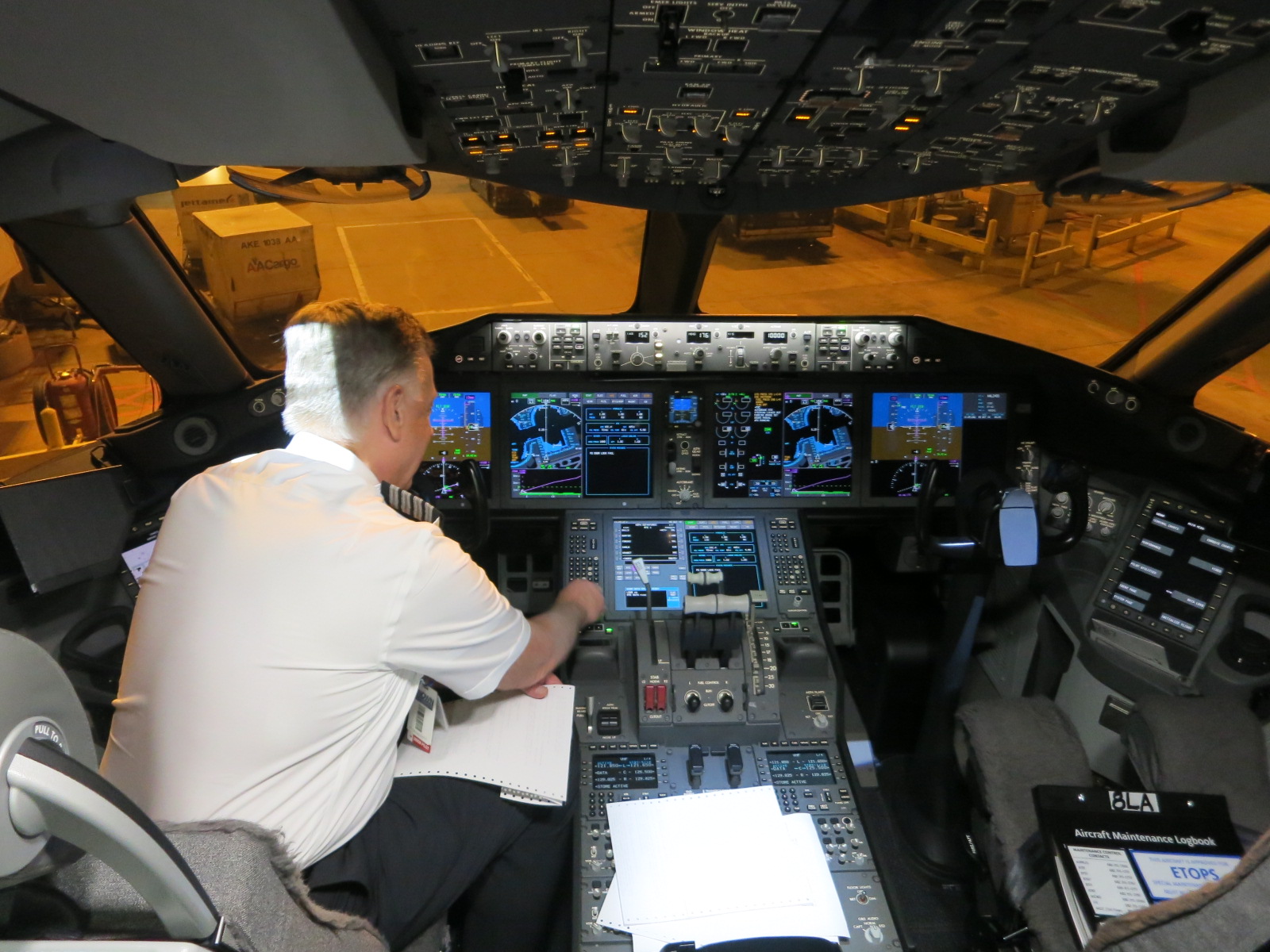
JonNYC tags an explanation for how Delta’s crew assignments keep breaking down when weather rolls in, in a way that’s unique to them and other airlines don’t experience.
Delta’s problem starts when flights need pilots outside the normal schedule, especially after weather or other disruptions create open assignments. The process Delta has backed itself into over a period of years is slow, expensive, and problems cascade, leaving flights uncovered even when there are pilots willing to pick up the trips.
- In the older system, crew schedulers called pilots one by one, in seniority order, until someone accepted the trip. Delta later moved much of that process to an automated calling system, which could contact many eligible pilots at once. ARCOS is the automated crew-callout system Delta uses for open flying.
- That made coverage faster for scheduling, but it created nuisance calls for pilots: a pilot could be awakened for a trip, indicate willingness to fly it, wait, and then lose it to someone more senior. They’d try to go back to sleep, then they’d get another call, accept the trip and lose it.
- To reduce those nuisance calls, Delta and the pilot union created smaller call groups, so pilots would only be contacted when they had a more realistic chance of getting the trip. If Delta contacted too many pilots at once, they’d owe penalties. ARCOS sends automated notifications to eligible pilots for extra flying.
- Increasingly, Delta used an emergency-style coverage method that bypassed the normal seniority sequence. That filled trips faster, but it skipped seniority and Delta had to pay the pilot that got skipped.
23M7 is the provision in the pilot agreement dealing with pay protection when Delta bypasses the normal seniority-based assignment process. Delta uses the emergency-style “inverse assignment” process and skips over the senior pilot who should have had priority, that skipped pilot can be paid for the trip even though another pilot flies it. That payment opportunity is what makes being “in the pool” valuable, even for pilots who may not actually expect or intend to fly the assignment.
- To determine who was getting skipped, a pilot had to have been willing to accept, which created a problem where pilots were auto-accepting trips in order to be eligible. Delta was using an automated system in place of calls, and pilots had a fixed period of time to respond before the sytem moved on to the next person. But too many auto-accepts caused the system to work slowly. A trip can sit with one pilot, then another, then another, with each step adding delay.
- The problem is worse on fleets where Delta does not have enough spare pilots to absorb disruptions without relying heavily on overtime. And understaffed, inexperienced schedules take longer to resolve open trips or make mistakes with downline consequences for other flights.
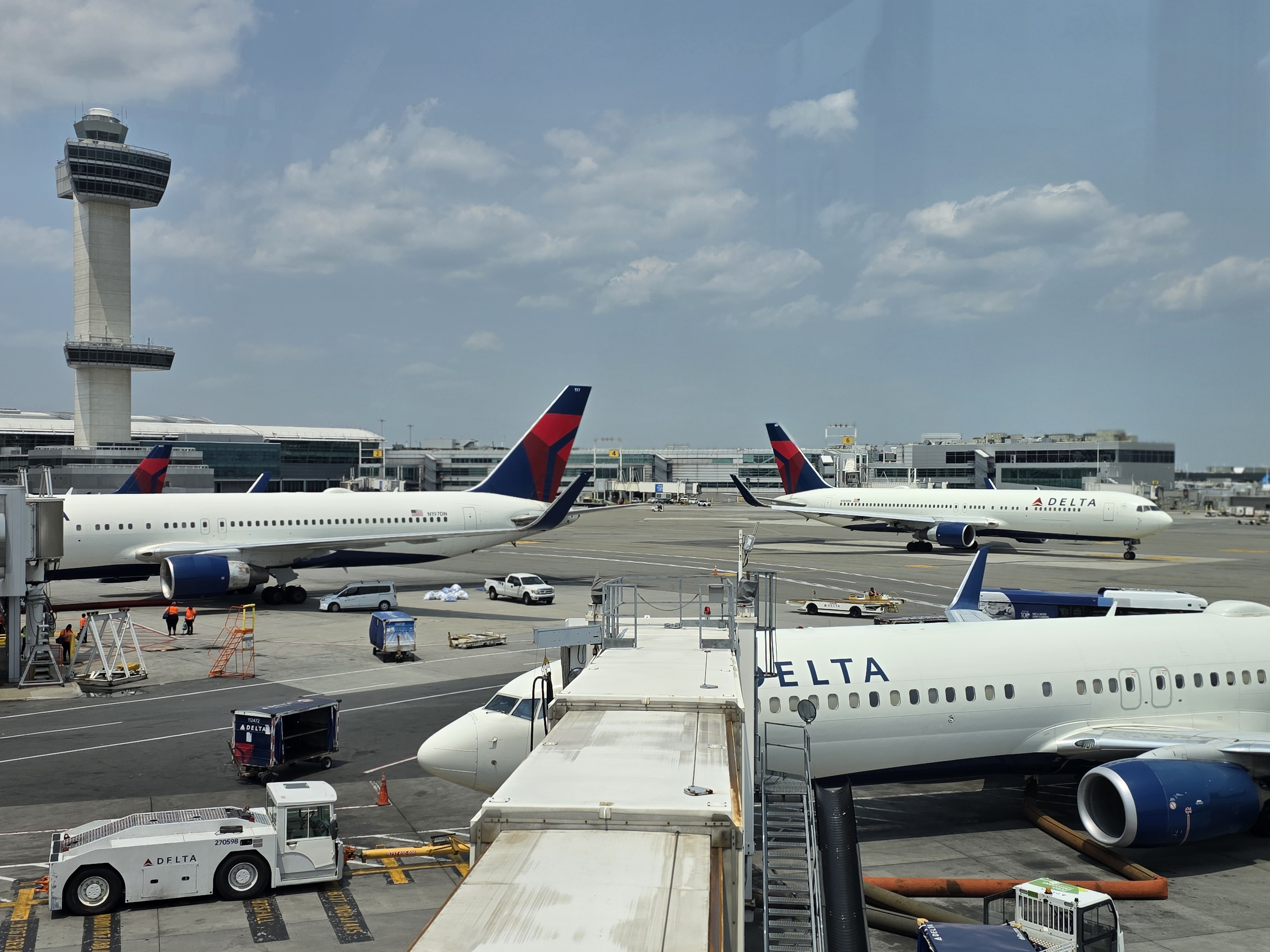
Delta’s software has issues. Its pilot contract, negotiated to address problems Delta had created, helped built a new inefficient system. And this all becomes a problem when Delta doesn’t hire enough pilots or retain their best schedulers.
It’s easy to blame ‘the pilot contract’ that Delta management agreed to and that was a response to previous issues created by management. But they’re going to have to solve it, they’re going to have to work with their pilot union doing so, and they’re going to have to spend some money to get out from under the operational mess. In the meantime, Delta isn’t as reliable as they used to be. And they seem to have greater challenges than peers climbing out from under problems when they surface.



If they breathing, they lying. The Delta creed. Ask ole Prashithead Sharma and Suman Hairplugs how they calculated their 1% GDP fib for cobrand spend a few years ago. Rounding a number that is barely over half a percent all the way up to a full percent. Classic Delta! My how the mighty fall hard.
Tim
I think Delta’s highly valuable mileage program and its premier international partners such as Saudia and Aeroflot (when allowed) will enable it to ride out this storm
@ Gary — Nice to see the premium on-time machine getting a little overdue karma.Thos would be a perfect time for United to move on that JetBlue takeover and strangle Delta in New York, Chicago and South Florida. Beat ’em while they are down!