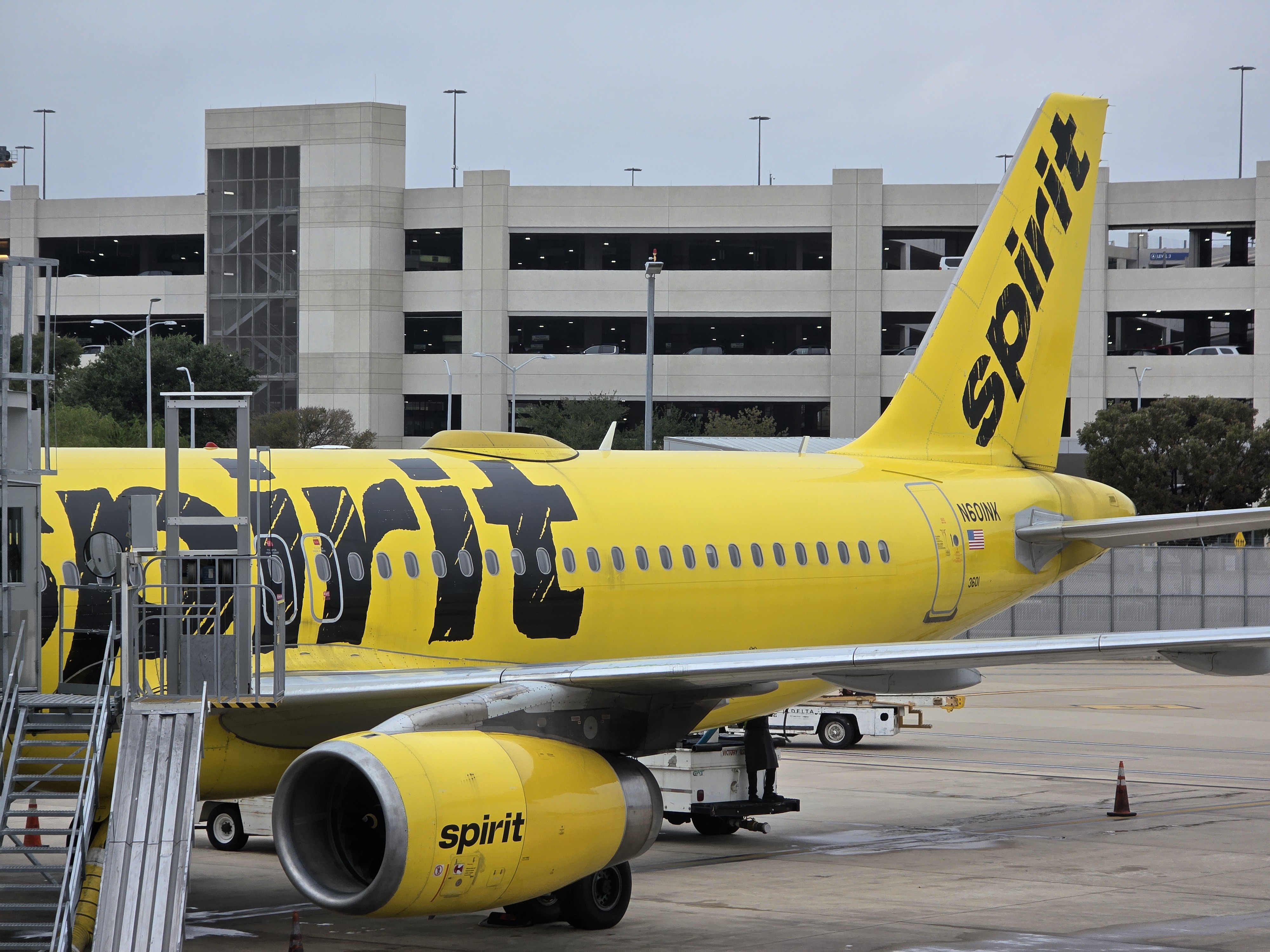
There’s a simple story that’s become conventional wisdom about Spirit Airlines, that is also wrong: that they are failing because the Biden administration stopped JetBlue from buying them.
Spirit Airlines failed because its costs went up, they didn’t have the right product consumers wanted, and larger airlines learned to compete effectively against their low fares. United, Delta and American offered a slightly better product at the same price, so customers chose the better product.
If the Biden administration had allowed JetBlue to buy Spirit Airlines, Spirit’s shareholders would have gotten paid but that wouldn’t have meant Spirit’s planes and pilots continuing to fly as JetBlue. That’s because JetBlue has lost money for six years and is scaling back to try to stem the losses.
- JetBlue paid pilots not to fly and to retire early.
- They’ve scaled back their fleet plans – they wanted fewer planes than they even had coming without Spirit – and they’ve eliminated numerous cities from their route map entirely.

None of this exonerates the Biden administration. JetBlue would have been worse off if they’d succeeded in buying Spirit. The Spirit acquisition became a bad idea, though, because of a different antitrust move by the Biden administration.
- JetBlue needed Spirit in order to grow in Boston, New York and Fort Lauderdale at the same time. They had a partnership with American Airlines that gave them slots to finally expand in New York, but they didn’t have the planes and pilots to take advantage of that without ceding ground elsewhere. Buying Spirit gave them planes and pilots.
- The Biden administration sued to break up the American Airlines-JetBlue partnership that had previously been approved under the first Trump administration. That was legal (DOT entered into a settlement with the two airlines, but that wasn’t binding on DOJ) but it was also a rule of law problem. It meant it was no longer possible to rely on assurances given during one administration once the Presidency changes, and that legal outcomes are dependent on individual policy preferences of the executive. (This has become a familiar theme of late.)
- And it was a bad antitrust theory that treated jointly deciding who would fly where as per se illegal, rather than looking at consumer benefit or total competition in the market.
- When the Biden administration killed the American-JetBlue deal, JetBlue-Spirit no longer made sense. JetBlue management was committed though and stuck with it. The CEO retired for health reasons and then months later became CEO of Airbus Americas.

The American Airlines – JetBlue partnership had JetBlue joining the oneworld alliance, gaining worldwide partnerships that would have elevated its frequent flyer program, letting customers spend their points around the globe including for business class and unlocking airport lounges worldwide. That’s the key to unlocking a lucrative cobrand credit card deal, which is where high margin revenue in the U.S. airline industry comes from.
The Biden administration fought the American Airlines-JetBlue partnership calling JetBlue a pro-passenger disruptor who drives down prices. Then they turned around and claimed that JetBlue was a monopolist who would drive up prices if they bought Spirit. Before it was time to block Spirit, the Biden Justice Department claimed:
- “JetBlue is unique among low-cost airlines.”
- “JetBlue differentiated itself from other low-cost airlines by offering not only low fares, but also high-quality service.”
- “JetBlue’s high quality of service allowed it to compete effectively against the legacy airlines in ways other LCCs and ULCCs could not.”
- “While AA, United, and Delta—‘legacy’ airlines—were busy consolidating, JetBlue was attacking the harms that consolidation inflicted on passengers.”
- “For more than two decades, JetBlue served as the legacy airlines’ foil in the northeastern United States.”
- “JetBlue is a close competitor to legacy airlines and is able to constrain their pricing.”
- “The JetBlue Effect produces lower prices and higher quality service on routes where JetBlue competes.”
- “Consumers benefited from competition between JetBlue and the legacy airlines.”
- “Travelers benefited from the JetBlue Effect whether or not they flew on JetBlue.”
- “In total, competition between JetBlue and the legacy airlines has saved travelers billions of dollars.”
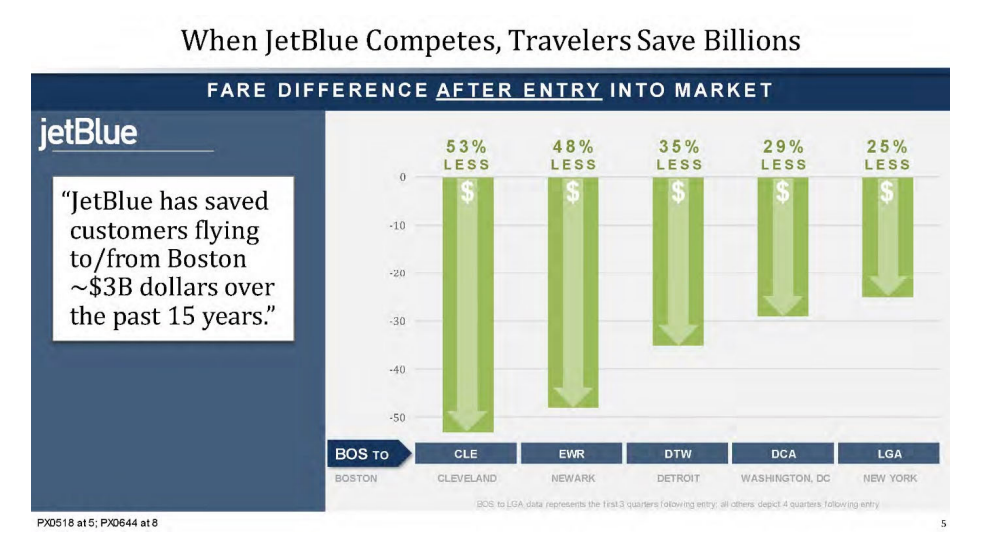
The Department of Justice switched positions because it was convenient to do so, with a goal of blocking all deals. Spirit and JetBlue were small and struggling but that didn’t matter. JetBlue and American represented more competition in the New York market, creating a viable third option to United and Delta. That didn’t matter.
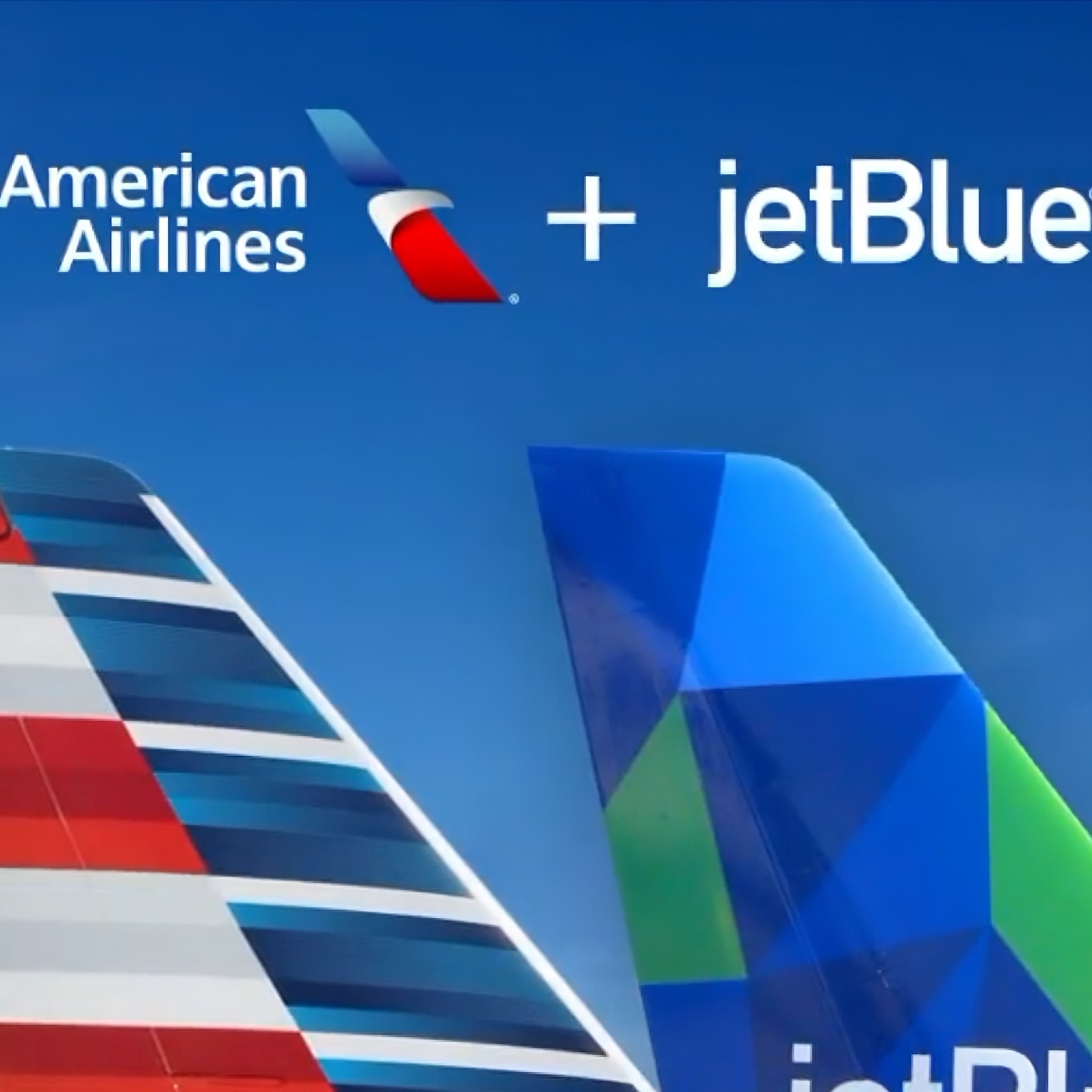
The Biden administration went after JetBlue-American and that is what killed the chance for Spirit, as much as killing JetBlue’s deal to buy them. And the JetBlue-American antitrust action was worse because it wasn’t just an example of government trying to mold the market the way they wanted to see it and failing – they wanted Spirit’s 200 planes all flying in an ultra-low cost model, even Spirit’s optimistic plan now has 60% of those planes gone – and it wasn’t just an example of bad antitrust law that shifted away from the consumer.
It was a shot against the rule of law, where government signoff in one administration can no longer be relied upon in the next.
But it’s opposition to the American Airlines – JetBlue “Northeast Alliance” that was the Biden administration’s “original antitrust sin” in the airline industry that meant an acquisition wouldn’t effectively save Spirit – not just the simple story of opposing the deal itself.
A rescue of Spirit does not make sense because there’s no plausible legal basis for it, because Spirit is still losing so much money it’s unlikely to save them, and because it pushes other airlines closer to the brink – Frontier is losing money, and Spirit is their primary competitor, and Spirit and JetBlue are the two biggest competitors in Fort Lauderdale.
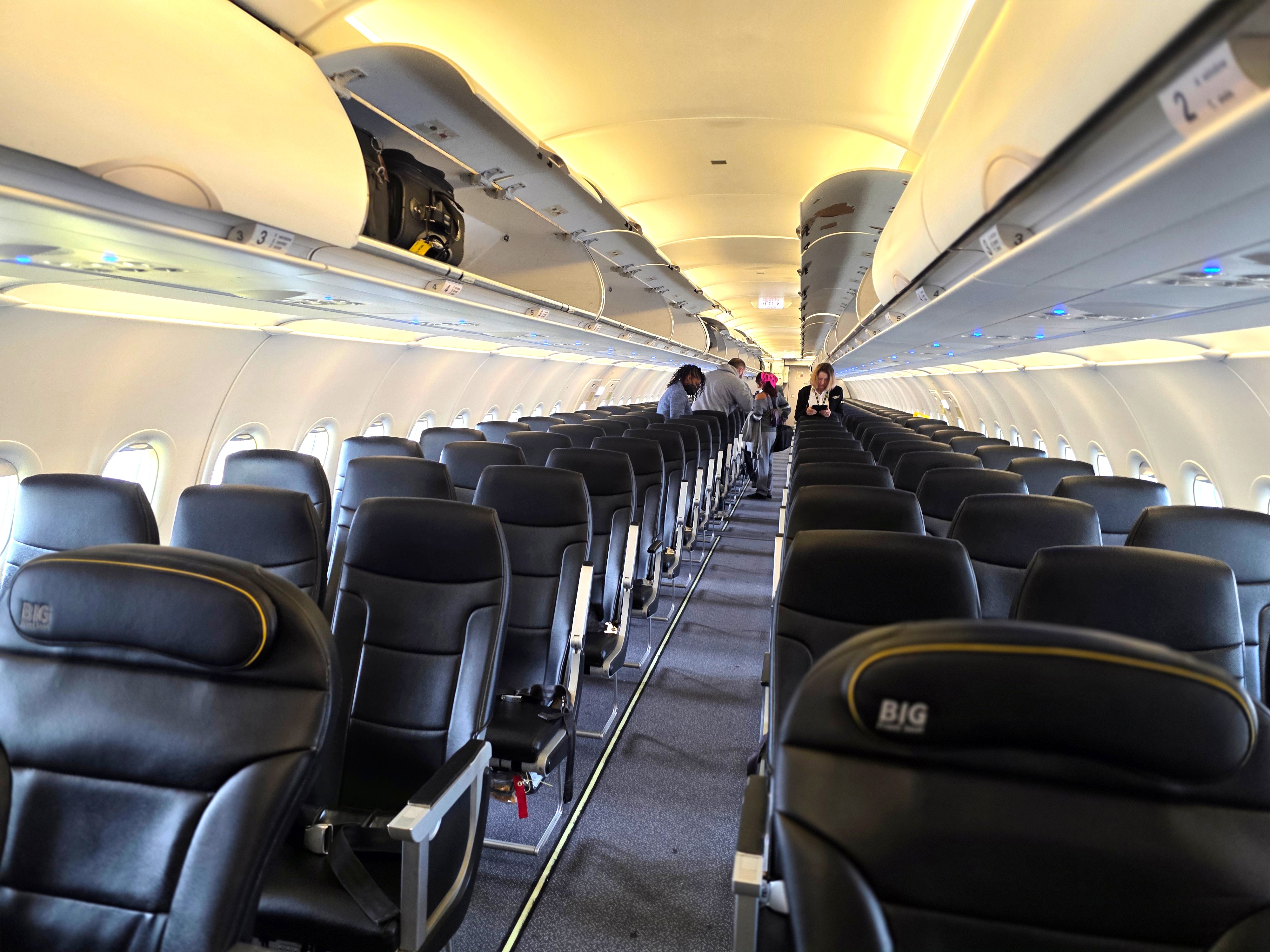
Already low cost carriers are lining up for government handouts in the form of a suspension of the excise tax on domestic airline tickets and the fee that funds air traffic control. And a government takeover of Spirit creates conflicts of interest for the government as Spirit’s regulator.
The rescue effort is a bad idea. But blaming the supposed need for a rescue on blocking a deal for JetBlue to buy Spirit is too simple a story. Simple stories work better of course. And ‘Biden killed Spirit’ is popular on the right, while ‘Actually, something else happened in the Biden administration that set things up to fail’ isn’t going to be popular on the Left… even if it’s true.



Why was Alaska and Hawaiian approved and not put under the microscope like B6 and NK ? Sounds like a double standard.
The more interesting takeaway is how little margin for error exists when an airline is built around extreme utilization and thin pricing bands. Once operational disruptions start pulling aircraft out of service and reliability slips, the entire revenue engine weakens at the same time costs become less flexible. At that point, scale and network depth matter far more than nominal fare levels, because they determine who can actually absorb volatility and still fill planes at acceptable yields. That dynamic, not any single transaction outcome, is what ultimately separates carriers that can withstand shocks from those that cannot.
@Dan There was a fair bit of concern about the impact at FLL where the combined airlines would have had about half of the market share. No such issue with Alaska-Hawaii.
What people also seem to miss is that B6 would be bankrupt right now if they had acquired NK. Their CEO has already signaled that they are staring down a decision in 2027. Seems like buying a failing airline that’s bleeding revenue would have accelerated that spiral.
@Dan brings up a good point. Alaska-Hawaii approved; Spirit-jetBlue not. Sure, it would be convenient to just over-simplify, and conclude: Democrats-bad (or whatever is the ‘TDS’ equivalent for the other side), but anti-trust is far more nuanced than mere partisanship. As for Spirit, they’ve been restructuring for a while, and could still reemerge, but the fuel shock, caused by the war of choice is more to blame for where they are recently.
I love how all these travel bloggers turned financial experts are criticizing Trump for potentially bailing out Spirit. Yet these same folks conveniently forget that Intel was in a similar boat not too long ago.. and look how well Intel (and the government) is doing now with a much bigger bailout.
Where were these same folks when the lefties in office broker $150 billion in sanctions relief to a well known org to fund terr0rist causes?
@John L – a stock going up has nothing to do with whether it was good policy. at least with intel there was a plausible story about how it was legal, using funds authorized by congress (though it was stretching what was intended to be done with those funds).
The Governor and other top politicians in Hawaii backed the Alaska merger. They understood that Hawaiian standalone wasn’t sustainable and this was their best path to ensure existing flying between the islands. The Hawaii market is unique – remember that Hawaiian and Aloha were even once granted antitrust immunity.
“I love how all these travel bloggers turned financial experts are criticizing Trump for potentially bailing out Spirit. Yet these same folks conveniently forget that Intel was in a similar boat not too long ago.. and look how well Intel (and the government) is doing now with a much bigger bailout.”
I love how some posters turned financial experts think the Intel deal has a parallel to an ULCC. I’m not justifying the Intel deal, but thinking the Spirit case is anything similar is shear stupidity.
I think it more the lobbies influence the rulings since big 4 have the money and are the biggest political players. the plan spirit had moving forward was very positive until fuel prices threw a wrench but as analyst see prices of crude going to $140 most airlines will need a bail out. this spirit deal will either happen or not. if it doesn’t the next airline will get the bail out because political influence. if it does(big 4 don’t have a political sway right now due to fuel cost), I see it as a good thing as they can offer the same deal to the next airline and take equity. this would set up for a new merged airline with experience and fresh start that would benefit the people and the right would take credit for families able to see each other for the holidays at affordable rates
No! It is all Bidens fault! He is part of the rebel alliance and a traitor! Take him away!
Ps jetblue should raise its prices. I think loyalty to them is underestimated in the non business class section
I think we can partially blame the Spirit business model for once and for all, finally wrecking the unassigned seating, everyone is equal, no fee for checked baggage, Southwest model of the past.
It’s a shame, cause there were real benefits to the old WN, who are now just like Spirit or every other US airline. When you have a nation of shared values, people do not try to game the system as much as they do in a nation with unshared values as we had in the 12 years of “hate the founding class of America” Democrat DEI reign. Guess this is why we cannot have nice things, like the Southwest we had in Texas at one time.
The most shameful part is the Legacy Carriers are truely the ones loving Spirit for this and their total dismantling of the only real threat to low fare competition across the nation when the real WN existed. Guess we all know who is having the last laugh at airline deregulation now!
I love how we’re all dunking on @John L… take the L, John L! Bah! (Reminds me of @Desert Ghost coming on here asking whether any of us have actually ever been airline CEOs, as if that’s the only reason one can have or share an opinion…)
@Big tipper — “…It’s a trap!”
For all the TDS article i see on this sight. I thought author name is Gary Left.
Spirit is the airline for the Section 8 housing crowd and why certain politicians do not want this airline to disappear. Even though it will never be profitable. Despite what the graduates of Sanders & Warren U will say.
Had the merger gone through Trump would be talking about bailing out a combined Spirit and JetBlue. JetBlue dodged a bullet for now.
@Tim – TDS? I literally blame the Biden administration’s antitrust here, just not the decision that’s usually cited. And you do not cite a single thing in here that you believe is incorrect. Ironically, I was once mistakenly introduced on Fox News as author of ‘View From The Right Wing’ hah!
@Gary Leff — I wouldn’t take anyone using ‘TDS’ as a retort seriously. It’s a tired, overused, worthless trope.
@Parker –
50% market share at FLL is an issue when Delta controls 90% of ATL, AA 90% of DFW and UAL 90% of IAH?
Classic.
@James Eldon
Those airlines grew organically and at a different era of regulation. Get your facts straight.
You obviously don’t know what you are talking about, so please, shut up! Perhaps, as a journalist you should do proper research before you write such an idiotic article. You are no “expert”. Moron.
@Auria – any particular reason you say that? It’s always striking when someone hurls invective but cannot explain what they think is inaccurate.
Biden definitely killed spirit and JetBlue. Didn’t allow them to be bought out or enter into agreements to strengthen as Biden wanted competition. He ignored their wants. Biden’s handlers were idiots
@Auria — You’re clueless! Gary’s clearly a thought leader! Learn the difference!
It wasn’t Biden because he was not cognitive of what was going on. It was his administration and we still don’t know who was running the country.
It wasn’t Biden because he was not cognitive of what was going on.
It was the previous administration and we still don’t know who was running the country.
@Jns
Are you sure you don’t want to repeat that another 4-5 times to demonstrate your high level of cognition?
Basic economy.
@Jon F — Pretty sure he was just trying to escape the auto-mod. Bah!
(The regulars should have learned by now which ‘choice-words’ get flagged… or in the case of #47… false-flag’d…)
Unfair , Unruly , and Dishonest Move for 5 Mayor PREMIUM service airlines attack the growing rising and expanding ULCC service providers.. They should have stayed in their own lanes. Capitalism OK I get it… but the same capitalism that would allow them to take out ULCC , LCC business models out of the race. And not allow future airlines to grow and expand using their own business model…
@Parker
Not quite. Mega mergers allow the concentration of ridiculous amounts of market share.
The government cannot say they are concerned with B6/NK, but allow the Big 4 to continue unchecked.
We have 3 cell phone providers in the US and that is where we are headed as a consolidated airline market.
@Gary (aka Mr. Left) – if you read my comment accurately, not this individually story. My entire point was you don’t call out Biden much, your opinions tends to lean. Irony, I misread your name Left today made me laugh. Don’t want Mr. Right either. Just here for point and miles, not politics.
Government bailouts during national (or international) crises seem to make sense on some level. A chip maker is crucial to the economy. Much like an auto manufacturer that employs huge numbers and has pension obligations that could be detrimental to entire economies if they failed, but a ULCC that’s not even a part of the CRAF, where’s the value to taxpayers? I hate that the jobs will be lost, but they didn’t even buy airplanes made by an American owned company that would have supported more US jobs or that would have funded this bailout. As others have said they didn’t evolve, innovate or really change after Ben left. This is what happens, they’re the K-Mart, Sears, Red Lobster or Chuck E Cheese of airlines.
@Tim – this piece literally calls out the Biden administration as to blame, just not for the reasons most people think. And I may not ‘call out Biden much’ anymore because he is no longer President?
I don’t care about Spirit’s failure. I care that Jetblue wasn’t allowed to expand by acquiring it.
“Spirit is a small airline.
But there are those who love it.
To those dedicated customers of Spirit, this one’s for you.” That is what the judge said. Sorry you don’t make anti trust decisions based on pandering to a demographic.
Speaking of Hawaiian…
Did their previous management in times of trouble find that one tool to ensure the survival of Hawaiian employees economic well being even if it was through a merger?
Strategy or just pure luck, cause it sure looks like Hawaiian would be a failed enterprise just as in peril as Spirit, had Alaska Air Group not seized the moment of opportunity when opportunity struck.
No it was 100% the Biden Admins fault.
The cope is insane on Biden. His handlers were awful just like Trumps 2nd term has been awful.
2 things can be true.
“failed because its costs went up, they didn’t have the right product consumers wanted, and larger airlines learned to compete effectively”
The same argument could be made for the US Auto industry yet taxpayers were forced to pay to keep them on life support.
Its all politics ; buying votes and government should not get involved in any of it for either party
@Jose Ole — Nice ‘both sides’-ism you got there. Maybe, we need to vote-in some younger leaders in about 190 days… because, the gerontocracy isn’t going well.
Safe to say the problems with Biden/Trump admins are certainly with discussion, but let’s not obfuscate the issue as it pertains to airlines: they operate on minuscule margins. United in 2024 had a net of just shy of 3.2b on an operating budget of about 57b. That’s barely 5.5%. And they’re ’one of the big 4.’
Smaller airlines that operate on tighter margins can’t survive in this situation, especially when their entire MO is cheaper prices and (often) less customer focused service at that expense.
Sure, the merger might’ve helped them for a short period of time, but the end result would’ve been the same.
JetBlue in 2024 was operating at a loss of 800m and Spirit was over 1b for the same year. So in the hole 2b. BEFORE the cost of jet fuel effectively doubled as of a month ago.
So, should the govt (aka tax payers) once again foot the bill for a merger that still, likely, would require a significant injection of monetary aid to help them reach solvency? Even with a 500m offer to help spirit, it’s basically a bandaid on a broken leg with necrosis.
Why not make the other air lines by law to cut back prices on their own airlines, makes better sense to me!!!! And at least 25 percentage points.