
The federal government is close to buying 90% of Spirit Airlines for $500 million. Until now they haven’t even come up with a story about how it’s legal. They’re now floating the Defense Production Act – that Spirit Airlines is necessary to the national defense.
Four days ago I wrote that the most plausible path for the administration to justify this would be the Defense Production Act and two days ago explored this further. Until yesterday morning, as best I can find (Google), this site was the only place mentioning the idea.
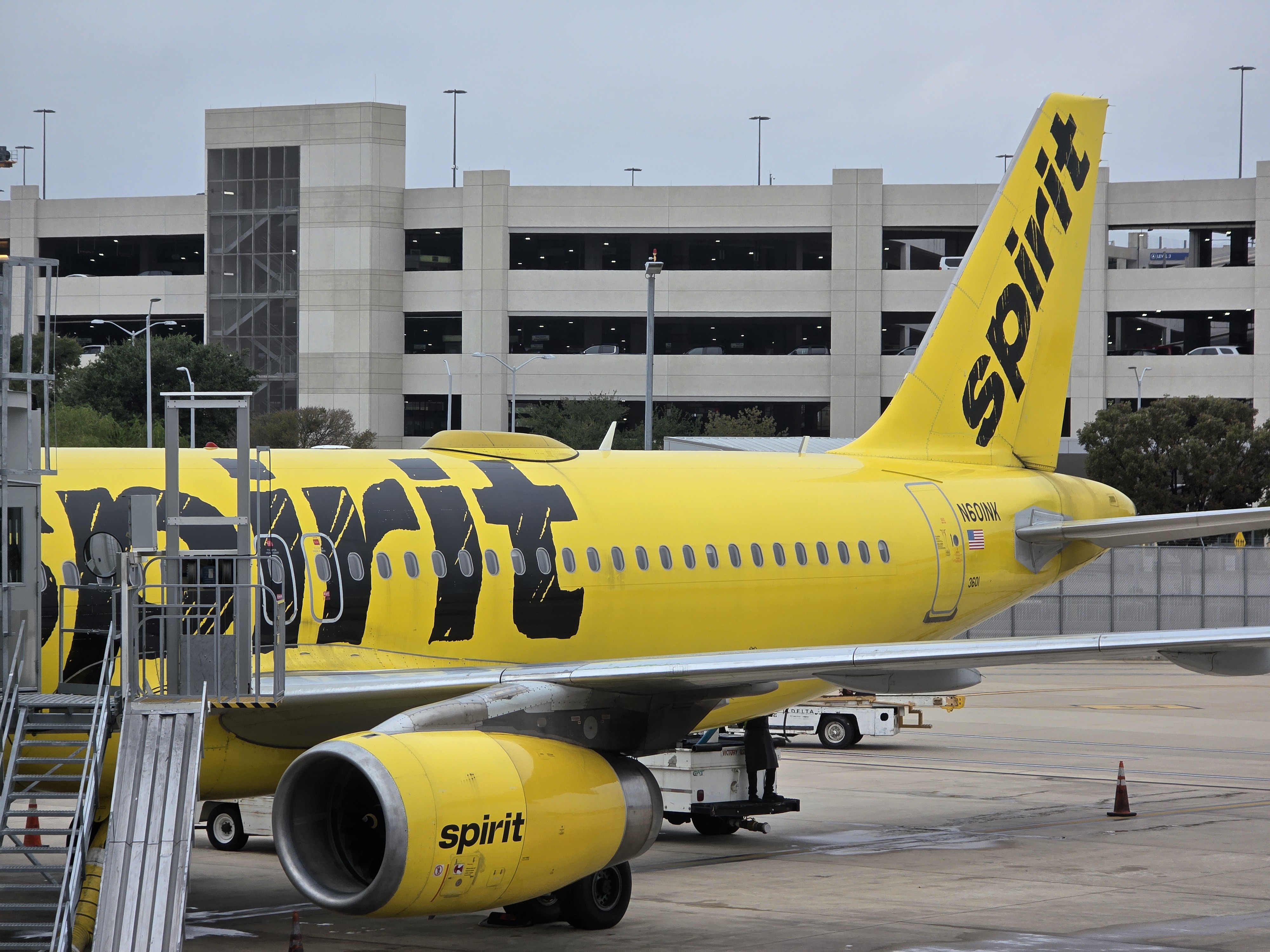
CBS has confirmed that this is the current legal plan. (HT: Enilria) This would be used to justify:
- Lending $500 million at some reasonable interest
- Becoming the top debtor in Spirit’s bankruptcy priority stack
- Securing the loan against Spirit assets (such as they are)
- Getting warrants that could covert to own 90% of the company after bankruptcy
The defense rationale is that the Pentagon would use Spirit’s excess capacity for troop transport, military cargo, and other missions. But that’s not even close to enough to match what the statute requires.
- The Defense Production Act allows loans to private businesses to reduce shortfalls of resources essential to national defense, and to create, maintain, expand, protect, or restore domestic industrial base capacity for those materials.
- It requires private financing to be unavailable on reasonable terms, the resource to be essential to national defense, U.S. industry cannot provide the needed capacity timely without the loan, the loan is the most cost-effective/practical/expedient way to meet the need, and there is reasonable assurance of repayment. Loans above $50 million require congressional notification and a 30-day wait unless a national emergency waiver is used.
This is very bad policy. It’s forcing taxpayers to fund an airline that passengers haven’t wanted to pay for. It creates bad incentives for the rest of the industry, who are already lining up for government help (asking for a suspension of the 7.5% excise tax on domestic tickets and the tax that funds air traffic control).
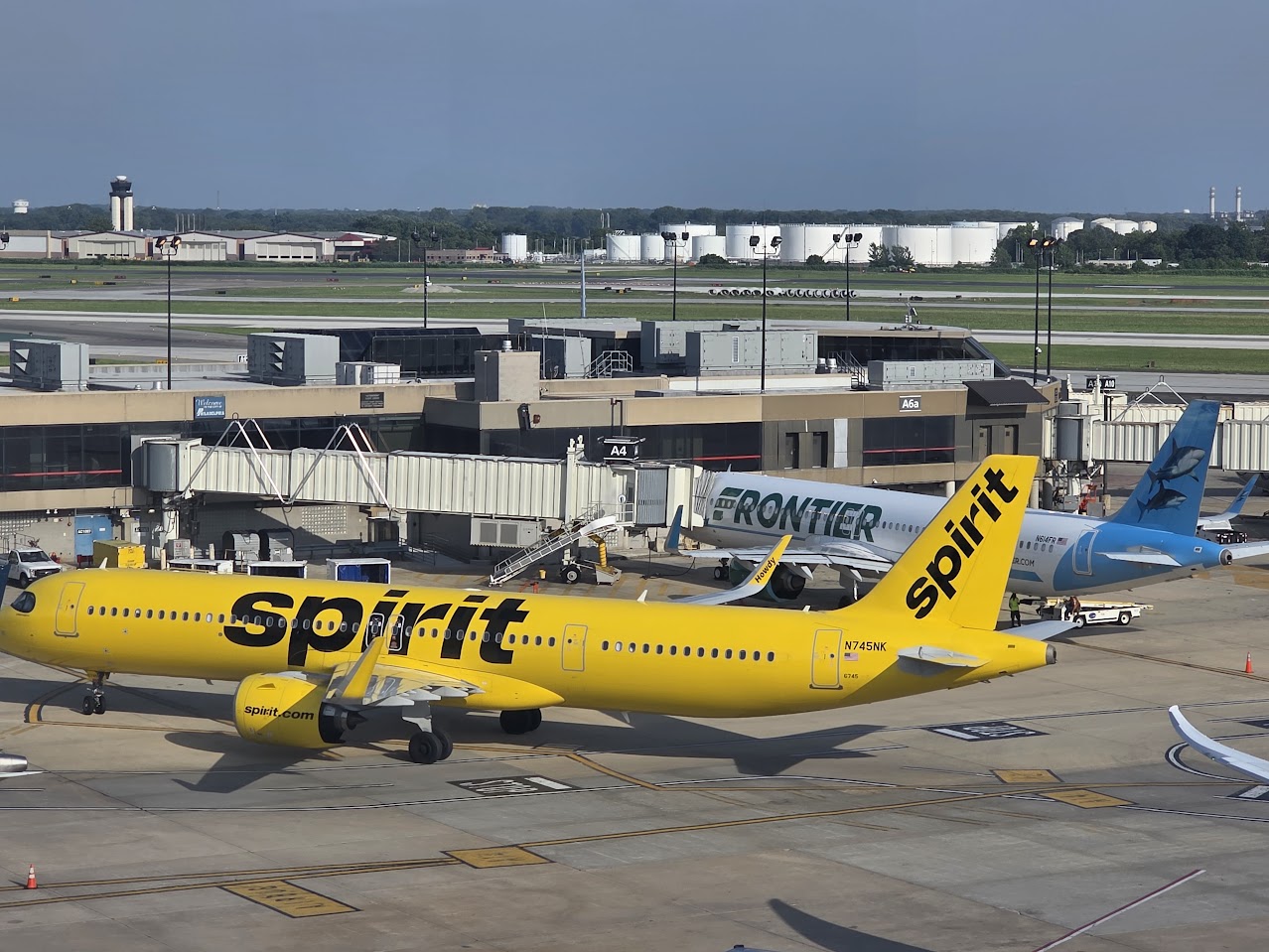
A Spirit bailout drags down Frontier and JetBlue as competitors that are themselves on the brink. Frontier, which isn’t making money, is the other major ultra-low cost carrier. JetBlue and Spirit are the two major carriers at leisure hub Fort Lauderdale, and JetBlue’s founder warns they may go bankrupt this year. And it creates terrible conflicts for the government to both own and regulate the airline.
Leaving that aside, though, there’s no real legal justification for this without an act of Congress. Every past airline bailout has been done with congressional authorization. Even the government’s stake in Intel and other companies in the past year has been done with funds appropriated for at least a related purpose by Congress.
The Defense Production Act requires showing that without Spirit, U.S. industry cannot provide the needed transportation capacity for the military, and that the loan is the most cost-effective and practical way to solve the shortfall. That is simply not reality.
- There is no shortfall in domestic airline capacity and there would not be with a Spirit liquidation. In fact, there is too much capacity currently given high jet fuel prices, and airlines are cutting back their flying plans.
- There’s been no difficulty in the military getting the capacity it needs. The plan to acquire Spirit out of bankrutpcy came first, rather than searching for a solution to a military problem and settling on Spirit as the solution. This is a rationalization, not a real problem.
The federal government pays airlines for capacity now through the Civil Reserve Air Fleet program. Spirit is not part of that program, and that program is not maxed out.
- Spirit’s planes don’t match military need. They have a fleet of Airbus narrowbodies which are poorly suited for military cargo. Spirit does not have widebody aircraft or freighters.
- The actual policy goals do not meet the statute. Use of the Defense Production Act is pretextual. The President has emphasized avoiding liquidation, preserving jobs, and avoiding a U.S. airline failure and later selling Spirit at a profit. The stated goals have nothing to do with national defense. In fact, the plan to sell Spirit underscores that there’s not a need for the government to own the capacity for defense purposes.
- Likelihood of repayment is not high. That alone makes it illegal. Spirit’s planes and engines are encumbered. All they really have of value is gates and slots at LaGuardia, gates in Fort Lauderdale, and an operating certificate. They literally go out of business – get liquidated – without this injection because there’s no reasonable prospect of stemming the tide of losses.
- Creditors object. 90% warrants dilute creditors. Spirit really has no new assets to pledge for federal funding, so existing creditors would have to accept reduced collateral and lower priority. The government cannot just “jump the line” of priority. So the government either accepts lower priority than they’re talking about or everyone is too afraid of Trump, or the priority stack has to be adjusted (some of the $500 million could go to creditors rather than to fund Spirit, but then Spirit is in a more tenuous position).
- This takes too long even if conditions are met. Spirit needs financing by the end of next week, but the statute requirs a 30-day waiting period unless there’s a true national emergency, not just a standard defense need (and there’s not even a standard defense need).
The administration will tell a story that Spirit is part of the national transportation system. Its failure would degrade aviation labor capacity, emergency transportation resilience, and emergency mobility in a defense emergency.
Nobody believes this. Nobody even has to believe it. It will either (1) take too long to litigate to matter, or (2) a judge might simply give deference to the administration because national defense is invoked. They need to paper it with something, and something that uses the word ‘defense’ is their best option.
And standing is a major issue. Either house of Congress could sue, but both are controlled by the same party as the Executive. Creditors could sue. Frontier or JetBlue might be materially harmed by continuing to subsidize their competitor, but then they’re angering their regulator. So it’s not clear where the challenge comes from. It has to be someone specifically harmed – not a general harm to a taxpayer.
Unfortunately, if this justification passes muster, there’s no meaningful limiting principle. If a Spirit Airlines bailout can be justified on national defense grounds, nearly any government bailout can be – and congressional authorization is no longer necessary. The executive can act unilaterally, even though the constitution clearly rests power of the purse authority in the legislature.



Gary, bro, dude, sir, SINCE WHEN has the rule of law mattered with this regime?
ALL HAT
NO CATTLE
Defense Production Act? OK, probably the best use would be for Trump to talk with Jensen Huang, put some fancy-dancy NVidea chips in them so they can fly on AI and then use them as a super-sized long-range poor-man’s cruise missile.
Have to agree with others in that this administration hasn’t been concerned about legality until after the fact and only when challenged in court.
Additionally, I’m sure there is some buried clause that Spirit will be renamed after the president.
Who would even sue to stop this?
Republicans are afraid of Trump. No way any Dems want to be accused of causing job losses so they won’t touch it. None of the other airlines will go near it, again afraid of Trump. So in the end the legality is a moot point.
he can sign an executive order .
legality problem solved
Trump and his damn friends are going to pocket this money later on. Crooks and shame on our country for giving them our money to bail Spirit out. We need to as Americans do something about these corrupt people there getting away with murder.
This is like Biden getting off the hook for mask mandates when courts ruled against them. The administration will make a move to save jobs (including union jobs) and if someone sues to stop it they are the ones responsible for putting people out of work, not high airline fuel prices. IMHO this is a no lose move by the administration from a political standpoint. Also $500 million is a rounding area with respect to the national debt and the overall federal budget.
I remember when the President publicly complained that only Congress had the authority to provide relief to borrowers. And I remember when the same President did it anyway.
Gary is right: There is no limiting principle, at least until the Supreme Court acts. Our system is broken because Congress is broken. It’s purely a blame game now.
This administration wouldn’t be interested if it were legal
this is who will object, if anyone.
“Creditors object. 90% warrants dilute creditors. Spirit really has no new assets to pledge for federal funding, so existing creditors would have to accept reduced collateral and lower priority. The government cannot just “jump the line” of priority. So the government either accepts lower priority than they’re talking about or everyone is too afraid of Trump, or the priority stack has to be adjusted (some of the $500 million could go to creditors rather than to fund Spirit, but then Spirit is in a more tenuous position).”
Law won’t dictate the outcome.
this is who will object, if anyone.
“Creditors object. 90% warrants dilute creditors. Spirit really has no new assets to pledge for federal funding, so existing creditors would have to accept reduced collateral and lower priority. The government cannot just “jump the line” of priority. So the government either accepts lower priority than they’re talking about or everyone is too afraid of “47”, or the priority stack has to be adjusted (some of the $500 million could go to creditors rather than to fund Spirit, but then Spirit is in a more tenuous position).”
Law won’t dictate the outcome.
I’d guess someone close to Trump has money in Spirit. He is bailing them out.
Bad investment and even worse use of taxpayer money.
@don G – executive orders do not make things legal. they provide instructions to agencies on how to proceed within the bounds of law, they provide the administration’s opinion on how to comply with the law, or they provide instruction when called upon to do so by law. The President does not make law.
Republicans are still talking about mask mandates this country is well and truly gone
Trump invoked the defense production act so Tesla could make ventilators during early Covid. Musk thought he was out of his mind then. Advance a few years later, trump violates the hatch act selling Teslas on the WH lawn. The bs will continue this week when the Gulf states are now asking for reparations from this illegal war. So let them find funding for poor Spirit.
Who has standing to bring suit to prevent this and has anyone credible announced their intention to do so?
@Tim (Delta) Dunn: ‘Law won’t dictate the outcome’
It will.
We should not have bailed out GM. Or bought into Intel. Or this godawful idea.
Failure is an ESSENTIAL aspect of capitalism. Being scared of losing all your money is what is supposed to keep the minds of these idiots in focus.
Stupid as hell.
I’m so happy you are all so stupid
Re: “Retired Gambler says: This is like Biden getting off the hook for mask mandates when courts ruled against them.” One of, if not THE, dumbest thing ever written. No, it’s not like Biden’s mask mandates in any way. Biden’s mask mandates were based on science and best (medical) practices, it’s only when some Moron GOP Conspiracy Theorists made it a political issue that some people decided masks were a bad idea. The same imbeciles who think there’s clean burning coal and think climate change is a hoax and think the Earth is flat and think we didn’t land on the moon and think vaccines cause autism and think our current POTUS was sent by God and think a million other bonkers beliefs. There was just another legitimate report about how the CDC is suppressing information regarding COVID vaccine effectiveness because the unqualified incompetent bootlicker in charge of the CDC decided the information was improperly reported and calculated even though he has ZERO experience in that area. By all means all you GOP morons, keep mining and using coal, keep smoking, don’t get vaccinated, and please do it all before you have children and with just a little luck you’ll all drop dead of black lung disease or lung cancer or COVID thereby eliminating your obvious adversely mutated genes from the gene pool.
The problem with saving NK is that Frontier or jetBlue could easily ask the same thing of the government. If they don’t get the help they need, they could sue the administration for favoritism. I think Dems are watching this and rubbing their hands at the thought of making this the illegal act that Trump did in office that would spell his doom.
For the sake of the country, the smaller carriers really do need a bailout to protect against the fuel price increases stemming from Trump’s war. It would be horribly sad if the only carriers left standing were AA/UA/DL and maybe, just maybe WN and AS. Travel really would come down to haves and have-nots at that point.
Democrats went after airlines that flew the dearly deported, so now, in the interest of national security, we will have a Democrat-proof rapid transit system? Let the braying begin!
When has legality ever stopped the orange retard?
Trump bought Eastern’s shuttle for $365M in ’88, defaulted on the loans, and offloaded it to US Airways inside three years at a substantial loss. So the pitch — “buy it cheap, put a smart person in charge, wait for oil to fall, flip it for a profit” — is essentially the original Trump Shuttle thesis with the serial numbers filed off.
@AlohaDaveKennedy
I truly hope you carry around a potted plant to replace the oxygen you waste by merely existing.
Superpriority DIP financing where equity is granted is certainly highly contentious and often litigated (especially because it, among other things, essentially dictates the results of what a plan would be before there’s a plan process) but… such financing does get approved. Was highly contested in LATAM’s recent bankruptcy, for instance.
Of course another issue here is that a standard due authorization rep that there is requisite authorization for the funding itself would be, as you point out, murky at best. Not that the debtors will care or insist on it, of course, but that is often made part of a standard DIP financing order by the Court.
Fun times.
@Peter — Fun, indeed. Mr. Toad’s Wild Ride… to the bankruptcy court!
He (trump). was agents the Government bailing out Pan American (PanAm) airways so why the sudden rush to bailout spirit
Guess he’s going to pocket millions from this. The biggest crook since
Jessie James
private deportation fleet
@ Retired Gambler not only not a single. Court found mask mandates illegal, but science proved they reduced transmission.
You are a perfect candidate for this administration LOL — all lies, no regards for laws, and total gaslighting.
It’s not going to happen because it’s illegal. Are people really claiming masks work here? The stupidity of the human race just keeps amazing me.
@Mary – you are the one that is wrong. Courts ruled Biden exceeded his authority by mandating masks on planes so a court ruling did end it. Some pilots announced it mid flight so people took them off then. It had gotten unpopular and Biden was under pressure to end it but his radical left backers were pushing to not let that happen. The court ruling got him off the hook as I noted.
Now don’t you feel just a little smarter?
Masks work, vaccines work, George Nathan Romey likely does not work, which is why he still lives with his parents
@George Nathan Romey — Depends on the circumstances? Properly used, tight fitting N-95? Yes, pretty good, not just for pathogens, but also for industrial uses, asbestos, and more. C’mon, man. You’re still pitching a tired, old trope. Be grateful you survived the pandemic.
N95 masks work, vaccines work, but a use-any-mask-you-want mask mandates don’t work.
There, fixed it for you.
Retired Gambler, you write in the exact same insulting way POTUS does, you’re obviously just as much of a racist immature thin-skinned lying projecting imbecile as he is. Re: “Now don’t you feel just a little smarter?”, yes, of course, anyone does when interacting with you or POTUS, considering the 2 of you are the 2 most stupid people on the planet like you’ve never seen before. Yeah, definitely let’s bring back battleships, great idea, a naval warfare strategy that was last successful during WW1. Yeah, clean burning coal, nuf said. Yeah, windmill farms definitely kill all the birds, none of us have seen a bird in decades. Keep drinking the KoolAde, keep getting all your information from Faux News, keep up the wars on science and women, whatever you do don’t get any treatment for your severe case of TDS. Hint, it’s not the left who’s the radicals, it’s the right GOP conspiracy theorist racist morons who are complete wastes of oxygen. Now don’t you feel just a little smarter piggy?
My take: This is the admin “floating” and “jawboning” things, in hopes it will spur some sort of action within the private markets to save Spirit. It might help lead to something, and it might not, but it doesn’t cost anything to throw some soundbytes out and let the media run with it.
I do not think the admin has any genuine intent of attempting to go the DPA route, if for no other reason than there’s insufficient time to be able to do it, as Gary points out.
Being illegal is likely that attracted Trump to buying Spirit Airlines. After all Trump knows more about illegal airlines and illegally-obtained passenger aircraft than any President alive.