
With Spirit Airlines ceasing operations, other low cost airlines are doubling down on their request for a government bailout.
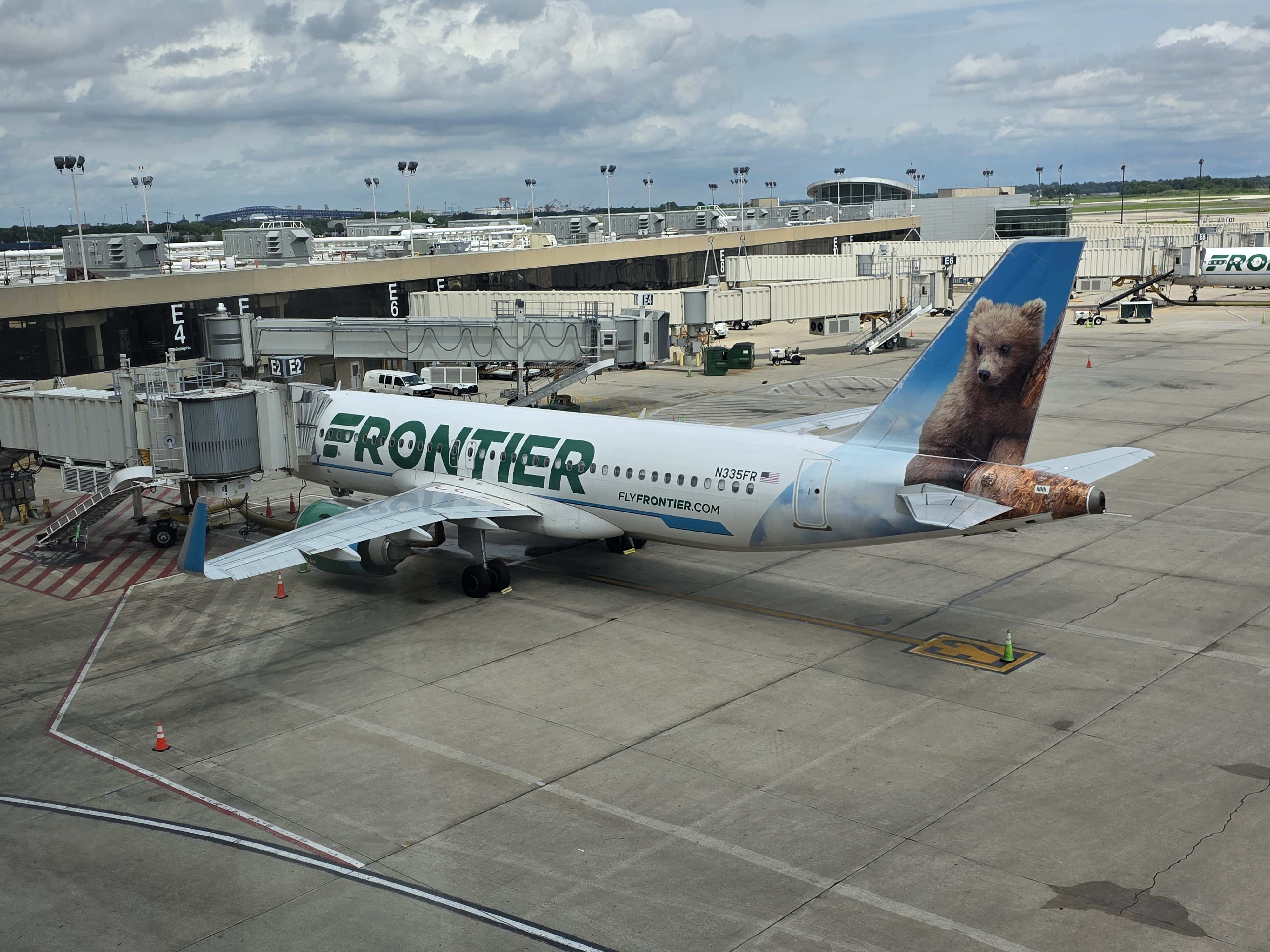
Here’s the CEO of Avelo Airlines, echoing the trade association which also represents profitable Allegiant Air and Sun Country (which are merging) and Frontier Airlines, Spirit’s primary ultra-low cost competitior (which benefits from the yellow carrier’s demise), asking for taxpayer support.
What’s the point of a low cost airline if its costs are low only because taxpayers are offering a put against those costs?
DOT Secretary Sean Duffy, though, says no and calls out the craven nature of the ask – they don’t even need the money but just see a change to pick taxpayer pockets.
He said the prospect of a Spirit bailout was seen by some other airlines as an opportunity to get money “not necessarily based on need, but based on opportunity.”
However, even Duffy’s statement was too solicitous of these private businesses, signaling a potential future willingness to have the median taxpayer bail out their shareholders.
At this point, I don’t think it’s necessary. They do have access to cash. If they want to come to the U.S. government, we would be a lender of last resort. If they can find dollars in the private markets — I think that’s better for them.
The $2.5 billion fund that these airlines are asking for would come from the administration, which has no legal authority to provide it. They’re also asking for legislation that would,
- Suspend the 7.5% excise tax on domestic airfare
- Suspend the $5.30 segment tax that ostensibly funds air traffic control
U.S. airlines already receive huge federal subsidies. Leaving aside programs like Essential Air Service subsidies and Civil Reserve Air Fleet, DOT makes grants to airports to fund infrastructure and taxpayers are covering the cost of air traffic control modernization – the One Big Beautiful Bill Act included $12.5 billion for this, and DOT is seeking another $20 billion. This should be covered by user fees, as it is in apparently less socialist Canada.
Meanwhile, the trade group which represents major airlines opposes the subsidies that low cost carriers are seeking – not out of principle but because they don’t want the federal government propping up their competitors, driving down fares, and squeezing their margins.
After all, the previous CEO of American Airlines (and a former Chairman of the trade group) was the biggest welfare queen in the history of aviation, launching his CEO career with post-9/11 subsidies for America West, acquiring US Airways out of bankruptcy less than three omnths after the federal government picked up their pension obligations, and then leading the charge for $54 billion in direct airline payments during the pandemic.



The market for airline travel in the US can support some regular price airlines, some LCCs, and some ULCCs. How many of each is an economist’s problem that varies with the cost structure. I guess that doesn’t include Spirit. Does it include Frontier or JetBlue? Time will tell
Just no ….
Sorry, nothing for you, you’re not related
With Spirit out of the picture, the remaining airlines naturally become stronger. Desirable routes open up. Ticket prices in Spirit markets will increase. Equipment and pilots become available at marginally lower cost. No need for government assistance at this point.
Airlines eschew ‘government interference’ unless asking for money and relief.