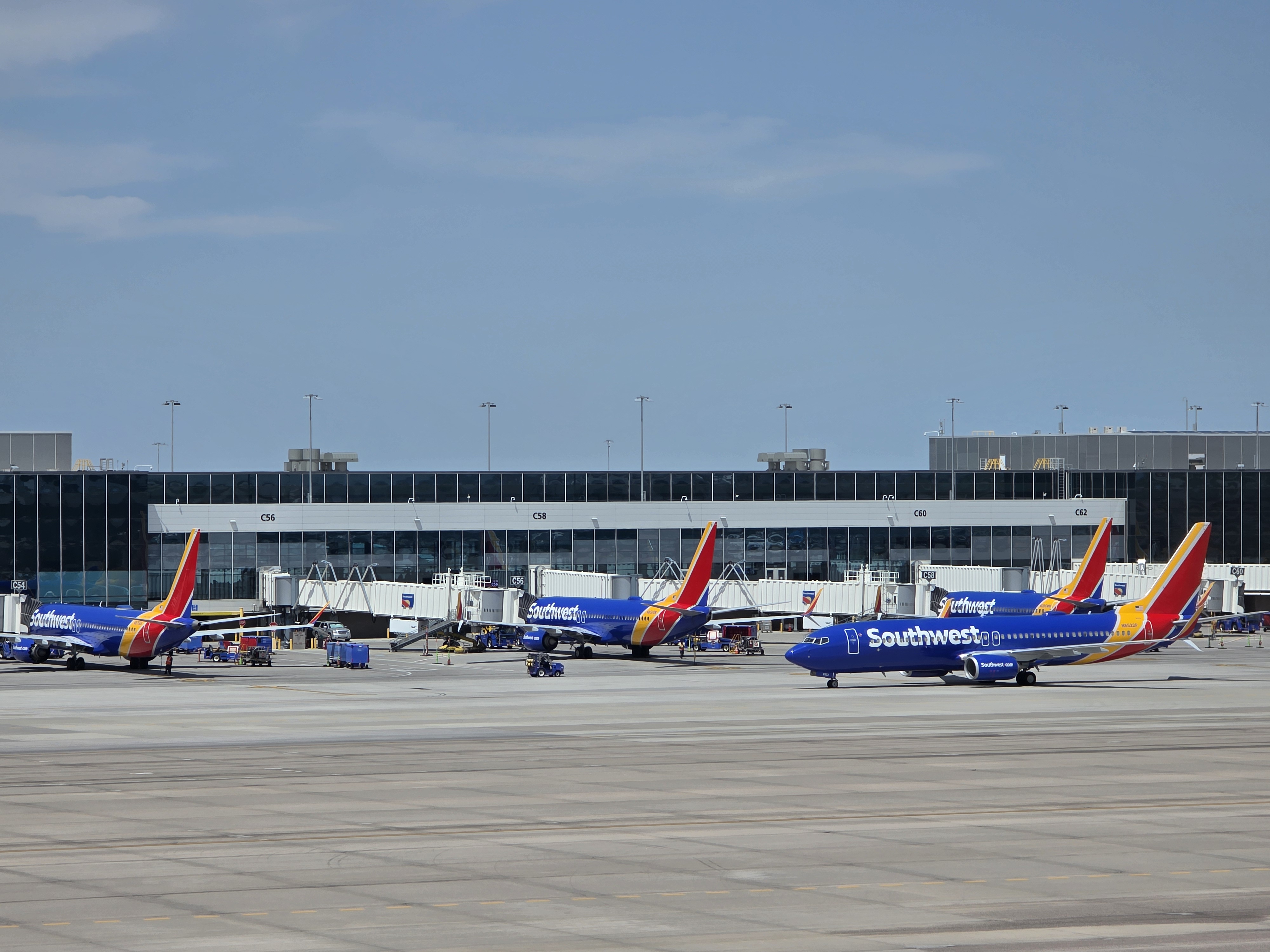
An air traffic controller caused near-miss between two Southwest Airlines aircraft after an aborted landing, turning one plane into the departure path of another.
On Saturday, April 18, 2026, Southwest Airlines flight 507 from Myrtle Beach to Nashville was landing and aborted, going around to try again in gusty wind. It had been coming in for runway 2 Left.

Meanwhile, Southwest 1152 was departing Nashville for Knoxville on runway 2 Right, the parallel runway just to the east. The flight landing from Myrtle Beach was given instructions that put it in the path of this departing flight. Both crews received onboard collision warnings.
Local Nashville media are reporting that WN507 was directed to turn right during a go-around putting it in the path of departing WN1152 on Saturday. ADS-B data shows the two jets passed 500 ft apart vertically. https://t.co/Q9pPj47IBg pic.twitter.com/rg0JBTq106
— Flightradar24 (@flightradar24) April 20, 2026
After Southwest 507 went around, the controller turned them right, in conflict with Southwest 1152. The controller then tried to fix it by 507 to climb from 2,000 to 3,000 feet while telling 1152 to hold at 2,000 feet.
Southwest 1152 replied, “We’re already past it,” and the controller then told Southwest 507 to descend back to 2,000. Both crews reported they had responded to TCAS Advisories, with flight 1152 later saying, “We are out of the [resolution advisory].” The two aircraft passed about 500 feet apart vertically.
- ATC: Flight 507, maintain 2,000 feet.
Flight 507: 2,000 feet, Flight 507.
ATC: Flight 507, turn right heading 110.
Flight 507: Right turn 110, Flight 507.
ATC: Flight 507, maintain 3,000 feet.
ATC: Flight 1152, maintain 2,000 feet.
Flight 1152: We’re already past it.
ATC: He’s already in the turn. Flight 507, descend and maintain 2,000 feet.
Flight 507: Down to 2,000.
Flight 1152: We are out of the collision-avoidance advisory.
ATC: [later] Flight 507, climb and maintain 4,000 feet.
Flight 507: [acknowledges] and says it also responded to the collision-avoidance advisory.
This was a serious near miss. Both cockpits got collision warnings that commanded evasive action. It appears the controller turned Southwest 507 the wrong way, but fortunately the onboard system and the two crews were alert to the risk.
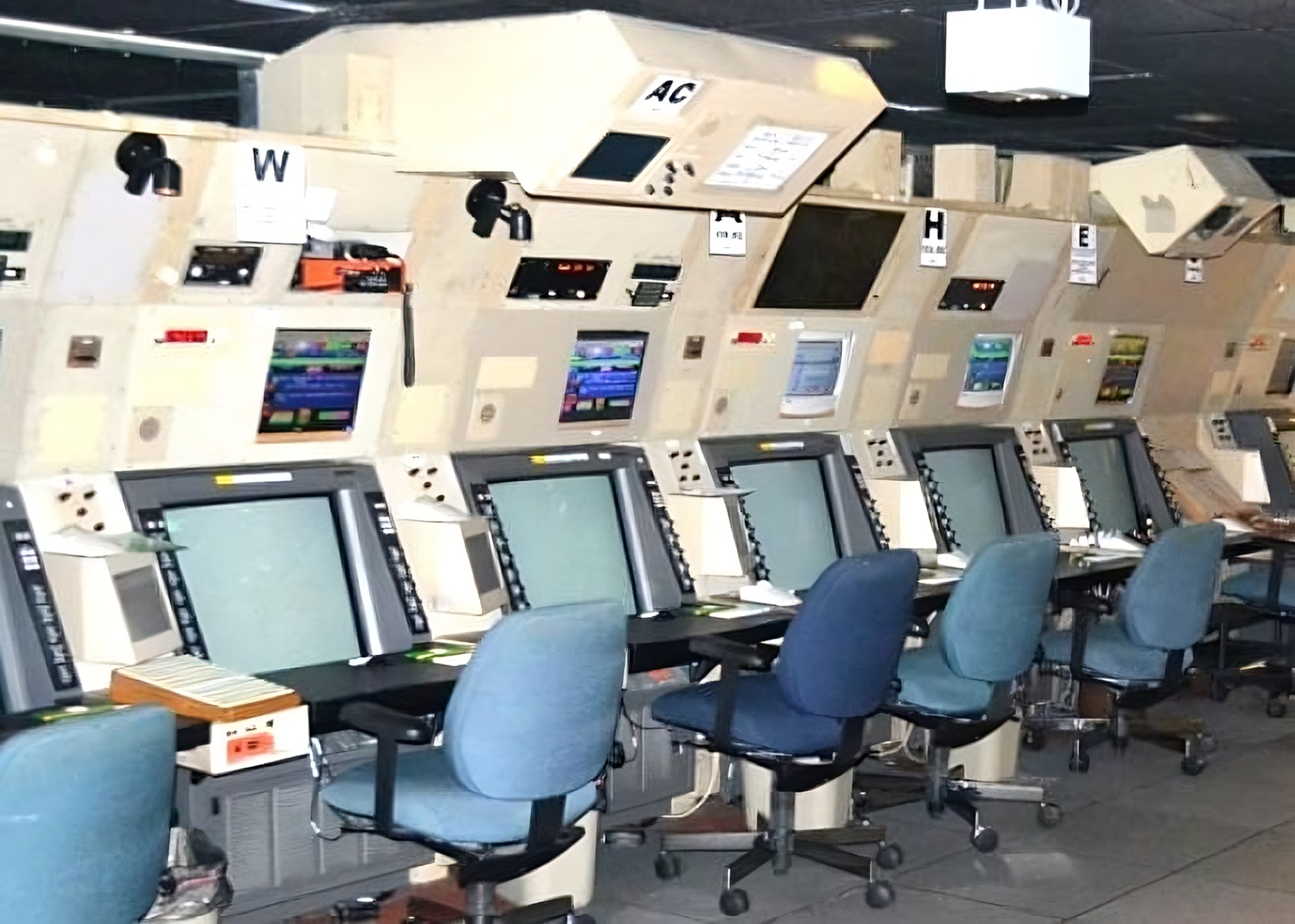
We’ve seen what seems like an increasing number of these kinds of issues, although it’s also possible we’re more atturned to notice how frequently things are going awry with antiquated systems, overburdeed controllers, and processes that are too prone to human error.
For instance, Southwest flights narrowly avoided disaster after air traffic control put them on the same runway in San Diego, one cleared for takeoff and the other to cross the runway. It was another controller-driven error that put two Southwest planes at risk, with the departing aircraft aborting takeoff at 100 knots.
Or United And Alaska Airlines aborting landing in San Francisco to avoid hitting a Southwest Airlines jet.
I am still nervous at times flying into Austin after air traffic control cleared a FedEx plane to land on top of a Southwest 737 cleared for takeoff here, and they wound up with 500 feet of vertical separation and roughly 670 feet apart during evasive turns.
Here, Southwest pilots spotted a private jet crossing their runway at Chicago Midway airport, pulling up and aborting their landing just in time. This Southwest plane came within 857 feet of another aircraft on the runway while landing at Long Beach.
And air traffic control put a Souuthwest and a JetBlue plane on a collision course at Washington National airport’s runway 4. Meanwhile, this Southwest 737 rjected takeoff in San Antonio as another plane was cleared onto their runway. It may be time to rethink our model for air traffic control.


Well, @Randy was just sayin’ Nashville is a “red hot market”… (Glad everyone’s alright.)
I know I say this. Every. Single. Time. A story like this breaks, but 500 feet vertically is NOT the same as being 500 feet apart (unless the horizontal distance is zero).
How far apart were they REALLY?
Hate to say this, but now with AI, you almost really don’t need a Tower full of human controllers.
ATC is overworked and understaffed, which leads to more human error incidents. Glad they didn’t collide because for planes, being within a few thousand feet of each other at their speeds is a matter of seconds for decisions to be made. At 500ft, you have practically no time to react.
First, cut funding for controllers and overwork the remaining.
Then, flood the news with the stories of the inevitable close calls.
Setting the stage for DOGE and Elon Musk to come to the rescue.
Hopefully it works better than the his Self Driving vaporware!
@Doc423 — Better equipment, including software, is fine, but to suggest we remove humans is not a good idea; give the ATC better tools.
Thankfully TCAS worked flawlessly. It recognizes the situation and tells which aircraft to climb and which to descend. The ATC got it wrong a second time by telling Southwest 507 to descend to 2000 ft where Southwest 1152 was.