
Complimentary upgrades are almost no longer a benefit of airline elite status in the U.S. Delta has taken this the farthest – twenty years ago 90% of first class seats wound up empty and available for upgrade. Now, Delta sells about 88% of its first class seats.
- Selling often means taking as little as $26 extra on short flights, upselling coach passengers with an offer for a cheap upgrade.
- They’d rather take a few tens of dollars from a once a year passenger than offer it as a reward to a $30,000 – $50,000 per year customer.
- American, even, has begun catching up following Delta (and United) with these upsells that crowd out upgrades.
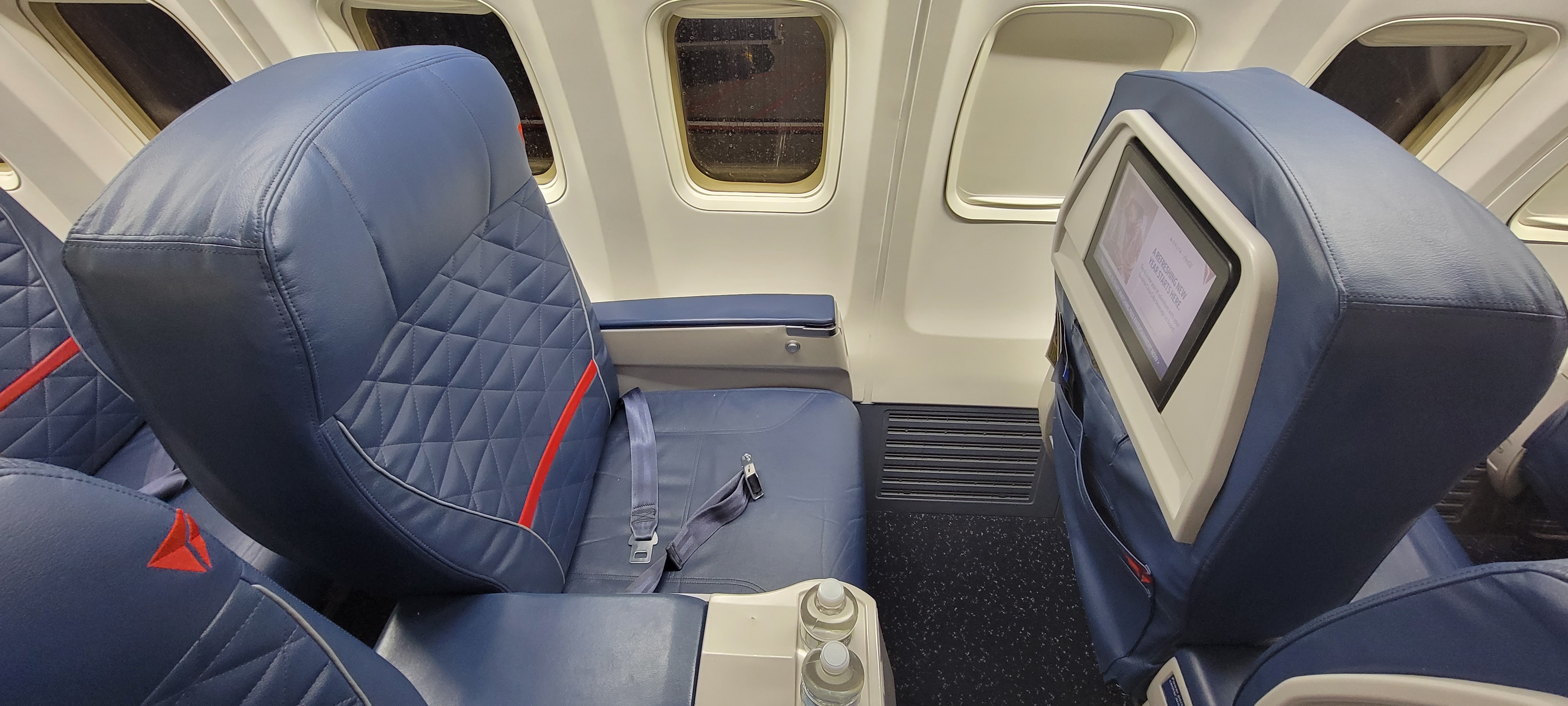
That means the strongest benefit of loyalty to U.S. airline frequent flyer programs is largely gone. There are some days and some routes were customers have success, but 12% of seats being available for upgrade is just an average – on some routes it’s far less than that! And this comes at a real cost to the program.
- Elite frequent flyers not only spend the most with the airline, they spend more per trip. And they spend on the airline’s cobrand credit card, which accounts for most of the profit.
- So airlines need to do something to keep those programs sticky. I actually think the problem is, if airlines want to do these upsells, they just need more first class seats – so they can do both. But I think they’re making the wrong tradeoff, or rather they’ve gone too far and too cheap in those upsells.
Perhaps selling the first class seats for hundreds of dollars makes sense, while at the point where it’s tens of dollars the product is more valuable as an upgrade.
Nonetheless, if airlines are reducing the value of status because they want to deliver fewer upgrades than they used to, something needs to take their place. The strongest benefits are emotional. But benefits for an airline, available to a wide number of elites, really have to scale. And there’s a real tension between those two goals.

So I’m trying to suggest things that would be plausible from a budget perspective, not just a wish list of things that would transform the experience or relationship.
- Upgrade buy up discount. When American Airlines first introduced extra legroom ‘Main Cabin Extra’ they offered Gold members a 50% discount on purchase. It has occurred to me that Southwest might offer extra legroom seats to its A-List members (who can confirm these seats 48 hours prior to departure) a discount on purchasing them in advance.
That’s incremental revenue to the airline, and a better deal for certainty to the member. Similarly, airlines could offer a strong discount to elites, or even just top elites, on the purchase of upgrades. That makes better access to first class still a strong benefit of status while preserving revenue for an airline that no longer wants to offer a complimentary upgrade benefit – but that hasn’t been quite willing to come out and say it.
- Earned upgrade cash. In some sense, where you can spend miles instead of money towards an upgrade, this already exists. Elites earn bonus miles and those bonus miles can be spent on upgrades. That feels different, though, since those miles come at a tradeoff – you could spend them on awards instead.
So earn pseudo-cash that can be used towards a limited number of buy ups, with more cash earned at each level. That way there are still some free upgrades for members, who choose exactly when to use them.
- Extra legroom guarantee. Northwest Airlines used to award 1,000 bonus miles to Platinum members whose upgrade didn’t clear. Airlines could award 1,000 miles to an elite each time they take a flight where no extra legroom seats are available at booking and where they actually fly in a non-extra legroom seat.
- Gift status for a trip like Hyatt’s Guest of Honor, which they say converts the recipients into future customers as well. Air Canada offers Status Pass. American has something similar, but you actually have to redeem miles for it and applying the benefit to a reservation is clunky. Since you have to pay for the benefit it doesn’t feel like something you earned with status, even though status is required to unlock the option.
Extending your experience to someone you care about is a huge loyalty win, because you often care more about how the people you are about are treated than how you’re treated and it turns your loyalty into a social experience that’s self-reinforcing. They understand you better. They value your loyalty choice. You never want to give that up.
- Bring back middle seat blocking One of the best benefits of my United status when I started 30 years ago was that the middle seat next to me would be among the last seats assigned. I’d wind up with the middle seat empty unless they actually needed to fill that seat with a passenger.
This became unwieldly as planes started filling up and more and more passengers had to wait until the gate for a seat assignment – too much work at the gate as the airline wanted to get the flight out on time. But this is something that could no be easily automated.
It doesn’t really cost the airline anything, since they rarely sell extra empty coach seats to passengers. But it vastly improves the experience by changing who gets an empty seat next to them from a lottery any passenger might win to one that goes to the airline’s best customers.
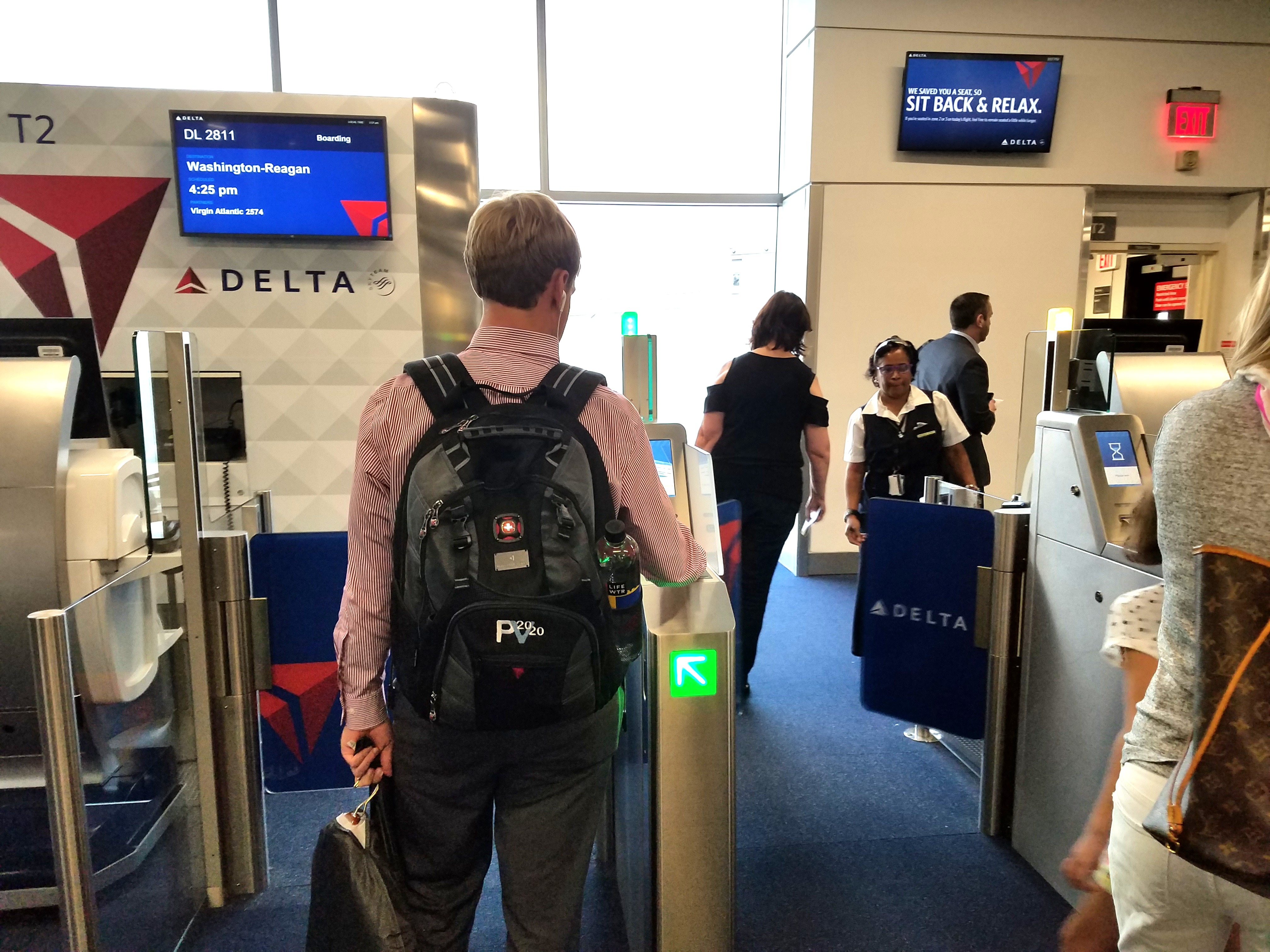
What would you want out of an elite status program, if the airline will no longer deliver upgrades? And does it matter whether you’re a first-tier elite member or someone with top tier status? And what would you do to fix status?
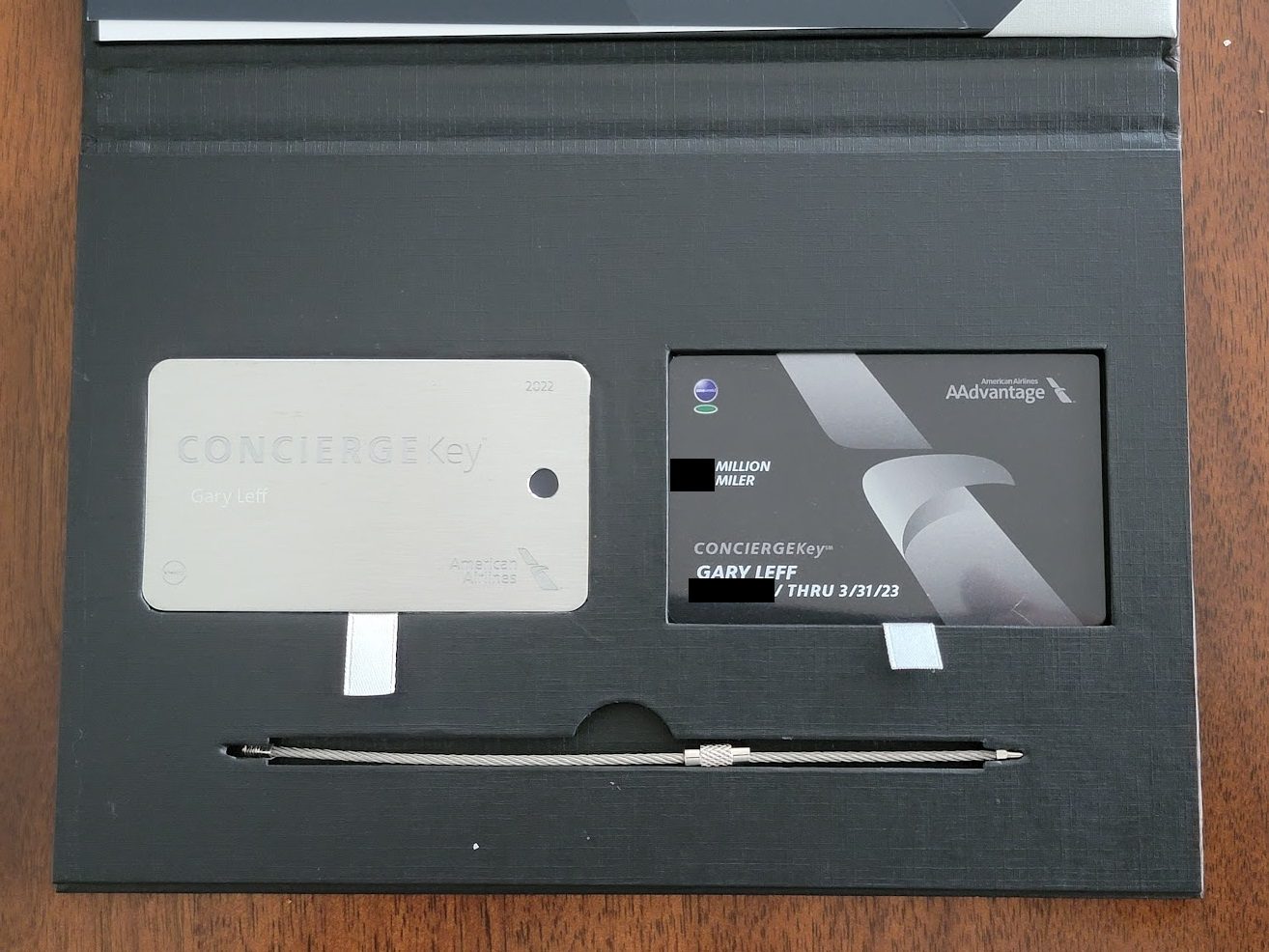
When I was a ConciergeKey member at American Airlines, I loved getting text greetings from a special services agent the morning of a departure from Washington National airport. I had a specific person to correspond with about any flight issues that day. I loved getting met at the gate, even if it was just a friendly welcome and thank you. And it was nice having the ability to email designated reservations specialists in Raleigh.
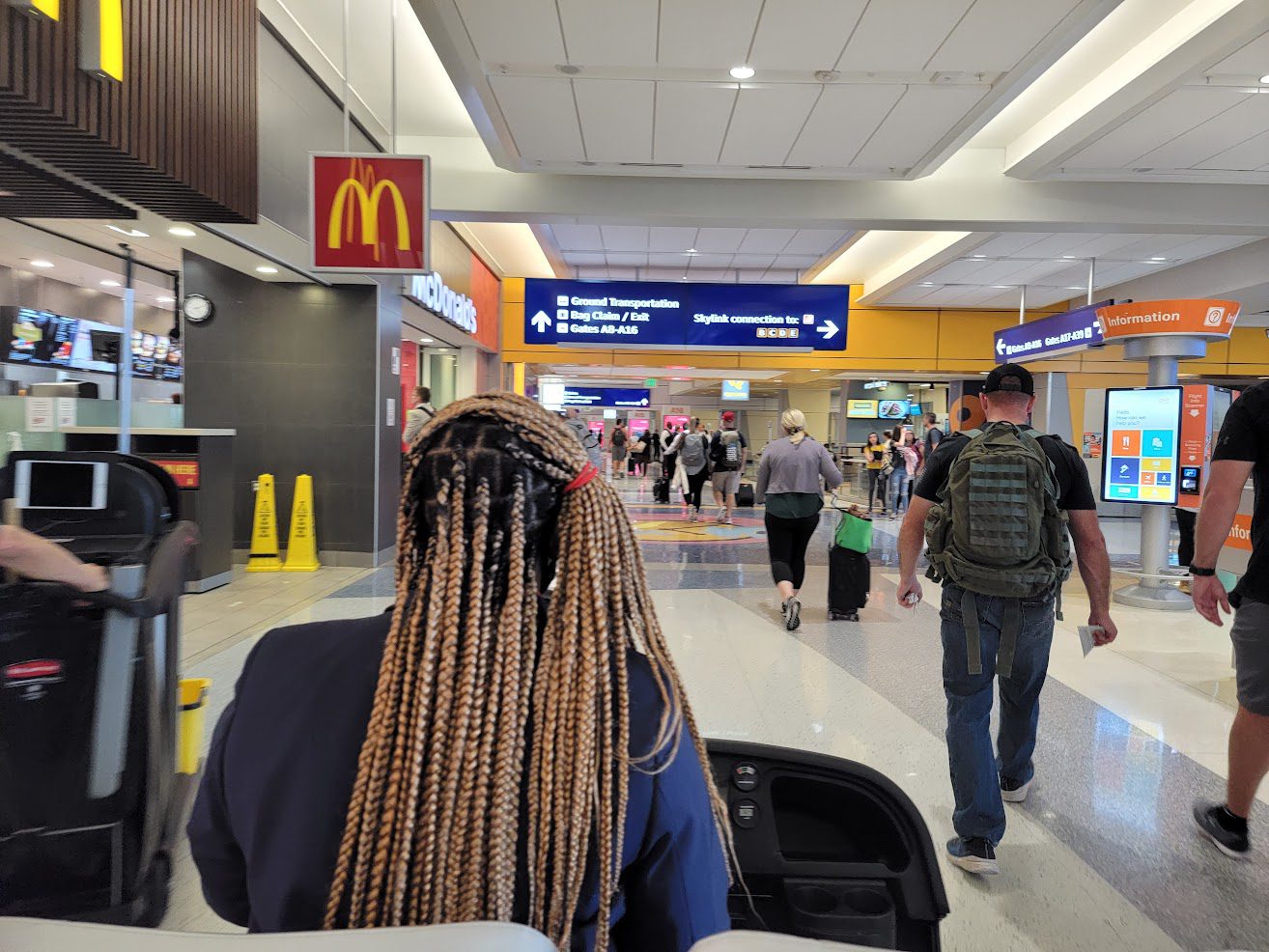
But what was absolutely the most remarkable was assistance during irregular operations – being met with golf carts and new boarding passes proactively when delayed and missing a connection, being taken to the business class lounge, for instance, or being confirmed onto an oversold flight (where American was willing to pay a volunteer on the flight to take a later one in order to accommodate me).
Those are incredible benefits, where I’d almost never want to fly another airline. And if they offered a clear path to earning this status, like 1 million loyalty points, I’d shoot for that year after year. But it needs to be a high enough level to justify the cost, they can’t just scale that kind of treatment across Executive Platinum members.



Agreed, and the deal should be NO FREE UPGRADES. WFBF.
I’m pretty sure that AA does middle seat blocking. On the times when I choose to fly coach, more often than not I have an empty middle seat next to me. (AA EP here)
Delta apparently views the value of that customer loyalty at less than $26. That suggests that their studies showed that premium customers were not very loyal.
Middle seat blocking would only work on non-MCE seats. They aren’t going to forgo revenue on selling an MCE seat.
@Gene — WFBF! (Also, ‘just stay home.’)
My God – how many times are you going to post some version of this same point. The constant regurgitation of your opinions gets really old. Give it a break and come up with new material.
With airlines moving in this direction, they’re eventually going to have to figure out how to retain their most valuable customers. My company spends north of $50k a year on my air travel, and I have full control over which airline I fly—schedule, routing, cabin, all of it.
For the past four years I’ve had regular business in Atlanta, so Delta ended up getting roughly 90% of my travel simply due to convenience and schedule. That naturally pushed me into Diamond Medallion. I’ve flown American a handful of times, but I dislike the experience enough that it’s been minimal. Over the years I’ve also held Executive Platinum on AA, Premier Platinum on United, A-List on Southwest, and a few other statuses.
At this point, I’m done chasing loyalty. If I didn’t have an ATL anchor, I wouldn’t go out of my way to maintain status with any airline. The reality is they’ve shown very little actual “loyalty” to their most consistent customers, so I’m taking the same approach—booking whatever carrier best fits the trip.
The value proposition just isn’t there anymore. Outside of the very top tiers, airline status has been reduced to little more than early boarding and a free checked bag, especially for personal travel. Upgrades have largely been monetized away, which was the primary differentiator.
Interestingly, hotels still seem to get it—for now. My preferred hotel program continues to offer tangible, consistent benefits for loyalty, so I’ll keep directing business there until that changes as well.