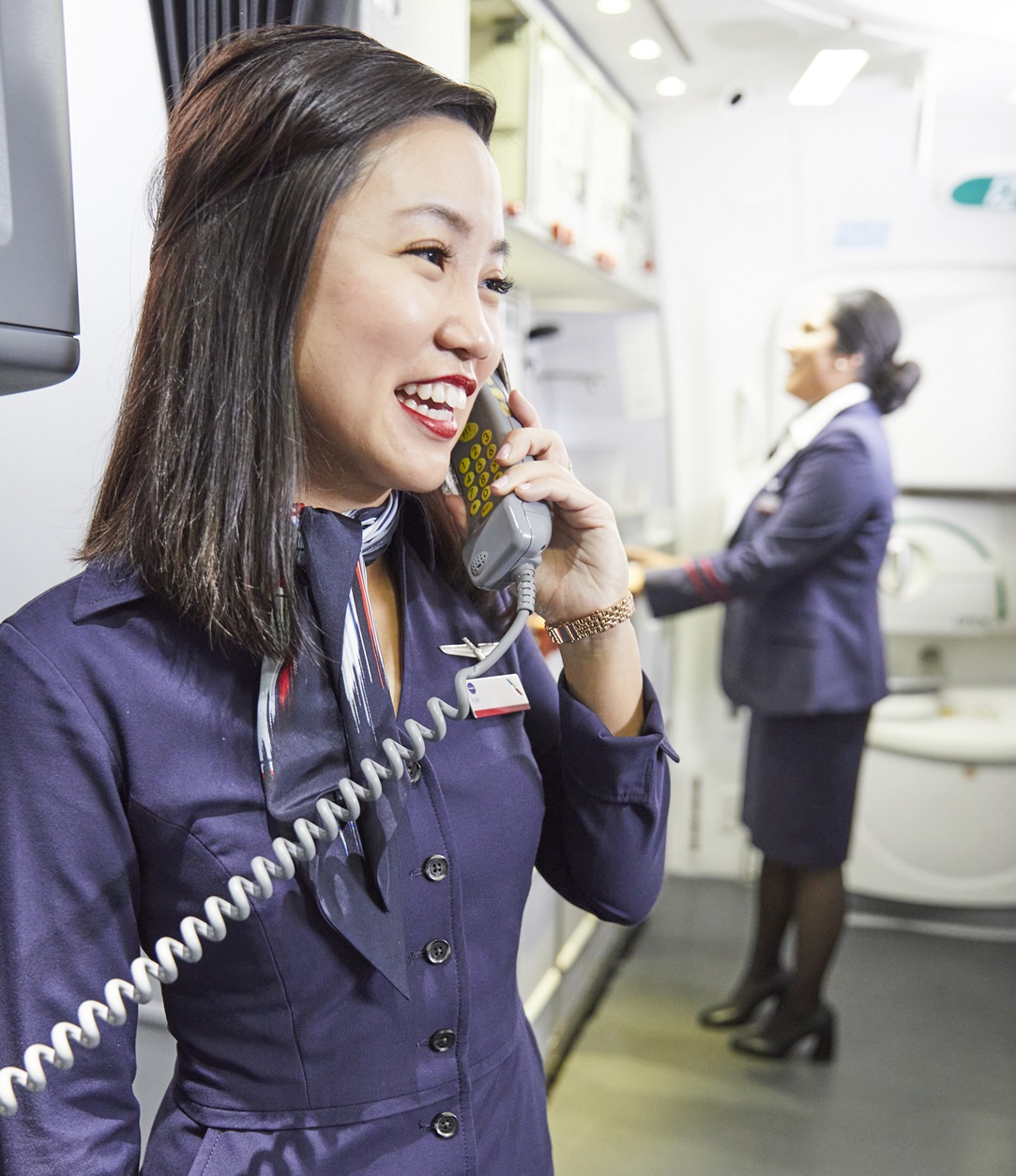
One Mile at a Time asks why American Airlines flight attendants can’t consistently say ‘hello’ greeting passengers when they board?
It doesn’t really matter where in the world you travel, it’s pretty standard for the flight attendant at the entry door of an aircraft to proactively greet passengers as they board a plane. Like, that’s true on Delta, EasyJet, Emirates, Singapore Airlines, etc. It’s just the industry standard.
Yet I increasingly find that when I fly American, the flight attendant doesn’t even look up during boarding to acknowledge passengers. I understand flight attendants are sometimes busy during boarding, and I’m understanding if the catering truck is pulled up to the forward right door, or something. But even when nothing special is going on, I find I’m having the same experience way more often than I should.
Ben Schlappig identifies the problem, but doesn’t offer an explanation of how they got there, or how to fix it. I concede it is a tough problem to address at this point. Worse is this reaction – that it doesn’t matter at all.
This is just a great example of how silly most online commentary on the airlines is.
The airline gets you from point A to point B, safely. It really doesn't matter if the flight attendants pretend to like you. https://t.co/D3p6tWVIiV
— Dilan Esper (@dilanesper) May 10, 2026
“Pretend to like you” misses the point. Kind, helpful, welcoming are basic elements of hospitality. Many American Airlines flight attendants have an internal drive for this. Not all do. When it happens it’s a function of the crewmembers themselves, and not anything that management has done to select for it, encourage it, or filter out a lack of it. That’s actually a problem.
Because airlines are not just getting you from point A to point B safely. Obviously that’s a baseline (and add in on-time to that).
- Airlines are living off of premium revenue.
- Those that aren’t are losing money.
- Customers no longer make flight decisions solely on schedule and price. Delta dates the shift to around 2015.
American’s net promoter score had collapsed a year ago, when they began their premium pivot. The airline now believes that one point of net promoter score improvement yields $50 million to $100 million in revenue.
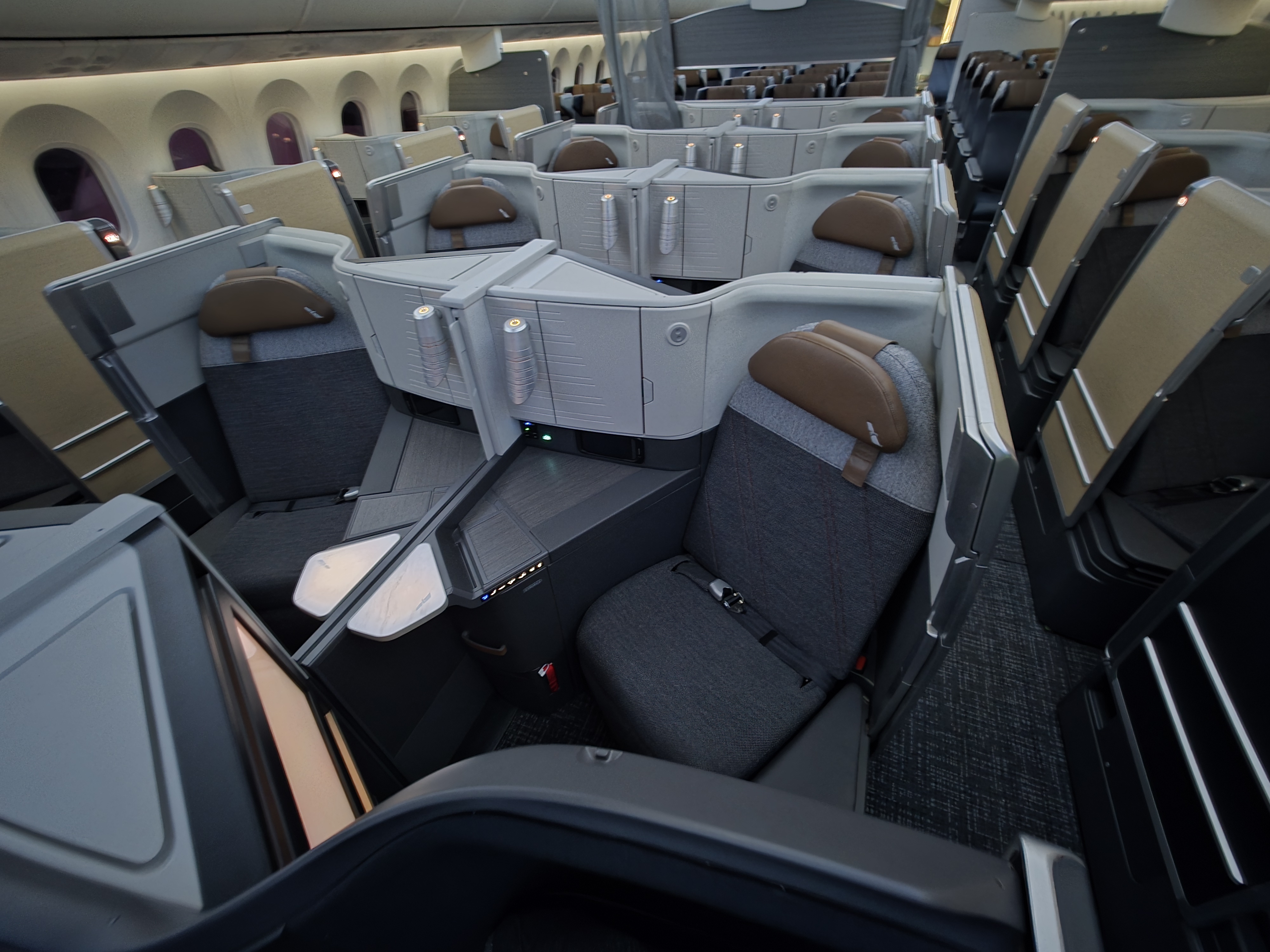
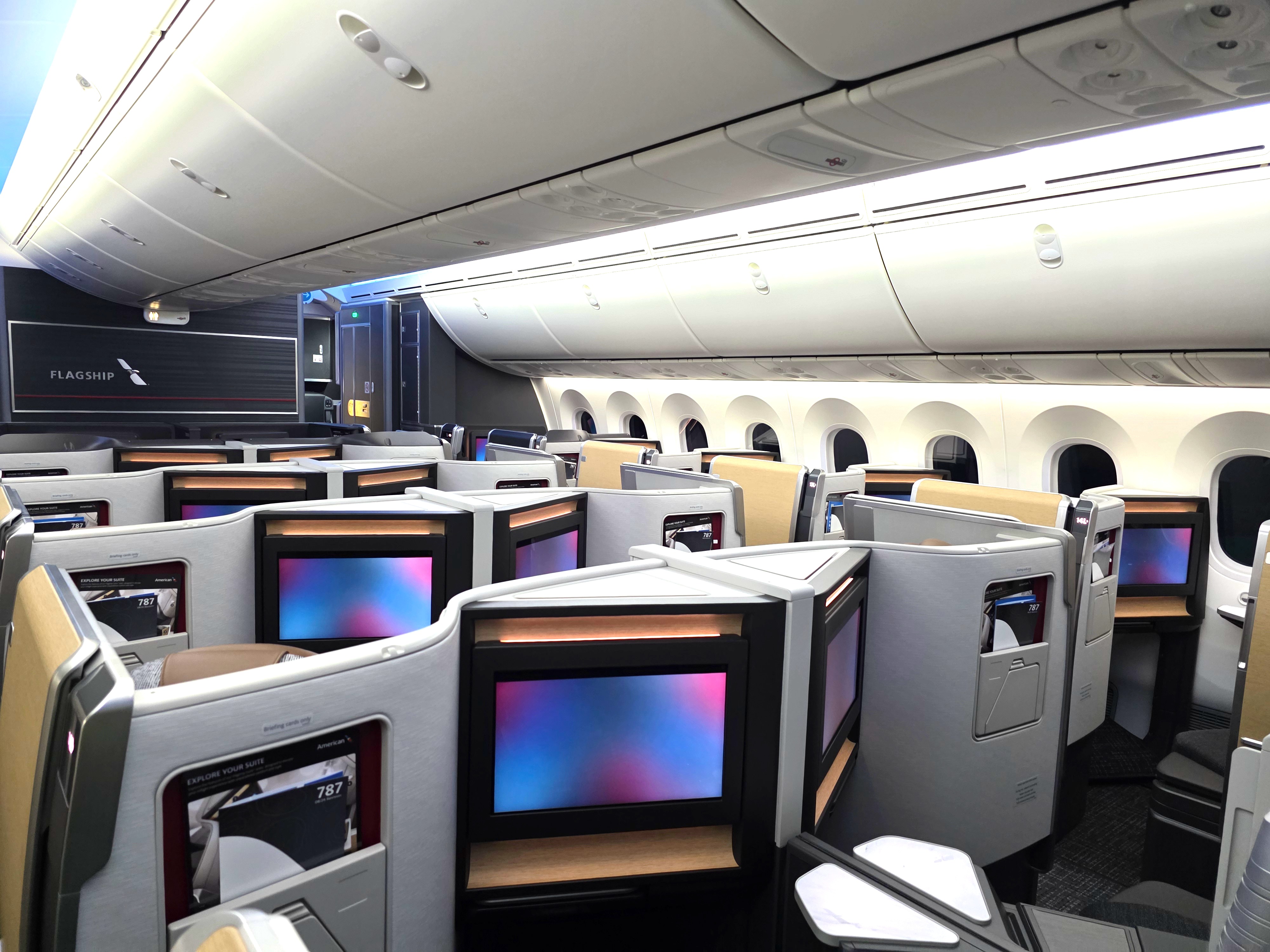
That’s why they’re now focused on customer experience, with the CEO calling it “the biggest opportunity..and the gap we can close the most…from a revenue-production perspective.” But they’ve driven on seats and lounges and policies and beverages – but they’ve done very little with beverages.
Air travel is actually a customer service business, and increasingly so. Nearly a decade ago American Airlines said that getting into a flight attendant training class was ‘more difficult than getting into Harvard’ based on the number of applicants versus slots. But sheer volume of interest isn’t a driver of quality or service.
Southwest actually does a good job at talent selection. They screen heavily for positive people, and Southwest flight attendants generally seem happy to be there and to do their jobs. One common knock on American Airlines is that their employees too often just seem unhappy.
A decade ago the same seemed true of United. It sometimes still does! But a lot less so than it did then. Employees felt beaten down, and there was something to the efforts that prior CEO Oscar Munoz went through visiting airline stations, spending time with employees, and pitching them on the idea that the airline had a strong positive future and that they were part of it.
That isn’t just money, although money can be an important part of it. Even the new United Airlines flight attendant contract that employees will vote on lacks the Delta profit-sharing formula. American’s flight attendant contract has it – American just doesn’t have profits. It seems like malpractice for top executives not to be out on the road selling flight attendants on the idea that:
- Their interactions with passengers have the greatest opportunity of influencing customer perception of the airline and driving revenue premium of anything that the carrier can do.
- This directly affects bottom-line pay because they’ve adopted Delta’s generous profit sharing formula – at Delta it meant about an extra month’s pay.
Former American Airlines CEO Doug Parker objected to profit sharing saying it is “not the right way to pay 100,000 employees that don’t have that much impact on the daily profits.” Thinking of employees as interchangeable widgets who don’t drive profits is how we got into this situation in the first place. It’s the opposite of the messaging that comes from Delta, which has led industry profits, and is reflective the financial engineering of the Parker era.
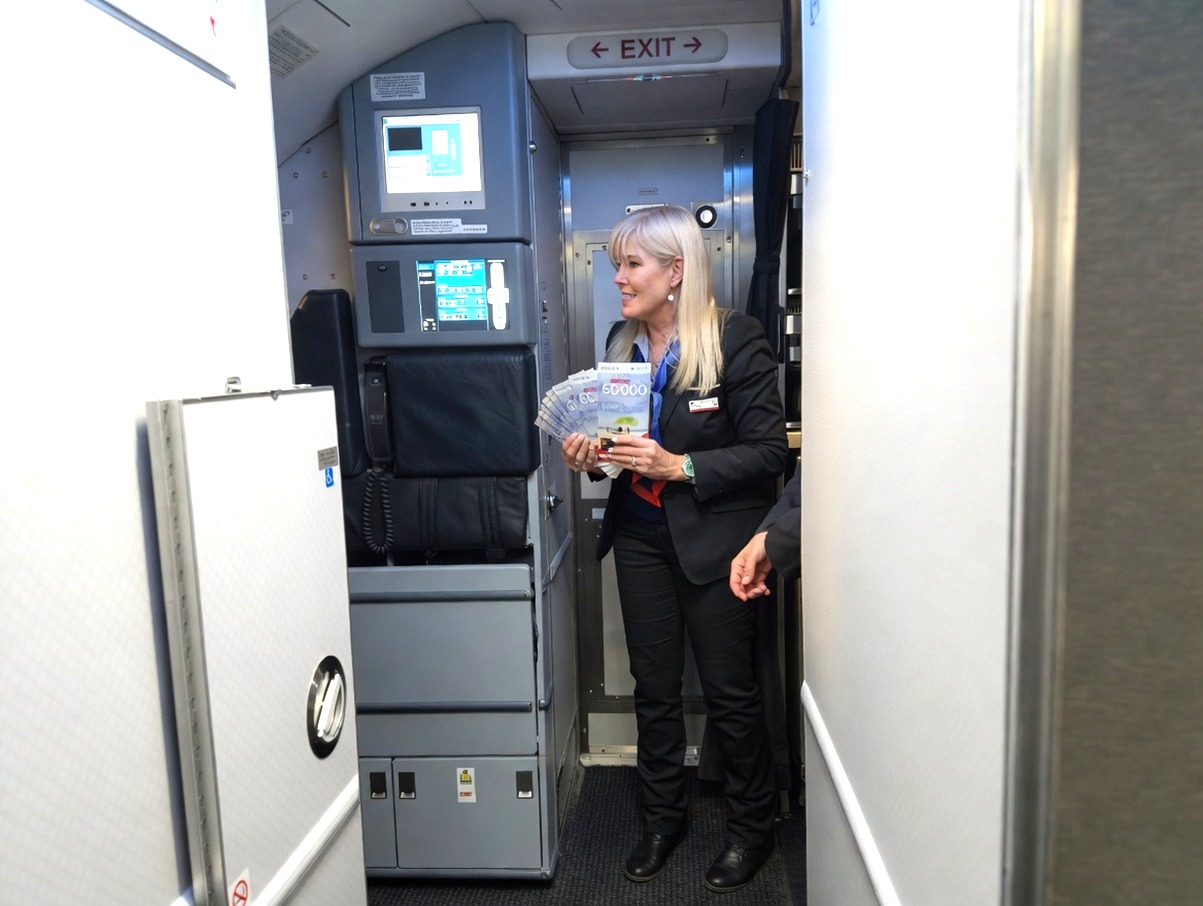
The airline needs to select the right employees and then create the conditions where it matters for those employees to do their best.
- Setting a clear vision and expectation for what good looks like, and why it matters
- Rewarding the results of that service delivery
- Weeding out those who don’t deliver on the service promise, because it’s demoralizing to employees who put their heart into a job and see colleagues shirk and get just as rewarded. It puts a greater burden on those crewmembers, and makes them question why they do it.
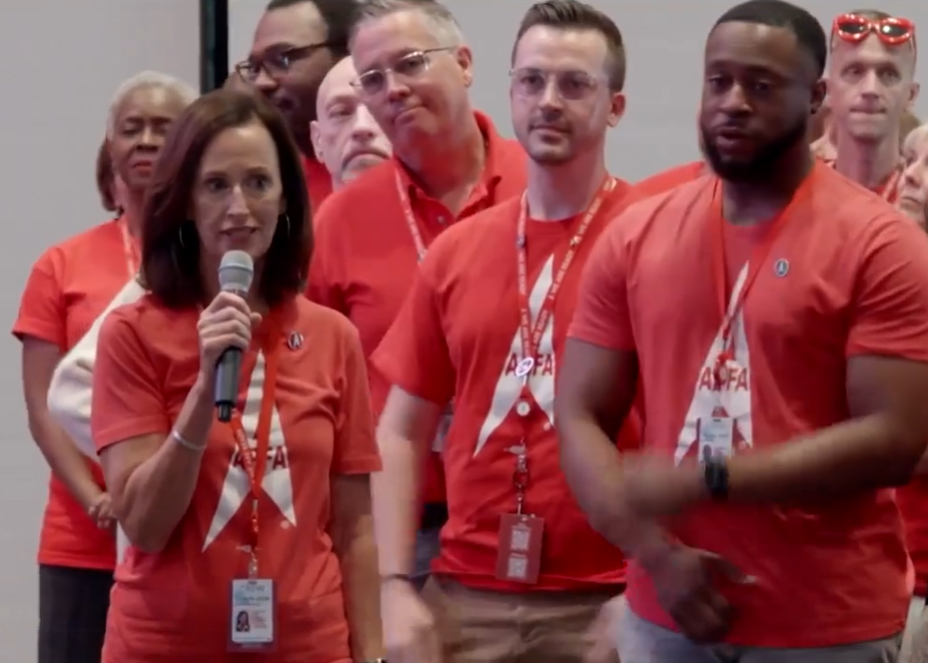
The key point here is that onboard service failure is a management failure. It’s management that’s responsible for talent selection, training, incentives and vision. It’s tremendous work to reverse a decade of malfeasance that comes after 15 years of financial struggle. Seats and lounges are the easy part. The real work is ahead of the airline.



Some employees should be ex employees. The is a lot of unemployed spirit FA who would take the Debbie downer jobs
As I understand it, greeting pax allows FAs to assess intoxication and look for signs of distress.
Air Canada FAs greet us in both official languages. Our response allows them to know what is our preferred OL for the flight.
Premium welcomes are reserved for premium passengers only.