
American Airlines has switched its focus from cost-cutting to “revenue production.” For years they were chasing Spirit Airlines and Frontier, trying to compete on offering as many seats as they could at the lowest cost possible – just as consumers were switching to prefer spending more for a better product. They got the moment wrong.
Last year I first broke the news that American Airlines was pivoting to premium. The CEO’s messaging went from ‘never spending a dollar they don’t have to’ to rededicating themselves to customer experience. That’s a tough switch, and the airline still has many problems, but it’s also a clear change in messaging – not just to customers and investors, but to employees.
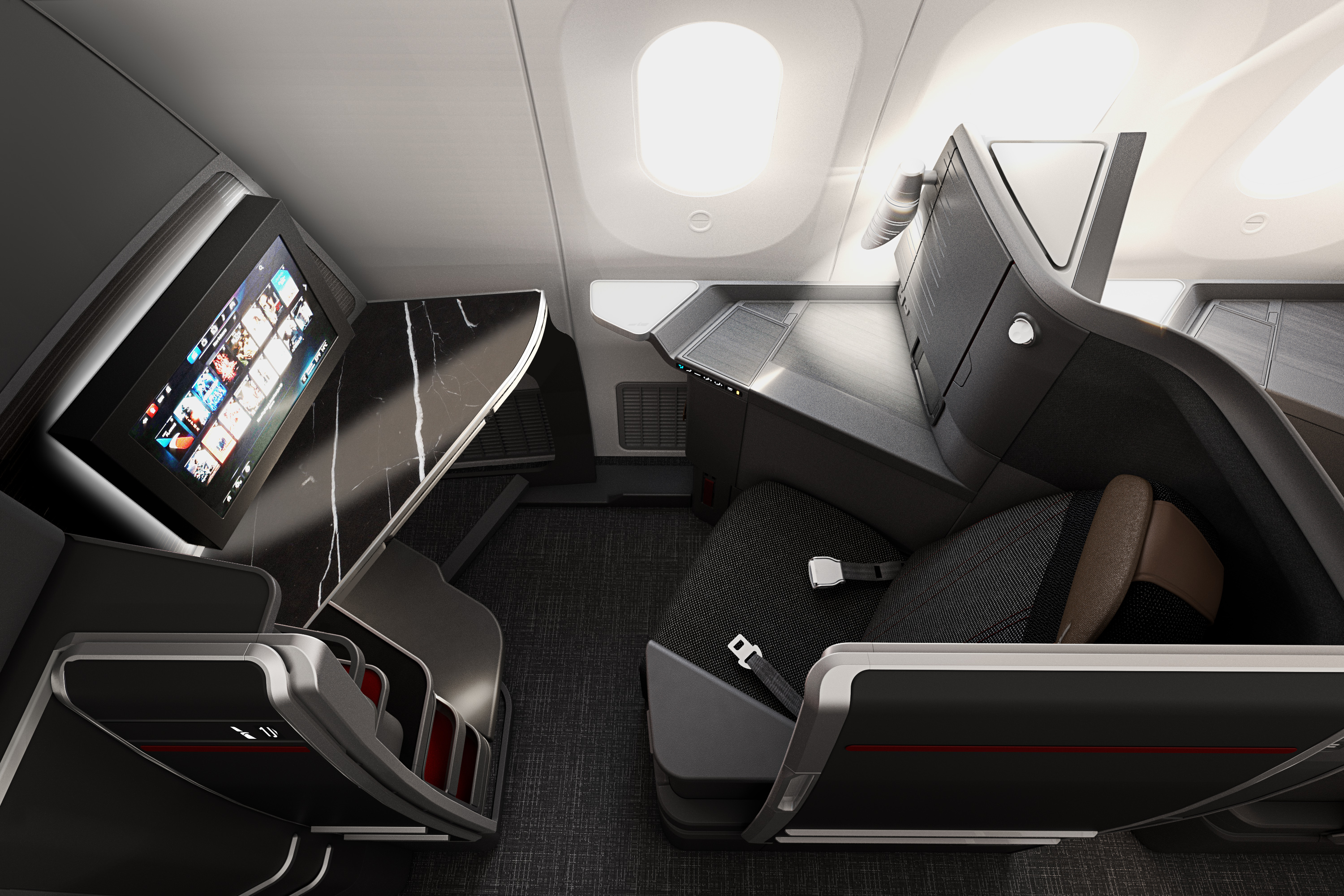
At the quarterly internal ‘State of the Airline’ employee meeting held right after their earnings call on Thursday (a recording of which was reviewed by View From The Wing), American CEO Robert Isom laid out first his excuses for why the airline lost money in the second quarter – but then laid out four focus areas for the company how they will turn this around. Those focus areas are no longer about cost-cutting. They’re about delivering value to customers. This matters.
Obviously fuel prices hurt, but they also generated more revenue from higher fares because of it. Compared to other iarlines, though, Isom offered that they’re financil laggards because:
- They spent more money on their fleet early, but other airlines will have to do this. It positioned them with too much debt coming out of Covid. (I’d note that they also borrowed $12 billion funding stock buybacks under their previous CEO.)
- They pay their employees more, because of contract timing, but other airlines will have to catch up. (American also outsources less.)
- Weather hit them harder than competitors. (American also recovered poorly.)
First, coming out of the pandemic, and because of all the work we did to renew our fleet, we have quite a bit of debt. We had to borrow money to make our way out of the pandemic. We have been renewing our fleet at a faster rate than others. We also came into the pandemic with debt, and obviously we had $54 billion of total debt as we ended the pandemic….
The second item is compensation and benefits. At some points in time, we will be higher; at other points, others will be catching up. Today, compared with United, 80% of our team members make more than their counterparts at United. They are going to catch up, and then we will negotiate new contracts.
Over time, our goal is to pay at the top of the industry. We are going to continue to do that, and I am sure United and Delta have the same philosophy.
Today, though, that is also a couple hundred million dollars of expense that we have, at least in comparison with United, that they do not have. If you take those two things into account, our results would have looked different. The loss we had would have been more than covered, and we would have been in the black.
During the quarter, we also had probably the largest disruption in our company’s history in terms of Fern and Gianna, which basically shut down Charlotte and DFW for the better part of three or four days, and then unfortunately Philadelphia, DCA, and the rest of the network. That was another impact we suffered during the quarter.
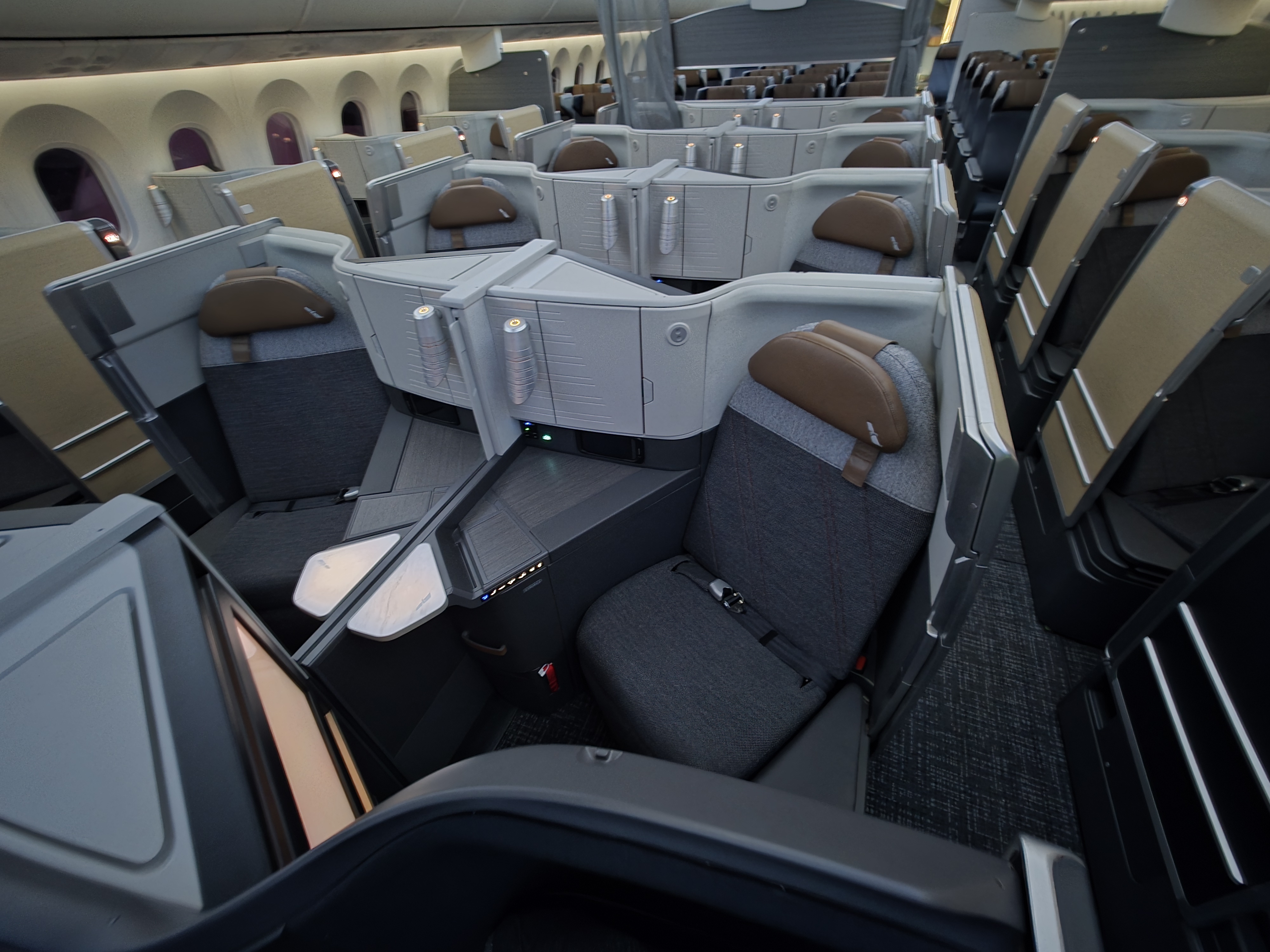
That’s when Isom pivoted, “But enough of that.” That’s when we got to the real key message everyone at the company needed to listen to, “What we can do, and where I think the biggest opportunity is, and the gap we can close the most, is from a revenue-production perspective.”
Failing to focus first on revenue is the strategic mistake American Airlines had been making since US Airways management took over the company. It takes time to change, but leadership gets that’s where they need to focus – they need to make investments that generate more revenue than they cost. And the rest of the employee session was focused around revenue:
That is why today you will hear about our efforts in customer experience; how we are investing in our product; how we are investing in reliability to make sure it is as solid as it can be and leading the industry. You will hear more about that.
Here’s American’s strategy:
- Growth: they need to build back Chicago and Miami and they’re going to build back Philadelphia and Phoenix. They need more long haul aircraft, though.
You will also hear about us growing our network. This year we are growing the network by 5%. Other than immediately after the pandemic, that is more than we have done at any time. Five percent is a huge lift for us, and it will support us in places like Philadelphia, Phoenix, Miami, and especially getting back to where we want to be in Chicago.
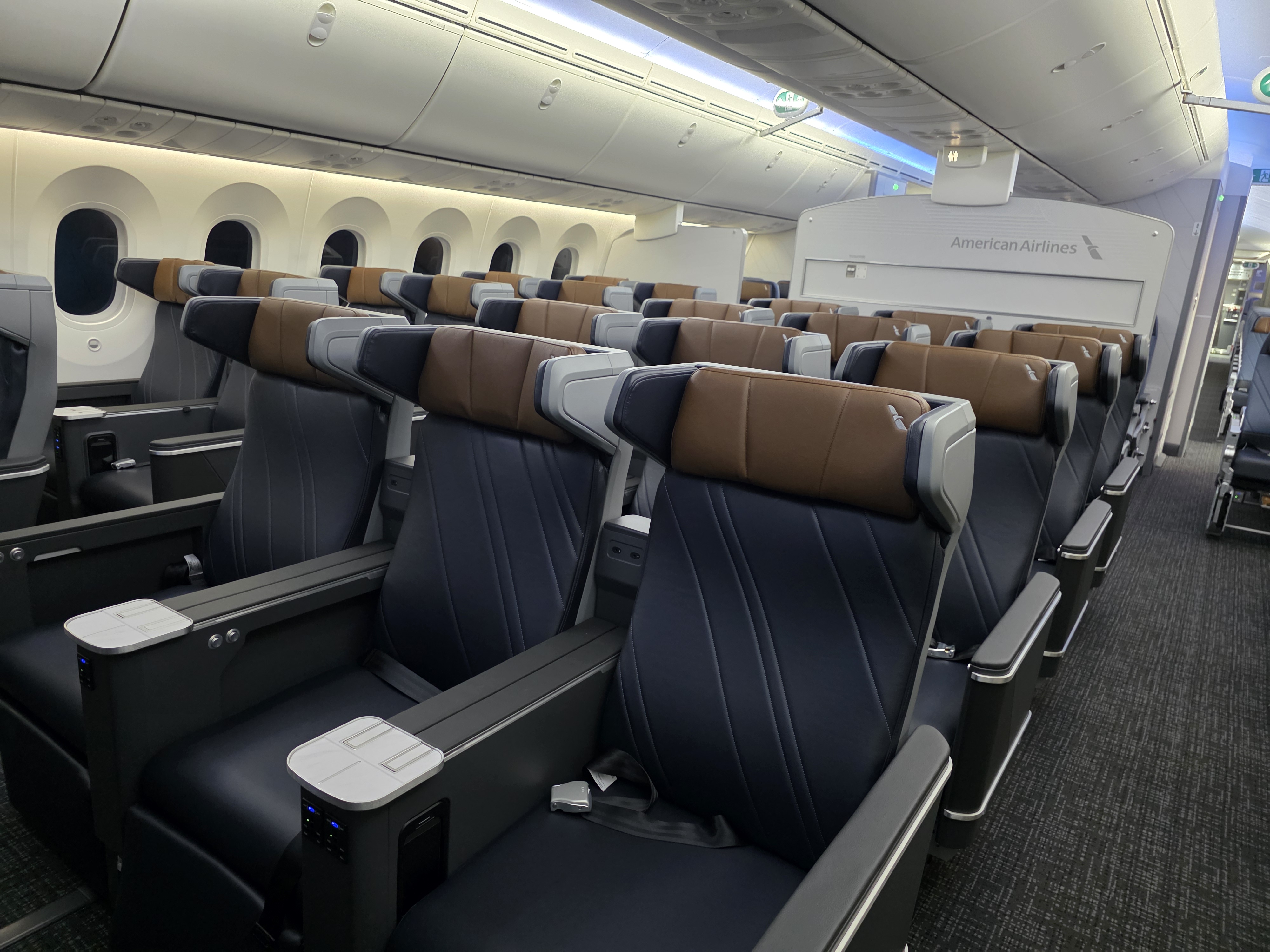
- Premium revenue. That’s where their revenue is growing fastest.
Another big piece is driving premium revenue. With all the enhancements we are putting in place in our product, how do we encourage customers to buy more and stick with us longer? That is the third pillar.
- AAdvantage. If United were to acquire them the biggest passenger loss would be adopting MileagePlus. AAdvantage is a better program. It’s been their own ‘advantage’ and they’ve continued to lean into it, even as they’ve devalued by eliminating things like upgrade award charts.
When you get customers, put out a product they really want to use, and fly to the right places, our loyalty program kicks in. It is the world’s first and the world’s largest. We have to make sure it is maximized in terms of the value it generates for the company.
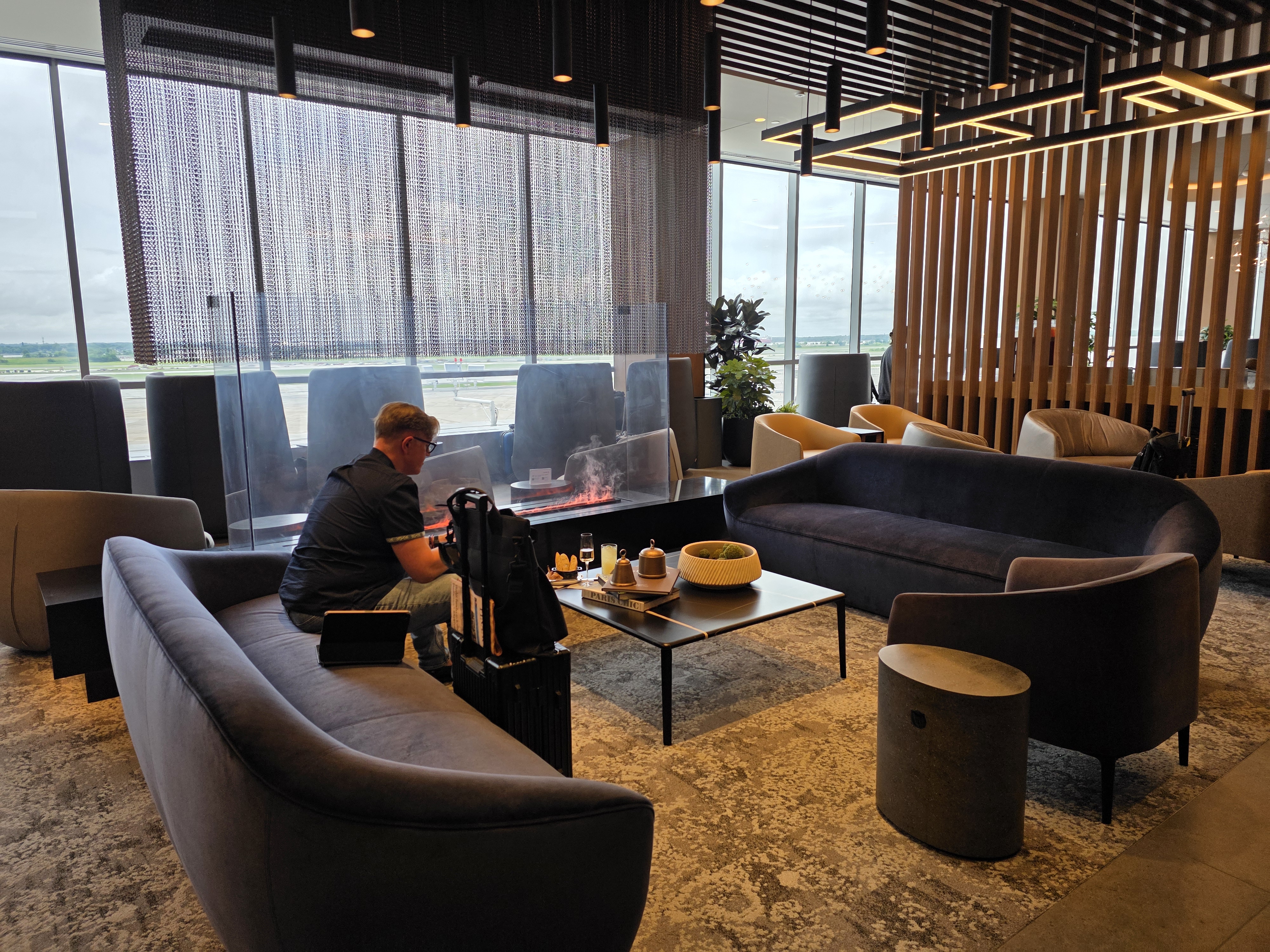
Isom believes that “not only will we be able to erase whatever gap we have in revenue production, but we will also be able to keep paying our people at the top of the industry and make real progress paying down that mortgage [debt].”
They are already “a premium global airline” although I’m not sure it’s a fair characterization given that they really haven’t extended premium to coach (even their buy on board food lags United and Alaska) and have far too few extra legroom seats, and their global network where they fly their own aircraft is much more limited to Europe and especially Asia than others.
Nonetheless “a consistent, elevated customer experience; growing our network; deepening partnerships and loyalty; and driving premium revenue” are important strategic directions and a meaningful shift compared to where the airline was focused two year ago. And Isom is not wrong that – if done well – “that will result in higher NPS scores, an engaged team, people who are proud of what they represent, and shareholders who are taken care of as well.”



I’m sick and tired of hearing about their “premium customers”. The planes are only partially full of premium seats. The remaining part is full of revenue generating fliers who the CEO has seemed to have forgotten.
Gee whoda thunk it! Concentrating on Customer Value and Appreciation instead of being frugal! Giving MORE value to customers than they expect has Always been the formula for success in ANY company and this CEO has learned a hard lesson. I’ve been flying with American since EWR (Newark) was a one hanger airport until this year when I need to get from Austin to Vegas (real out of the way cities) and was presented with options that spanned 6-10 hours flying time (and NO non-stops) AND a mileage CHARGE of over 60K miles! Goodbye American. I am sure you will have to do much better to wooo this alienated frequent flyer back and I am NOT the only one!
Words are cheap, I’ll wait to see if there is any real change where it matters
The issue is the number of “premium passengers” is very limited. Domestic road warriors get reimbursed for coach travel other than if possibly they’re doing a transcon. With complimentary upgrades all but disappearing only a handful of those road warriors can pay out of pocket to upgrade to the front. Not all road warriors are hauling in a mid six figure+ salary. Most are not.
So that leaves International premium (in which companies may reimburse business class) and some wealthier leisure travelers willing to pay to get the hell out of coach. Some of those might only fly 4-6 times a year and unless they have cc infinity it’s whoever has the best price and/or schedule.
Granted no airline really makes an effort to make coach travel comfortable let alone “premium.”
Blame Parker (Former AA CEO) for the mess. American will eventually come back to the great airline it once was when all the USAIR guys move on.
Culture is the conundrum at American and has been since Crandall. American had pride and power back then, but through the years the competitive price of survival, acquisition, and tension with labor, at all costs, has really done a number on the Airline of what American could and can be some day again.
Pan Am,TWA, Braniff, or Eastern it is just not, though it has always had essentials to be but chose, to be General Motors of the air instead.
Growth? In this economy?? Might as well just re-brand as an AI company… American ‘Allbirds’ Airlines…
Leave it to this loser CEO to partially blame the employees for not meeting their revenue targets… “If we weren’t paying you so much we’d be more competitive.” is what he really wants to say. He’s the idiot that cut back so far that the customer experience degraded and who has made so many decisions that destroyed employee morale. Him finally getting it is far too little and far too late. He cannot lose his job fast enough.
@AAnonymous — Good point. If these companies wanted to save money on compensation, start with top-level executives. Bob, Ed, Scott, etc. can work for $1 million a year, not $30 million…
They certainly have a big job ahead! On a recent first class LAX-ORD flight they offered a “100th Anniversary” beef wellington lunch option. This dish was popular 50 years ago. Now that’s looking back, hardly ahead. We all know wines they serve are sub-par. When roasted root vegetables are the best thing on the plate ….
Yes, but we absolutely do not need another Crandall. He served his time well, and probably too well, in many ways without going into a Nixon was a victim debate. Finding someone with vision to steer the course at AA is key for passengers, employees, longevity, and Wall Street profitability.
THE “PREMIUM ASPIRATIONS” DO NOT HAVE TO BE CONFINED TO THE SEATS IN FRONT!
HOWEVER, WAS VERY DISAPPOINTED LAST MONTH. FLEW IN BUSINESS CLASS LONDON TO LOS ANGELES AND WAS NOT GIVEN A MENU TO CHOOSE FROM. TOLD ALL THEY HAD WAS CHICKEN OR A BURRITO. IMAGINE: A PREMIUM BURRITO? DOES THAT MEAN CATERED FROM DEL TACO INSTEAD OF PUP ‘N’ TACO?
THEY NEED TO DO BETTER THAN THIS. EVERYTIME I SEND A COMPLAINT (OFTEN) TO AAL (ALMOST NEVER TO UAL OR DELTA INT’L), I TELL THEM THIS BUT IT’S LIKE TALKING TO A BRICK WALL (THE WALL’S NAME IS ROBERT ISOM).
AA needs to be way less long haul and widebody allergic…PHX is the prime example of this.
@Derek McGillicuddy — THANK YOU FOR YOUR ATTENTION TO THIS MATTER.
Oh, so you got caught up in the AA LHR catering fiasco? Depends on the burrito… Also, sick burn on the ‘wall’ bit. Niiice.
AA has to focus on the actual operation, the on metal product.
Bring back food catering for all classes (re- acquire sky chefs). Get rid of the old, crusty flight attendants (most hurt the product with their poor attitude and entitlement). FA’s with great attitudes and can do persona’s are a must.
Treat employees better. You can’t elevate external customers, until you’ve elevated internal customers first. While employees servicing the international market may be satisfied, there is a HUGE step down in the way subsidiary employees are managed and compensated. They are the ones driving the market!
Lastly, if you’re going to talk the talk, then walk the walk. Put together a plan and execute on it expeditiously. AA is behind the 8 ball, and they need to act as if it 11:59……
“AAdvantage. If United were to acquire them the biggest passenger loss would be adopting MileagePlus. AAdvantage is a better program. It’s been their own ‘advantage’ and they’ve continued to lean into it, even as they’ve devalued by eliminating things like upgrade award charts.”
I’m not so sure about them leaning into AAdvantage. Didn’t American just royally screw over loyal members of all tiers who buy a basic economy fare by disallowing mileage accrual, good boarding categories, and seat selection? For somebody who goes out of their way to fly American and holds high elite status this is ridiculously punitive and in tandem with lack of saver award availability in premium cabins and frequent devaluations completely destroy the premise that AA actually values AAdvantage. Ripping drumsticks off the goose that lays the golden eggs seems indicative of indifference towards engaged loyalty members rather than seeing them as partners to invest in to perpetuate the beneficial relationship.
Most business owners I know don’t want to spend any more money than they have to. Why should an airline be any different? Would you want to hear a CEO say, “We’re going to throw money around like a bunch of drunken sailors?” I’ve observed that most companies tend to invest (note the term invest) their resources prudently, not indiscriminately.
@Desert Ghost — “And you’ve been CEO of how many airlines?” (Sorry, I can’t resist. Not gonna lie, it is kind of a good riff you got there. Adds nothing. Just for sh*ts and giggles, really. Credit to you.)
Just another step in the direction of “we only want people with more money and screw all the rest”. Though its true that American isn’t as premium as they could be, the experience isn’t the best, but I’ll take their baseline anyday over gradual enshittification of yet another company. Feels like the goal again and again is to get you to spend more while offering less. Because honestly their premium isn’t going to be good enough anyway.
These days I much prefer flying foreign airlines which US Airline CEOs consider “subsidized”. The experience is just better, time and time again, the flight attendants are professional. Even Asian airlines are perfectly fine, and the focus is on serving the most people a reasonable quality experience.
AA was actually one of the few American-based airlines i appreciated (Alaska Airlines is still really decent, maybe they’re the hope for the future).
@DesertGhost – I’ve found that offering genuine care and value to customers creates a great deal of loyalty. Sure that costs a little but having loyal customers who want to come back and spend money with us is both gratifying and fiscally prudent. I DO say this as the person founding, owning, and running a company for over a couple decades.
United and Delta have left the airport, American is not even on a runway ready for departure. If they expect to be competitive there needs to be a complete culture change from top to bottom. The front line team members seem unhappy most of the time.
This is all talk. They already wasted money buying planes without screens.
Let’s see if they actually spend to bring an experience that is closer to the gorgeous United and Delta screens or the currently bare-bone aircraft more akin to Spirit and Frontier.
New seats and suites and fancy food doesn’t help as much when your food is slung at you at 30,000 feet in the air!
AA needs to improve it’s staff; plain and simple. Even customer service could use better training; although they improved a lot.
And stop serving nuts, appetizers, entres and desserts at the same time. This made send during the pandemic but it iis overwhelming, feels rushed and wastes food because I’m sure many people would eat way less – especially on red eyes.
American sells First Class upgrades on the cheap, meaning no FC upgrades even for Executive Platinum’s or Concierge Keys. Sad. Pilots get them now per their contract. Was on a flight and there were 4 pilots up front. MIA to LAX. Years ago, I dumped Delta for United then dumped United for American but now I no longer have allegiance to any of them. All USA carriers are greedy pigs. Even Southwest is like the others now, and without FC At all.
To state the obvious, this forum and its ilk are populated by frequent flyers and industry nerds (in the positive sense). Is there any data that sheds light on what percentage of US air travellers meaningfully factor “airline choice” into their booking decisions? I am genuinely curious. Do airlines actually need to go beyond “just good enough so that no one actively avoids us,” because most consumers are focused 90% on the best combination of schedule and price?