
Baseball Coach Sat In United Cockpit During Flight — Fired Captain’s Whistleblower Hearing Begins

On April 10, 2024, a United Boeing 757-300 chartered the Colorado Rockies made national news when hitting coach Hensley Meulens was filmed sitting in the captain’s seat of the cockpit while inflight. The video was posted to Instagram and then deleted.

This happened while the captain was reportedly in the lavatory. The captain reported the incident. United and the FAA investigated. Both pilots were fired. It’s being framed by critics as the captain being fired for reporting a safety issue. An AIR21 retaliation hearing is scheduled to begin today.

It comes down to: was she fired for what she reported, or fired because she was captain of a flight with a serious flight deck security breach?
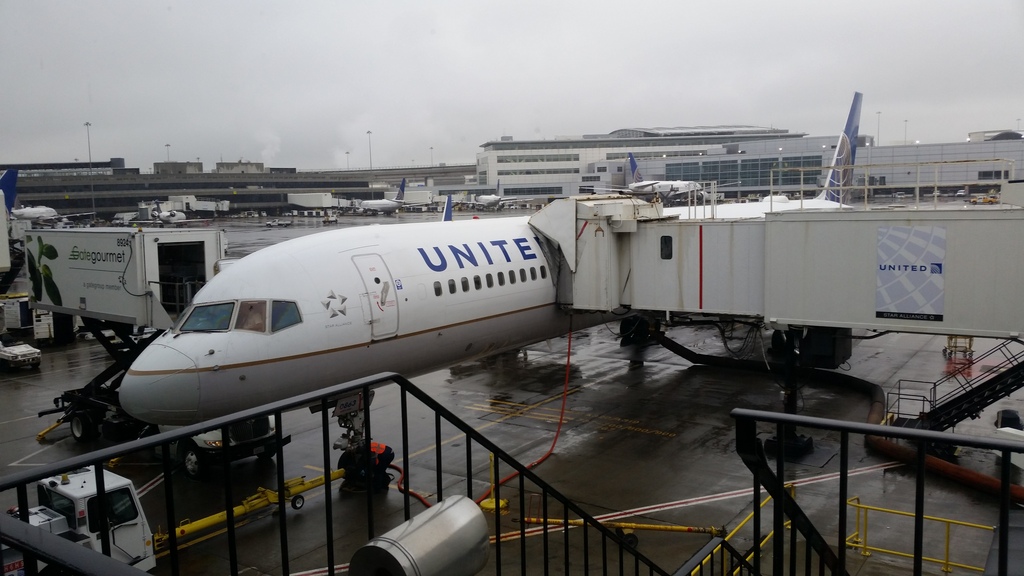
What Happened On That United Baseball Charter?

Rockies hitting coach Hensley Meulens was filmed in the left seat while the plane was flying at around 35,000 feet. The cockpit door was open and people were moving in and out. Rockies manager Bud Black later said Meulens apologized to the team and to United, and that his job was not in jeopardy.

United called it a clear violation of safety and operational policy, reported it to the FAA, and suspended the pilots. The FAA confirmed it was investigating the violation of federal rules.

One Mile at a Time writes that the captain had gone to the restroom, and while she was out, the coach entered the cockpit and sat in her seat. After the flight, she filed a Flight Safety Action Program. The Event Review Committee allegedly accepted the report but then the FAA is claimed to have replaced its committee member and then the report was excluded on the theory that the coach had consumed alcohol (FSAP reports aren’t for when a pilot was drinking). Both pilots were terminated.

AIR21 is the whistleblower statute for air carrier safety reporting. It protects employees who provide information about alleged violations of FAA rules but it does not create blanket immunity for the conduct that’s reported. So the disputes become about whether a protected report was a factor in being fired, or whether the airline would have taken the same action anyway.

Former pilot and activist Karlene Petitt says the hearing is scheduled for May 19–21, 2026 in Denver.

What’s The Larger Issue?

The coach sitting in the captain’s seat was a violation of FAA rules. Who was responsible? Was it the captain, the first officer, the airline’s charter culture, or a failure of United management? Or was it an allocation acros these categories?

Petitt argues this is about United’s charter culture: cockpit doors left open on sports charters, coaches visiting flight decks, and United tolerating that until the viral video created regulatory embarrassment. In other words, her position is that the pilots were scapegoated.

At the time, United was under heightened FAA scrutiny after a series of several safety incidents. The FAA ended that enhanced oversight in October 2024 after finding no significant safety issues. But a 2026 DOT inspector general audit criticized FAA oversight of United (“no systemic issue” is not the sameas “no oversight weaknesses”).

It’s also awkward that the coach apologized and kept his job, while the pilots were fired. The pilots were the fall guys, but they were also responsible.
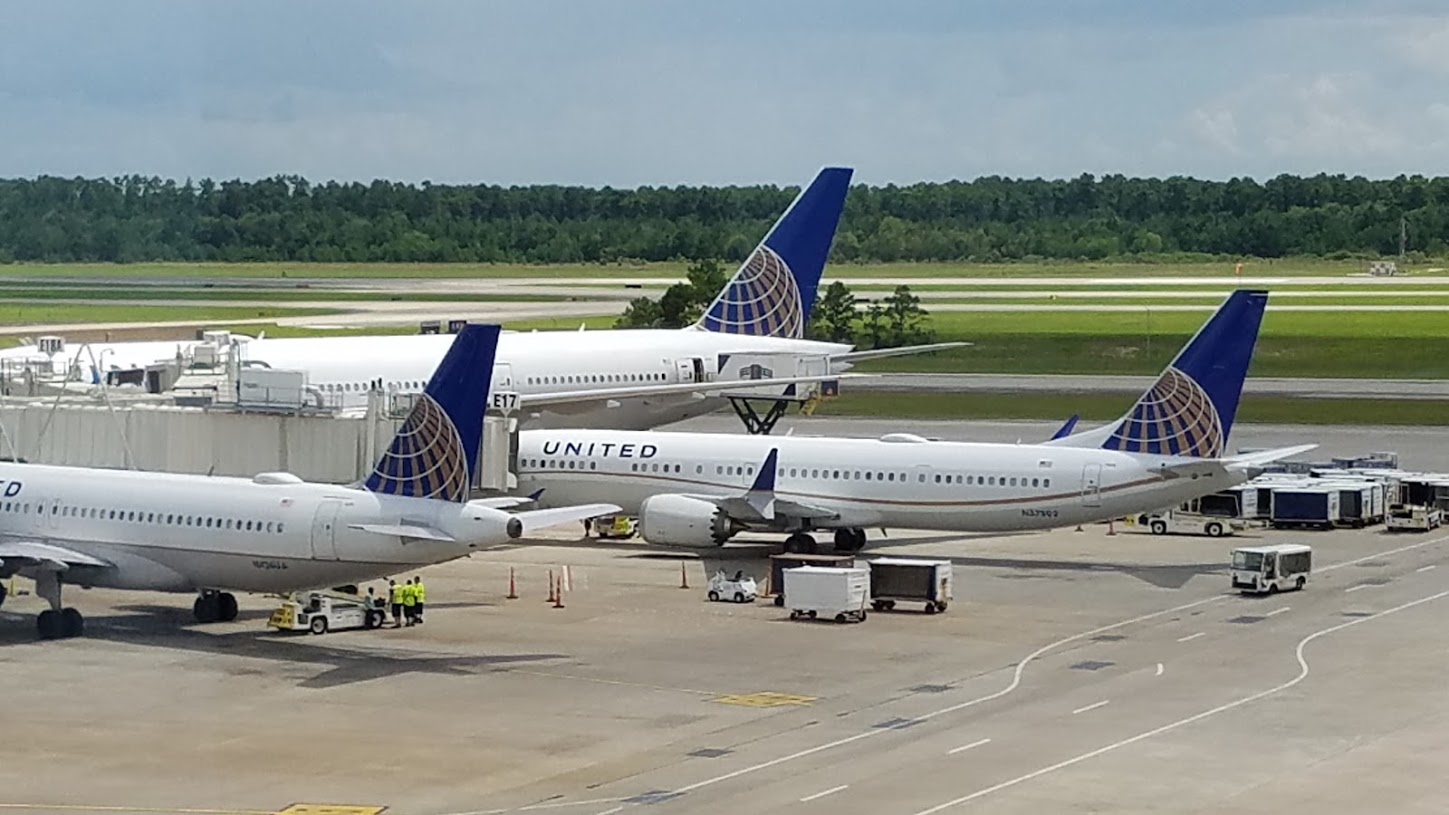
There Have Been A Number Of Safety Allegations At United

I mentioned this cockpit incident when it happened two years ago, flagging that United and FAA were investigating how a passenger gained access to the cockpit of a United 757.

I also covered a former United Airlines Managing Director who alleged he raised safety concerns about aircraft-readiness data and was fired for it, an FAA inspector claiming retaliation after reporting a cabin safety issue at United, and a United flight attendant who said she was harassed and removed from duties after reporting safety violations. Two flight attendant union leaders also appear to have retaliated against a crewmember who had raised a safety concern.

There are versions of each story that reflect better on the airline, and there are always going to be complaints in a large organization, but taken together it’s also concerning.
I Think I’m Actually With United Here – Unless The Pilot Proves Several Things

Discipline of a captain for a documented, viral, flight deck security breach on a flight isn’t unreasonable. United didn’t learn about the problem only because the captain reported it. The video was public. The FAA was involved. And a player says the captain was aware of what was going on in the cockpit.

The captain’s temporary absence from the cockpit could be considered mitigation, not exoneration. Both the pilot in command and the first officer had responsibility for ensuring cockpit access procedures, lavatory procedures, and flight deck door security. Whistleblower protection doesn’t create immunity for reported incidents. It doesn’t bar consequences the airline would have imposed anyway for the underlying event.

In spring 2024, United was already under FAA scrutiny. Once a video showed a baseball coach in the cockpit during flight, the airline had to treat it seriously. That’s consistent with compliance culture, not just retaliation.

So the question is whether the captain can prove:

  • Lax approach to open cockpit doors was tolerated by management
  • Other charter flights had similar practices without discipline
  • The Flight Safety Action Program process was manipulated

In other words, what to think about the captain’s firing comes down to records and evidence, which may come out this week, not just the allegations that have been reported.


About Gary Leff

Gary Leff is one of the foremost experts in the field of miles, points, and frequent business travel - a topic he has covered since 2002. Co-founder of frequent flyer community InsideFlyer.com, emcee of the Freddie Awards, and named one of the "World's Top Travel Experts" by Conde' Nast Traveler (2010-Present) Gary has been a guest on most major news media, profiled in several top print publications, and published broadly on the topic of consumer loyalty. More About Gary »

More articles by Gary Leff »

Comments

  1. I imagine we’ll see all charters move to the same cockpit entry and presence procedures used during scheduled flights now.

  2. Add in a dead body and this sounds like a great “ripped from the headlines” episode of Law & Order.

  3. Gary siding with corporations over workers… classic View from the Right Wing.

    Not a great era for whistleblowers. Ask those folks at Boeing…

  4. She left the door open, I think that’s the logic for her firing.

    You blow the whistle for one violation, it doesn’t protect you from another violation.

    Her biggest problem is that she thinks leaving the door open is okay, even when she’s reporting the coach sitting on her seat. To her, the only violation is a man sitting on her seat.

  5. @Creditian

    Taking accountability/responsibility is like kryptonite to a woman.

  6. Yeah I flew a ton of sports charters at UA and we never left the cockpit door open…that’s just stupid if it is found true. The Capt has overall control of the cockpit and adherence to procedures. UA does bend over backwards for sports charters and we were told to cater to them. The question is whether or not this is Part 91 or part 121. A charter is paid for by a private client, in this case a baseball team. That would ostensively make it a part 91 flight but not completely as we still had to comply with a number of Part 121 procedures. Part 121 is flying the general public for hire, not a specific client. A Client pays for everything and has a certain liberty to do as they please up to a point. Where that point is is debatable in some situations. I would have allowed a team owner or a team manager up and stick their nose into the cockpit but would not have ever allowed them into the flight deck seat normally occupied by a qualified pilot. Perhaps have them sit on a Jumpseat but that pushing it and that would be the limit. There was no push by UA to apply part 121 rules and it was implied we would treat it as a part 91 flight for how the “inside the tube” rules were applied. We are taking about a coach on the team and not some random general public passenger so it’s grey area at best. Firing pilots over this is a huge reach and the FAA changing the FSAP rules midstream is the larger issue. ALPA needs to get off its ass and fight this on the behalf of the pilots. ULTIMATELY Nobody lost their life over this “mistake”

  7. I respectfully disagree with 1990. It is not a corporation vs employee issue. This is a tough one. YES…the coach sitting in the seat is a violation of FAA rules. Someone took pictures and posted them! So, there’s no question that the coach was in a “command” seat! Although a charter flight, it operates under FAR Part 121, not FAR Part 135 or FAR Part 91. In my mind, who said, “Yeah…have a seat!” If the captain (or FO) went to the bathroom, unless there was an authorized JSA in the cockpit, a flight attendant must come forward. If, after the captain left, the FO said, “Yeah, have a seat.” Then the FO violated the law and he/she should be fired and sanctioned for an intentional violation of the FAR’s. If the captain said, “Yeah, have a seat, I’ll be back in a minute” and the FO didn’t say anything to stop it (“CRM 101”), then BOTH should be fired. An aviation law judge will determine the outcome. This is not a “self reporting” of a mistake, this is a self reporting of an intentional violation of the FARs under the guise of covering their ass under ASAP.

  8. This is the Rockies we’re talking about here. Knowing their infamously cheap and inept ownership, I’m surprised they don’t travel via bus.

  9. 1. Tax payer paid Air Force Training. Salary up to 600,000 USD/year.

    2. Self reporting is standard on government contracts and many other jobs.

    3. Walter Barry critique is excellent.

  10. Hopefully, the United Airlines flight attendants gave the Colorado Rockies baseball coach his complimentary plastic “wings”—because if anything screams “ready to command an aircraft,” it’s a grown man proudly sporting glittery pins, a sticker, and a coloring book while at the controls. Maybe they even threw in some apple juice, some bonus MileagePlus miles, and a participation certificate, just in case the turbulence got scary.

  11. Sorry, but the whistle blowing on one’s self does not exonerate the lack of responsibility and accountability that it took to , 1) Leave the cockpit door open sans either of the Captain or co-pilot being present and 2) thinking owning up to it makes everything alright.

    What in the world could they have been thinking!

  12. It occurred under the captain’s command. The only way she possibly gets around that is if she took action to remedy the situation as soon as she became aware of it. If evidence shows she played it all cool while the event was ongoing, only to report it later…which I suspect is what happened-she’s cooked. You can’t create conditions for a safety incident/fail to take required action when you become aware of one and then try to hide behind whistleblower protections to escape accountability for your own actions.

  13. @Walter Barry — Overt misogyny. You really must be one of the Trolls from Olgino, or just a useful idiot.

  14. The solution is simple, but requires having principles, which is why most people will never grasp it. Apply property rights, and the answer is obvious. Who owns the job?

    Next!

  15. @Mike P — Ugh. More of your sovereign-citizen stuff…. Always defending capital over labor, ignoring the realities of modern commercial aviation. Pilots need to be able to report critical safety failures without fear of corporate retribution. This has nothing to do with property rights, not should it ever.

  16. Thanks, 1990, for proving my point; you’re exactly the type of person I was referencing in my previous post. Your lack of principles are on display constantly. Also, as usual, you’ve offered a red herring. My post had nothing to do with the actions of the pilot or the “safety” issue, it only pertained to the decision about the worker’s employment.

  17. @Mike P — Nice try. The safety issue is inseparable from the employment issue in an AIR21 whistleblower case. The legal hearing (taking place today) exists exclusively to determine if the employment decision was an illegal retaliation for the safety report. May it was; maybe it wasn’t. They’ll figure it out.

    Sure, you’d prefer none of that ‘process’ or independent review exist. I get it. And, I still think that’s an absurd take to have. If we did live in your dystopian society governed strictly by absolute property rights, United would ‘own’ the job, and they could fire the captain for any reason, even on a whim, even for an unfair, spiteful, retaliatory, or discriminatory reason, and, under your cruel world, a judge would have no right to intervene. So, yet again, you’re the one actually attempting red herrings by inserting extreme libertarian garbage where there is none to be had here.

    So, you can thank you all you wish, but it is I who “accept your surrender.” And, we’ll see soon what this hearing amounts to, if anything. Would be nice Gary actually followed up on it afterwards.

  18. “It doesn’t bar consequences the airline would have imposed anyway for the underlying event.”

    Actually, Gary, you’re wrong. The FSAP program does exactly that. In fact, that’s the point of a reporting system.

    When you disclose a safety issue, even when you’re involved, you’re protected from discipline. Without that protection, disclosures and reports would be few and far between and safety issues would get swept under the rug. There are exceptions to receiving immunity from discipline (two are when alcohol is involved, or when regulations are knowingly and intentionally violated).

    The allegation in this case is that the Captain returned from the lav to discover the coach in the flight deck, which she says was the latest escalation of the continuing, lax culture allowed by United Management and the charter coordination teams on charter flights. (And, no, the Captain couldn’t have “left the flight deck door open” to get in the lav. The lav is immediately behind the flight deck door, and both hinge from the same side. Meaning, opening the flight deck door pushes the lav door closed, and vice versa. When she went into the lav, opening that door would have swung the flight deck door closed.)

    The Captain submitted an FSAP report about it. Submitted reports are reviewed by an “Event Review Committee” (ERC). The ERC determines if the FSAP report qualifies under the rules for disciplinary immunity and the committee consists of both pilot union and FAA representatives. The committee accepted the report (they all agreed unanimously that it meet the required conditions).

    The Captain’s allegation is that United violated the safety reporting process. After the extensive negative publicity, the company allegedly wanted the pilots fired, period… but the accepted FSAP report prevented it. So the company allegedly forced different members on the ERC, reopened the report, used the inclusion of a report of the coach having a drink (alcohol was mentioned) and then rejected the FSAP report because it included “alcohol” in the report. Incidentally, the rule that “alcohol bring included in a report means automatic rejection of the report” was intended to apply to a reporting PILOT’S use of alcohol, but this technicality was used to kill the report by the new committee members).

    Now, with a new, handpicked committee and a rejected report, discipline could be applied, and the Captain was fired.

    This alleged violation of the FAA approved safely program’s rules, to get a desired outcome, is the basis of the whistleblower claim. I’d wait until after the hearing to see if the Captain’s claim has any merit.

  19. @Danny – No, when an incident occurs that the airline knows about and is going to fire you for you can’t save your job by filing an FSAP report.

  20. “United would ‘own’ the job, and they could fire the captain for any reason, even on a whim, even for an unfair, spiteful, retaliatory, or discriminatory reason, and, under your cruel world, a judge would have no right to intervene.”

    Finally, you’ve figured it out. My position is the only principled one. Your ideology, like most everyone else’s, rests on whatever you deem appropriate or your “opinion”. Yes, it’s definitely a shame that the libertarian beliefs are based on strict principles, something you’re very unfamiliar with. Also, any relevance to the employment decision is only because the government has inserted itself in an area they don’t belong. I never made any comment on whether a investagation should take place relative to the “safety” issue; my only argument is that the employment decision should rest strictly between the employer and employee.

    Ironically, this thread perfectly illustrates my point. Most of the comments are from individuals parsing all the nuances of the case and arguing multiple positions, while ignoring the rights of the “job owner”.

  21. @Mike P — Your ‘principled’ world is one where a corporation has the absolute right to fire anyone for a discriminatory, spiteful, or retaliatory reason. Those principles being greed and cruelty. Yes, I read you clearly, and I couldn’t disagree more clearly, too.

    Thankfully, commercial aviation doesn’t operate in a libertarian vacuum. Airlines rely on public infrastructure, airspace, and federal subsidies. And, as the public welfare is involved, we do have guardrails, including courts like the one in Denver (this story) to adjudicate these disputes.

    We’ll see what the judge decides. Personally, I think Gary’s too quick to fault the pilot. United may want to scapegoat and move on, but there is real concern about protecting the system of reporting safety concerns without the threat of retaliation. I hope to see a better resolution, soon.

  22. Take everything Karlene Pettit says with 1000 grains of salt. If she was so concerned with Safety she would’ve told Delta to F’off and keep their money. But she took the $ and signed the NDA. Her super secret safety expose’ oF DAL never saw the light of day.

  23. Where was the FO? Should have immediately stopped the coach. Where was the Senior Steward? They are responsible for maintaining cockpit door closure.

  24. @Gary: “when an incident occurs that the airline knows about and is going to fire you for you can’t save your job by filing an FSAP report.”

    Wrong again. Pilots can, and do, save their jobs when they are involved in a career threatening event, but file an FSAP in a timely manner.

    The agreement United has with its pilots specifically says that pilots will not be disciplined for a safety issue in an FSAP filled by that pilot, if the FSAP is accepted by the ERC.

    FSAPs are excluded (rejected) for criminal activity, substance abuse/controlled substances, alcohol usage, intentional falsification of information, or intentional violations and/or reckless conduct.

    If an FSAP doesn’t disqualify because of any of the above, and is accepted by the ERC (which actually includes a pilot member, a company management member, and an FAA representative), the pilot cannot be disciplined. That’s how the safety program has always run, and with a company member on the ERC, pilots cannot run amok and exploit the program.

    Despite your claim, it is SPECIFICALLY designed to separate safety reports from any management discipline, to encourage participation and increase the number of candid reports.

    Again, the charge in the AIR21 hearing is that the company allegedly removed ERC members and replaced them with others who would rule differently, on a technicality, because the company allegedly didn’t like the fact that it couldn’t fire the Captain in this case, because they had an accepted FSAP report. Thus – change the ERC, review and reject the report, and then proceed with discipline and fire the Captain. And – according to the Captain – sweep a history of bending and breaking the rules to satisfy charter clients under the rug.

    If she falsified reports, or intentionally let the coach in the flight deck, she’s toast. However, if he went up while she was in the lav, then she reported it as a safety problem common on charters, and United bent the rules so they could fire her and hide safety violations on lucrative charter operations, she could have a strong case.

    None the less, I know pilots who saved their jobs because (timely, appropriate, and accepted) FSAPs were filled. That’s kind of what the program is for – help pilots point out safety concerns without concern for losing their jobs in the process.

  25. “Yes, I read you clearly, and I couldn’t disagree more clearly, too.”

    Which is your opinion, and doesn’t involve principles or facts. Two things you routinely avoid.

    “Airlines rely on public infrastructure, airspace, and federal subsidies.” Exactly, which only serves to bolster my position. Again, the government has inserted itself in areas it doesn’t belong. You can’t win the debate if you refuse to apply facts, logic, and principles to the issue. Your “opinions” are unconvincing.

  26. @Mike P — (Oh, so you’re trying to pull a Tim-Dunn…) No, your opinion is still just an opinion, and it’s a bad one.

    Now, if you think airlines can operate without public airspace… oof. Nope. You’re just not a serious person, Mike.

  27. Again, you offer nothing to refute my position. Your attempts at redirecting won’t sway the jury.

    Who owns the job? Take another shot at it.

  28. Sorry Danny: Filing an ASAP/FSAP to correct or exonerate one from an intentional violation of federal aviation regulations (FARs) will not protect you from prosecution or certificate action. As I indicated in a reply above, the case will be heard (most likely) by an administrative law judge. In my humble opinion, it will depend on who knew what and when, as I stated above.

  29. Respectfully, Danny, the fact that no one got hurt by “this mistake” is wrong. This was NOT a mistake…make no mistake about it! It was a flagrant violation of FAR Part 121.547 to begin with.. The aircraft could not be operated under FAR Part 91 since it was for hire. The flight could be operated under Part 135 IF the air carrier had a Part 135 operating permit for that aircraft. However, operating under Part 135 has different requirements that (like no ETOPS requirements) that would make compliance trying to operate under two sets of FARs expensive and confusing at best.

  30. @Mike P — Corporations are not private dictatorships. Airlines should not fire workers out of discrimination, spite, or retaliation against pilots who report safety risks. If corporate whim overrides protected safety disclosures pilots may cover up critical flight deck failures out of sheer self-preservation. Flying becomes less safe for everyone then. The guardrails exist because we decided passenger lives matter more than corporate egos. Let’s see if the judge agrees.

    Now, you keep demanding an answer to a theoretical trap. Yet again, this story still isn’t about abstract “ownership.” Control over payroll has limitations. And, if you’re in that rabbit-hole, the better question is: Who ‘owns’ you? Because all I see is you tirelessly carrying water for multi-billion-dollar corporations. You must realize who actually benefits from your absurd re-framing.

  31. @AirbusCFI

    Your either didn’t read, or didn’t understand, what I posted.

    I included intentional violations as a reason FSAPs are excluded and rejected.

    The assumption here is the Captain allowed the coach in the flight deck and seat (meaning it was intentional) The Captain’s assertion is she discovered him there upon returning from the lav, which was one of many common rules charter operations disregarded to please the charter customer. Meaning it was not intentional.

    FSAPs can, and do, keep pilots from getting fired when they report unintentional violations of the rules.

    And I said nothing about “nobody got hurt”. That was another poster, showing you got more wrong in the details. Not surprising.

  32. @Danny — Perhaps (hear me out) others do ‘read’ and ‘understand’ you, but merely ‘disagree.’ And, much of the time, it’s ‘okay’ to not ‘agree.’ See @Mike P and I. Bah!

  33. Danny: Thank you for the correction. You are correct as I did mistake another’s comment as yours. You are also correct, and I misspoke, “intentional” FSAP/ASAP’s are excluded.

Leave a Reply

Your email address will not be published. Required fields are marked *