
New York City Mayor Zohran Mamdani announced a new rule on Wednesday. It’s being reported that,
- “Hotel resort fees, surprise deposits and other so-called junk fees for lodgings are being banned in New York City,”
- It’s “a rule that applies everywhere, not just within city borders.”
Mayor Mamdani is banning so-called junk fees at NYC hotels — resort fees, surprise credit card holds, deposits, etc. New rule starts in a month. pic.twitter.com/TBiEgvKY3p
— Matthew Chayes (@chayesmatthew) January 21, 2026
Mamdani said,
I speak of the hidden fees that plague New Yorkers’ lives anytime they have the audacity to book a hotel room, not only when they’re in our city, but when they’re booking that room from here for wherever they’re traveling around the country.

Some hotels have fees to use the bathroom mirror, for streaming your own content on the in-room tv, an add-on to use the elevator and extra charges for paying with the hotel chain’s own credit card. Monsieur Thénardier would be proud!
While Mamdani’s administration sort of has the authority to do this, without legislation from the City Council even, this is not what is happening.
Instead, this is an all-in total price disclosure rule for hotel stays, plus mandatory disclosure of incidental holds and deposits, enforced as a deceptive trade practice under New York City’s consumer protection authority. Mamdani is simply saying that they consider this a deceptive practice. And it is still a proposed rule, not something that has gone into effect.
The City’s Department of Consumer and Worker Protection would make it a deceptive trade practice to offer, display, or advertise a hotel price without clearly and conspicuously disclosing the total price inclusive of mandatory fees (government taxes may be excluded). It also requires disclosure of:
- the purpose and amount of any fee excluded from the advertised total price and what it’s for
- the final amount the consumer must pay (as prominent as, or more prominent than, the total price), and
- any credit or debit card hold or deposit, and the amount, reason it is kept, and when it must be refunded.
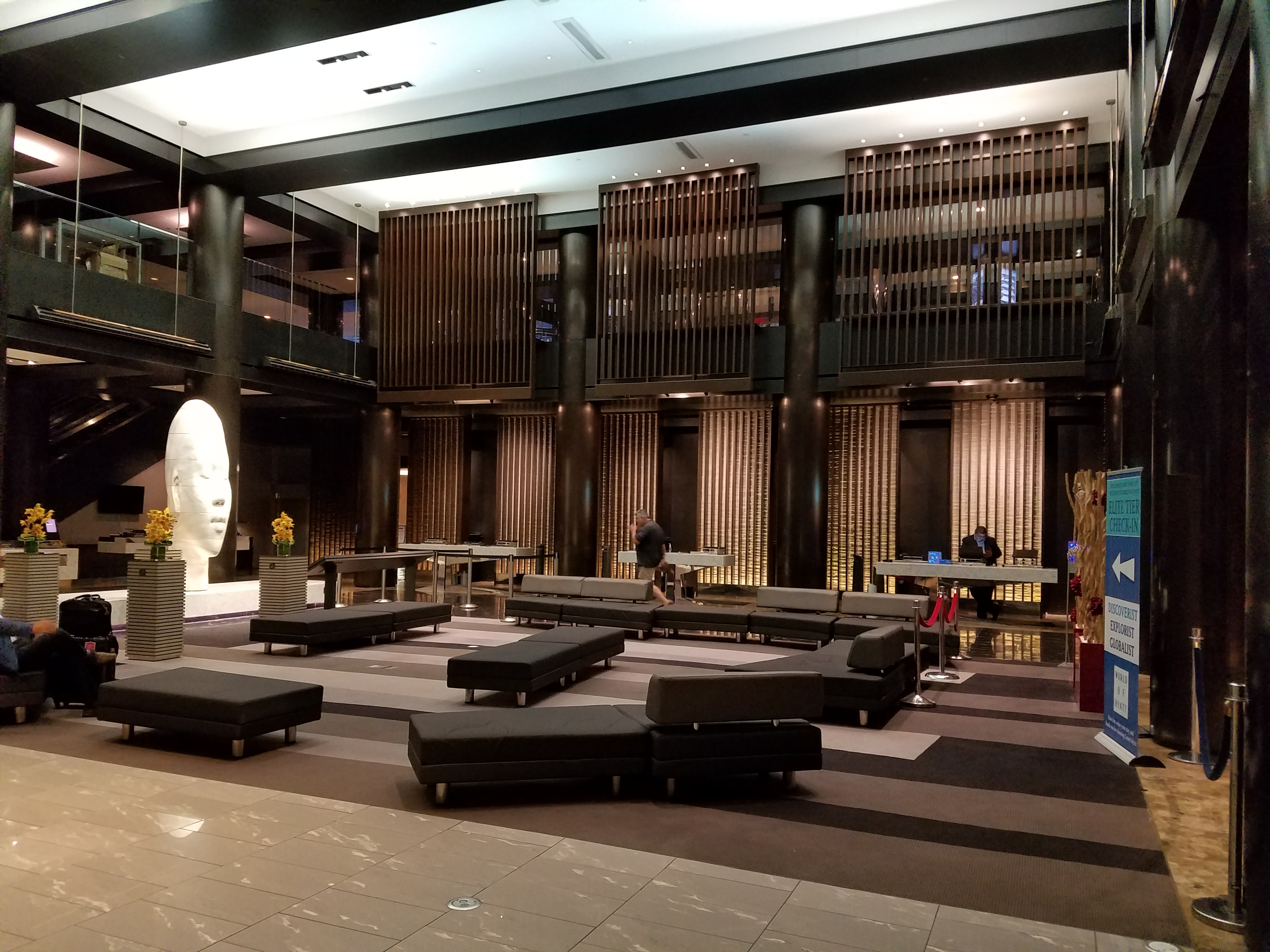
Here’s a Hilton, a Marriott, and an IHG property making up government fees, the first two are fees requiring the guest to pay the hotel’s property taxes while the latter is simply made up out of whole cloth. Misrepresenting the purpose of a fee will be banned!
Notably, this rule applies to all New York City hotels and for New York residents staying anywhere. The agency says they can fine anyone advertising a stay in a hotel to a New York City consumer. New York claims extraterritorial jurisdiction, including over online travel agencies and out of state hotels.
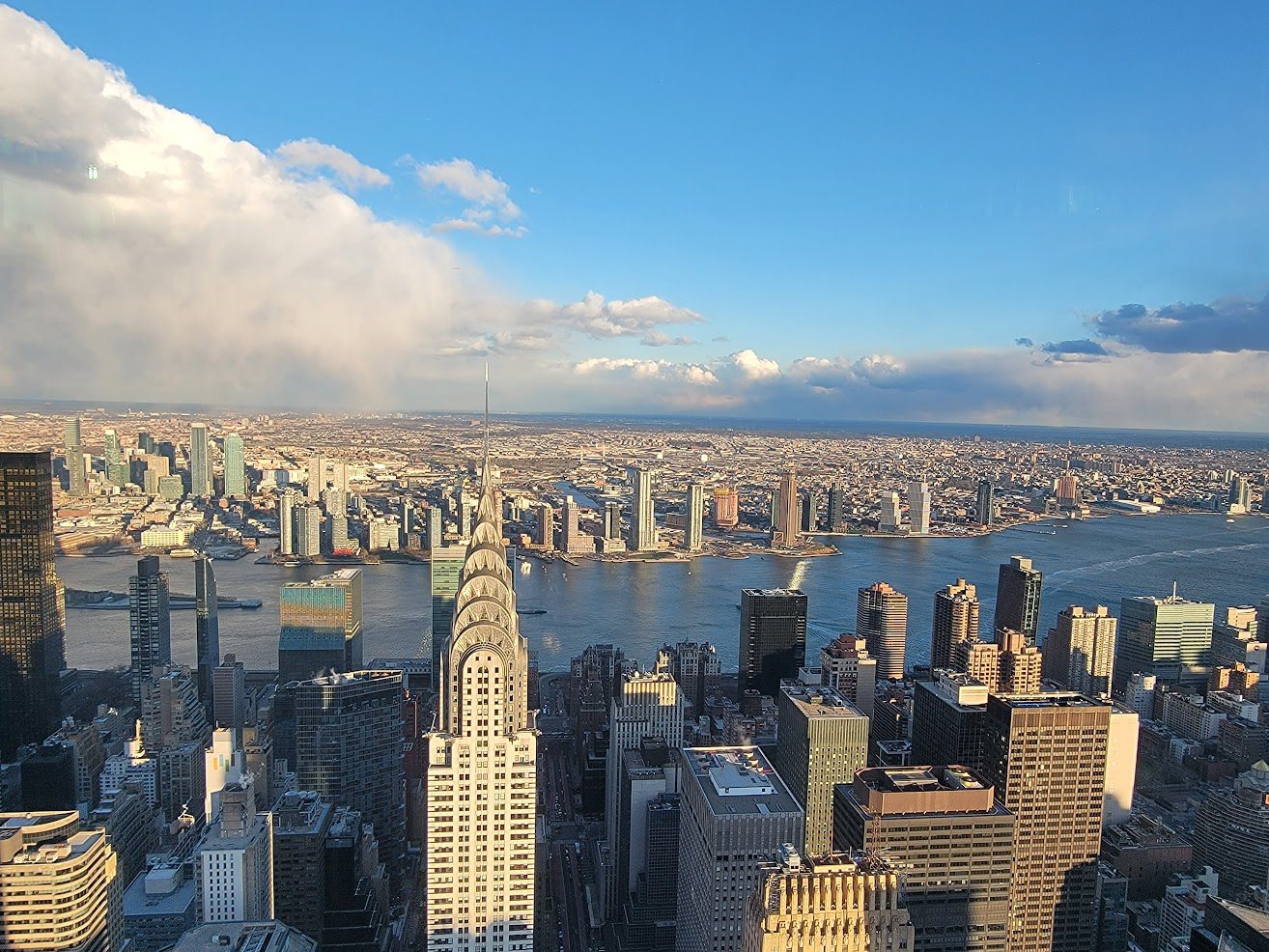
This has been in process long before the Mayor was elected. In fact, comments on it closed September 22, 2025. So isn’t even fair that it’s being attributed to him.
Furthermore, it might sound very familiar. It is basically the same rule that the federal government finalized a year ago, with added local fines and the addition of a hold and deposit disclosure requirement. That one item aside, any hotel or travel agency complying with federal rules also meets the New York City rules.
However, New York can generate additional revenue for violations (and might enforce when the FTC will not). They’ve proposed penalties of $525 for a first offense, $1,050 for a second offense, and $3,500 for third and subsequent offenses.



I can’t imagine this being upheld in federal court.
It looks like a textbook violation of the interstate commerce clause of the Constitution.
So so sad
would be devastated to not be ripped off anymore 😉
I’ve been so used to bending over all these years in NYC unless I had them waived
This is exactly how a no junk fee legislation should work. Government should not tell business what what prices to charge or what to charge for, or how to run their business but should mandate final pricing transparency so the free market can function and customers can make informed choices on how to spend their money.
If hotel A can innovate and come up with a better business mode that results in a better experience at a better price compared to hotel B then hotel B should be forced to compete to win back customers instead of using physiology tricks like drip pricing to keep their inferior business model working.
And for folks who argue resort fees are great because I dont have to pay them because of status well hotels can still easily provide discounts to loyal customers in the form of a $50 off *discount* instead of just not charging you a $50 resort fee they charge everyone else.
If fees that OTA charge on base rates are an issue then hotels should find a way to negotiate with the OTAs a better fee structure! That should not be the individual hotel guests problem!
Steve – need to reconsider. Courtesy of Google/AI: “Texas uses extraterritorial jurisdiction to apply its abortion bans beyond its borders, primarily through private lawsuits targeting those who aid or abet abortions for Texans, even if the procedure happens out-of-state, such as Texas’s law allowing suits against providers mailing abortion pills into the state or threats against firms covering travel for employees’ abortions.” Could the NY proposal to use its extraterritorial jurisdiction be a way of affecting the appeal over the Texas statute, warning the court not to expand a state’s powers into another state?
What a shame if a hotel no longer can charge me a mandatory incremental fee for the privilege of making local calls from the room telephone.
Was expecting more NYC/Mamdani-bashing, but I guess I’m just early.
@Steve — So, now you care about the Constitution? Time to enforce the emoluments clause.
Texas and Florida should come with a direct opposite law. If a hotel reservation is made by a Texas or Florida resident, they must put the junk fee price SMALLER or get a big fine. So websites would either need to screen NY vs. TX/FL or face fines from either NY or TX/FL
If a fee is for a portion of a tax, say a property tax, it should be auditable to make sure that the fee is of a proportional amount of that said tax. For instance, if the tax is a million a year and there are 100 similar rooms that get rented out on average 250 times a year then $40 would be reasonable amount.
Recently stayed at the Pendry in Chicago. I was quoted $520 for 2 nights, the final bill came to just over $700. The receipt totaled 7 lines of taxes and junk fees for each night. I disputed with Amex and was denied.
I’m here for the defense of hotel fee arguments.
Even as a free-market guy, I think such legislation makes sense. Hidden fees are an attempt at fraud and free-market folks (despite was the left thinks of us) don’t support fraud. Smart early move, but I’m not holding my breath in expectation of continued sanity.
“…but should mandate final pricing transparency so the free market can function…”
Nope, no contradiction there. Classic!
Not a Mamdani supporter. But eill give him props if this move comes to fruition.
Every city should enact a law like this.
Let’s just call them for what they are; bull$hit made up fees. Prior to 15-20 years ago, these fees didn’t really exist. Hotels started calling them “resort fees” or “destination fees” for items that were free or if I book at their more budget style hotel, think Hampton Inn or Fairfield, those same exact items are included in the nightly fee. Being forced to pay $25-$50 extra per night to have pool side towels, make local and 1800 calls from the hotel room, or a bottle of water, is nothing but forced crap that the consumer must pay. All these fees are, are a loophole for tax free revenue the hotels can collect.
@CMH Flier — Do you and @This comes to mind know each other? You’ve got the same “homeport.”
I don’t like the fee because it’s a rip off. However, anything this moron does will be smoke and mirrors but the sheep will never be smart enough to see this. Just look at millionaire Bernie Sanders.
I mean they’ve done it with porn sites…. show your ID before being able to access the booking engine?
Zohran HUSSEIN Mamdani is a Muslim communist. Anything he does is Muslim communism, so as a Christian capitalist, I want hotels to charge me more junk fees. I will demand the Marriott Times Square charge me a “Not a Muslim” fee, and a “I love capitalism” fee and a multiple fee surcharge the next time I visit.
Those proposed penalties can help pay for the free buses.
Freeee busses, trains and planes
@1990 Negative. I’ve been following this site for a while. Some of it is very useful travel hacks and promotions, a lot of it quickly becomes opinioned political junk with a sprinkle of travel information. I do enjoy reading your posts though. Calling things for what they are and backing it up.
We have had a similar rule in California for some time and it is great. for example when booking Vegas I can compare rates that include the fraudulent resort fees across different platforms and chains. NYC rule actually goes a step further by forcing them to include “taxes” as well.
I don’t know that this will result in reduced pricing but transparency is never a bad thing for consumers. And maybe it will encourage hotels to eliminate the fraudulent “destination” fees since they won’t be able to hid the true pricing. .
I’m not a supporter of Mamdani but this is about the first thing that he has done that I’m 100% on board with. Trump just proposed a very similar type of transparency dealing with healthcare and insurance costs. Finally, Republicans and Democrats are working toward a common goal.
@CMH Flier – That you, 1990? If not, gag a maggot. He backs up exactly nothing. Ever.
Does that mean I won’t have to pay a convention center tax on my hotel bill when I’m not using the convention center? How about extraneous tourism promotion taxes?