
Southwest’s recent Rapid Rewards devaluation wasn’t just a random squeeze—it appears tied directly to the airline’s new bag and seat fees and a renegotiated Chase co-brand deal. By allocating more of Chase’s partnership payments to “benefits” like checked bags and seat assignments (instead of future travel liability for points), Southwest can recognize more revenue immediately—and the points become worth less because less of that money is being “spent” on things other than flights.
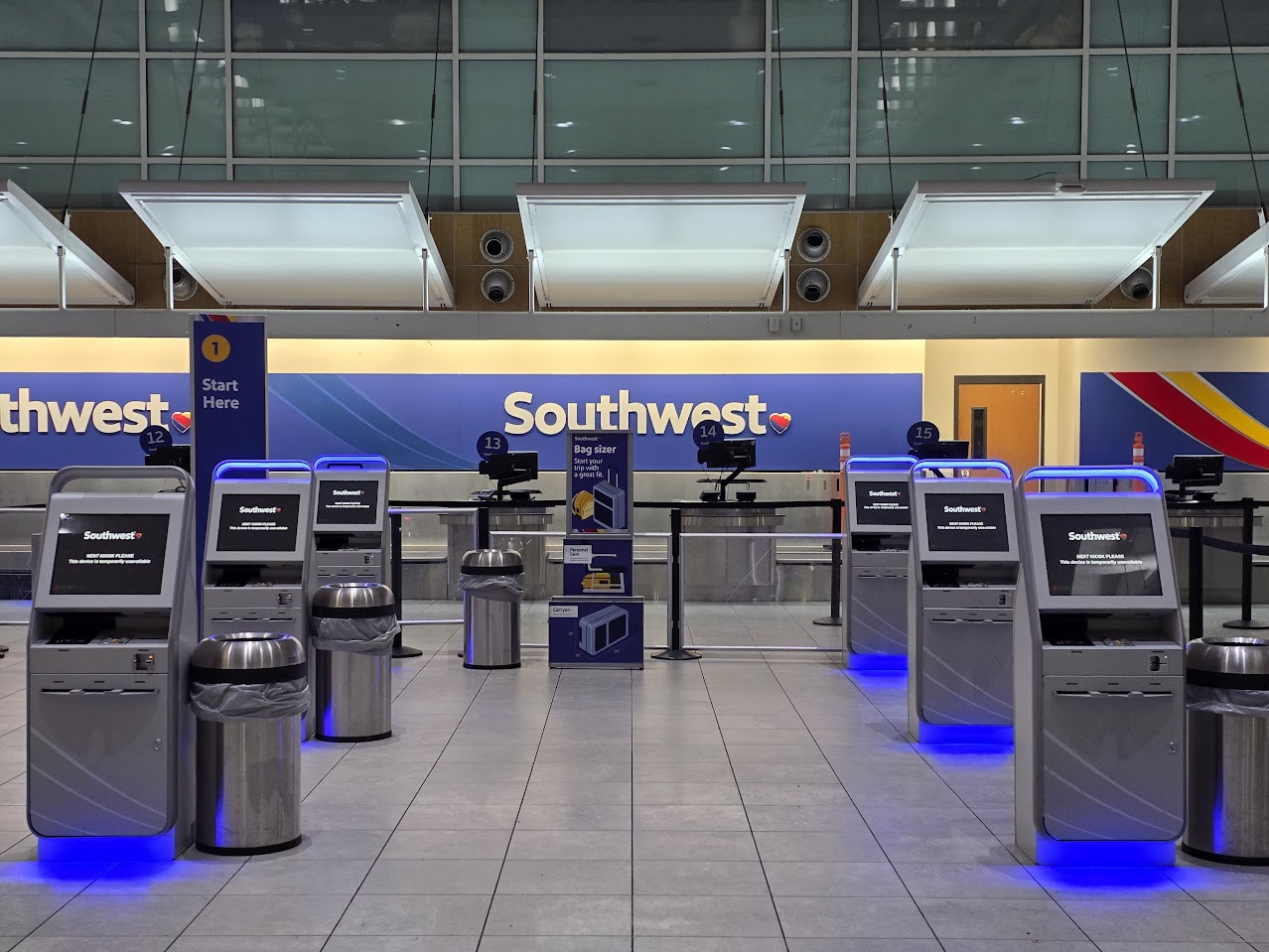
When Southwest Airlines came out with all of the changes to its product – like charging checked bag fees and seat assignment fees, expiring travel credits – they also devalued Rapid Rewards points. Each point would no longer go as far, on average, towards purchase of a ticket.
Now, it appears, the decision to reduce the value of their points was actually linked to the rest of the changes. They devalued the points because they were charging bag fees and seat fees, and not just because they were trying to squeeze their customers across the board.
Southwest renegotiated its Chase co-brand credit card agreements, and those credit cards now come with checked bag and seat benefits. To get closer to the experience Southwest used to be, you need their credit card.
However one interesting thing is that the fourth quarter of the year showed a lot of operating income growth compared to prior year, even though the airline was less profitable overall year-over-year. What’s different in the fourth quarter? Southwest disclosed in its earnings call that some of this amounts to revenue recognition games.
- Chase pays them for the partnership
- And that money used to pretty much go towards future travel that might be redeemed by their members (Chase was buying points)
- Now that they sell checked bags and seat assignments, and those are benefits of the credit card, Southwest can allocate some of the money to checked bags and seats – and away from future travel liability (points).
- This lets Southwest book more of the Chase revenue right away, rather holding it on their balance sheet until customers redeem their points.
As Chief Operating Officer Andrew Watterson explained in response to an analyst question,
[O]ne of the benefits that we have now is we have more differentiation in our product, and the ability to provide differentiation to, you know, those that are at different levels within the loyalty program, is that more of the revenue can be recognized. The loyalty revenue can be recognized sooner.
Whereas previously, we had to wait, you know, primarily the benefit that was derived from being in the program was when you would ultimately redeem points. Well, now, depending on your status, you have the ability to derive a benefit. You may book a flight paying cash tomorrow, where you have the ability, because of your status, to select a seat for free. You may have the ability to have a free bag or bags.
So those are benefits that can be derived sooner. So that differentiation that we have in our product offering now allows us to recognize more revenue sooner.
Southwest is receiving money from Chase, and recognizing it more right away rather than deferring recognition. The fourth quarter looks better than it did in the prior year at least in part because of this new way of recognizing more money from Chase sooner. During the call, the airline refused to say how much of its improvement in the fourth quarter is due solely to this accounting change, but we know that it was material.
Asked by an analyst, “I wonder if you would frame how many points of your 10 points in RASM growth is due to rev rec policy changes?” Chief Operating Officer Andrew Watterson said,
We haven’t quantified publicly what the change is there. You know, there’s a shift that goes, you know, where the split prior was, was part ATL, part other revenue. You know, now it’s part ATL, some to other revenue and some to passenger revenue. But the exact percentages there, you know, some of that relates to the way that our program is structured, and so we don’t get into the details of that.
Allocating more of the Chase money to bags and seats, and less to to the points, means they want those points to be worth less too. Checked bag fees and seat fees are part of an accounting shell game, with real consequences for devaluing the program – which actually makes spending on the cards less attractive. It’s borrowing from the future to make themselves look better today.
Other airlines allocate their credit card revenue between travel and benefits, too. But the accounting change explains some of the airline’s fourth quarter improvement, and they won’t tell us how much because they want it to seem like their actual strategies are working when there’s little evidence in the numbers for this.



Just because ‘Wall Street’ is happy doesn’t mean anyone else is. Short-term profits over everything really is the story of this era. Juice those numbers! Line must go up!
Gawd I sure do love accounting.
Makes turning lead into gold seem so uninspired
They do not have to share the formula they use any more than any other airline and their credit card partner does – but that doesn’t mean it isn’t real and isn’t something that hasn’t already been done in other forms elsewhere.
Just because Gary doesn’t understand the formula doesn’t mean it isn’t working.
@Tim Dunn — You gonna start defending WN on here and elsewhere? Maybe there is a merger in the works, after all…
The gouging continues to esculate as the bean counters at Southworst drive the corporate raiding.
No matter how you slice and dice it Southwest has become a high priced airline
With a number of egregious fees for baggage and seat assignments
I will never purchase a ticket again as long as I live due to the new expiration dates
Hope it all works out for them.I Simply cannot imagine paying a premium for this sub par flying experience and negative customer initiatives
Loyal WN Peeps wont pay for seats. they just wont especially for the crazy prices they are charging. They have not paid for 50 years and they wont start now. New flyers to WN will but not their core. It will flop. They are MORE expensive than AA and UA on many routes. Think about that for a moment. Really hard.
@Matthew — If they brought back those honey-roasted peanuts, just for ole time sake, I think they might rope a few folks back in…
Look at how much money Amex paid Delta last year , and how much they made in profits. You don’t need to have an accounting degree to realize none of the big four airlines made money from flying passengers.
John
Points have already been devalued. It’s unusual these days to redeem an award flight at less than about 100 points per dollar of pretax fare. A year ago it was a flat 83 points per dollar. This is a 20 percent increase in cost. Typically you do slightly better redeeming cash plus points.
“Loyal WN Peeps wont pay for seats. they just wont especially for the crazy prices they are charging. They have not paid for 50 years and they wont start now.” Didn’t loyal WN pax pay up to $150 per segment to buy A1-15 assignments or early checkin? I imagine these folks are very pleased they can pay the same or less and be guaranteed the seat they want. You buy A13 only to enter a plane where all the best seats are occupied by pre-boarders or that A9 guy who’s reserving a dozen seats for his friends/family with C assignments.
What really matters is cash flow as net income has all kinds of gimmicks, “special charges”, non cash items and accounting games.
@John Shelly gets it. As I’ve been saying to Tim, Delta isn’t winning for any reason other than it got lucky with Amex, while AA and UA and the others didn’t with Citi and Chase (and Barclays), etc.
I feel like a follow up should have been “I realize that you haven’t quantified that change, but if your improvement in operating results is in significant part due to a change in accounting practices, wouldn’t you say that disclosing that amount would be material for most investors?”
What really matters is that the seat-cheaters don’t get to do that anymore. I’m referring to all the cheap-o’s, stealers, etc that paid for 1 family member to board in the A-group, who then spreads coats & bags in 5 adjacent seats for his family members in the C-group.
Time to pay up, lowlifes.
Southwest is dead; viva Southwest. One of the next headlines will express the “frustration” of Southwest’s impending merger…