
No airline U.S. airline has leaned into branding more than Delta, often obnoxiously and with ridiculous levels of absurdity.
They’re a little bit better than competitors in terms of reliability and friendliness though their long haul business class isn’t better and their seat pitch isn’t better and their IT isn’t better. (American’s business class seat on every widebody is better than what Delta offers on its Boeing 767s.)
Paul Graham makes an interesting point about brands, that we’ve moved into a historical era where brands matter more than the underlying companies or products.
- Brands started as signals of quality. Originally, a brand name told buyers that a product came from a known maker with a reputation to protect.
- Modern companies often don’t manufacture what they sell—they coordinate supply chains, contractors, and partners across the world. The brand becomes the stable identity tying it all together. Even airlines have regional carriers operating under their name.
- Ultimately the brand becomes the real company. In many industries the physical production is interchangeable, while the brand (Nike, Apple) is the main asset that creates value. Strong brands allow firms to outsource production, coordinate complex supply chains, and sell similar goods at huge price differences. Basic Comfort+ and basic business!
- Consumers increasingly buy identity, not just products. People choose brands partly for what they signal socially (status, taste, tribe), not just for functionality. It isn’t just schedule and price.
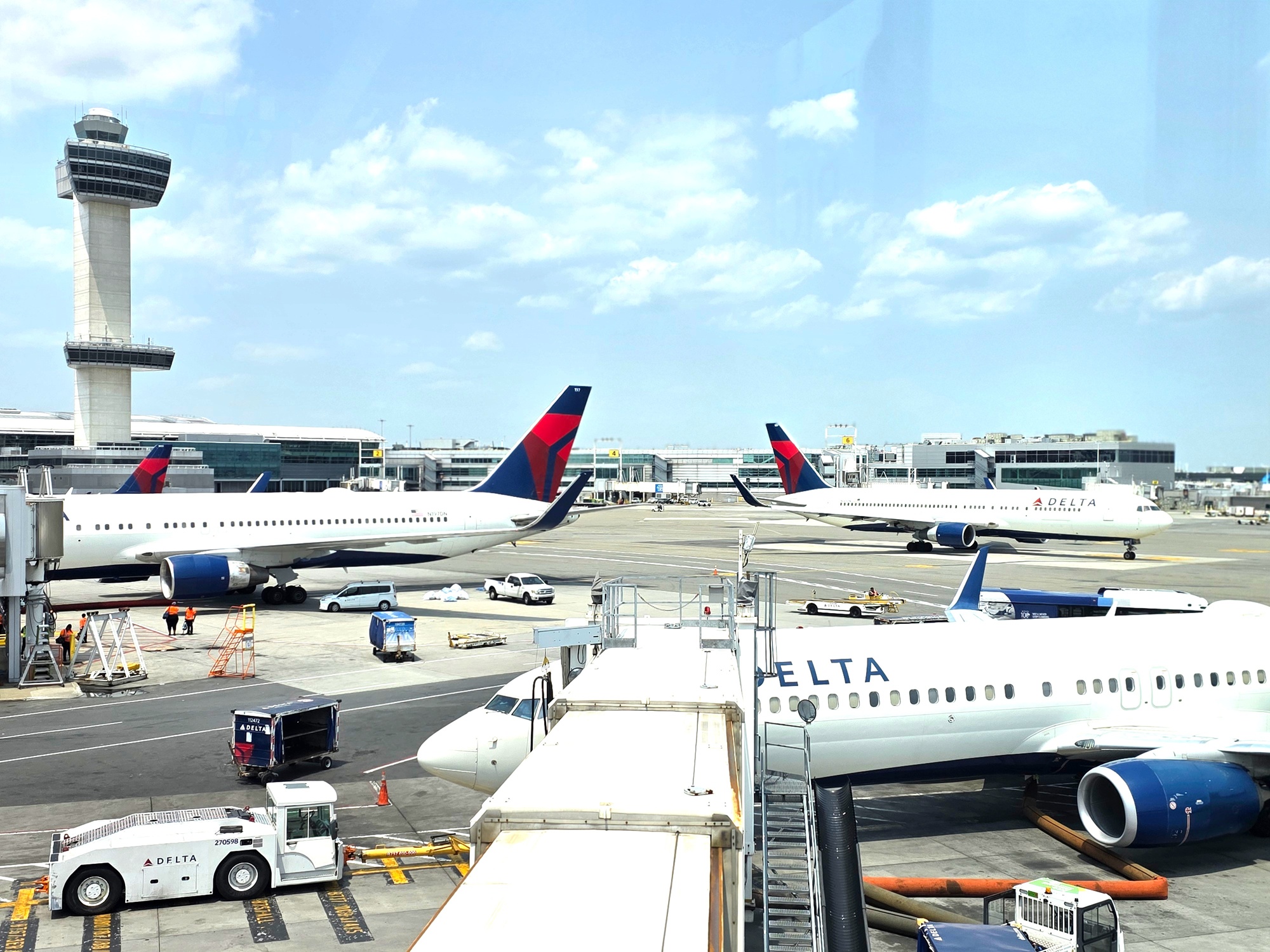
Delta realized this shift in consumer behavior a decade ago, when American Airlines was still focused on trying to compete with Spirit and Frontier over low fares despite their high cost base. Their efforts to ‘win New York’ and other markets have focused as much on messaging as on schedules. They’ve done sponsorships to become part of the local market there and in Seattle.
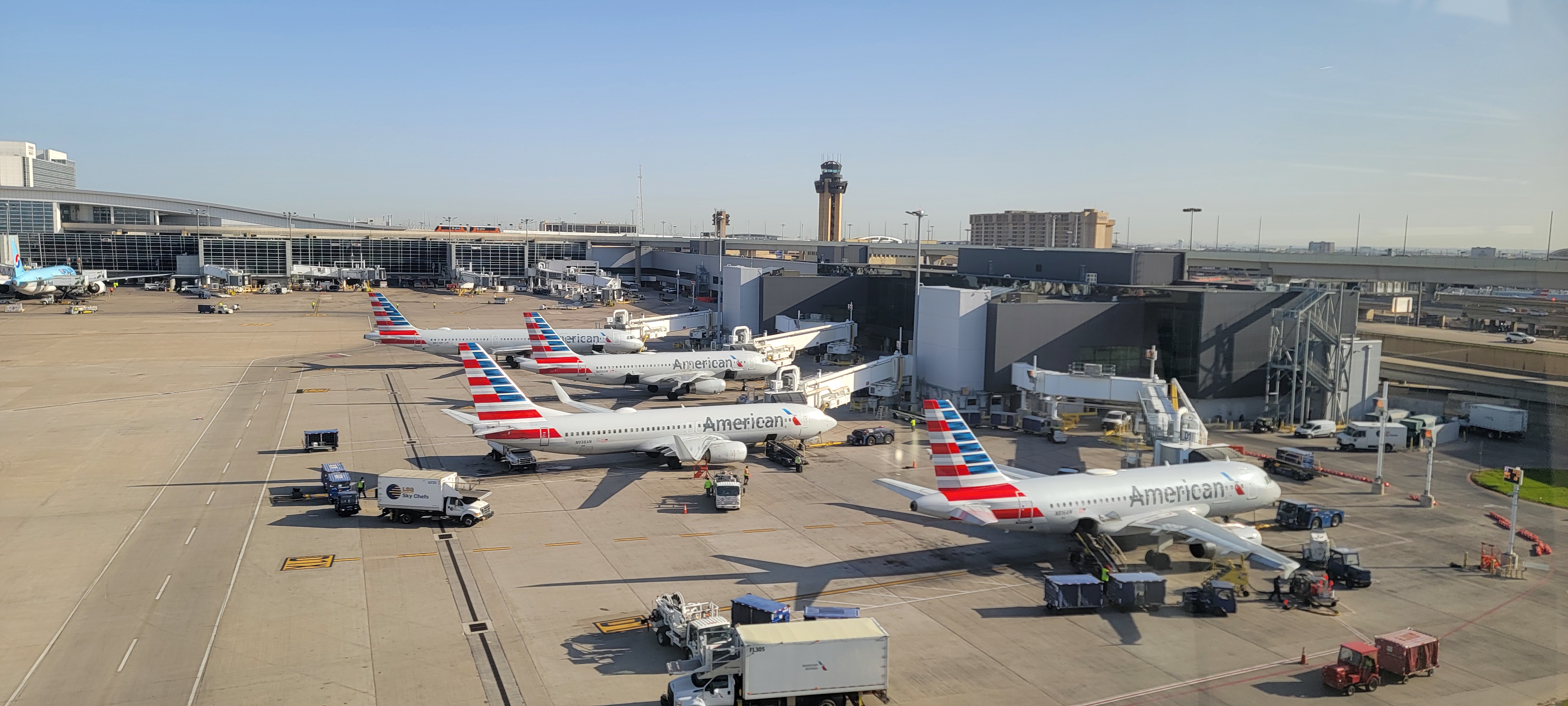
One of the key themes I’ve been offering over the last year, since American’s ‘premium pivot’, is that American needs more than a laundry list of imporvements like Bollinger champagne. They need a brand narrative which starts with the CEO simply explaining where they’re going, what their North Star is, and selling that to both customers and to employees.
Product and policy improvements need to be understood in a context, which is their brand narrative – where they’re going and what each decision means. They need to tell a premium story, not just make premium investments. And then that story helps guide decision-making as well.
Here’s why this matters:
- Loyalty revenue is high-margin, reported variously by Delta, United and American as ranging from 39% – 53%. American Express revenue for Delta is up to $8 billion. And Delta offers low value currency, but customers associate with the brand.
- Airlines report that premium unit revenue now outperforms main cabin. People aren’t just paying extra for square footage or the marginal cost of food. Successful carriers are monetizing preference and status.
American Airlines Chief Customer Officer Heather Garboden argues that one point of net promoter score improvement yields $50 million to $100 million in revenue. That’s important because prior to the airline’s ‘pivot to premium’ its net promoter score had collapsed.
Obviously airline operations matter, you have to get the substance right in order to have a premium brand first. But it’s important to tell the brand story, too. That’s not just committing to ads. It’s been awhile since we have seen a big American Airlines ad budget (they do run targeted ads in social media). The campaigns this management has done have fallen flat because they failed to promote a clear vision of who the company is trying to be, other than perhaps (in 2016) the one that most disappoints the greatest flyers.
This 2014 Delta ad actually makes me cry. Delta got you home because it matters.
Their Donald Sutherland ads were great, though not quite as good as Gene Hackman was for United in the late 80s (listen to him close this ad from 1990). And was there ever a better ad than this one solidifying Delta as the carrier for the consultant class and entrepreneurs?
A story of who you are and who you are trying to become matters, as a way of customers understanding you. It only works when that story is clarifying for the company as well, and gives them a frame for how they make decisions. A brand is not just marketing! It’s something that Singapore Airlines understands well.
In 2004 American ran a series of ‘We Know Why You Fly’ commercials. They weren’t great, and it was a tough time for the airline. But one spot stood out. A premium cabin passenger was flying home from Japan after marathon business meetings and socializing, and he was half asleep slumping into the seat – finally able to relax, now that American was bringing him home. That was their customer. It should have been clarifying, where every decision gets made around delivering for (in this case, and at that time) ‘him’.
American should probably run ads again, just to force themselves to answer the question ‘who is our customer’ and to show that to employees.



Some of the image is real and some of it is fluff albeit fluff can sell. Delta might have IFE on most of it’s narrowbodies (except for maybe the 717s) but is also pioneering the basic economy strategy in premium cabins. After you paid for an upgrade or purchased first to find out it’s another $50-$100 bucks for a seat assignment.
The difference in within operations and operational efficiency and recovery. AA took the road of the ULCCs. You got a cheap fare so forget about us figuring out how to get you to your destination on time or communicating to you about delays. You paid $39 for your seat. You will get there when you get there.
Look at the US3 and all considered the hard product is about the same. The seats are nearly the same. The meals are the same. The clubs are about the same. All three have varying degrees of crew.
No, Gary, brands mean nothing. Reliability, consistency, resolution. That means something. DL, AA, UA, B6 and the rest win some, lose some.
Let’s be clear: We’re living in the age of monsters. The most corrupt, selfish, stupid, and violent appear to be winning, lest we do something about it.
“The thing of it is… we really did have everything, didn’t we? …I mean, when ya think about it…” (Don’t Look Up)
I think Delta has lost some of its edge. It’s still marginally better than its competitors, but not dramatically so. That said, they’ve built an extremely loyal following and a strong reputation as the “nice” airline to fly, even though they’re often more expensive. 767 business class is definitely one of the areas they’ve lost their edge (in addition to being less innovation, slightly worse service, and reliability declines)
To call out your comment on seat pitch (at least in domestic economy) Delta still has higher average pitch seat pitch narrow-body economy.. On average, Delta offers slightly more pitch than United or American. Many aircraft and rows still have 31 inches of pitch, although some of that advantage has eroded as more seats have been converted to Delta Comfort.
interesting
The 717 is an interesting situation. From a passenger tech perspective it’s not the most modern aircraft, but it’s still a mainline plane and often serves as an alternative to regional jets, which many travelers prefer.
Delta’s lounges are also meaningfully better than most competitors’. Beyond the hard product, Delta has been very effective at brand storytelling. They’ve created a strong halo effect around the brand, and until the last few years, I think the experience generally backed up that positioning.
I think the next couple of years will be important for them. The gap between Delta and the other major U.S. carriers has narrowed somewhat, partly because Delta has slipped a bit from its peak and partly because competitors have improved. If the experience doesn’t fully match the brand narrative, Delta may need to keep turning up the marketing volume or risk losing some of its perceived edge.
American had a strong brand in 1968 and 1980 but not in 2026.
You’ve been the CEO of how many airlines?
Not until Isom and the rest of the incredibly incompetent America West team are fired from American will things change for the better.
Ask ANY AA employee what the problem is brand wise or operationally. And they will tell you #1 is employee morale. It is in the gutter from the cockpit to baggage claim because of Isom and team. He is totally destroying the AA brand and company by his lack of leadership skills and total incompetence.
Again, ask ANY employee.
Delta & United aren’t good airlines, AA is just dog sh*t.
@DesertGhost – why are you incapable of making an actual argument (or identifying a single thing I’ve written that is incorrect), yet you still copy and paste the same comment ad nauseam? Thank you for reading everything that I write, however!
@Alex
“To call out your comment on seat pitch (at least in domestic economy) Delta still has higher average pitch seat pitch narrow-body economy.. On average, Delta offers slightly more pitch than United or American. ”
Just like many things Delta, 31″ seat pitch was something said they have, but they do not. 30″ is their default economy seat pitch. On most planes, Delta’s first class narrow body seat pitch is less than AA and United and ALWAYS on their bulkhead first class row — I’m always amazed Delta isn’t called out on this more.
Delta’s own website confirms that 30″ — the same as AA oasis and most UA planes — is the Delta economy default seat pitch and there are zero fleet plans to change it to their made up 31″ minimum number they’ve touted and lied about in the past.
https://www.delta.com/us/en/aircraft/overview
It was reported in Ad Age that AA is our for RFP and they are planning on dumping their current agency(which is good because they have sucked). I would really like AA to bring back the “Doing What we Do Best” once they start doing it again.