There’s a fascinating lawsuit by a passenger against JetBlue that tests where exclusive federal jurisdiction over airlines ends and state law begins.
The Airline Deregulation Act created a clear regime where there would be one national system regulating the airlines, with federal rules pre-empting what 50 states could do. That’s a card the airlines play whenever anyone wants to sue them, since state laws often require much higher duties of care than federal regulations do. But where does federal regulation begin and end on a trip? That’s actually still up for grabs.
Rose v. JetBlue Airways Corp., No. 1:25-cv-06496, in the Northern District of Illinois is an interesting test for this. Does the federal government have exclusive regulatory authority after the plane lands and taxis to the gate?

On May 31, 2024 Vivian Rose flew JetBlue flight 2311 from Boston to Chicago. She fell while disembarking when her rollaboard bag caught on something. She filed suit on June 11, 2025, and this week JetBlue was unable to get state law claims dismissed.
- JetBlue wanted the standard of care to come from federal regulations, not from Illinois common law. The federal standard is “careless or reckless” (14 C.F.R. § 91.13) while the plaintiff argues for Illinois’ “highest degree of care” or ordinary negligence.
In 2024, the 10th Circuit ruled in Bradshaw v. American Airlines that the federal “careless or reckless manner” standard preempted Oklahoma’s common-carrier standard in an in-flight emergency negligence case.
And JetBlue has a strong argument that federal regulations govern flight attendant positioning during deplaning and aircraft operations on airport surface areas used for boarding and deplaning. So they argue once you let Illinois apply a carrier-specific duty during deplaning, you invite the kind of state-by-state patchwork that federal aviation preemption is supposed to prevent.
- However, the plaintiff argues this is about post-landing deplaning, not inflight safety. Elassaad v. Independence Air (Third Circuit Court of Appeals) held that federal preemption applies to in-air safety. Once the plane has come to a complete stop at the destination, the crew’s oversight of passenger disembarkation is outside that area and the federal government has shown to “clear and manifest” intent to regulate safety during disembarkation after the plane had landed, taxied to the gate, opened the door, and most passengers had already deplaned.
Relying on Elassaad, the judge in Holmes v. United Airlines allowed claims by a passenger who slipped and fell on a metal ladder while deplaning since it had nothing to do with airline prices, routes, or services and nothing to do with in-flight safety. It was considered too remote from national aviation regulation to be preempted.
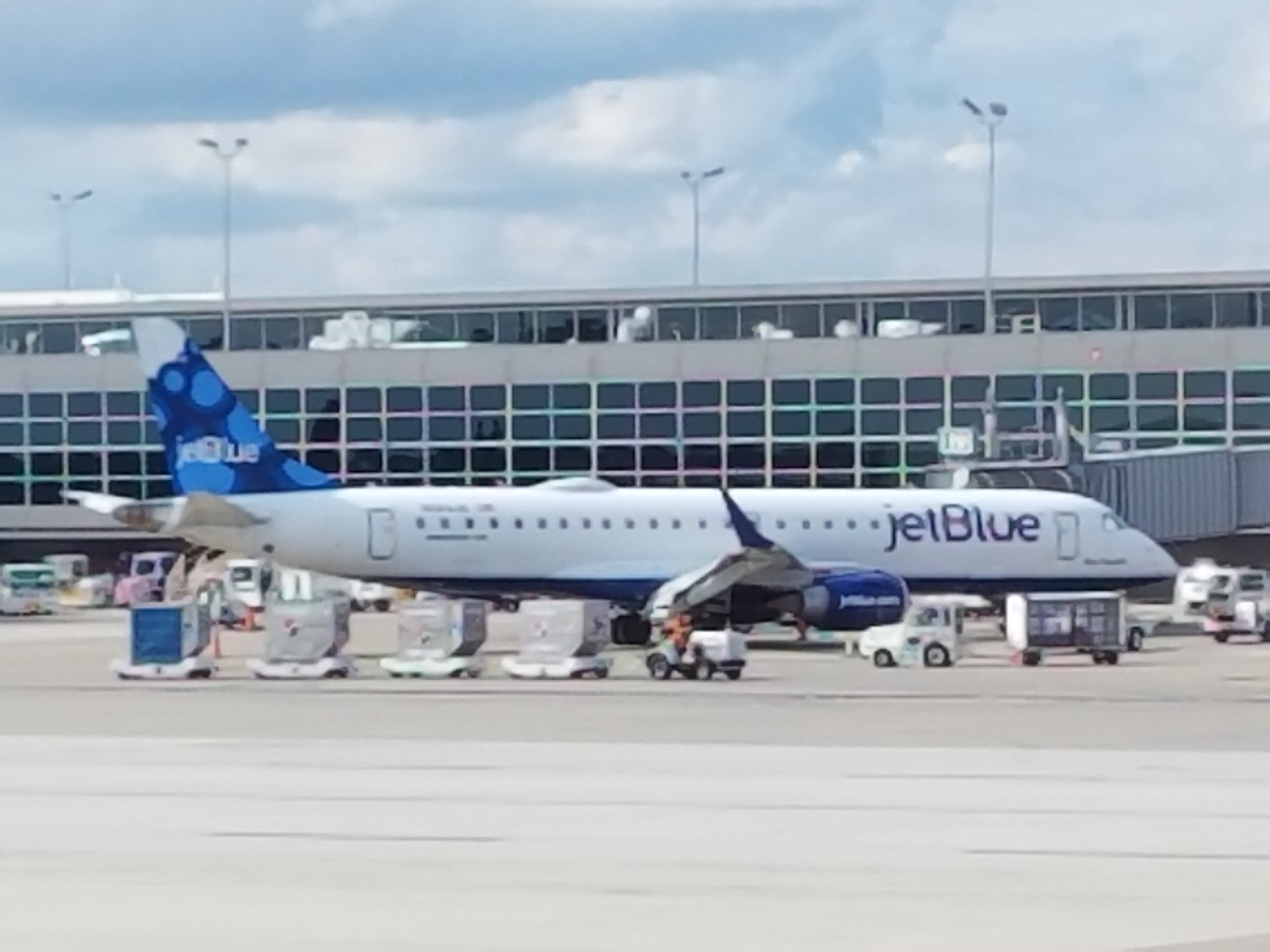
Basically, the judge in this case ruled that the federal standard or duty of care stops applying after the plane lands (and finishes taxiing, comes to a stop) and then the situtation becomes an ordinary post-landing deplaning negligence tort and not a case about the active operation of an aircraft.
Ultimately, the passenger here seems to win on preemption but JetBlue may win the case (if it doesn’t settle) because it’s not clear that they were actually negligent. The plaintiff allegedly fell during deplaning and her bag caught on something. But it’s hardly proven that JetBlue was at fault, or whether they had notice of the condition, whether the crew did anything wrong, whether the passenger had a medical condition that might have contributed. The passenger needs some smoking gun in discovery to help the case that JetBlue is actually to blame for their injury.



Leave a Reply