In 2012, at the Phoenix Aviation Symposium, Scott Kirby was still President of US Airways and he explained his airline’s recent decision to add Gogo inflight wifi to planes – years behind many other carriers.
He explained that they never were going to do wifi, because they didn’t believe they’d earn more money selling it to passengers. They wouldn’t cover the system’s costs. It wasn’t until they actually saw passengers choosing to book tickets on other airlines, where it was really clear in the data that they were losing passengers, that he changed his mind.
Long before Kirby became President and then CEO of United Airlines he was known as a spreadsheet guy, not a product guy, and not a brand guy. He tried to sell water at US Airways. He eliminated bonus miles as an elite benefit there. And when he moved to United, it first seemed like more of the same – cutting back on business class wine, eliminating meals from first class on many domestic flights.
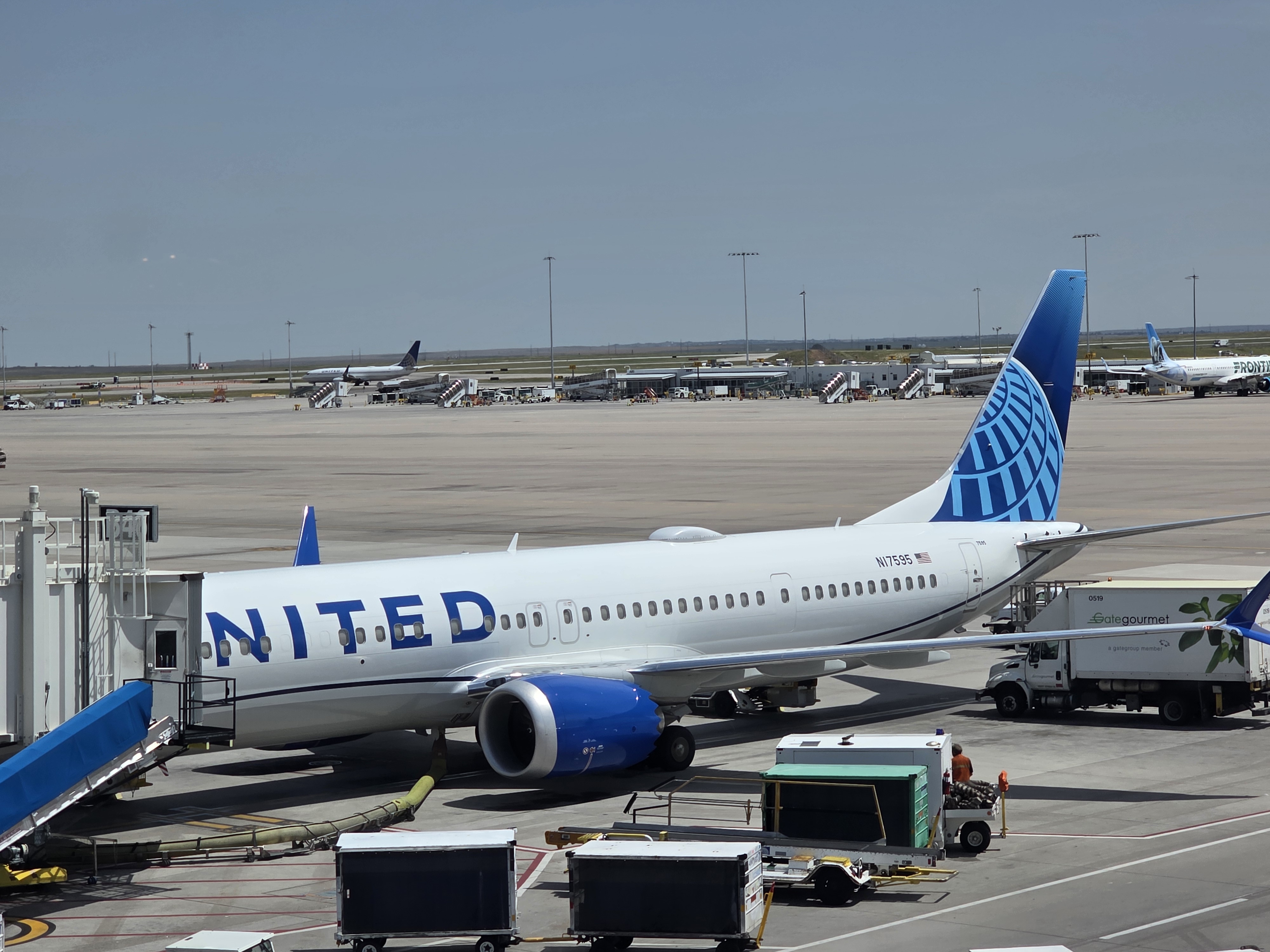
In 2019, United made DIRECTV free on existing-equipped 737s free (largely the old Continental DirecTV subfleet). I didn’t see this as moving in a premium direction at the time.
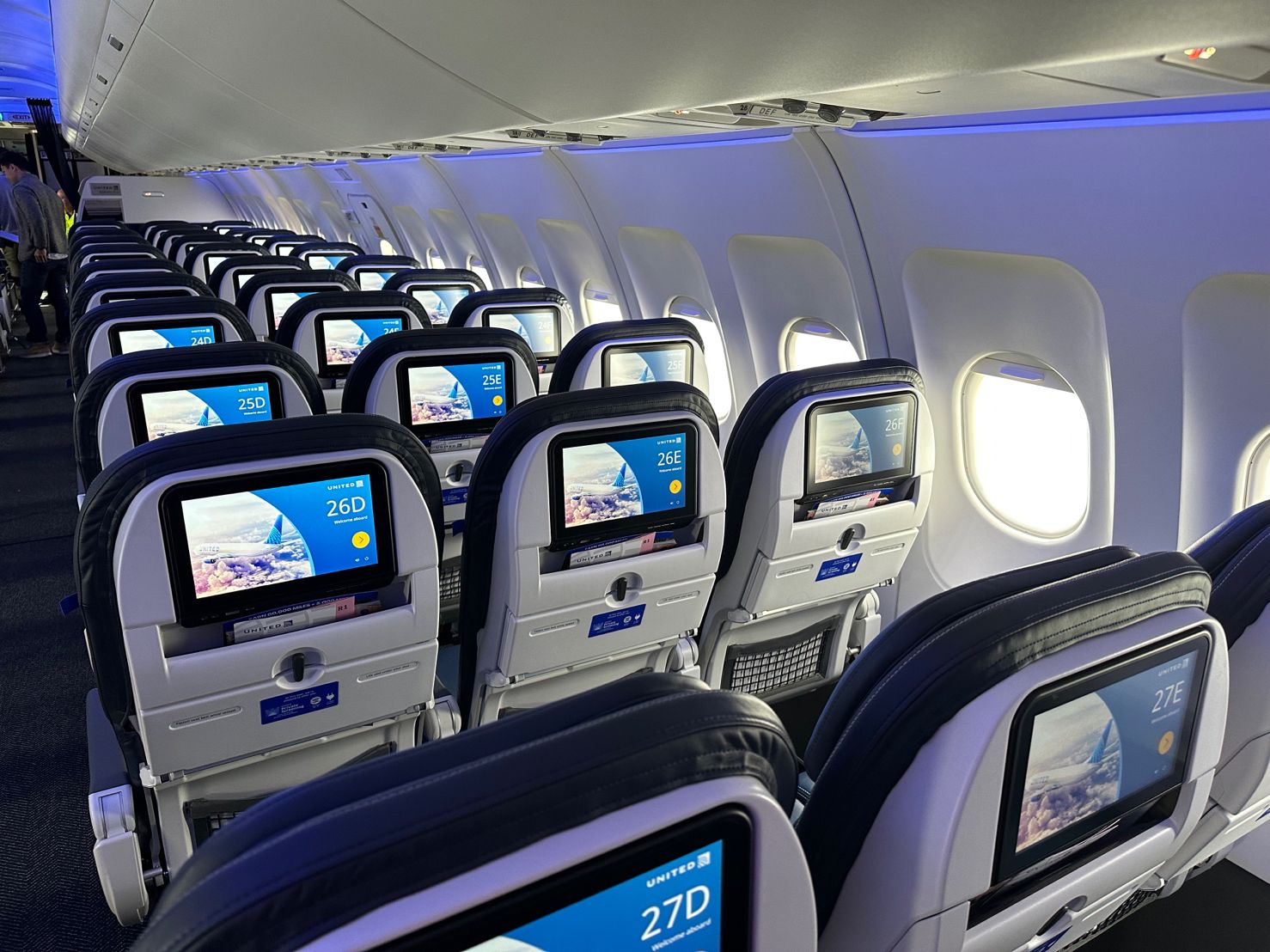
In 2020, United Airlines led the industry by eliminating change fees on most domestic tickets. Then in 2021 they announced ‘United NEXT’ which included seat back entertainment screens, which had been axed at American Airlines under his leadership. They started ordering planes.
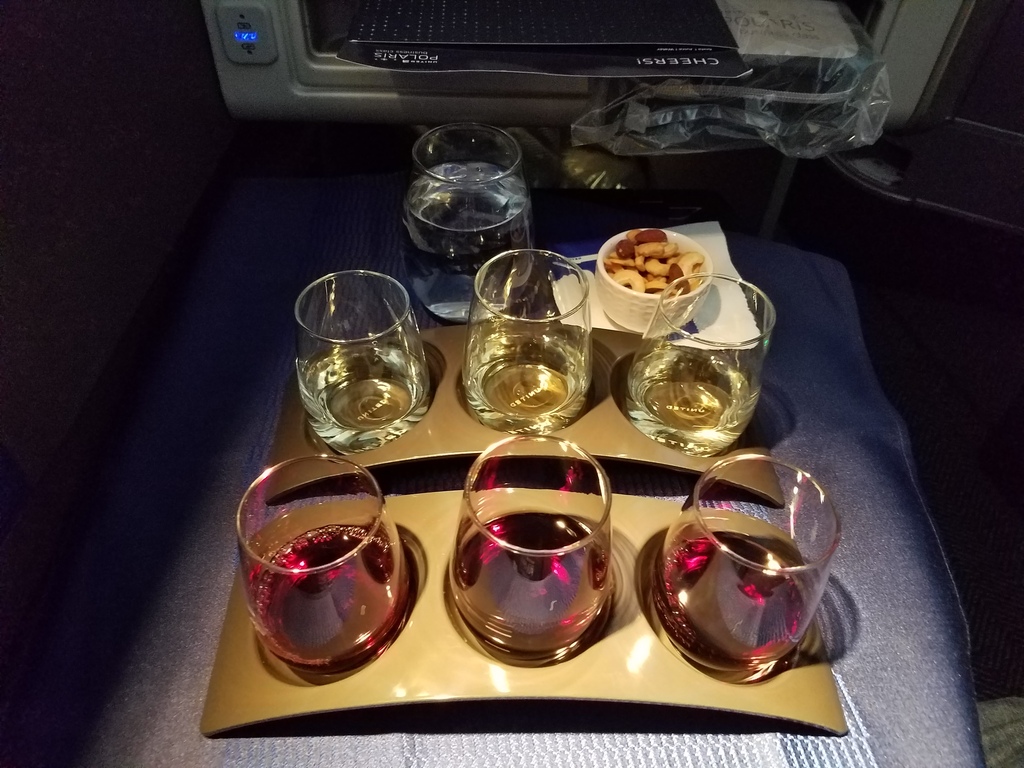
A year and a half ago they launched one of the best business class wine programs in the sky.

Scott Kirby explained his current thinking on product investments at a financial analyst conference on Wednesday although I think he undersells the power of his wine investment.
Every single individual decision, you say, “If I make the decision to spend more on meals, spend more on wine, whatever. Hundreds of decisions like that. Every single one of those, if you look at it and say, “Well, really? We spend an extra $5 million on wine, and you think we’re going to get enough people switching airlines because of the wine?” And the answer is no. It’s always no. And it’s correct that the answer is no.
Any one decision saying no, letting the finance department say, “No, sorry, [CFO] Mike [Leskinen].” Letting the finance department say no, which they always want to do, is the right short-term tactical answer. You string several hundred of those decisions together, and all of a sudden the brand is different. This is about building a brand.
I don’t have a perfect formula for it. I think of this as we have this vision of a brand loyal airline. It’s a mountain off in the distance, and we’re driving towards it. As long as our results, absolute and relative results, they’re mile markers along the way to that mountain. As long as they’re good, I feel like we’re on the right path. If they start to get bad in one way or another, then you’ve got to question what you’re doing.
We just keep putting a little bit more in every year. We watch what’s happening with market, not just financials. We watch that as in market share, which then leads to financials, of course. We watch what’s happening with different class of traffic. We use all that data to try to do a little more art than science on what it means.
The real game-changer investment, though, he identifies as Starlink. And while others are adding it (American, Southwest, Alaska) none will have as many planes equipped with it as United will.
Starlink is a 90+ NPS for in-flight service, and the rest of our Wi-Fi, I assure you, is not a 90+ NPS. Somebody told me earlier today that just in the past weekend for Memorial Day, as load factors picked up, somebody just went and ran the analysis because it’s heavy load factors, that flights with seat back entertainment had a 15-point higher NPS than not.
Normally it’s five or six points, but it’s 15 points when flights are full because that amps up the stress and just all those little.
American Airlines believes that one point of Net Promoter Score improvement is worth $50 to $100 million.
Kirby was asked, though, how this “affect[s] the cost profile of the business” and he replied deadpanned “We spend more.” He can say that, of course, because they’re making money.
He believes that what we’re seeing is the “first time of true brand loyal airlines..the first time that airlines have differentiated themselves on everything else [besides schedule and price] that matters to customers.” I don’t think that’s right.
Alaska Airlines thrived in Seattle despite an onslaught by Delta because they are a brand-loyal airline. Virgin America had a strong brand-loyal following especially in the Bay Area. But Kirby’s own perspective has moved beyond offering a commodity product to investing in a product customers prefer, even if there are many things about United’s current product that don’t yet rise to that level.



I seem to recall UA executives years ago talking about how the network was the product. That’s not entirely wrong, but as benefits of loyalty/status practically disappeared, as a former 1K, I’m just going to fly the airline with the best experience on the route I’m flying. If AS is on that route, and to a lesser extent DL, they are going to get my business. (And I do also miss Virgin America.)
I’m agreeing more and more with Starlink being a massive game changer. The first time I used it on a flight was just “cool”. I never used WiFi on a plane before much less Starlink. Now I was able to put off doing some work last night for a flight I have today, freeing up my valuable time. Glad airlines are moving towards free high speed and most importantly, reliable WiFi whether it be Starlink or otherwise.
I would fly UA more often, but from ATL the non-stop flights are only to their hubs. So other destinations require a connection. Southwest has done the same.
He just isn’t willing to fix United’s industry worst baggage handling and won’t retire the wretched 777-200s even though Pratt can’t supply engine parts
Starlink is perhaps the largest game changer in decades in the airline biz and the NPS data demonstrate that. Delta and jetBlue are making an enormous mistake. LEO will be many days (years) late and dollars short.