
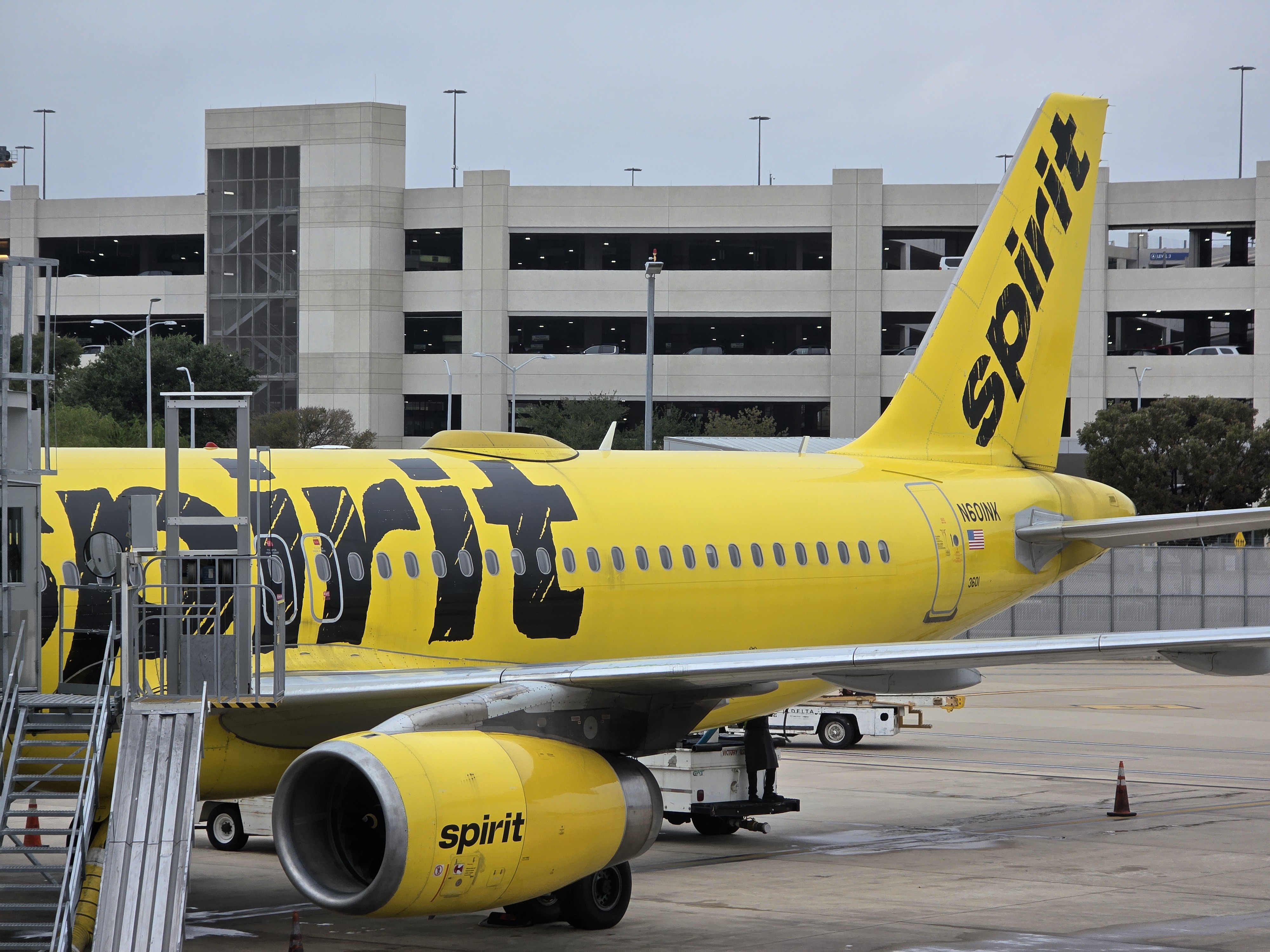
Spirit Airlines went out of business. There was a huge fight at the end over whose fault that was. It should be obvious that – when they lost $1.61 for every dollar they took in in March – that it was their fault. Even with bankruptcy protection, they hadn’t found a business model that would get customers to pay them enough to cover their costs.
- And Spirit’s costs were up! The once frugal airline saw expenses rise over 40% compared to before the pandemic, as they negotiated new labor agreements and opened a new corporate campus.
- This happened just when consumers really started to be willing to spend more money to avoid flying Spirit
- And when larger airlines figured out how to match Spirit’s pricing for the most price-sensitive customers (‘basic economy’) without charging less to the existing passengers they had.
Spirit’s bankruptcy filing showing financials from April as their final full month of operations reveals even more. Spirit Airlines officially shut down in the early a.m. hours on May 2, 2026.
- Spirit Airlines had a net loss of $327 million just in April. Their operating loss was $89 million. The $500 million bailout the Trump administration was putting together would not have lasted long.
- Their operating margin was -37.5%. They don’t even have the kind of compute costs of an OpenAI!
- They had just $71.8 million left in unrestricted cash and cash equivalents.
- They spent $111.8 million on jet fuel in April. The increase in jet fuel isn’t why they lost money.
- Spirit’s liabilities exceeded it assets by over $3 billion.
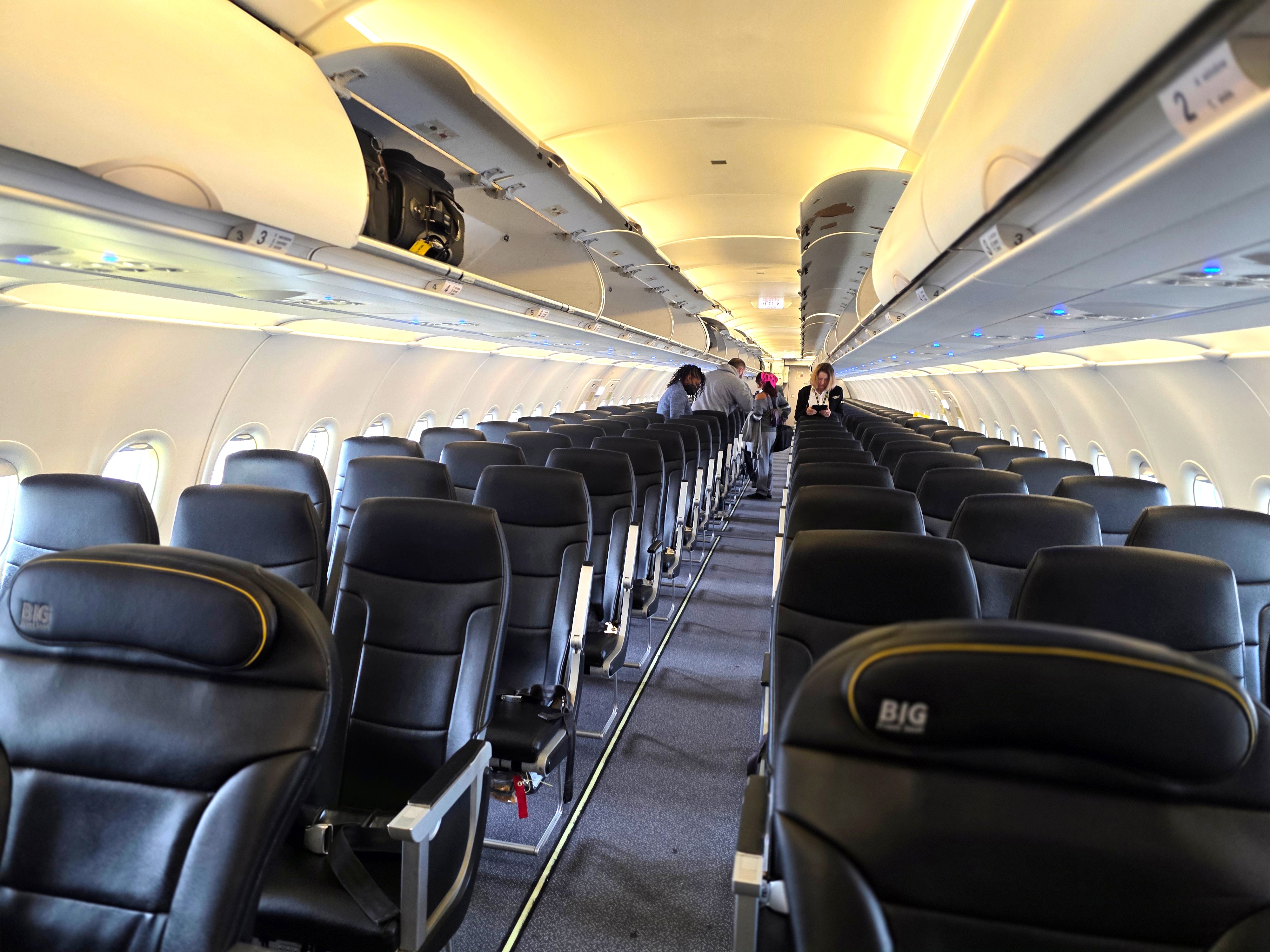
Bailing out Spirit wouldn’t have just been a bad investment – it would have put JetBlue and Frontier Airlines (the two next-most vulnerable airlines) in a worse position. JetBlue was Spirit’s largest competitor at Fort Lauderdale, and has since expanded flights there. Frontier was Spirit’s largest ultra-low cost carrier competitor. Neither has made money in six years, except for Frontier’s 2024 quirk of accounting from the sale and leaseback of aircraft.



Leave a Reply