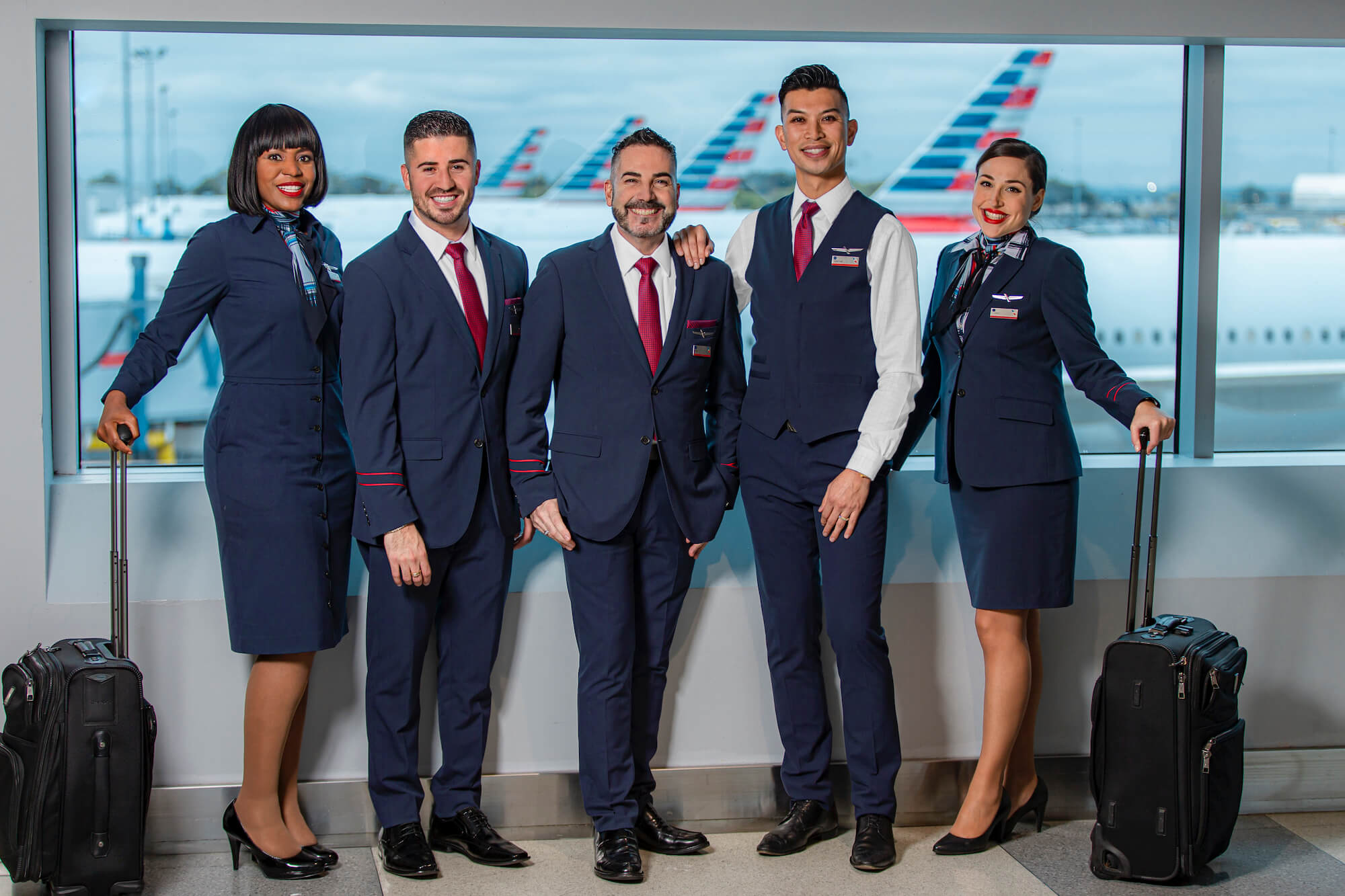
American Airlines is changing its cabin service procedures for the end of the flight, telling flight attendants to be seated for landing earlier in order to reduce injuries from turbulence.
They’ll prepare for landing at about 18,000 feet rather than the previous 10,000 feet, and they’ll sit in their jumpseats by 10,000 feet. This will inconvenience passengers who have to stow laptops earlier, and could cost the economy up to $2 billion annually.
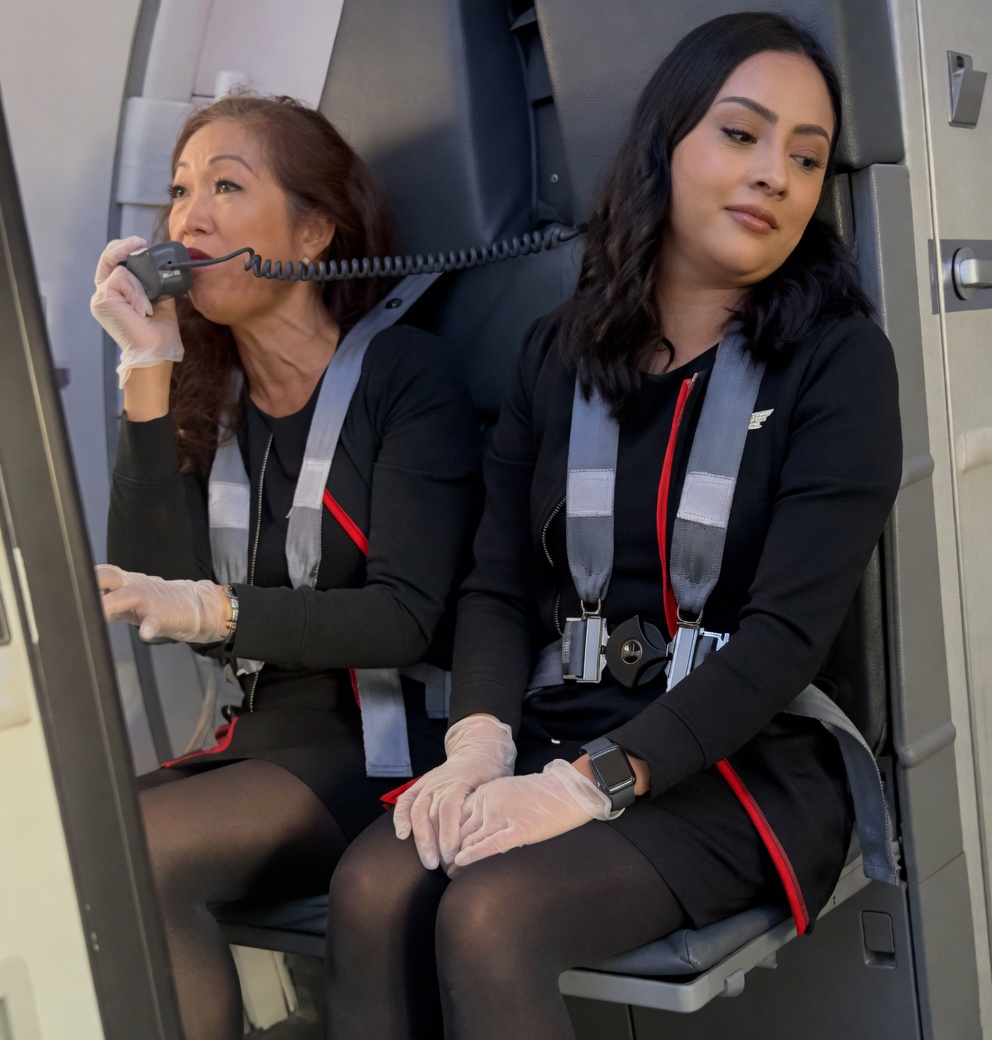
According to the flight attendants union at American,
Turbulence remains one of the leading causes of occupational injuries for flight attendants. Unlike passengers, flight attendants are frequently standing, walking, conducting service, or completing compliance duties when turbulence occurs.
The revised procedures are intended to provide additional time to prepare the cabin, improve communication regarding anticipated conditions, and reduce the time flight attendants are exposed to turbulence while performing required duties during descent.
The Inflight Manual reinforces that flight attendants should not jeopardize their personal safety during turbulent conditions and emphasizes that communication between the flight deck and cabin crew is essential to avoiding turbulence-related injuries.
Aviation watchdog JonNYC shares the memo:
— JonNYC (@xJonNYC) May 30, 2026
United made a similar change in 2023 and Southwest followed suit in 2024. Airlines already had ‘early sit’ airports where flight attendants were advised to sit earlier because data showed higher turbulence potential. It was specific to places with identified risk.
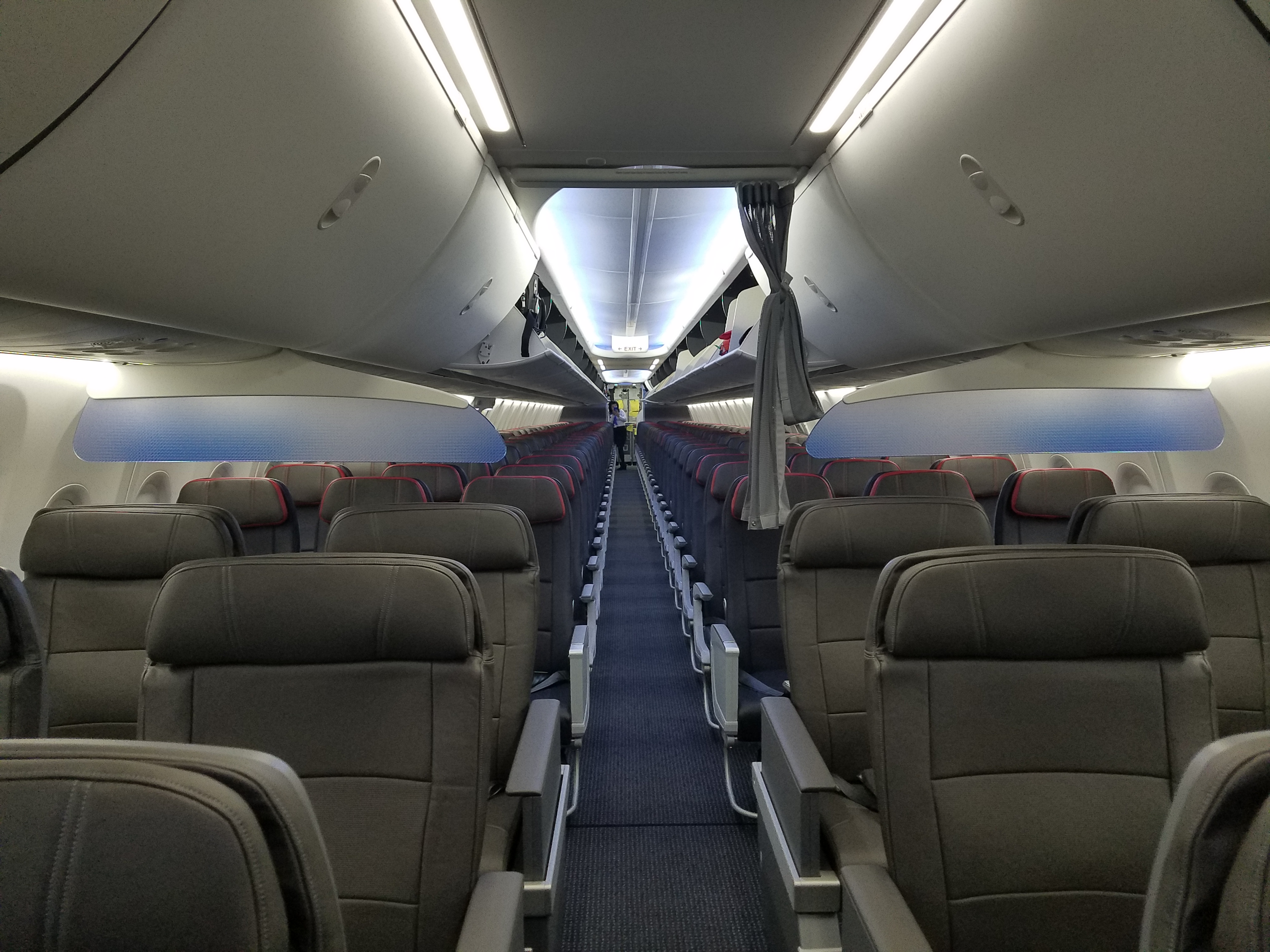
That doesn’t just mean that ‘service’ (such as it is) ends earlier. It means that seats need to be returned to their upright position, all cabin baggage must be stowed, and laptops need to be put away for the rest of the flight earlier than before.
As a passenger, I don’t like this. It means I have to put away my laptop earlier. That’s 15 minutes less work I get done on the plane. But if it’s genuinely necessary for safety, which is to say that the status quo procedure has been unsafe, then it makes sense. So I went looking for data. The best argument for this is
- NTSB research suggesting turbulence was involved in 38% of commercial airline accidents from 2009 – 2018.
- Flight attendants were 79% of serious injuries in turbulence. And 36% of those injuries occurred during descent with 65% of those occurring below 20,000 feet.
However, a new article in The American Surgeon looked at turbulence incidents from 2008 – 2023 and found 136 total turbulence-related accidents with serious injury. Most of these (126) were flight attendant injuries, but a majority were actually enroute not during descent.
And the American Airlines policy may not prevent most of the injuries that do happen during descent, because they’re generally happening between 18,000 and 10,000 feet not closure to the ground when flight attendants will actually be seated.

And we should put the actual risk here in perspective. It’s tiny. Looking at the NTSB dataset along with data on departures:
- There were 94 million departures during the period
- And 111 turbulence-related accidents, including 97 seriously injured flight attendants
- Descent/approach accounted for 56 of the accidents and half the total injuries
On a percentage basis, 0.000118% of commercial flights had NTSB-reportable turbulence injuries. 0.000103% of flights had reportable flight attendant injuries. 0.000060% of flights injuries on approach/descent. And 0.000034% of the time these injuries were occurring below 20,000 feet. That translates to reportable turbulence injury below 20,000 feet for every 2.94 million departures. There are about 7 – 10 serious turbulence flight attendant injuries per 100,000 flight attendant years – for all phases of flight.
While flight attendants do get injured – sprains and bruises are not uncomoon – they have fewer days away from work per 10,000 full-time workers (555) than A/V equipment installers (619), psychiatric aides (748), and dietetic technicians (1,500). For actors it’s 1,523 primarily due to overexertion. This does not mean we shouldn’t care about flight attendant safety.
In fact, there are plenty of things we could do that would technically improve onboard safety, but that we do not do because of the tradeoffs.
- Require every passenger to wear a shoulder harness or five-point restraint. That’s better in turbulence, rejected takeoffs, hard landings, and survivable crashes. It’s also uncomfortable, slows boarding, it’s harder to certify, and expensive to retrofit.
- Install rear-facing seats which are better for deceleration loads.
- Require passengers to remain belted any time they are seated.
- Eliminate all hot beverage service to reduce burn risk.
- Eliminate all meal service since that would mean fewer carts in the aisle, fewer hot liquids, fewer flight attendants standing, and fewer potential projectiles.
- Ban carry-on bags altogether to improve evacuations and reduce bin injuries.
- Require helmets for passengers during takeoff and landing to reduce head injuries in survivable crashes.
- Require passengers to pass a safety briefing quiz before departure so that more people would know how to brace, open belts, find exits, and leave bags.
- Place law enforcement on every flight to response to violent passengers and attempted cockpit breaches.
There are available safety improvements all around us. We don’t pursue them because the risk reduction at the margin is too small relative to cost, disruption, and comfort. Not every safety improvement makes sense.
This change costs about 15 minutes per passenger, or up to $2,000 on a full Boeing 737. American Airlines carries about 225 million passengers per year and if each passenger was working it would come at an aconomic cost of about $2 billion annually.


Take a nap.