
JetBlue’s founder says Frontier Airlines may go bankrupt. Dave Neeleman is now Chairman of Breeze Airways. Earnlier he said that JetBlue could go bankrupt this year under a mountain of $9 billion debt and that with that much debt no one would buy them.
Southwest’s CEO agrees the debt is a barrier to buying JetBlue and so does United CEO Scott Kirby.
Now Neeleman says that losing Spirit was good for the industry – he’s right, it helps JetBlue at Fort Lauderdale (where Spirit was based) and helps Frontier (the other major ultra-low cost carrier). However, he says he’s not sure that Frontier left alone in the segment can survive.
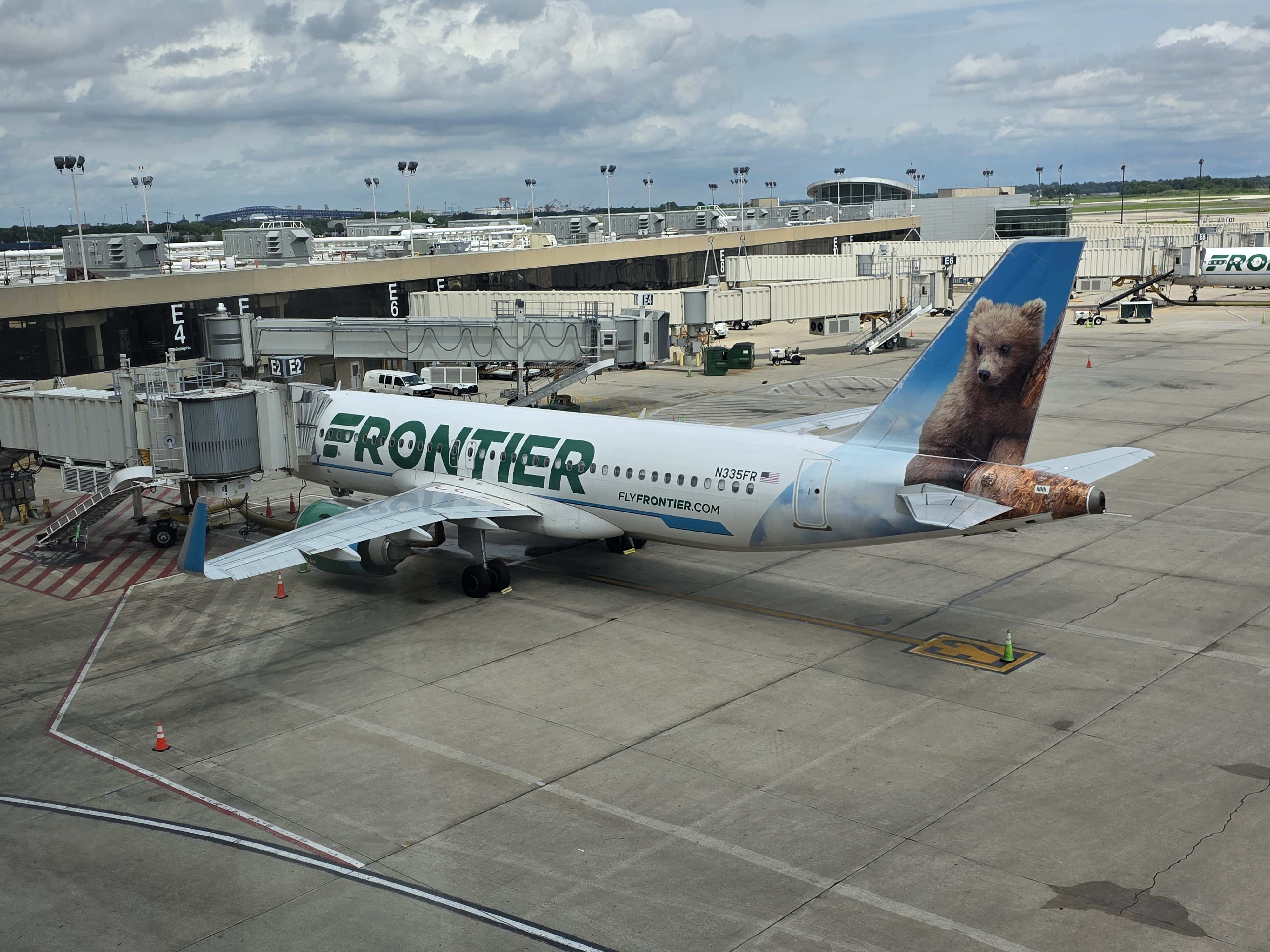
On this week’s Airlines Confidential, Neeleman’s comments were highlighted:
David Neeleman spoke a couple of times on a couple of different panels… As it related to Spirit, he said in as many words that it’s good for the industry to have lost a cash-flow-negative airline…
And he said that Frontier now remains the sole “spill carrier,” meaning an airline that flies head-to-head with other airlines and relies on those airlines filling up. He said it’s an open question in his mind whether there is room in the market for even one spill carrier.
So I know a lot of folks will be watching to see what Jimmy Dempsey and the team at Frontier do now. They are, I wouldn’t say the last remaining ULCC, but certainly the last in that space of flying large-gauge airplanes from the major airports and so on.
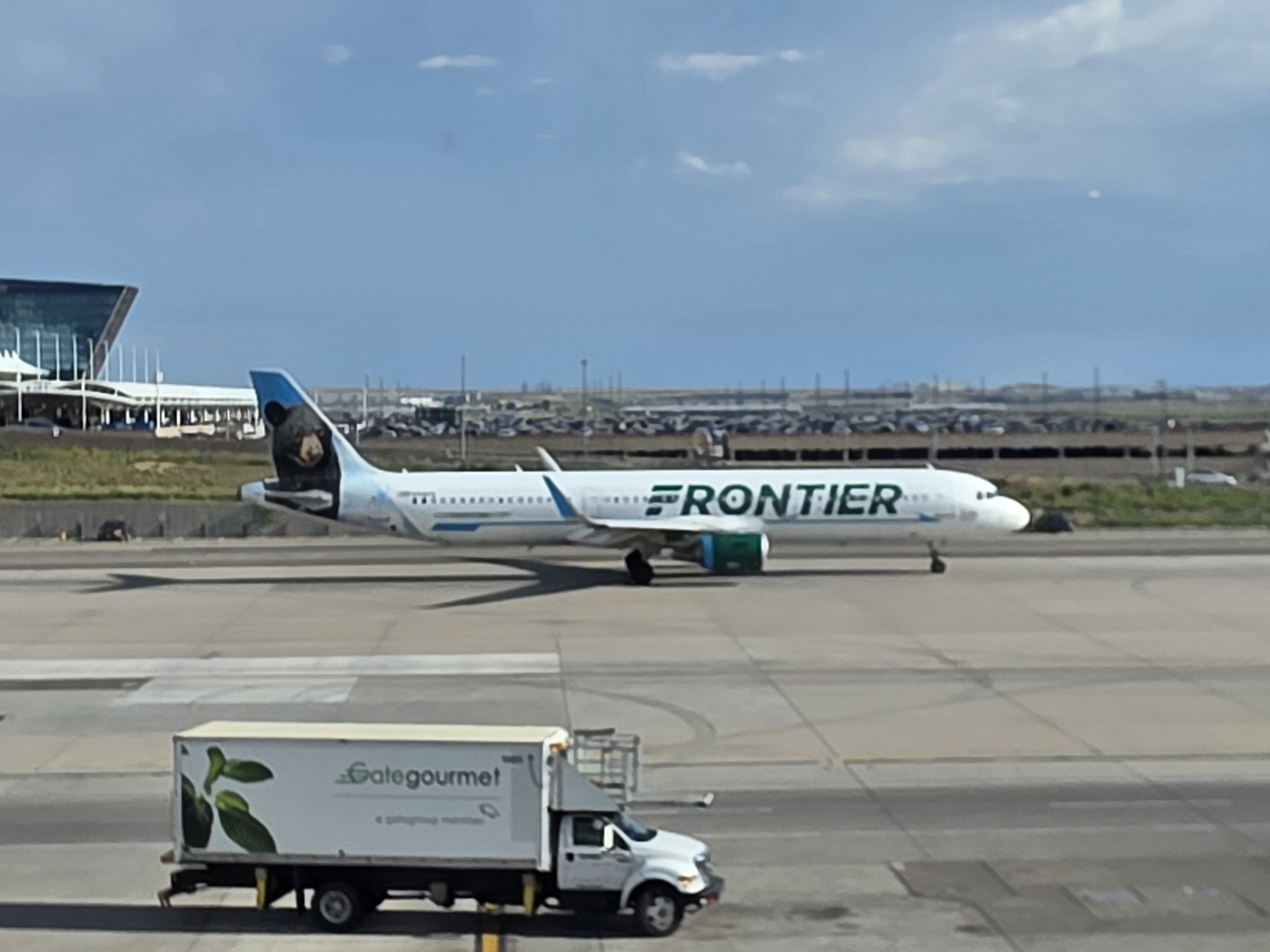
Frontier and JetBlue are the two remaining most-troubled major U.S. airlines, after Spirit Airlines shut down. JetBlue hasn’t made money in six years. Frontier hasn’t either, except for a blip where aircraft financing transactions allowed them to show an accounting profit in 2024.
But Frontier is an airline you do not choose to fly because you prefer them. You fly them when they are the only option – they are substantially cheaper than anyone else, or they have the only available non-stop. But increasingly other airlines do compete on price (with basic economy restrictions). Neeleman is saying he’s no longer certain the U.S. industry has the space, any longer, for an airline that just picks up traffic that other airlines effectively don’t want.



Neeleman has not been involved directly with jetBlue for over a decade and is now a literal competitor (as CEO of Breeze), so I’d take whatever he says with a grain of salt.
Also, does anyone else remember that story where Gary oddly emphasized, “Neeleman, a Mormon…” (I do. It was fun. Keep emphasizing! LDS is a cult.)
And yet Frontier can make JetBlue‘s life rather miserable for right now
All that deep discounted capacity is not going away anytime soon
@Tim Dunn — Oh, you think ULCCs only impact LCCs? Bud, F9 (and WN) can mess with AA, DL, UA, too. (Oh no, not our untouchable, beloved DAL! Oh! No!!!)
It’s ironic that Robin Hayes who was Wall Street’s darling to be CEO of Jet Blue single handily destroyed what had been a very good airline.
@Steve — B6 is still good; better on-board experience than most; more legroom, live TV, free WiFi, better snacks, and everything Mint.
@1990
I don’t disagree that B6 still has all of the good attributes that you mention. I was referring specifically to the financial side of things. Their reliability is also not what it used to be.
@Steve — Oh, yeah, agreed there. They need to ditch unprofitable routes, fast; focus on NE-FL/Caribbean, and keep the Mint flowing; maximize the P&W payout for those engine issues.
And yet the legacies are making money while F9 and B6 are losing it.
Who exactly is messing w who?
Neeleman isn’t the insightful airline industry guru he’s managed to craft his image around. His successes in the industry has been based on one (or both) relatively unique factors for his new airlines when compared to his competitors, rather than any exceptional managerial skills.
1) Start with far more capital than usual. This lets him buy new aircraft sooner instead of only the oldest used ones, giving him lower initial maintenance costs. Even airplanes come with a warranty from the factory.
2) As a new airline, all his employees are at the bottom of the pay scales. He can put aggressive pay rates in the contracts, but the “15th year pay” doesn’t matter for an airline in it’s first few years – nobody is on it. As his airlines rapidly grow, more new employees means most employees are still getting paid off the lower end of the scale. This essentially gives him his labor at a significant discount for his starting and growth years.
Both of these factors – lower maintenance costs, lower labor costs – are what has made his airlines initially work. If after growing it, and if he can get a merger partner, he cashes out (Morris Air). If not, and the airline matures and stops growing, and his costs catch the rest of the industry, the “chickens come home to roost”. Azul filed for bankruptcy, and JetBlue is struggling and may file next. His latest project – Breeze – started flying five years ago, almost to the day (May 27th, 2021) and are bleeding money to the point he hasn’t taken them public yet. Neeleman hasn’t been able to duplicate his “successful new airline” formula there despite recreating the same operational cost advantages.
WestJet is the only real exception to his “new successful airline that eventual struggles” story – but Neeleman wasn’t involved at all in the operational decisions at WestJet. He helped found it in 1996 (while complying with a U.S. Non-Compete in effect after the Morris Air merger), but left in 2000 to focus on JetBlue.
Not sure why people turn to him for comments on other airlines’ financials, especially when he’s not even on the board of any of them, with any insights beyond what the public gets as well. His reputation far exceeds his actual record.
Frontier needs to do what Spirit tried to do but failed. Get more revenue out of each passenger. Either through buying a better seat or purchasing (in some cases yes required) ancillary services. True, Frontier has a lower cost structure than Spirit did but that’s not enough. Also, on the surface Frontier seems to provide a lower level of customer satisfaction.
Despite the great myth proposed here by others, Frontier isn’t going to become profitable by lowering fares, paying crew and staff more, providing compensation for significant delays and having greater customer service levels.
Not easy to predict Frontier’s future. Right now, they’re raising fares dramatically due to fuel and demand for summer travel — with the added bonus of Spirit being gone. But their customer base is the most price sensitive in the industry, and demand for their services is pretty much unknown at higher price points. Meanwhile, they’re relying on very dense and large A321s, which means they often compete against themselves to fill them up. Neeleman is right about the peril of “spill carriers,” and Frontier is definitely a spill carrier. This is the major difference between them and, say, Ryanair — which is a successful low cost carrier that has managed to dominate the routes it flies in Europe. Absurdly, I find myself preferring Ryanair because they’re often a better carrier than the alternatives! For example, Ryanair is reasonably reliable and has more rational baggage fees (even compared to the legacy carriers). I would never prefer Frontier on any route they fly. And no one else is likely to either, except on price.