
Air Canada is providing a bailout to airlines by suspending some fuel taxes and extending subsidized loans.
- Fuel excise tax suspension April 20 – September 7, 2026, reducing costs by 4 Canadian cents per liter. That’s about 11 cents per gallon.
- Subsidized loan program called the Liquidity for Airline Sector Resilience facility, offering up to C$150 million per airline, four year payback at an interest rate above Canada’s sovereign cost of borrowing, but below market rates for an airline. Carriers that take the funds will have to maintain Canadian operations; protect jobs; make “Buy Canadian” commitments; restrict dividends and shareholder distributions; accept limits on executive compensation. Full details aren’t yet available.
I’m not an expert on Canadian fuel taxes but I believe this will primarily benefit fuel for domestic flying.
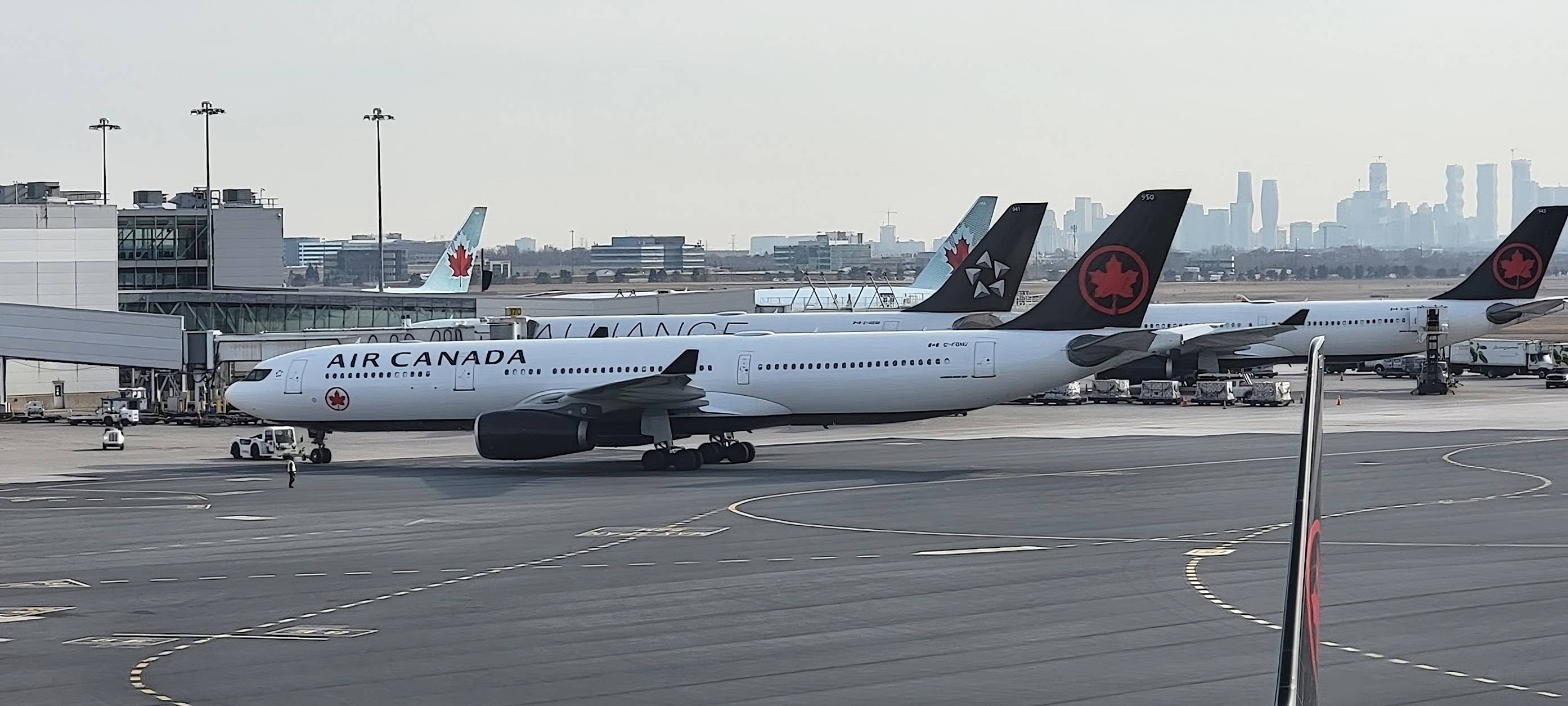
Air Canada as the largest carrier stands to benefit most from the tax suspension, followed by WestJet. Air Canada reportedly consumed 5 billion liters of fuel in 2025, so basic back of the envelope (assuming consistent flying throughout the year, but also all domestic consumption) would be a savings of C$78 million (US$55.9 million) for Air Canada.
As for the government-backed loans, unless there’s a political reason requiring them to take it, they had C$7.5 billion of liquidity at the end of 2025 so C$150 million even at favorable rates doesn’t seem worth accepting the restrictions. Air Transat, Porter and Flair seem like better candidates.
Normally I’d expect suppliers to capture more of a fuel tax holiday than purchasers, but here I suspect the opposite is the case at least for a large airline – buying fuel on a forward basis (often one- to two-month contracts) at a floating price tied to an index, with taxes added on top. At least initially, for the first month or two, the airline should fully capture the tax savings.
While jet fuel prices are high, they aren’t really materially higher than in 2022 in real terms. The usual argument, though, is that the rapid rise in fuel prices rather than the absolute price level is what’s crippling, though jet fuel prices are down over the past month.
In the U.S., Spirit Airlines blamed jet fuel for its demise, but would still have been losing money even if jet fuel were free. It’s not clear why taxpayers should shoulder additional costs or risks to subsidize airline shareholders and holders of airline debt, except of course for concentrated benefits and dispersed costs making companies more effective lobbyists than citizen bagholders, and politicians don’t want airline bankruptcies on their record.
(HT: Enilria)



Woulda been nice if the whole regime-change thing had worked out (you know, for the people of Iran and the world); but, since it didn’t, people around the world (most of whom have nothing directly to do with the war-of-choice) are now paying the price.