
At the start of 2021, United Airlines announced a $1+ billion order for electric air taxis from Archer Aviation. The plan was 200 eVTOLs to shuttle passengers to and from United’s hubs in busy “dense urban environments.”
Now, CEO Scott Kirby says it is a bad idea to have these planes flying in crowded airspace.
“With everything in the airspace, the tragedy that happened in DC with the helicopter, I don’t think we need more rotor aircraft operating in crowded airspace,” he says at the airline’s media day in Los Angeles on 24 March. “Unless we can do it that’s 100% safe without impacting any operations on the field, I would be opposed to it — and I don’t think we can do it 100% safe without impacting operations on the field.”
…eVTOLs will “be great in all kinds of other situations,” he adds, citing existing helicopter routes away from major airports.

Credit: Archer Aviation
American Airlines followed United with its own ‘billion dollar order’ of eVTOLs from Vertical Aerospace. I don’t expect that order to pan out, either.
The first thing to know is that United placed their order at the start of 2021 when it wasn’t great to be a fossil fuel business. This was protection and currying favor with the Biden administration. Trump isn’t anti-eVTOL as such – for industrial policy reasons – but United doesn’t need ‘investing in the transition’ as a narrative now.
Kirby, though, pins it on crowded airspace and that’s somewhat fair, but not in the simple way he frames it. New York airspace, and Newark, isn’t really more crowded now than it was in 2019. Kirby knew just how much traffic there was when he placed the order!
- There were 1,274,435 combined aircraft movements in 2019 according to the Port Authority of New York New Jersey (pdf)
- That compares to 1,236,072 in 2024 – that’s 3% lower.
And when United placed the order they addressed the issue of airspace congestion head-on, saying they would contribute airspace-management expertise to Archer. The whole point was to feed hub airports then.
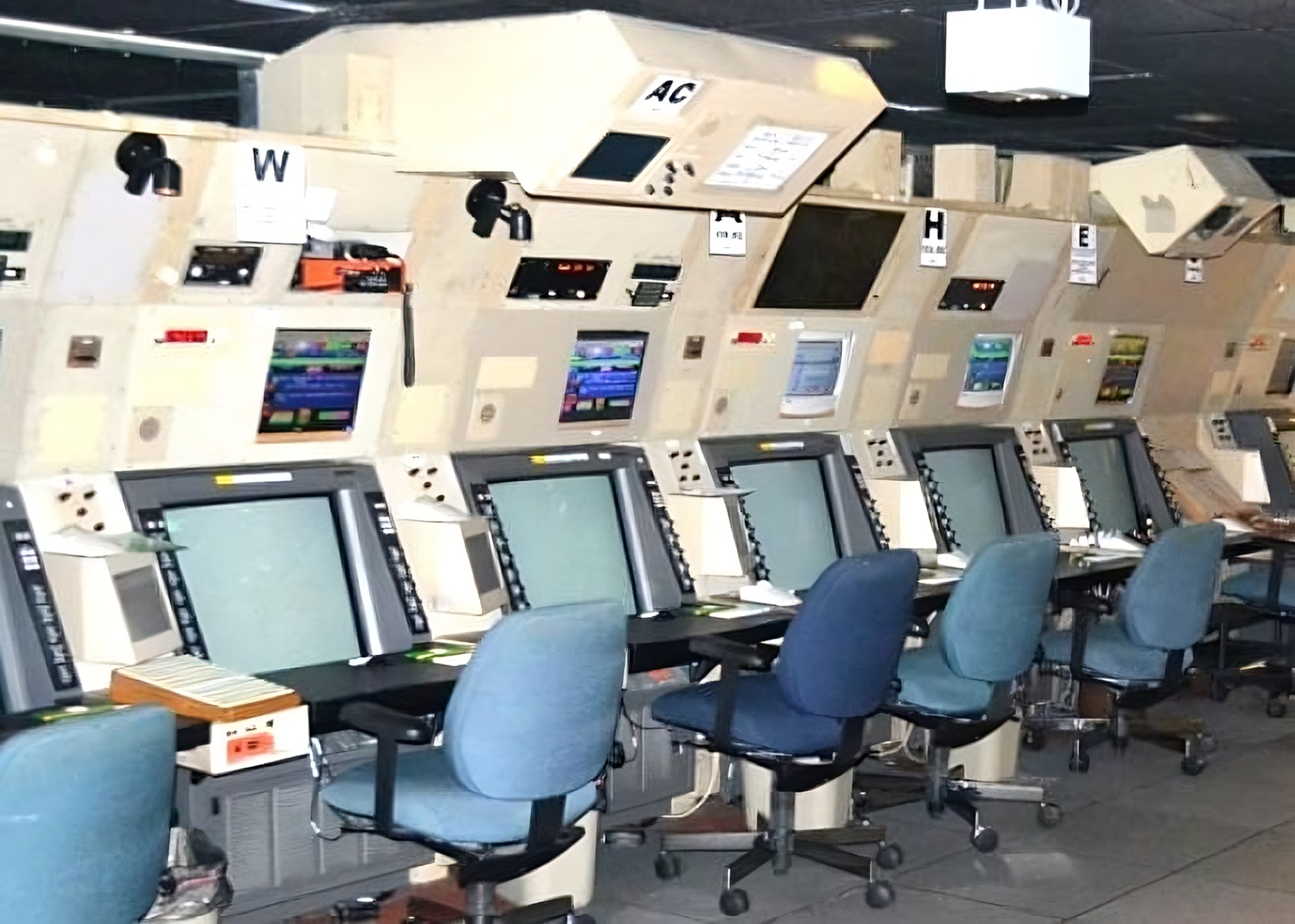
A year ago Archer and United were still publicly pitching a Manhattan-to-airports network.
United’s 2021 deal was conditional and for up to 200 aircraft once requirements were met. They were to be used systemwide, with only some out of congested Newark. Service here would be pretty small relative to total airline movements. 100 daily movements would be ~ 3% of New York airport activity. Furthermore, helicopter volume is already significant and a lot of these trips would be displacing helicopters.
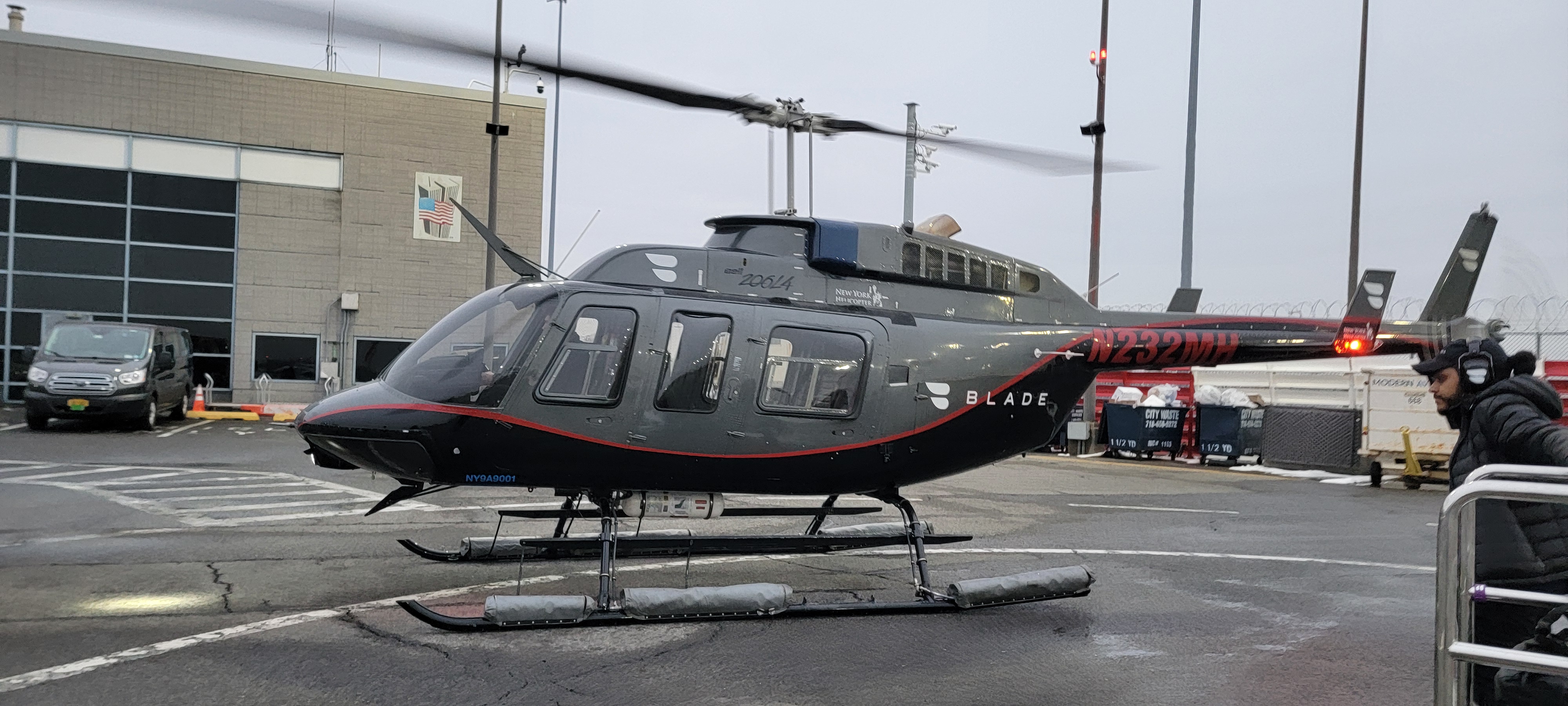
So what besides politics is different? The January 2025 collision of American Eagle 5342 and an army helicopter has certainly made mixed traffic near airpors focal. It also might be harder to sell to regulators.
Kirby’s claim that it’s too crowded now isn’t really right. United doesn’t need this politically, and it’s probably harder to do now and perhaps seen as riskier, too.
That doesn’t mean small eVTOL (electric vertical takeoff and landing) aircraft won’t succeed.
- Joby Aviation actually flew an FAA-conforming aircraft on March 11, with real testing expected later this year. They have over $2 billion in cash. Before the Iran war they were expecting to fly passengers in Dubai this year.
- Archer Aviation also has $2 billion and was on track for operations this year, at least in the UAE.
- Vertical Aerospace seems to have good tech, but little money. They projected runway only to mid-2026, and their financials contain going-concern language. Archer opened an office in their hometown (Bristol, UK) and hired away Verticals’ Director of Engineering. So Archer is a plausible a buyer of Vertical assets if forced into that kind of position.
Kirby’s comments do put a big question mark into the eVTOL case for feeding major hubs, though. And one frustration has been the long, tortuous certification path set up by the FAA.
I actually think that fixed wing and electric-hybrid short takeoff and landing has a stronger business case that these aircraft. They use existing airport infrastructure and procedures (although they don’t necessary have to, you could use a large parking lot). Yo udon’t need vertiports. Part 23 certification is very close for the first one. They’ll be useful for cargo, medical, Essential Air Service-style flying, and offshore-energy. Payload and range economics are better.
Let’s also not forget that United and then American placed orders for supersonic aircraft as well. Those orders are not ‘real’ in any meaningful sense either.



Wasn’t air taxi from hubs to outlying areas a big sales point for eVTOLs? It seems to me that not using thyme would cause a big dent in the use case for them?
just more of the same “jump on any shiny object with no long-term consideration for how it all fits together” that is typical of UA under Kirby
There have been airspace concerns at DCA for years, long before the AA regional jet tragedy. Other US airspace is not as bad depending on runway configurations.