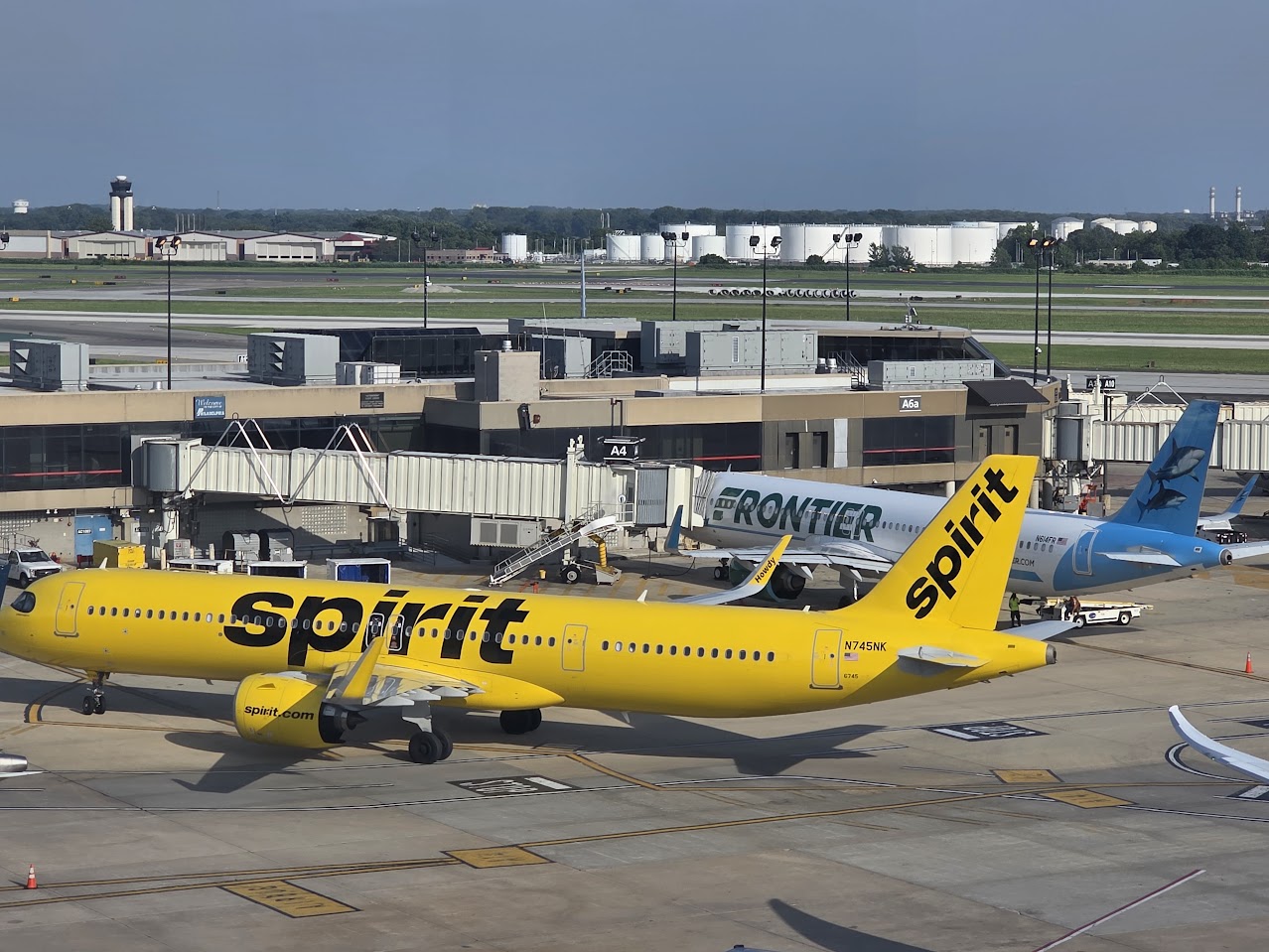
Before the pandemic, Spirit Airlines and Frontier were the success stories of the industry. Several things happened that changed that. Frontier Airlines is struggling. Spirit Airlines failed – gradually, and then all at once.
- They lost some of their cost advantage.
- Customer preferences changed.
- Other airlines learned how to better compete.
In 2018, Spirit and Frontier were the airlines that American Airlines looked longingly at with envy. Here’s then-President and now-CEO Robert Isom explaining in 2018 why he was chasing them:
[T]oday there is a real drive within the industry and with the traveling public to want to have really at the end of the day low cost seats. And we’ve got to be cognizant of what’s out there in the marketplace and what people want to pay.
The fastest growing airlines in the United States Spirit and Frontier. Most profitable airlines in the United States Spirit. We have to be cognizant of the marketplace and that real estate that’s how we make our money.
We don’t want to make decisions that ultimately put us at a disadvantage, we’d never do that.
It turns out Isom was exactly wrong about the direction the industry was headed. In fact it probably had already shifted three years earlier. But the pandemic accelerated the shift, to the point that Spirit is in its second bankruptcy in as many years, potentially days away from liquidation unless taxpayers bail it out (for some incoherent reason). And legacy airlines that have focused on their brand and on products that consumers can spend more for are the ones earning profits.
Spirit’s Costs Went Up
The pandemic drove up labor costs. Some of that was inflation, but pilot costs went up significantly due to a pilot shortage. Pilot unions had succeeded in limiting entry into the profession, making it costly and time-consuming to become a pilot (the so-called 1,500 hour rule which is occupational licensing unrelated to safety) and that pushes pilots out of commercial cockpits at age 65. That became a much bigger issue with the pandemic as struggling airlines paid pilots to take early retirement, while not investing in the pilot pipeline.
Airport costs have been going up, too. And as United CEO Scott Kirby frequently reminds, a low cost carrier can’t make money on $99 fares with $50 per passenger airport costs. Expensive airport remodels make low cost carrier competition no longer viable.
And Spirit itself lost cost discipline. Spirit Airlines under the late Ben Baldanza would never have build an 11-acre corporate campus (“Spirit Central”) in Dania Beach, Florida.
- Spirit Airlines cost per available seat mile was 7.97 cents in 2019.
- For the 9-months ending September 30, 2025 it was 11.28 cents.
- That’s an increase of over 41%. Those are still low costs compared to much of the industry. But Frontier’s costs are up, too, yet still under 10 cents. (Southwest’s are ~ 15 cents, United 16.5 and American 17.5.)
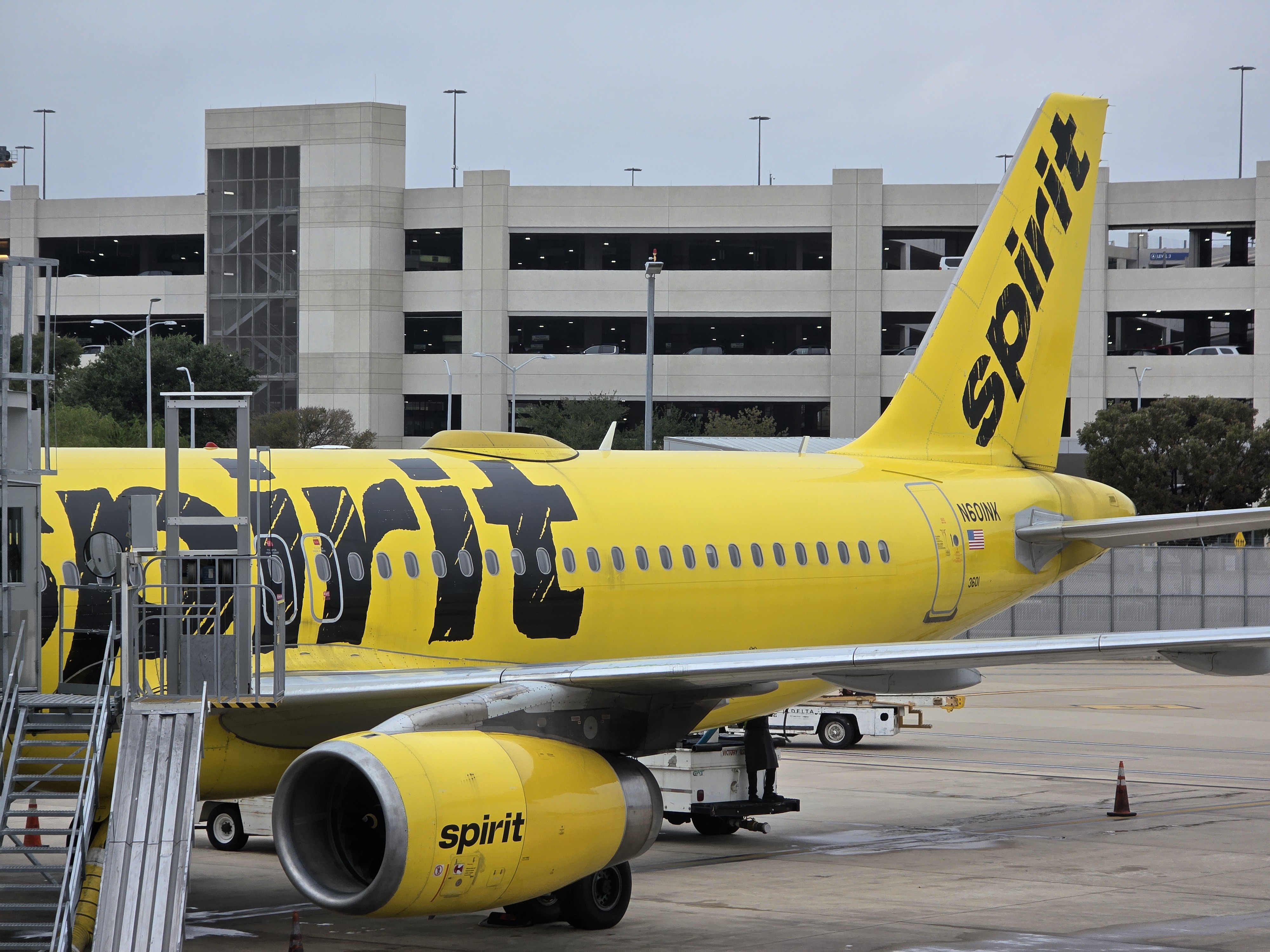
They can’t make money with costs that begin approaching the rest of the industry because their revenue is nothing like the rest of the industry. They don’t have a true first class, lounges, long haul international flying or the same kind of lucrative credit card deals.
Spirit No Longer Has The Product Customers Wanted
Airline passengers used to buy tickets purely on schedule and price. Those things still matter. But they aren’t the only thing that matters. The technology around fare display has changed to help consumers better understand the differences in product. But mostly consumers themselves shifted as the U.S. market got wealthier. Delta dates this shift beginning around 2015.
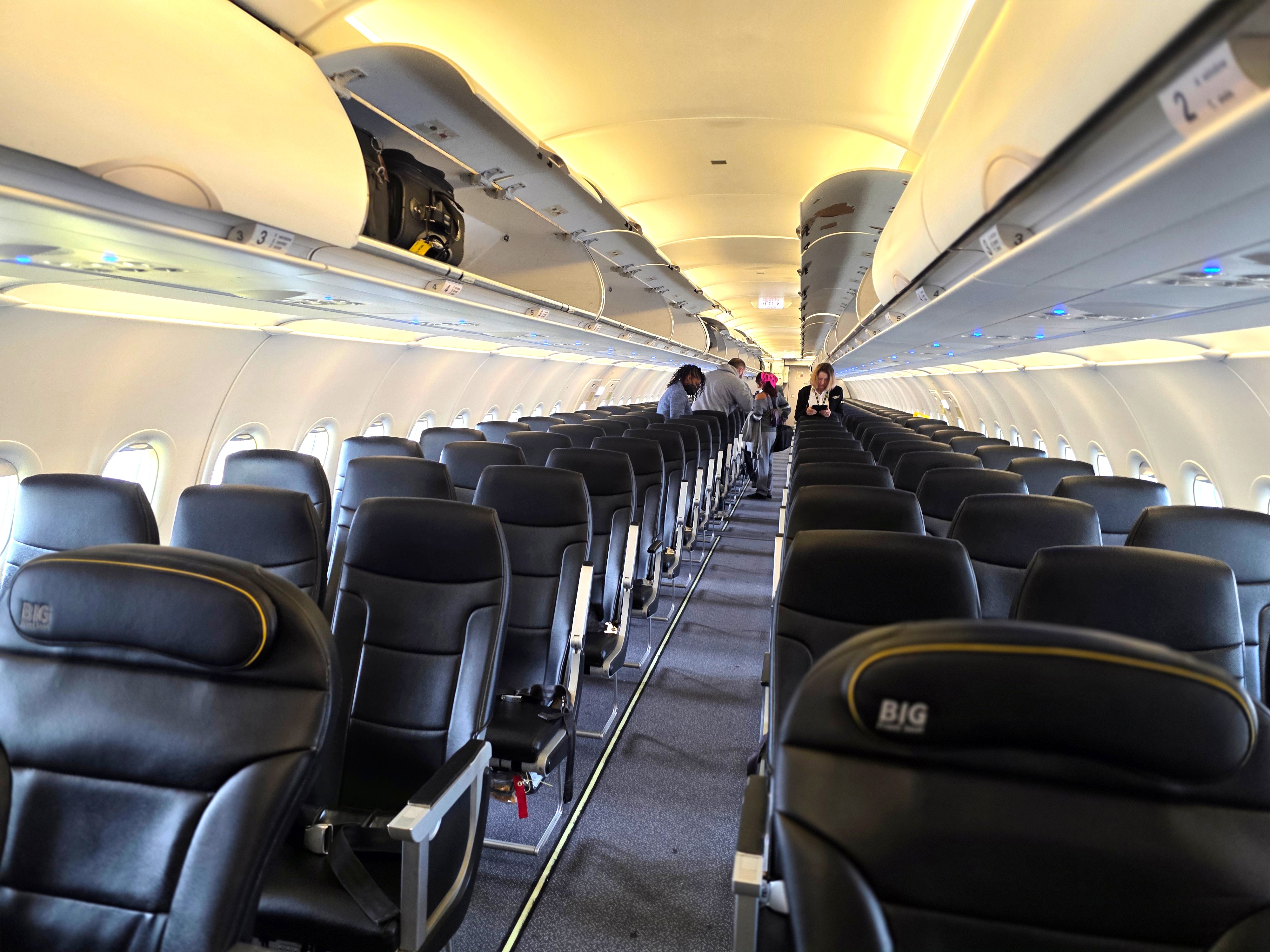
It was accelerated by the pandemic. People began looking to invest in better experiences, and Spirit Airlines was at the bottom rung of experiences. I’ve written that their primary product wasn’t air transportation as much as viral passenger videos. Their seats were among the least comfortable, and buying travel from them was a grueling process. You paid in time, effort and exhaustion rather than money to get their discounts.
Spirit Airlines brawl pic.twitter.com/CmpBDjr4Zq
— Clown World ™ 🤡 (@ClownWorld) June 2, 2024
'SPIRIT' OF THE MOMENT: Dozens were caught on camera throwing punches and kicking at a Spirit Airlines terminal in a video that has since gone viral. "This is embarrassing," one witness was heard saying. https://t.co/LwZf6Zn3fZ pic.twitter.com/qvVQYvVBGW
— Fox News (@FoxNews) February 23, 2025
Spirit lacks a long haul international route network, and they don’t have international partners. That means the reward for travel on Spirit Airlines was… more travel on Spirit Airlines. I used to call this the Greyhound Road Rewards problem, after the bus company’s old frequent rider program that rewarded bus rides with more bus rides.
Without an aspirational product to redeem points for, they couldn’t offer upgrades or business class to Europe. There was little reason to spend on their credit card. They tried copying Frontier’s creative efforts at awarding status and fee waivers (Frontier was actually a precursor to American’s model of all credit card spending counts towards status) but that’s not enough to make Spirit Airlines aspirational.
Other Airlines Learned How To Compete
After deregulation there were a slew of new airlines, with lower cost than the carriers. They offered low fares. But the legacies learned to compete. American Airlines offered the ‘Super Saver’ and then the ‘Ultimate Super Saver’ fare.
Those new lower fare airlines had only low prices. The legacy carriers had high fares for business travelers, and low fares for leisure travelers. They were flying the planes anyway, they had empty seats. And they could basically be two different airlines using the same planes.
They did this by segmenting customers, with advance purchase requirements (e.g. 21-day and 14-day), Saturday night stay requirements, and change fees. That was effective at segmenting price-insensitive customers from price-sensitive ones. They could lower prices and undercut competitors for leisure business, without making those fares available to their high fare paying passengers.
That model broke down when low cost carriers like AirTran and Spirit and Frontier and others started selling their cheap tickets without advance purchase or Saturday stay required. Passengers would just book Spirit and Frontier if American, Delta and United didn’t match their fares.
The large airlines had to match their fares to keep business, but offering those fares at the last minute meant those high fare business passengers paid them less. It was very costly for the big airlines to compete.
And that’s where basic economy comes in. Delta was first with this, initially as a tool to respond to Spirit Airlines. Eventually the rest of the legacy airlines followed suit with highly restrictive tickets that didn’t allow changes (or changes that ate up most of the value of the ticket), often didn’t allow advance seat assignments or upgrades or even mileage-earning, and that in United’s case didn’t even allow a carry-on bag. These passengers boarded last.
Many leisure travelers still bought these tickets from United and American and Delta because they’d still get seats with a bit more legroom than Spirit, and a better reputation. On Delta and now United they largely also get seat back entertainment screens. On Delta and American and increasingly on United they also mostly get free wifi.
The large legacy airlines figured out how to match Spirit’s prices so they don’t lose the most price-sensitive passengers, offering those passengers a slightly better than Spirit product, but not making those discounts available to their higher-fare paying customers who want better seats, upgrades, miles, earlier boarding (for overhead bin space) and flexibility. Delta will even exclude its basic economy customers from its lounges.
That’s how the major airlines beat Spirit – with an only slightly better product at the same price that they’re sustainably able to offer. Nobody wants to fly Spirit when they can fly Delta or United. That’s a function of the Spirit product (from seats to mobile app) and the Spirit Airlines reputation.
Why We Can’t Blame Biden Antitrust For Spirit’s Demise
The Biden administration’s opposition to JetBlue acquiring Spirit Airlines was a mistake. But the story is more complicated than Spirit and its employees would have been fine if the Biden DOJ simply hadn’t challenged the merger.
- They wanted to keep Spirit’s 200 aircraft flying under an ultra-low cost model
- But even if Spirit survives now, over half of those planes are already gone
- And they were trying to preserve something at odds from what consumers wanted to buy
The lesson is correct that bureaucrats can’t manage the economy to the outcomes they want. However, if JetBlue had been allowed to buy Spirit, Spirit shareholders would have been saved. But JetBlue is already shaky, they were overpaying for Spirit, and they’d probably be in worse shape. I wrote at the time that the government was probably saving JetBlue from themselves.
JetBlue has been cutting to try to save itself. They would have had even more planes and people and routes to cut if the deal had gone through.
The logic in JetBlue buying Spirit arguably made sense when they first announced the transaction (although I thought they were severely overpaying). JetBlue needed planes and pilots to grow in both New York and Boston, as a result of their partnership with American Airlines – the Biden DOJ killed that deal first.
JetBlue had American’s slots to fly in New York, so they had to shift capacity away from Boston. They couldn’t grow New York, Boston and Florida all at the same time. Spirit was a solution to this problem.
Once the Biden DOJ killed that deal, it undermined the logic of the Spirit deal for JetBlue, but JetBlue management was committed to pushing forward with it anyway. JetBlue-American created a third real competitor to United and Delta in New York. Now we have JetBlue teaming up with United!
It’s multiple antitrust suits that undermined competition, but it’s not obvious that ‘without the antitrust suit killing the Spirit merger deal alone everything would be fine for those employees’. In fact, JetBlue would be in even worse shape.
Government officials can create incentives, but can’t dictate market outcomes. The Biden DOJ wanted a market strcuture at odds with what consumers were looking for, and at odds with other policies they were pursuing. Federal airport policy helped drive up costs. Federal slot controls kept competition out of the most lucrative airports. (These were not unique issues in the Biden administration.) And we’re now getting the exact opposite of what antitrust policy in the last administration supposedly wanted. But Spirit and its assets didn’t fail because of one antitrust case.
Why Spirit Airlines Is No Longer A Good Business
Ultimately, Spirit’s costs were rising at a time that customers least wanted the product that they were selling. Spirit did well by producing seats at the lowest cost, but that meant large planes to fill to keep those costs low. And larger competitors were siphoning off some of their business, making it harder to fill those planes. They could fly the planes less often, or fly them less full, but that just meant their cost per passenger they did fly went up even more.
They tried pivoting to be more premium but they’re still Spirit Airlines, with the Spirit Airlines brand and service and technology. Their Big Front Seat (which they only had at the front of the plane originally because they didn’t want to spend the money to rip them out when they changed to become a low cost carrier) wasn’t ever going to be ‘first class’ without ovens.
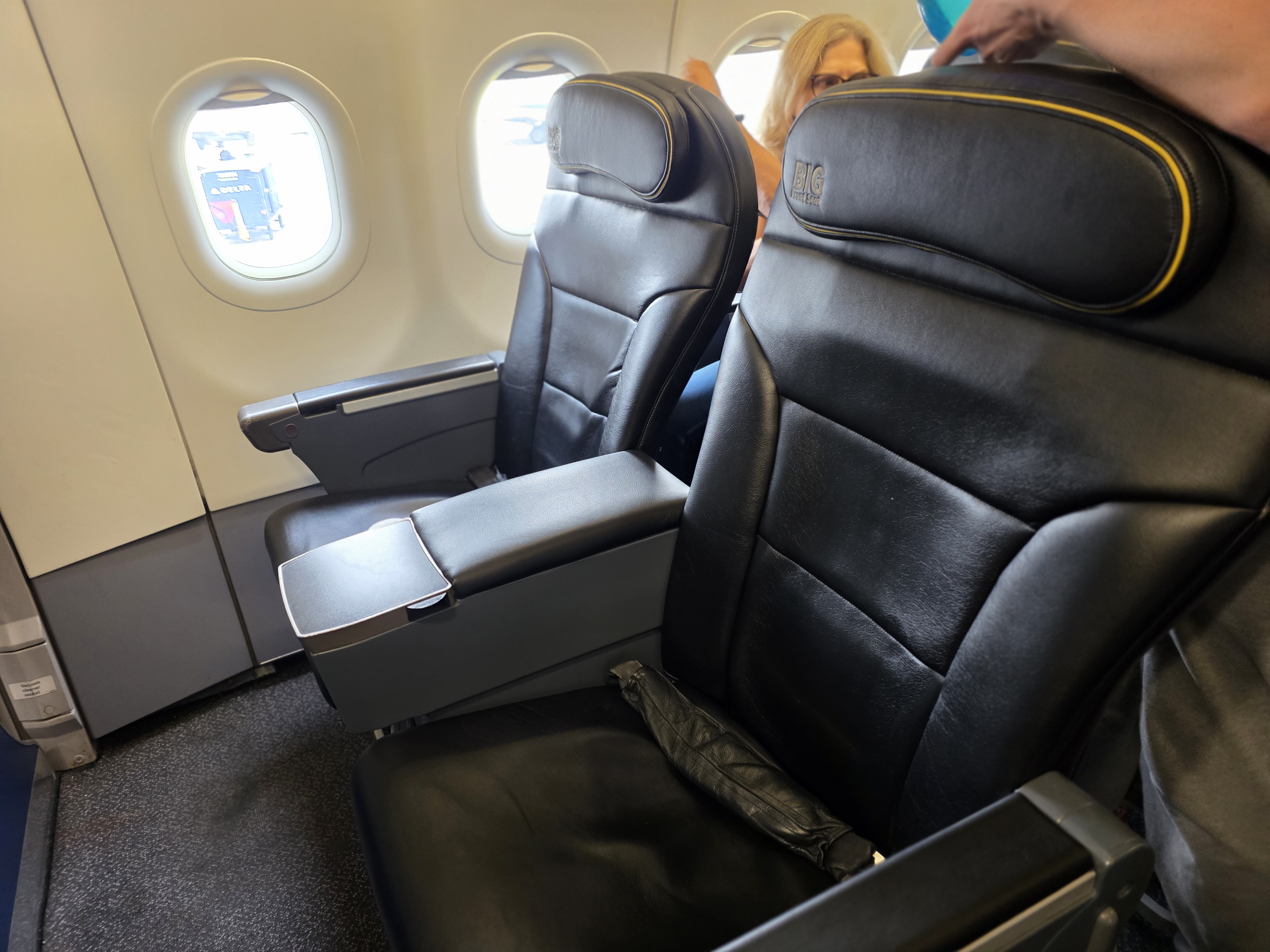
There were still no lounges or partners. And when seated in back their standard seats were less comfortable, with less legroom, than competitors. Their website and app weren’t as reliable.
So they had a higher-cost product, with more competition, and fewer customers. That was a recipe for a business that no longer worked. And they still lack a viable plan to revive it – just suggesting they can shrink their business and give back planes. But less flying means fewer seats to amortize fixed costs over. And it means using your most senior employees, who are most expensive, even after negotiating wage cuts with the unions.



Lots of reasons why Spirit is failing, but there is still a market for ULCC’s Allegiant has done very well by selecting profitable routes with low competition (e.g. CAK to SAV).
I have bever flown Spirit but from 2018 to 2023 I went back and forth every month EWR to SAV and almost always flew Allegiant. The aircraft were clean and well maintained. They were on time with very reasonable fares. I even had the CC for awhile. Despite their low-cost fares, they are almost never in the news with passenger disruptions.
I’ve never flown on Spirit. I’m sorry to see them go for the employees sake. I’ve been through two carrier’s bankruptcies. I know what it’s like. I wish them luck and I hope they all find new work soon.
@WileyDog – Allegiant’s model isn’t high utilization our of major city hubs.
Every day that Spirit puts off the inevitable costs creditors that much more lost value. Best to get it over with.
Also, two other points. Number one after a while the consumer began to realize what they would be charged for and adjusted. So instead of paying for a second bag they’d shove everything into a backpack that could go under the seat. Hence, no bag income. Ditto filling a water bottle at an airport water station and bringing snacks from home. Printing a BP free at the library. Again, ancillary income that is not generated.
Second, part of their customer base is the bottom of the barrel society. They have no concept of how to act in public. They cause trouble everywhere they go including airports and airplanes. This gets shown on social media for entertainment value but scares off consumers that might spend more for the Big Front seat. The customer base Spirit was so desperately trying to attract over the past couple of years just wasn’t there in adequate numbers.
Is there any ULCC in the United States that was founded more than 10 years ago that both exists and continues to function as a ULCC?
Spirit is (or soon was) a price-disciplining ULCC operating inside a highly concentrated, slot-constrained oligopoly, which was then stripped of its primary strategic exit via a blocked merger. And that is precisely the scenario the failing firm doctrine is meant to address. Yet, it was assessed in this article statically, not against the dynamic counterfactual of liquidation and asset redistribution to incumbents. If Spirit disappears, capacity does not reappear in a neutral form, it is absorbed by dominant networks with stronger pricing power and loyalty lock-in, which is more likely to raise fares than the very merger regulators stopped.
@Gary, I would respectfully submit that your analytical error here is treating firm exit as evidence of inefficiency rather than asking the only question the antitrust world actually cares about: whether the loss of a disruptive fringe competitor weakens price competition and consumer welfare in the resulting equilibrium. That’s the real meat and potatoes.
B6 specifically said that it intended to convert NK’s fleet to B6 standards which meant a loss of capacity and higher prices – precisely why the DOJ objected to the deal.
and the biggest driver in increased costs post covid was DL raising labor costs – first w/ pilots and then w/ other employees – to stratospheric levels which only a couple airlines could pay.
AA and WN have agreed to pay them while UA is still living off of low cost labor because of their ineffective unions; UA’s profits will not be near as much as they have been once they have to pay higher labor costs on top of higher fuel and more debt expense.
Dear Gary,
Please know I am definitely not a supporter of ALPA however, with all due respect your statement “Pilot unions had succeeded in limiting entry into the profession, making it costly and time-consuming to become a pilot” is at best disingenuous and in reality, a complete falsehood.
As you are aware, after the Continental (Colgan) 3407 accident investigation, there was an outcry by the families that had lost loved ones as well as Congress to mandate an increased hour requirement for pilots to fly larger aircraft. It was the push by Congress and the various aviation subcommittees that pushed the FAA into a rule modification…NOT the pilot unions. Additionally, there are provisions to decrease the amount of hours based upon the background of the pilot (military, college program etc) and there has been many work-arounds throughout the years that have taken place alowing pilots with less time to enter the right seat.
What had taken place due to rising costs of obtaining needed licenses and experience for flying is the realization there are many other avenues to earn a good living besides college and a very expensive path to becoming a competitive pilot applicant. Due to market forces, ab intio efforts by airlines partnering with flight schools and colleges etc, there has never been, nor will there ever be a “pilot shortage”. The 1500 hour rule has not proven to be a detriment to pilot applicants.
I flew Spirit a couple of times in 2023. I understood their policies and paid only for what I needed. The seats are fine for a 90 minute flight. I would never want to take a 4 hour trip in one. However the flight crews were professional and in good humor on both flights. I observed no problems with either flight and that had me thinking that Spirit might be getting a bad rap.
@Steve Cowell – The Colgan pilots had over 1,500 hours. The reforms that were adopted weren’t all bad. Pilot rest was a significant issue, including in the Colgan Air crash. Europe did not move to 1,500 hours for co-pilots, and their skies are just as safe. Sub-1,500 hour co-pilots fly in the United States every day without issue.
What happens in the quest for 1,500 hours is bad habits get picked up in repetitive clear air touch and go’s, a mindless quest for hours not experience. This is not structured training. Virtually any time counts, including in a hot air balloon. The hot air balloon can be tethered. Airlines have to train the bad habits out of pilots that they pick up racking up these hours.
@George Romey — Your first point is valid; your second point is irrelevant (needlessly attacking customers; no, George, they aren’t all like that, and there are bad-actors on all other carriers, too.)
“Lots of reasons why Spirit is failing, but there is still a market for ULCC’s Allegiant has done very well by selecting profitable routes with low competition (e.g. CAK to SAV).”
You missed their best route: LCK-PIE.
Let us not forget the brilliant government actions that prevented a Jet Blue and Spirit merger. Biy, they really saved us!
@ Gary…you are perpetuating false “facts”. Unless the FAR’s changed, Lighter-Than-Air (LTA) flight time cannot be counted towards RATINGS and CERTIFICATES required for Heavier-Than-Air aircraft. As for 1500 hours of flight time for an ATP (with or without the concessions allowed) after you fly as a Captain for a Third World airline, come visit with me and tell me about that “mindless quest for hours…”
BTW, I was also very familiar with LTA operations as a Commercial Airship pilot. Heavier-Than-Air flight time did not count towards LTA rating. The FAR’s have changed somewhat but not to the extent you intimate.
I’ve flown Spirit. Once. The trailer trash customer base, the surly FAs (almost as bad as Delta’s), the nickle-and-diming that I avoided only by paying for a status match to Spirit Gold, the sad schedules…forget it, they’re too much. I improved myself into a white-guy-with-money-who-moved-to-the-suburbs, and I want a lot more from my airline than transportation.
@One Trippe – you are mistaken.
Hot air balloon time counts toward the 1,500 hour “total time as a pilot” requirement because 14 CFR § 61.159(a) does not limit that 1,500 total time bucket to airplane time. A balloon is an “aircraft” in a recognized Part 61 category and class.
It does not satisfy airplane-specific sub-buckets, e.g. the 50 hours in the class of airplane sought or the 250 hours of flight time in an airplane as PIC/PICUS. But it does count towards the broader hours bucket, which is my point.
Prior to their financial issues, the biggest thing that kept me from flying Spirit was the limited schedule choices they offer. Many destinations were/are one flight per day and at inconvenient times (ORD-FLL, arriving at 01:30 anyone?). If that – some weren’t every day. If we have a severe weather event at some point during the trip, the entire itinerary blows up because Spirit was lousy with IRROPs (and so are Frontier and Allegiant, btw).
The limited legroom was a hesitation, though one could buy up for usually a reasonable price. Many of your fellow passengers may have been on the rough side, but your fellow pax on the big 3 pretty much suck too. No, it was mainly an issue of wanting to get there and home without risking losing the entire trip because of a flight issue and then having to pay “pound me in the a**” prices for a basic seat on AA, UA, DL or WN. Of course now they’re out because any day could be their last.
Let…….Spirit…..Die.
@ Gary. You are perpetuating a myth. Balloon time does not qualify as it is not “category specific”. The FAA requires the experience to be in AIRPLANES to qualify for the ATP. Either way it really doesn’t matter because no US airline is going to hire a First Officer who’s time is primarily in a free balloon and perhaps an airship (powered flight). Bottom line, the FAA has the rules but the insurance companies dictate the requirements.
@One Trippe – read the regs. This doesn’t just come from me. Senior airline ops execs confirm. You are mistaken.
Whether airlines will hire someone who puts in 500 hours of balloon time misses the point. The rule itself is not about safety. It is not structured time. It’s slop, it leads to a quest for meaningless hours that bear no relationship to commercial flying experience. And airlines have to train new pilots out of the bad habits they pick up in their quest.
Furthermore, because it adds to the time and cost to become a pilot it shuts out people that would be talented pilots, narrowing the pool – that means we get less qualified pilots, instead of more qualified ones. The 1,500 hour rule is just a barrier to entry into the profession, a special interest rule to benefit incumbent pilots and drive up wages. It is not a safety rule (the way changes like pilot rest actually did help).
Spirit, JetBlue, Alaska, Frontier, Hawaiian all were unprofitable in 2025, and American came close to loosing money last year. Even the majors will all likely lose money this year due to fuel costs.
Spirit just did it too many quarters in a row and drained the bank.
Nothing really anything unique with them beside them being sloppy with expenses and not running the business diligently. They can barely keep their web site up – never mind fare bucketing, continuous pricing, and revenue management – all the really hard stuff.
The merger of JetBlue and Spirit was going forward. Then the Biden Administration sued it out of existence. JetBlue ended up paying a breakup fee which extended the life of Spirit while contributing to the woes of JetBlue. I place the blame of killing Spirit on the Biden Administration. Maybe they will get a twofer and kill JetBlue, also.