
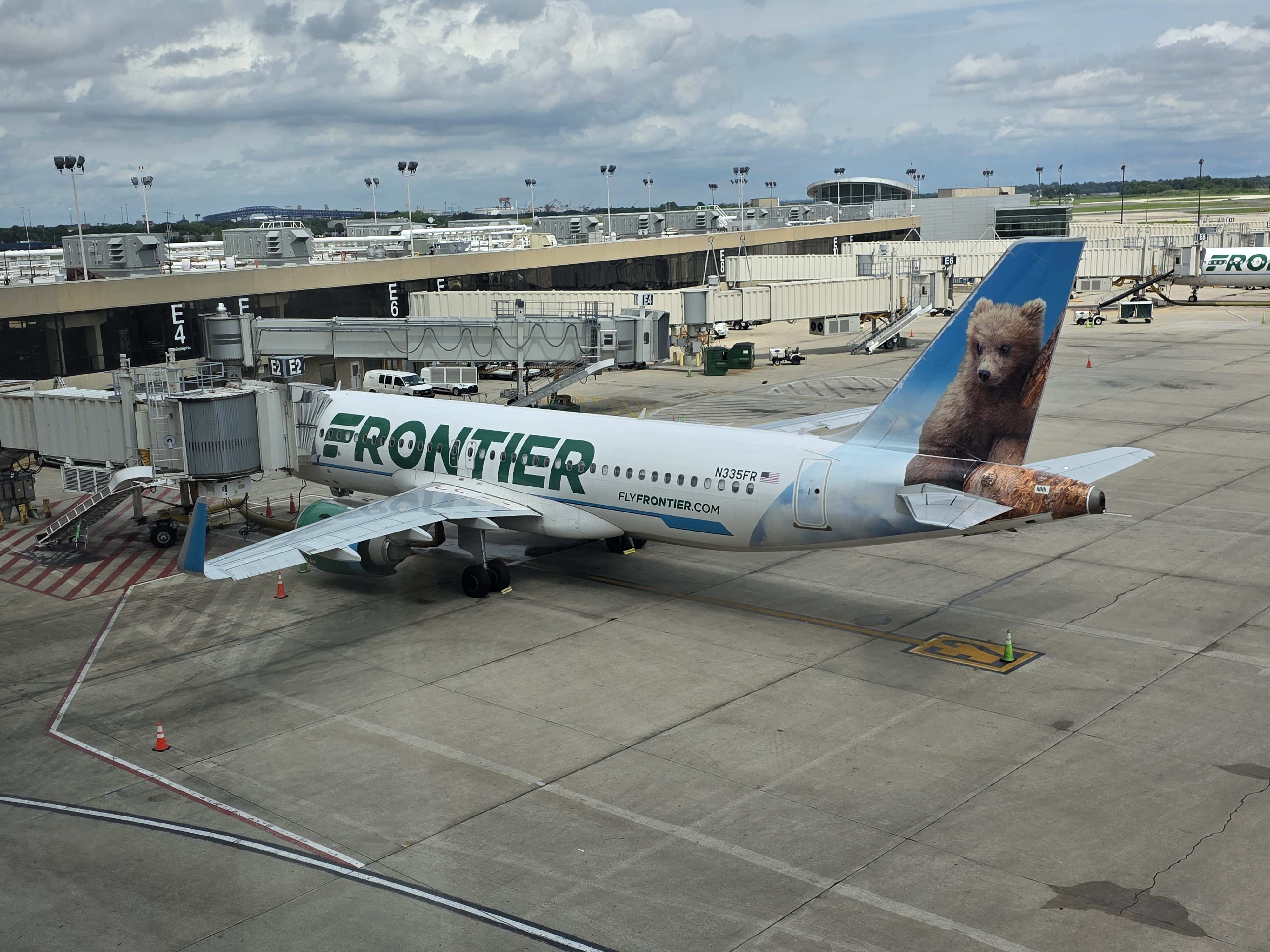
TSA audited Frontier Airlines and found that they’d kept $5,377,584.15 in security taxes. Passengers paid them the money with tickets that had been purchased – but they just kept it for themselves.
Passengers pay a TSA security fee and then when they don’t travel, airlines have been keeping the money not giving it to TSA, not just Frontier, and the TSA has gone after them for it. The government just beat Spirit Airlines in court. And on Monday the 10th Circuit Court of Appeals ruled for them over Frontier Airlines as well.
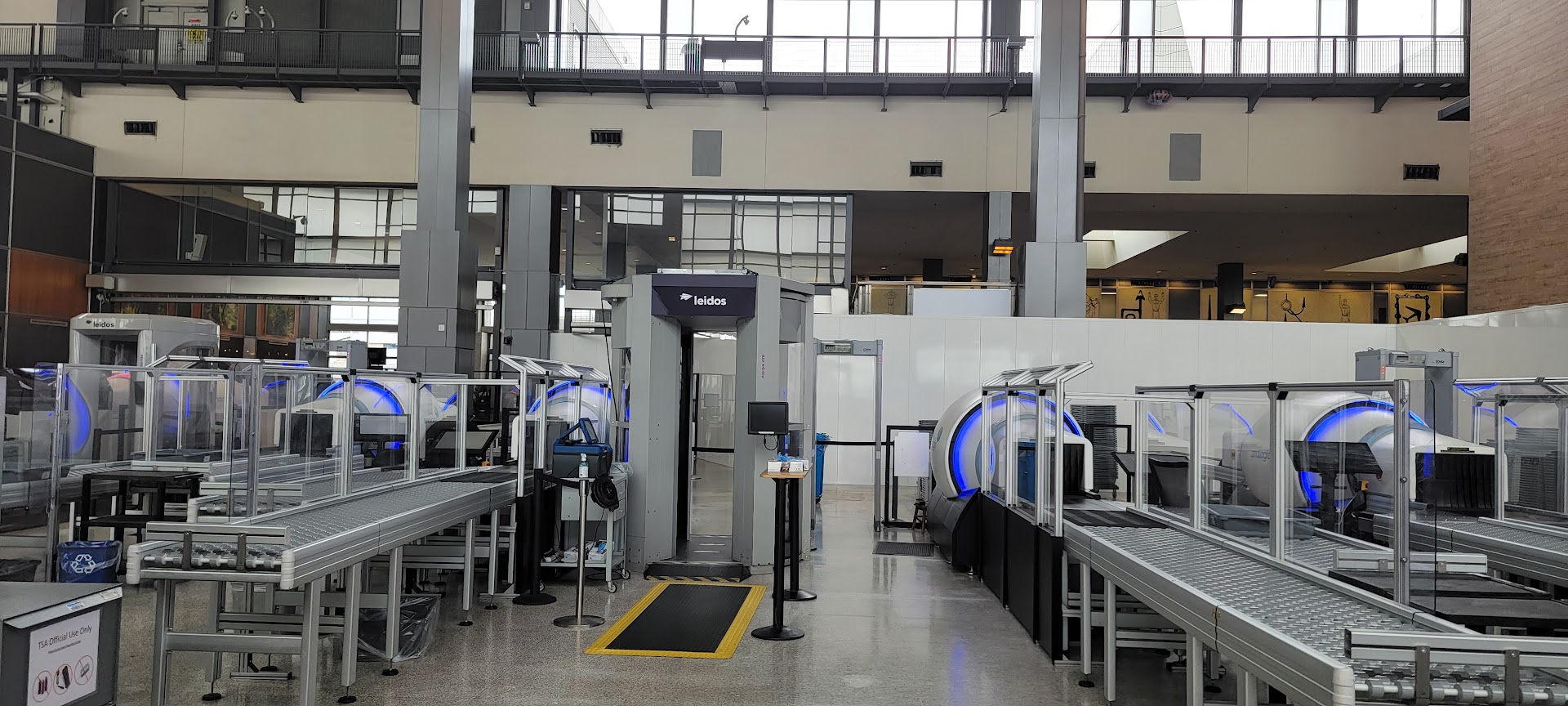
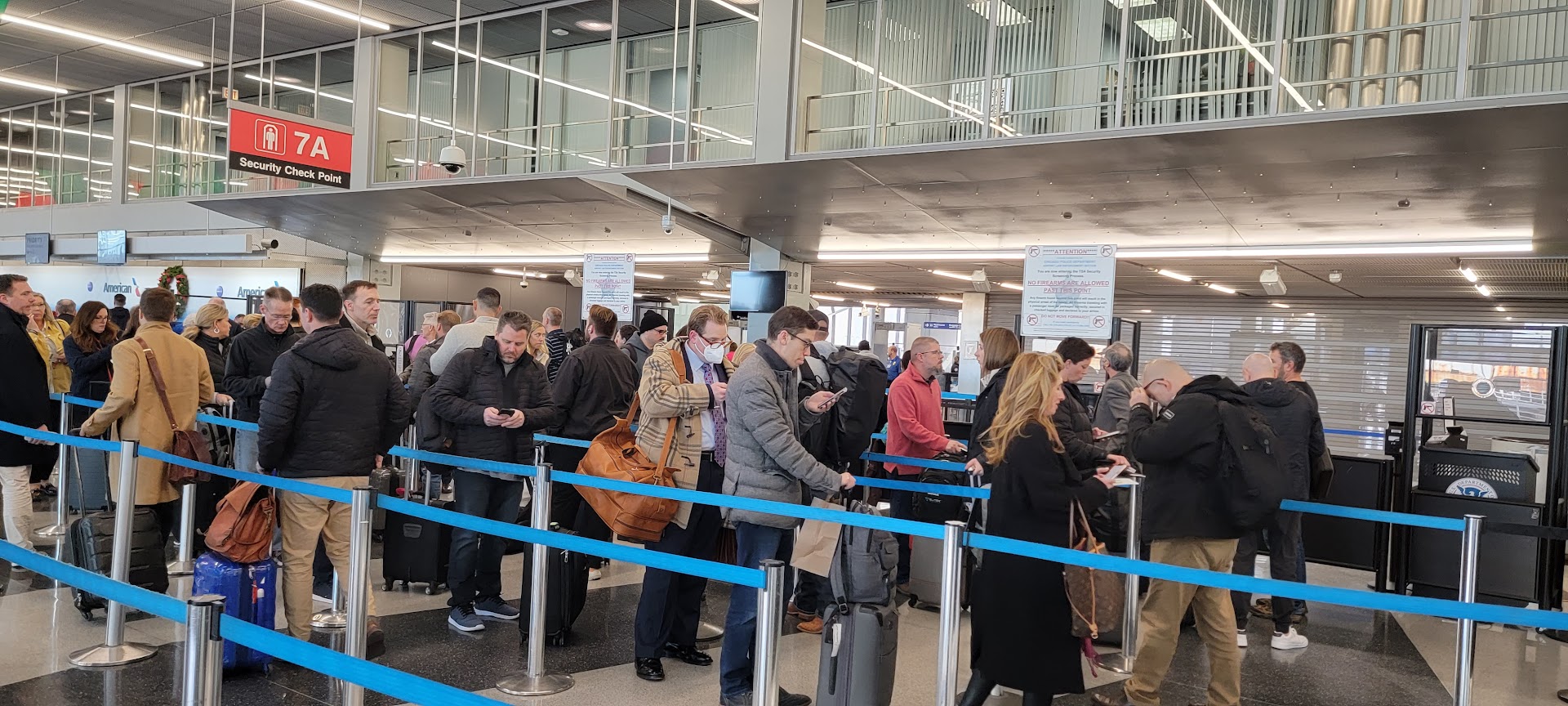
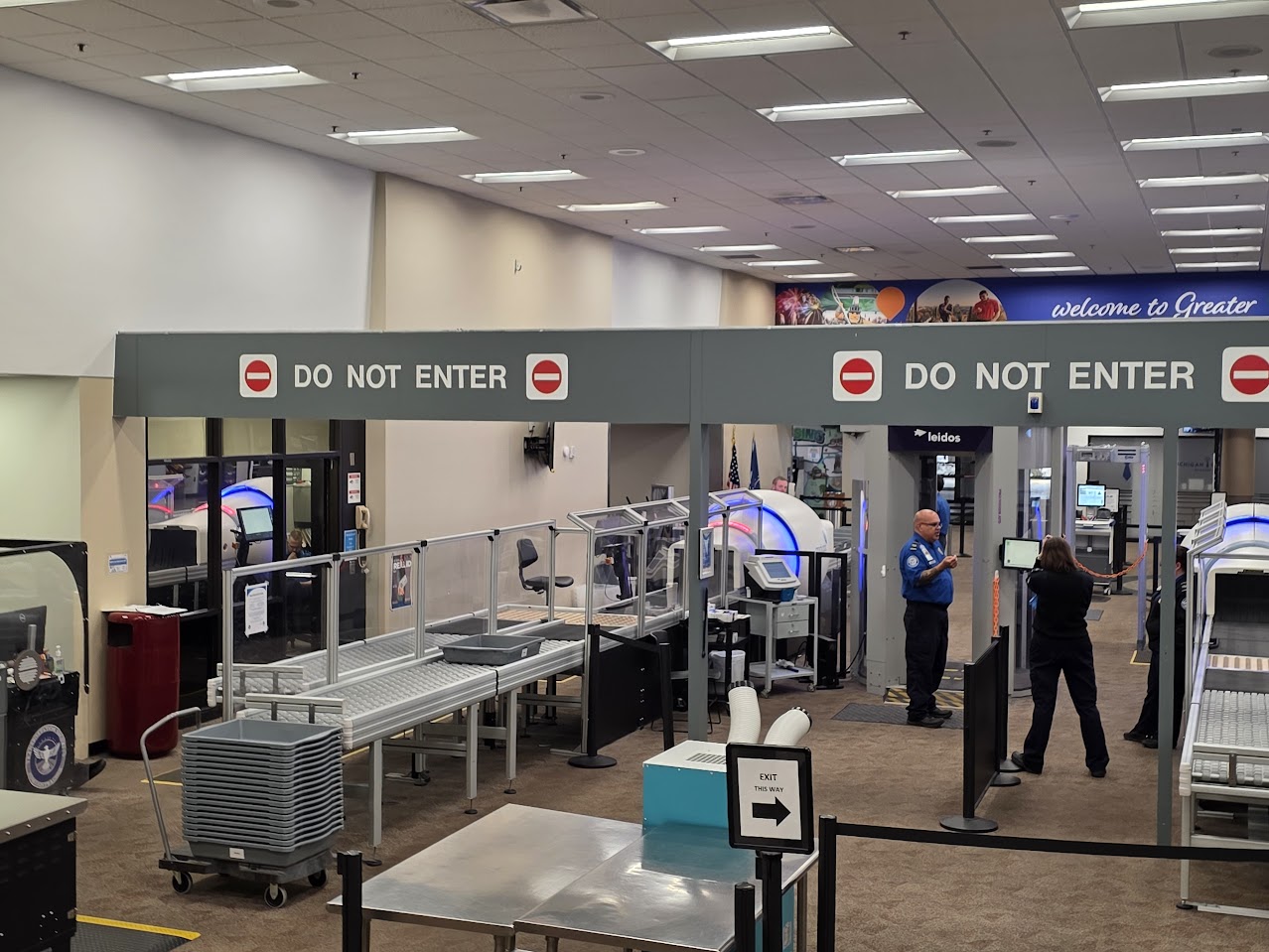
Under 49 U.S.C. § 44940, the current fee is $5.60 per one-way trip, capped at $11.20 per round trip. Airlines collect the fee and then all “fees imposed and amounts collected” are payable to TSA.
Since 2002, the government’s position has consistently been that when a passenger doesn’t use their ticket, and any credit expires, the security fee is:
- subject to refund by the airline
- if the airline doesn’t refund it, then it has to be sent to TSA.
TSA even sent a letter to Frontier in 2018 making clear that,
Frontier’s creation of a credit to the passenger that later expires is not a refund
And again in 2020, TSA offered guidance that retaining any portion of the fee or providing credit toward future services, with or without expiration, is not a refund. However, when a passenger cancelled a Frontier Airlines ticket, they issued a travel credit.
- They charge a $99 cancellation fee (or the full amount of the ticket if it’s less than that)
- If the credit was used to buy a new ticket, they collected and remitted a new TSA fee.
- But if the credit expired unused, they kept the money and sent nothing to TSA.
During the audited period of July 2016 – December 2018, expired credits accounted for $5,377,584.15 in unpaid TSA fees. Frontier didn’t contest the audit. They argued they should have been able to keep the money, though.
- Frontier Airlines says the $5.60 security fee for each one-way flight is only owed to the government by “passengers” in “air transportation.” If you do not fly, you’re not a passenger, so the money doesn’t go to the government.
- Sure, they collect the money from you because it is a tax on the ticket you purchased. But if the tax isn’t owed to the government, then how it’s handled is government by a private contract – the agreement they have with you as a passenger – and they say the money is theirs. Frontier actually got one judge to buy this, but they still lost.
- Plus, they say they actually refunded all the money to the passenger – either in the form of the credit, or by applying the credit against the airline’s cancellation fee. (In other words, the customer owed $99 for cancelling – and the fee was used up by counting towards it.)
- And even if TSA is right, Frontier says they didn’t have fair notice that they couldn’t keep tax money for themselves – the 2002 policy and 2018 and 2020 reminders weren’t enough.
The Court of Appeals didn’t buy it. Frontier collected the tax and was required by statute to send the money to TSA. It wasn’t Frontier’s money, and that didn’t change just because the passenger didn’t fly.
The statute says “all fees imposed and amounts collected” are payable to TSA, that it bars airlines from using fee to cover costs. TSA regulations require airlines to hold the fees in trust for the United States. The court said that expired credits are not refunds.
And TSA didn’t even need to give Frontier fair notice because they weren’t imposing a retroactive penalty or taking Frontier’s property – just collecting funds Frontier had no legal right to in the first place. But even if fair notice was required, the law and all of the following guidance and notices were surely enough.
Southwest Airlines is facing $48 million for the same thing and is litigating in the Fifth Circuit. That case has already been argued, and we’re awaiting a decision. If Southwest prevails, there’s a circuit split and this could go to the Supreme Court. One of the big themes in that argument was TSA saying it cannot refund millions of passengers directly itself, while insisting that airlines have to. At oral argument, this made one of the judges laugh.
I’d expect that when TSA audits more recent years they’re going to find a lot more money held by airlines that does not belong to them.



So THAT’S how they’ve managed to avoid bankruptcy… Spirit, quick, pocket these fees! /s
If the person cancels and does not travel it should be refunded to the traveler if they are poor, union members and members of the Democrat Party (regardless of income). Republicans should have to forfeit the refund because it would only be fair and democratic /s
/1990
Jet Blue has kept a couple of thousand dollars from our family in the last few years.
@Michael Mainello, @ANAL — Bah!