
The TSA just beat Spirit Airlines in court at the Eleventh Circuit. According to the government agency,
- Spirit sold tickets, collected the TSA security fee
- When customers canceled there’s a cancellation fee
- Any remaining value was retained as a travel credit that expired after 60 days.
When credits expired unused, Spirit kept the money – including the tax. TSA says that Spirit, therefore, owes $2.84 million.
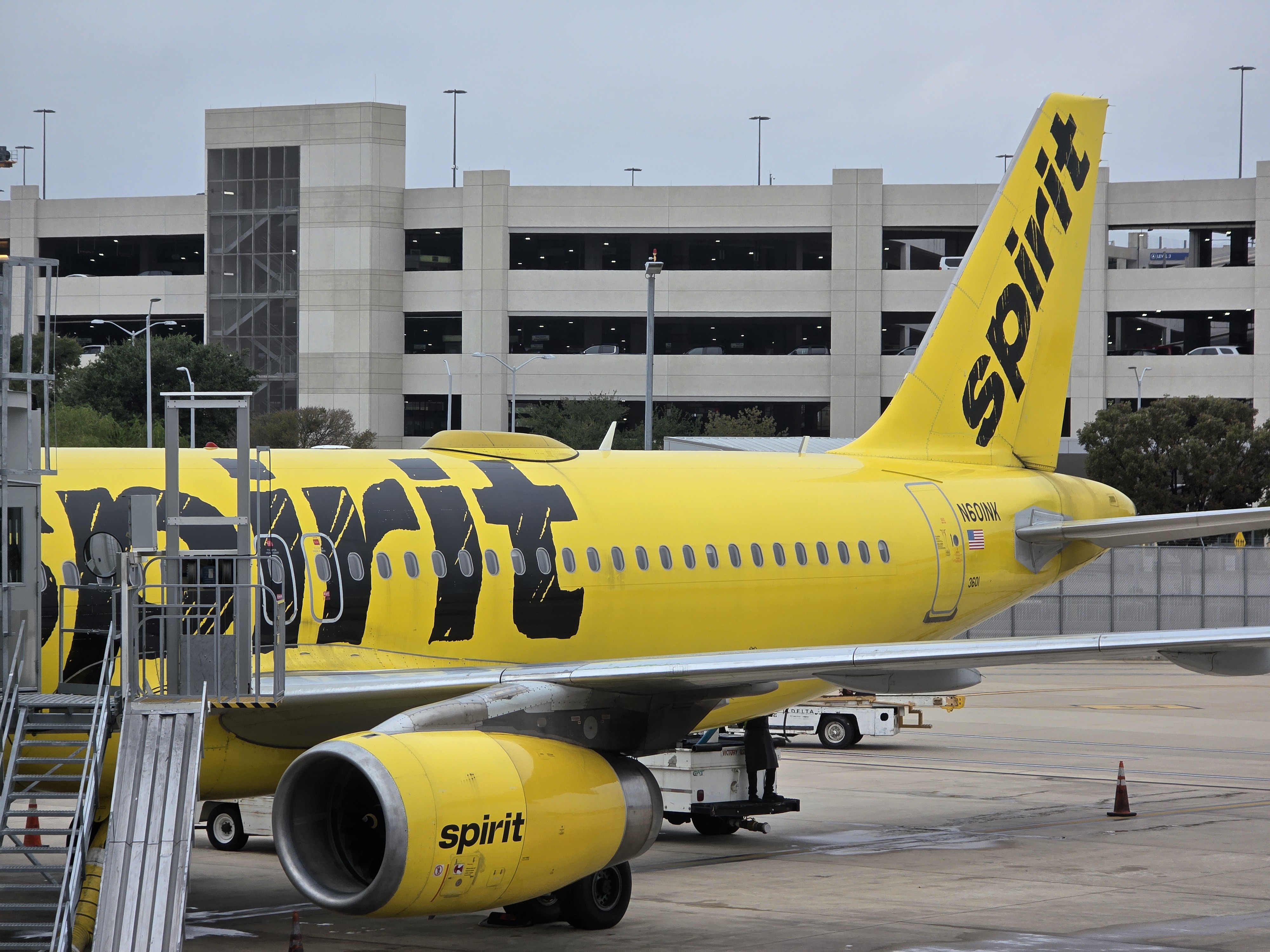
Spirit made two main arguments in its defense:
- TSA is not entitled to the fee when the passenger doesn’t fly. The law imposes the fee on “passengers…in air transportation” and someone who cancels before travel never becomes a passenger.
- Even if the fee had to be dealt with, it was effectively “refunded” through the travel credit (or by applying it against Spirit’s cancellation fee).
The Eleventh Circuit agreed that “passenger” refers to someone that actually travels, not just someone who buys a ticket. But they said it doesn’t matter, because the law separately says that all fees imposed and amounts collected are payable to TSA. Once the airline collects the fee, it’s payable to TSA by the end of the next month, regardless of whether travel happens.
49 U.S.C. § 44940 makes a distinction between the fee being “imposed” and “amounts collected.” Section (g) allows TSA to refund amounts paid by mistake or in excess of what was required. The court treated that as proof Congress contemplated that airlines would sometimes collect and remit fees that ultimately were not owed by a traveler who never flew, with TSA retaining discretion over refunds.
And the Eleventh Circuit said an expired travel credit is not a refund. In 2002, with the introduction of the fee, TSA’s guidance laid out that if a passenger does not travel and the ticket later expires or loses value, the fee must either be refunded to the customer or remain with the agency.
Spirit also complained that TSA was enforcing a previously unannounced interpretation, in violation of due process, but the court held that the statute’s text plus the 2002 guidance gave sufficient notice. Spirit’s claim that they did not know about that guidance before the audit and assessment wasn’t persuasive. I mean, it’s their job to know! (And the guidance was repeated in 2020.) The court said that Spirit should have assumed the statutory default rule required remittance of collected amounts.
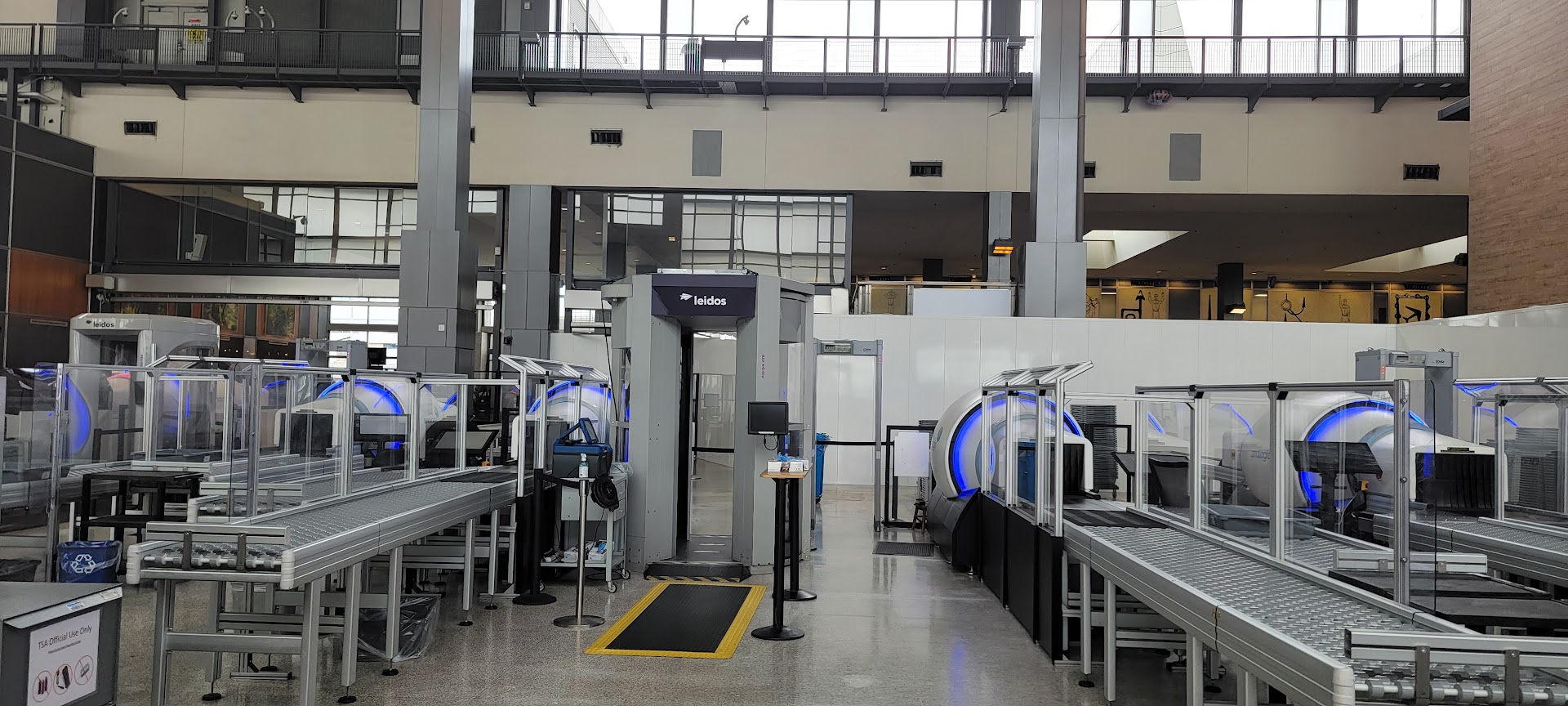
This ruling is bad also for Southwest Airlines. While Spirit had $2.8 million at stake, Southwest is facing $48 million for the same thing.
Southwest is litigating in the Fifth Circuit. That case has already been argued, and we’re awaiting a decision. If Southwest prevails, there’s a circuit split and this could go to the Supreme Court. One of the big themes in that argument was TSA saying it cannot refund millions of passengers itself, while insisting that airlines have to. At oral argument, this made one of the judges laugh.
The Eleventh Circuit sidesteps this saying that once the airline collected the money, it had to remit it, and TSA may refund overpayments in its discretion.
Spirit’s facts are worse than Southwest’s, though, because their credits expired after 60 days. But the Spirit opinion is also really clear that the law governs what happens to amounts the airline actually collected, and shows Congress expected over-collections and gave TSA discretion over refunds. They didn’t say the airline could just keep the money. More importantly, the Eleventh Circuit opinion is a persuasive roadmap for cases involving other airlines.



We seriously need air passenger rights legislation in the US (see UK/EU261, Canada’s APPR). Sure, the DOT rules are a good start, but, like, it’s clear, if you don’t fly, are eligible for refund, you should get your money back, timely. And, please, bring back Rule 240, too.
JetBlue still keeps the taxes, too. Very frustrating.
@ymx, when ever I CXed my B6 flight/s if within 24 hrs either it was Refunded or never charged, after 24 hrs it always went into my TB(Travel Bank) and if it expires its alot longer then 60 days like Spirit. The unknown is did/does B6 turn the security fee over to TSA or nor? same can be said for ALL the carriers. either the Govt hasnt audited all the Carriers yet or only found WN and Spirit were the ones that kept the $$$
AFAIK (limited), unused TFCs go into a type of escrow account to pay the authority with. Some TFCs are remitted to the authority within, say, 30 days regardless, others only after usage/invoicing by the authority. If the AY isn’t used/billed/paid to the TSA regardless, then NK could potentially refund all those $5.60s less a $5.59 ‘administration fee’. Even if it’s been paid to the TSA, the refund will allow the airline to reclaim it from the TSA, or at least nett it against the AY amounts being paid to the TSA for new tickets sold.